

Introduction
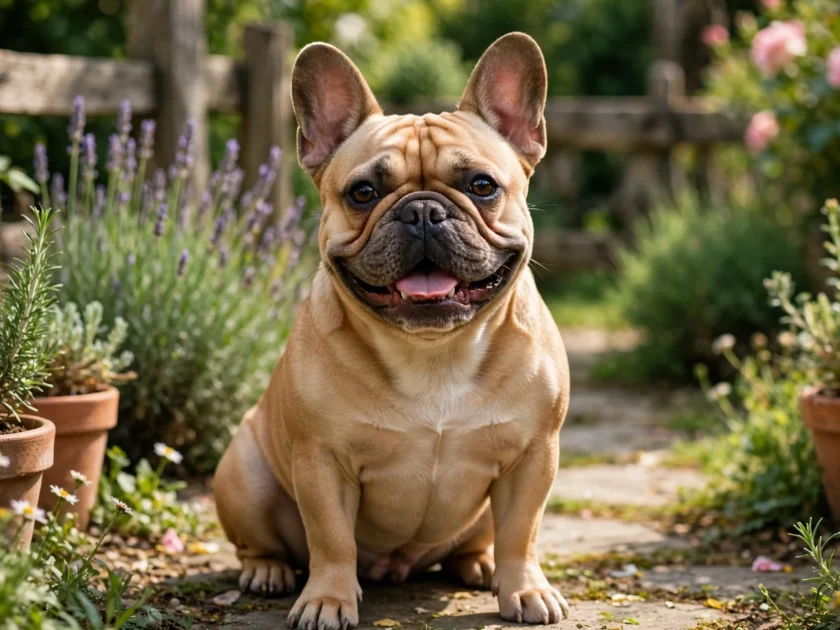
There is a particular snort that French Bulldog owners know by heart: the happy little grunt your Frenchie makes when you come home, followed by the wiggle of a whole back end as he trots over to say hello. A French Bulldog does not really do dignified greetings. He is a small, bat-eared clown who treats every day like a small festival, and his favourite activity is sitting on your lap.
Bred in England as a smaller companion version of the Bulldog and beloved in Paris, where the breed got its name, the Frenchie was designed for one job and one job only: companionship. He keeps you company, makes you laugh, and snores gently on the sofa while you watch television. This guide covers what that really looks like day to day, from his comical temperament to the health problems every owner should understand.
Characteristics
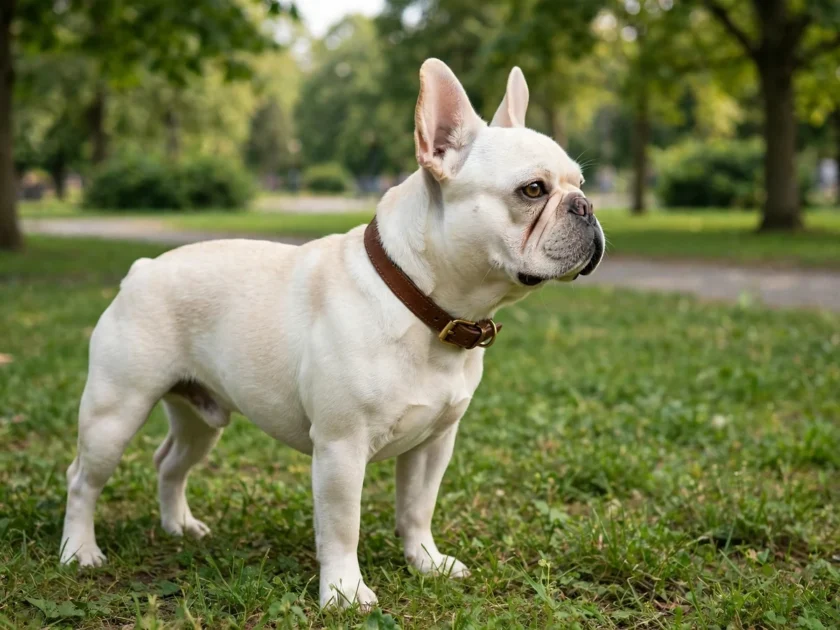
A French Bulldog is unmistakable: a compact, muscular little body, a large square head, a short flat face, and those enormous upright bat ears that give him a permanently surprised and delighted expression. Adults typically stand 28 to 33 centimetres tall and weigh 8 to 14 kilograms, making him an ideal size for flats and smaller homes. His short, smooth coat comes in brindle, fawn, white, cream, and pied.
Temperament is where the Frenchie wins hearts. He is playful, affectionate, stubborn in a charming way, and deeply people-focused, happiest when he is in the middle of whatever you are doing. He is not a high-energy dog, and his exercise needs are modest, but his need for company is enormous, which makes him a wonderful choice for first-time owners and anyone living in an apartment. Most French Bulldogs live 10 to 12 years, and they are famously adaptable, happy anywhere as long as their person is nearby. Our guide to the best small dog breeds that make great family pets explains why the Frenchie tops so many family lists.
Habits and Behaviour
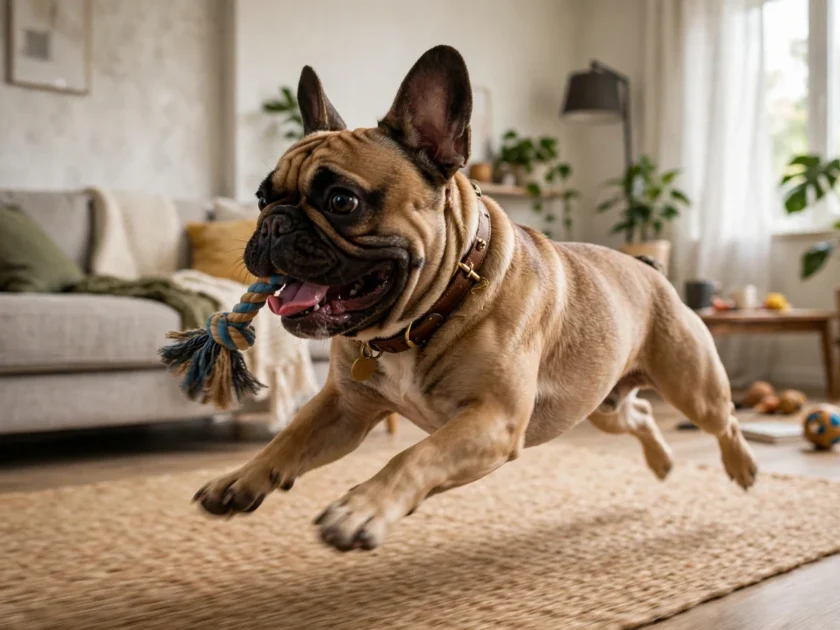
A Frenchie’s day is simple: eat breakfast, find the sunniest spot in the house, nap, play, eat again, and settle back on the sofa beside you. He is a creature of comfort who loves soft blankets, warm laps, and any cushion that has not yet been claimed. Frenchies are famously playful in short bursts, zooming around the living room with their ears flopping, then collapsing dramatically for a nap.
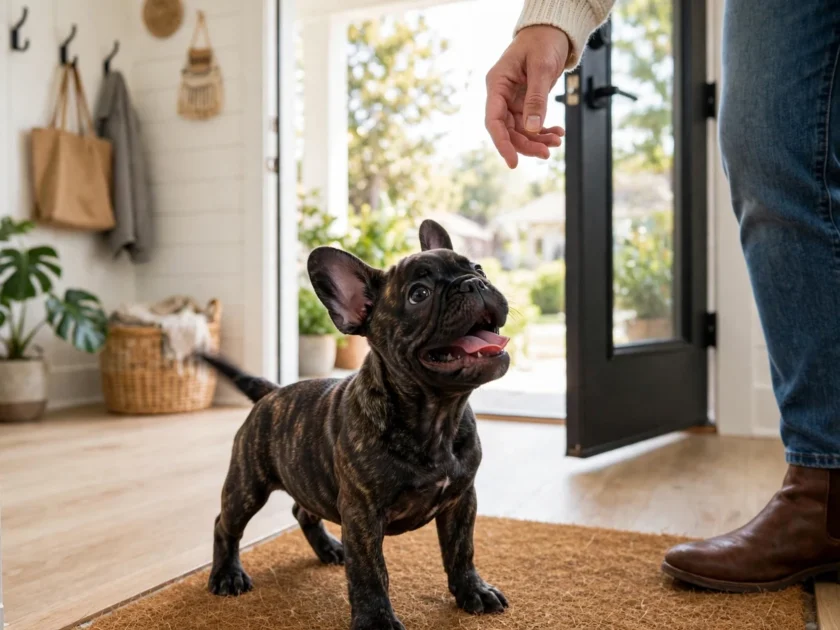
Exercise needs are modest but real: about 45 minutes to an hour a day of gentle walking and play, ideally split into shorter sessions. Training a Frenchie is an exercise in patience and humour, because he is clever but stubborn, and he will happily learn a command, then decide whether to obey it. Keep sessions short, fun, and generously rewarded with treats, and never train in the heat, since his flat face makes cooling down hard work. Around children he is usually gentle and tolerant.
Common Diseases and Health Problems
For all his charm, the French Bulldog carries more health risks than almost any other popular breed, and the first one every owner must understand is brachycephalic obstructive airway syndrome, or BOAS. His flat face means narrowed nostrils, a long soft palate, and a narrow windpipe, so breathing is hard work. Heat is genuinely dangerous for a Frenchie, because he cannot pant efficiently enough to cool down, and heatstroke can follow fast.
Other common problems include skin fold dermatitis, where face wrinkles trap moisture and bacteria. Frenchies are also prone to spinal problems such as intervertebral disc disease, because of their screw tails and compact build, often first noticed as a reluctance to jump or a yelp when picked up. Eye problems like cherry eye are common too, and so is hip dysplasia.

Solutions and Prevention
Prevention starts with choosing your Frenchie carefully. Buy from a breeder who health-tests parents for spine, eye, and breathing problems, and who breeds for longer muzzles and open nostrils rather than the flattest possible face. Once home, keep your Frenchie lean with measured meals fed twice a day, since extra weight makes breathing harder and strains his spine, and swap biscuit treats for cucumber or carrot.
Heat management is a daily habit, not a summer project. Walk in the cool of the morning and evening, always carry water, and learn the warning signs of overheating: heavy panting, drooling, or wobbliness. If you see them, cool him with damp towels and get to a vet immediately. Clean his facial folds daily and dry them thoroughly, and use a harness instead of a collar so nothing presses on his windpipe. The French Bulldog asks for very little in life: a cool house, a soft sofa, and an owner who takes his breathing seriously.

Grooming and Cleaning
Grooming a Frenchie is refreshingly simple compared with a long-coated breed, but it has one job that matters more than all the rest: the face folds. Those wrinkles trap moisture, food, and bacteria, so wipe the folds daily, then dry them carefully, because a damp fold quickly becomes red and sore. His short, smooth coat sheds moderately all year, and a weekly brush with a rubber grooming mitt removes loose hair and keeps the coat shiny.
The rest of the routine is small but steady. Check those big bat ears weekly for redness, smell, or dark debris, and clean them with a vet-approved ear cleaner, since Frenchies are prone to ear infections. Trim nails every three to four weeks, because his nails do not always wear down naturally, and brush his teeth several times a week with dog toothpaste to fight gum disease. Most Frenchies tolerate this happily if you start young and pair each session with a treat.

Living With a French Bulldog: Care Tips for Owners
Living with a Frenchie means accepting a few cheerful truths. Your house will have snoring in it. Your lap will rarely be empty. Your dog will try to sit on you, next to you, or ideally under the same blanket as you. Make peace with these things early and you will enjoy one of the most entertaining companions on earth. Give him a routine of regular meals, short walks, and play, and keep a basket of toys nearby, because a bored Frenchie will invent his own games.
Set boundaries kindly but firmly from puppyhood, because a small dog who is allowed to demand attention by barking or jumping will grow into a small tyrant with a very loud voice. Use a harness for walks, never a collar, and use ramps or steps for the sofa and bed to protect his spine. Most importantly, never leave him in a hot car or a stuffy room, and remember that he cannot swim well, so keep him away from pools unless he is wearing a life jacket and you are right beside him.

Frequently Asked Questions
Are French Bulldogs good with children?
Yes, French Bulldogs are generally wonderful with children. They are playful, patient, and sturdy little dogs. Always supervise young children around any dog.
How much exercise does a French Bulldog need?
A French Bulldog needs about 45 minutes to an hour of gentle exercise a day, split into shorter walks and play sessions. Avoid exercise in hot weather.
Do French Bulldogs shed a lot?
French Bulldogs shed moderately all year round. A weekly brush with a rubber grooming mitt removes loose hair and keeps the coat shiny.
Are French Bulldogs easy to train?
French Bulldogs are intelligent but famously stubborn, so training takes patience and a good sense of humour. Keep sessions short and fun, reward generously, and start socialisation early.
How long do French Bulldogs live?
Most French Bulldogs live 10 to 12 years. Keeping them lean, protecting them from heat, and regular vet checks help them live longer, healthier lives.