
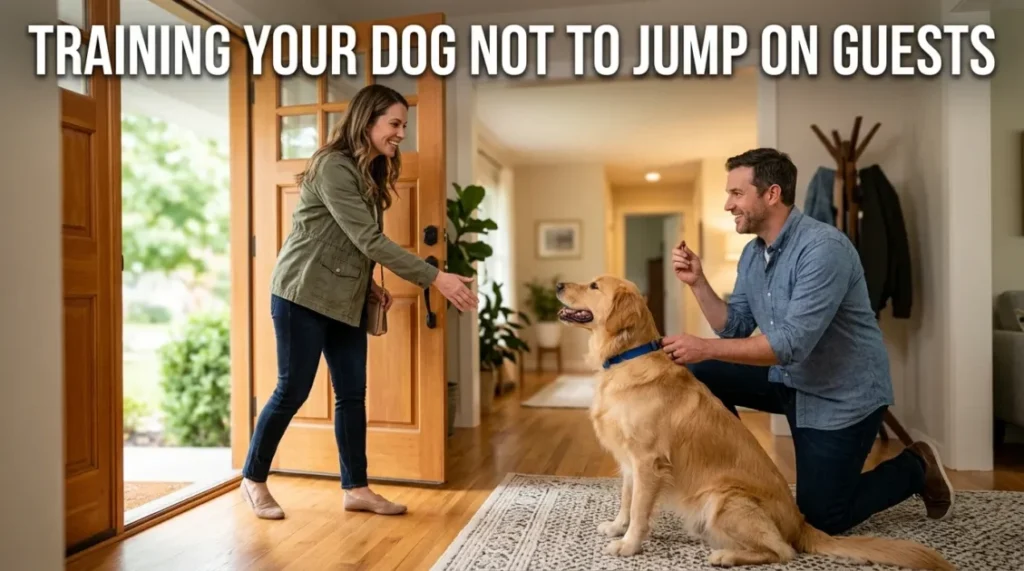

There’s nothing quite like the joyful wag of a dog’s tail when someone new comes to visit. It fills your home with happy energy! But then, BAM! Your furry friend launches themselves like a rocket, paws first, right onto your unsuspecting guest. While their heart is in the right place, that enthusiastic leap can be a bit much, right? It can be embarrassing, messy, and sometimes even a little unsafe, especially if your dog is big or your guest is a child or an elder.
If this sounds like your house, don’t worry! You’re definitely not alone. Many dog owners face this exact challenge. The great news is that teaching your dog better greeting manners is totally doable, no matter their age. With some patience and the right steps, you can Training Your Dog Not to Jump on Guests, turn those bouncy hellos into calm, polite greetings.
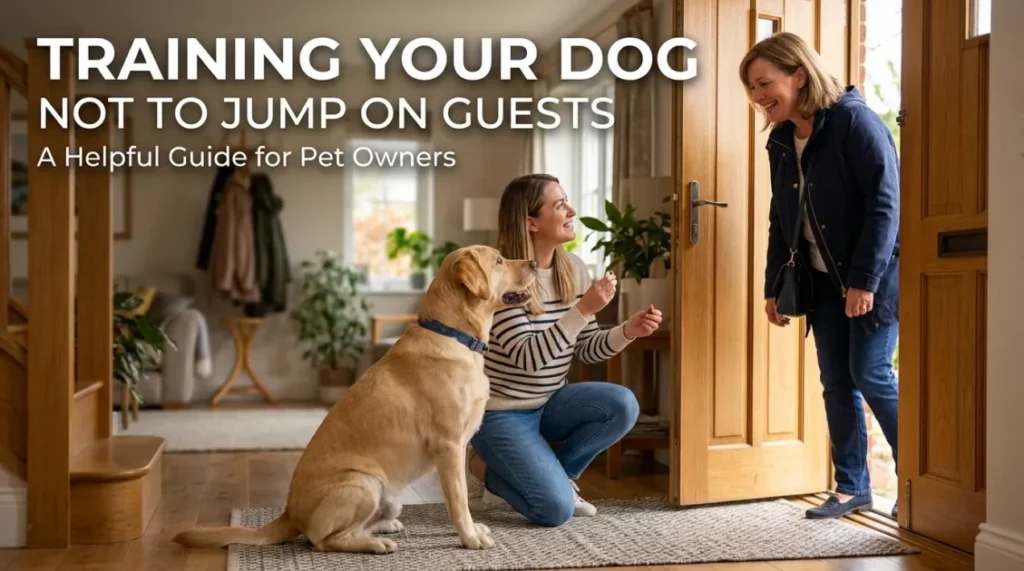
Why Do Our Furry Friends Become Leaping Legends?
Before we jump into training (pun intended!), it helps to understand why dogs jump in the first place. They aren’t trying to be naughty or dominant. That’s a common misunderstanding! Usually, it comes down to a few key reasons:
- Excitement and Greeting: Dogs are super social creatures. When they see someone new, especially someone they’re happy to see, they get excited! Jumping is their natural way of trying to get closer to your face, which is how dogs often greet each other.
- Seeking Attention: Our dogs are smart. They quickly learn what gets them noticed. If jumping gets them a reaction , even if it’s you saying “no,” pushing them away, or laughing , they see that as attention, and any attention is good attention to a dog! This reinforces the behavior.
- Lack of Training: If your dog hasn’t been taught a different, more polite way to greet people, jumping becomes their default move. Puppies learn early that reaching up often gets them what they want.
So, our goal isn’t to stop their joy, but to redirect that energy into a more acceptable behavior. Ready to make some changes?
Consistency and Rewards
Training your dog not to jump really comes down to a few simple, yet powerful, ideas. Think of these as your golden rules:
Consistency is King (or Queen!): This is probably the most important part. Every single person in your home, and even your guests, needs to be on the same page. If one person allows jumping “just this once,” it confuses your dog and makes training much harder. Dogs thrive on clear structure, and mixed signals just tell them the rules are sometimes optional.
Positive Reinforcement: We want to reward the good stuff! When your dog does something we like (like keeping all four paws on the floor), we reward them with praise, treats, or calm affection. This teaches them that calm greetings get them what they want, while jumping doesn’t.
Patience is a Virtue: Changing an ingrained behavior takes time. Don’t get discouraged if you don’t see instant results. Stick with it, and you will see progress!
Step-by-Step: Training Your Dog for Calm Greetings
Let’s get into the practical steps. Remember, we’re teaching your dog a new way to say hello, so we need to be clear and consistent.
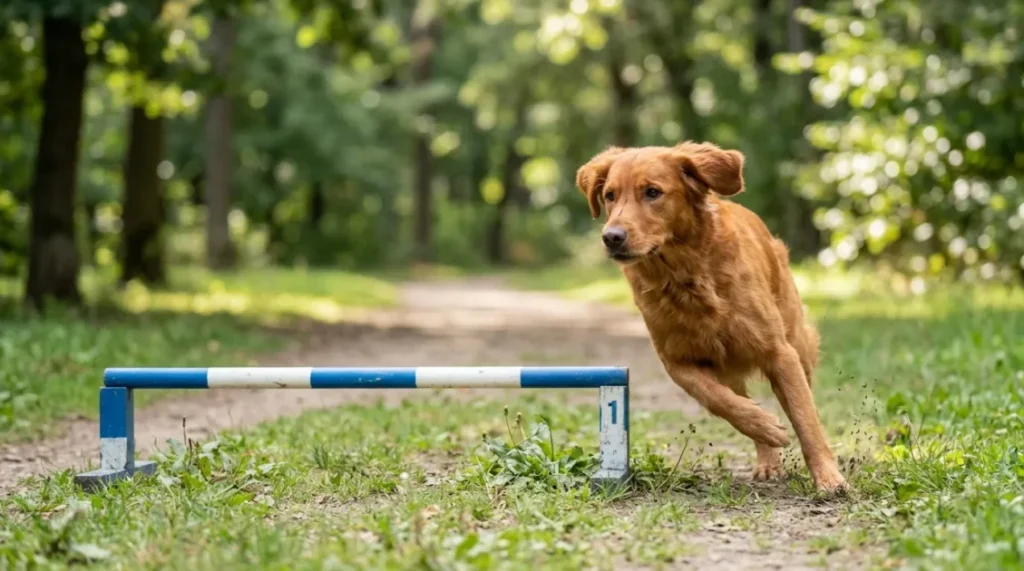
1. Ignore the Jump (The Dramatic Exit)
This is your go-to move when your dog jumps. The moment your dog’s paws leave the ground to jump on you or a guest, immediately do this:
- Turn your back: Cross your arms, turn away, and avoid eye contact. Make yourself as boring as possible.
- No talking, no touching: Don’t say “no,” don’t push them off (even pushing is attention!). Just be silent and still.
- Walk away: If they keep trying to jump, go into another room or step behind a baby gate. Make it clear that interaction stops when they jump.
- Wait for calm: Wait until your dog has all four paws on the floor and has been calm for at least a few seconds, maybe even a full minute or two.
- Reward the calm: Only when they are calm and on the floor, turn back around and give them calm attention. Speak softly, pet gently, and keep your energy low.
This teaches your dog that jumping gets them absolutely nothing, but calm behavior gets them what they want , your attention!
2. Reward Four on the Floor
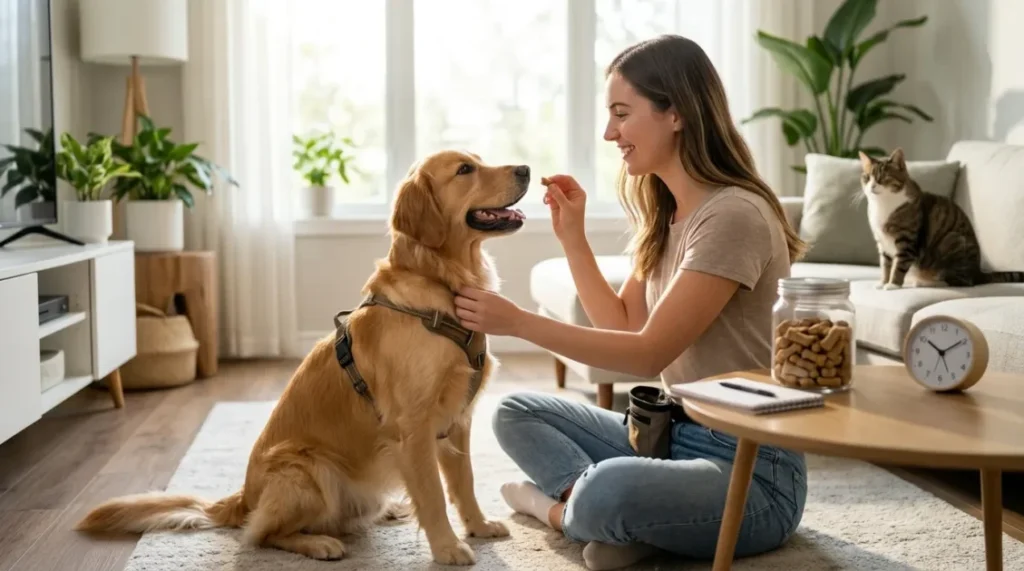
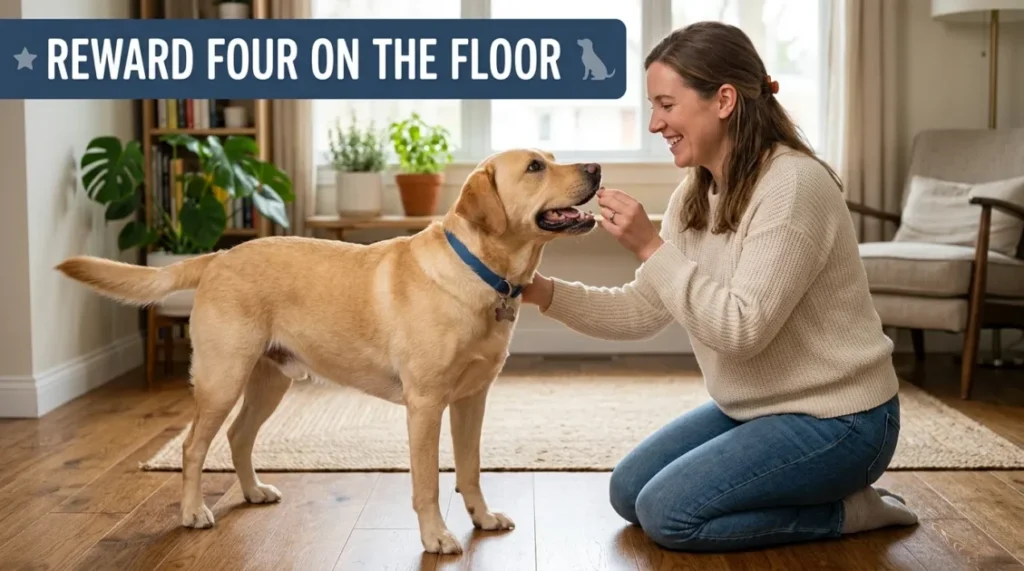
- As soon as your dog approaches calmly, with all four paws on the floor, give them praise and a treat.
- Catch them in the act of being good! This instant reward helps them connect the calm behavior with the positive outcome.
This goes hand-in-hand with ignoring the jump. We want to actively reward your dog when they keep all four paws on the ground during greetings.
3. Teach a Solid “Sit” (Your Dog’s New Greeting)
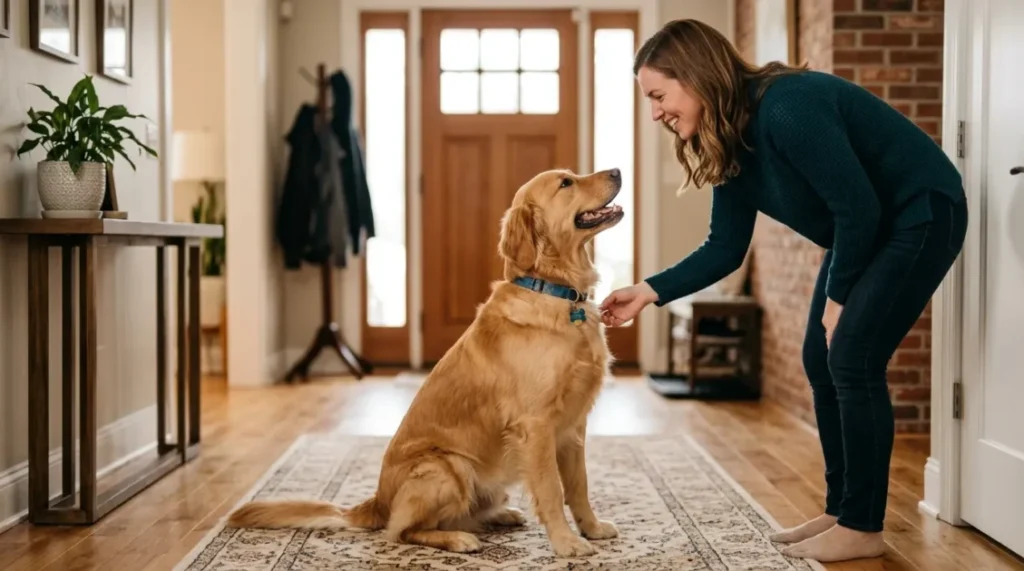
This is a game-changer! It’s physically impossible for a dog to jump and sit at the same time. A strong “sit” command gives your dog an alternative, polite behavior to offer when guests arrive.
- Practice “Sit” often: Make sure your dog knows “sit” really well in calm environments first. Use high-value treats and lots of praise.
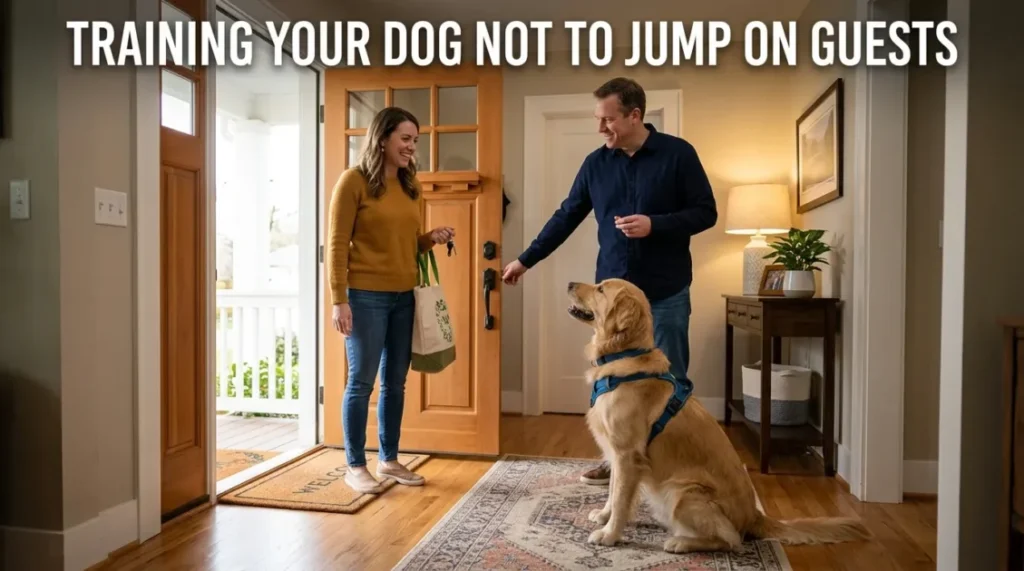
- Pre-emptive “Sit”: When you know a guest is coming, ask your dog to “sit” before they even get to the door. Reward them for staying in that sit.
- Enlist your guests: Ask your guests to wait until your dog is sitting calmly before they give any attention or pets.
You can even teach a “place” command, where your dog goes to a specific mat or bed when guests arrive and stays there until released.
4. Use a Leash for Control During Training
When you’re first working on this, a leash can be your best friend.
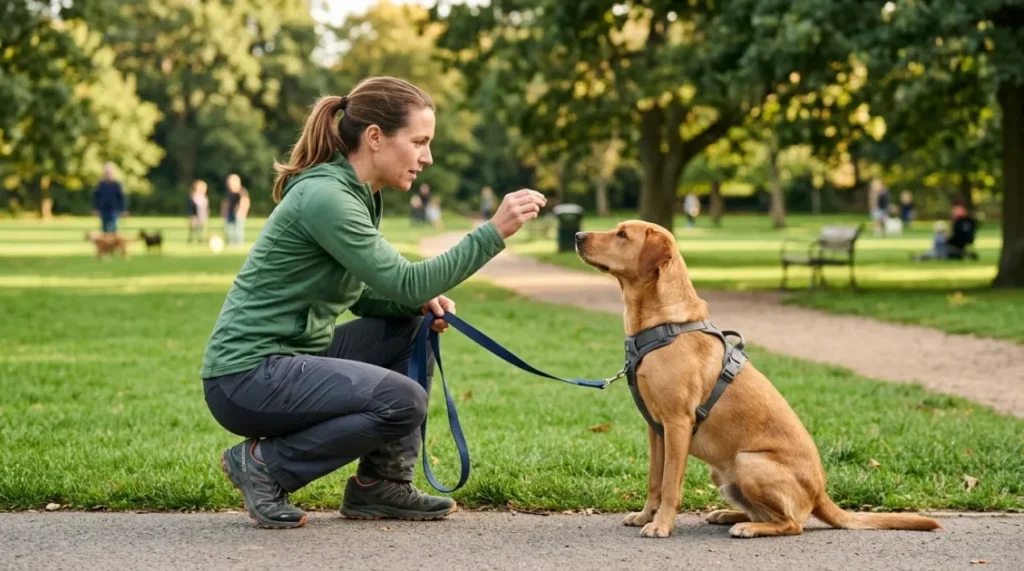
- Controlled greetings: Keep your dog on a leash when guests arrive. This gives you direct control over their movement.
- Short leash technique: If your dog tries to jump, the leash will gently prevent them from doing so. As soon as all four paws are on the floor, relax the leash and reward.
5. Manage the Environment
Sometimes, preventing the jumping behavior from happening at all is the best first step.
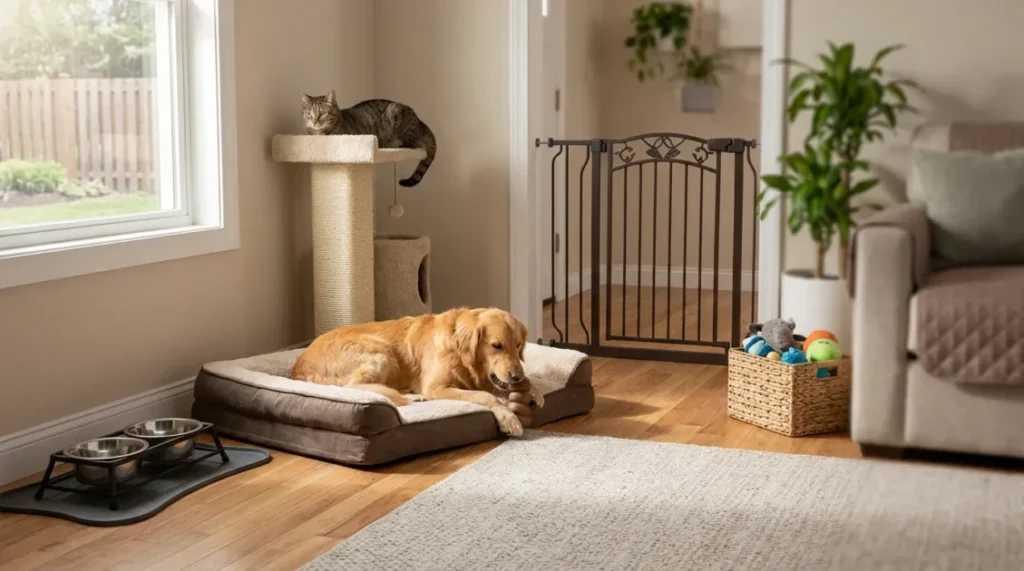
- Create space: Use baby gates or a crate to separate your dog from guests when they first arrive. This allows your dog to calm down before a controlled greeting.
- Distraction: Give your dog a long-lasting chew toy or a puzzle toy in their calm space to keep them occupied.
- Exercise first: A tired dog is often a well-behaved dog! Make sure your dog gets plenty of exercise and mental stimulation before guests arrive.
For more tips on keeping your pet happy and well-managed, you might find our article on The Ultimate Guide to Pet Boarding: What to Look For helpful, especially if you need to consider options for when you can’t be home to manage greetings yourself.
Common Mistakes to Avoid
Even with the best intentions, it’s easy to accidentally reinforce the jumping. Here’s what to watch out for:
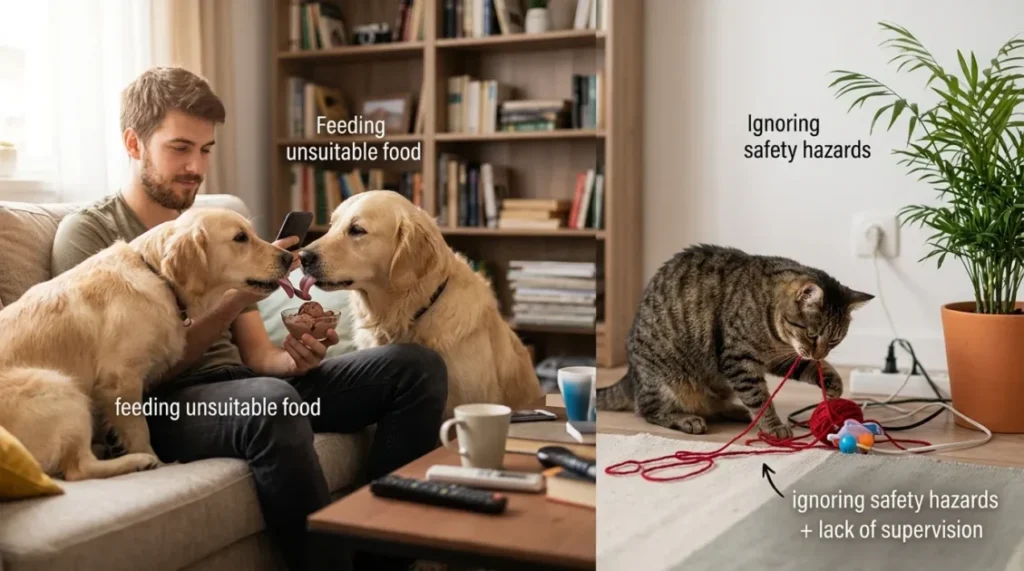
- Giving any attention for jumping: This includes saying “no,” pushing them down, or even making eye contact. Your dog sees it all as a reward.
- Inconsistency: Allowing jumping sometimes but not others is the fastest way to confuse your dog and slow down progress.
- Getting frustrated: Training should be a positive experience for both you and your dog. If you get upset, take a break and try again later.
- Not practicing enough: Like any new skill, polite greetings need practice, practice, practice!
Remember, your dog wants to please you. By being clear, consistent, and patient, you’re setting them up for success. Soon, those frantic leaps will be a thing of the past, replaced by happy, calm hellos that everyone can enjoy. For more great tips and advice on all things pet-related, make sure to check out Clumsy Paw | For Pet Lovers and Pet Enthusiasts!
FAQ’s Training Your Dog Not to Jump on Guests
Q: How long will it take to stop my dog from jumping?
A: The timeline really depends on your dog’s age, energy level, and how consistent you are with the training. Most dogs can learn to stop jumping reliably within 2 to 4 weeks with consistent daily practice. Older dogs can definitely learn new habits too!
Q: What if my guests won’t cooperate with the training?
A: This is a common challenge! Before guests arrive, give them a quick rundown: “When [dog’s name] jumps, we’re going to completely ignore them , no talking, no eye contact, no pushing. We’ll only pet them once they’re calm and have all four paws on the floor.” Most people are happy to help when they understand the plan.
Q: My small dog jumps; is it still a problem?
A: Yes, even small dogs jumping can be an issue! While they might not knock someone over, they can still scratch, cause a tripping hazard, or make guests uncomfortable. The same training principles apply regardless of your dog’s size. Teaching them not to jump sets clear boundaries and helps them feel more secure.
Q: What if my dog only jumps on me, not guests?
A: The training methods are the same whether your dog jumps on you or guests. You need to be consistent in ignoring the jump and rewarding calm behavior every single time, even when you come home. If you sometimes allow them to jump on you, they won’t understand why they can’t jump on others. Remember, consistency starts at home!
Q: Should I use an e-collar or anti-jump collar?
A: While some trainers use e-collars for specific situations, especially for precise timing, positive reinforcement methods like ignoring jumping and rewarding alternative behaviors are widely effective and humane. Many anti-jump collars (like spray collars) might work short-term but dogs can habituate to them.