
How COVID 19 Changed the Pet Industry reshaped American life in profound ways, and the pet industry was no exception. From record-breaking adoption rates to a renewed focus on animal welfare, the pandemic accelerated changes that continue to influence how Americans view pet ownership and breeding practices. As we move further into a post-pandemic era, conversations around ethical pet breeding, responsible ownership, and animal welfare have gained new urgency.
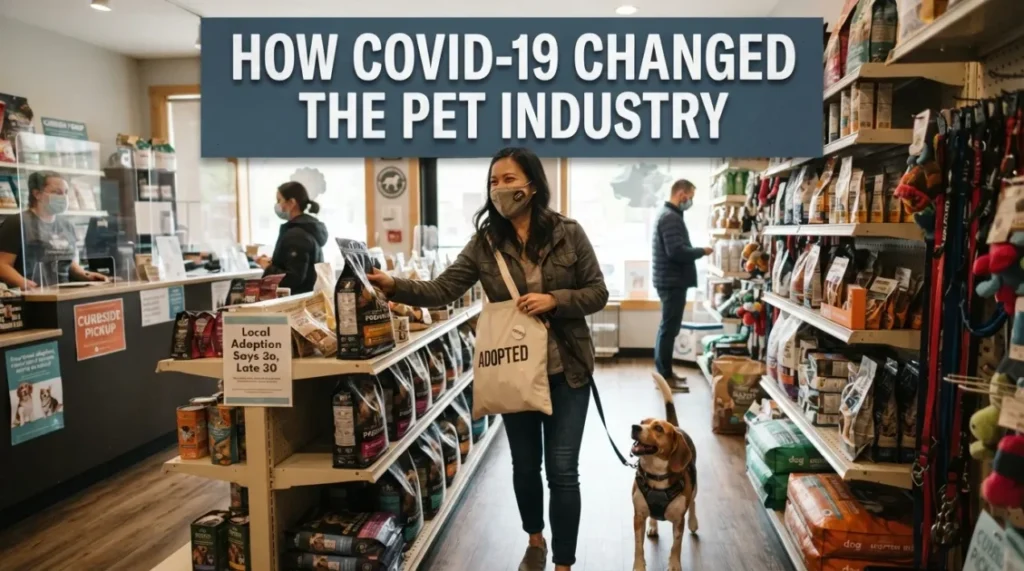
How COVID 19 Changed the Pet Industry
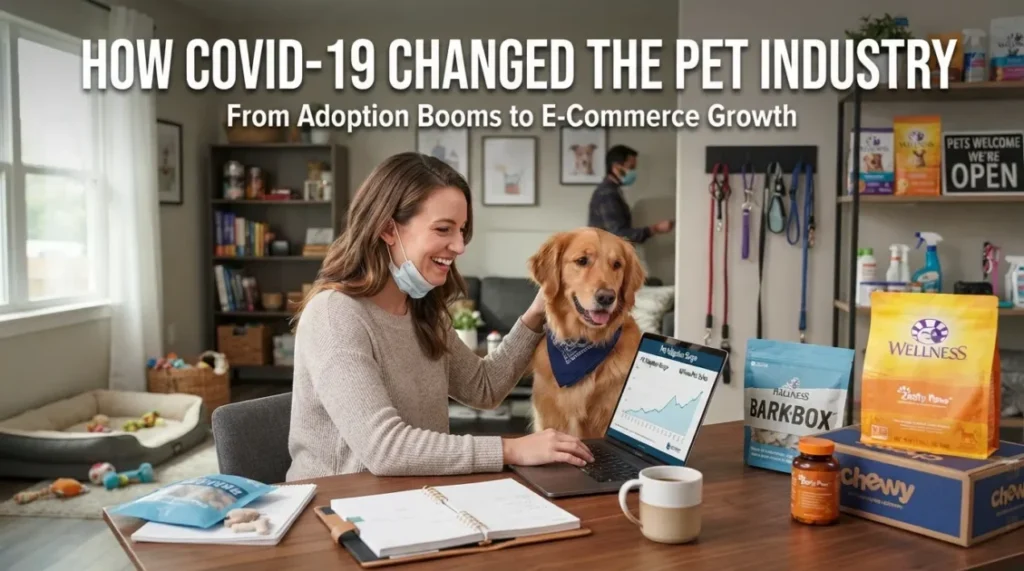
When lockdowns began in early 2020, millions of Americans began working remotely. Isolation, uncertainty, and increased time at home led to a surge in pet adoption and purchasing. According to the American Society for the Prevention of Cruelty to Animals (ASPCA), millions of households acquired new pets during the height of the pandemic.
This surge created both opportunities and challenges. While many animals found loving homes, the rapid increase in demand also exposed gaps in regulation and ethical breeding standards. How COVID-19 Changed Why More Pet Owners Are Going Vegan for Their Pets.
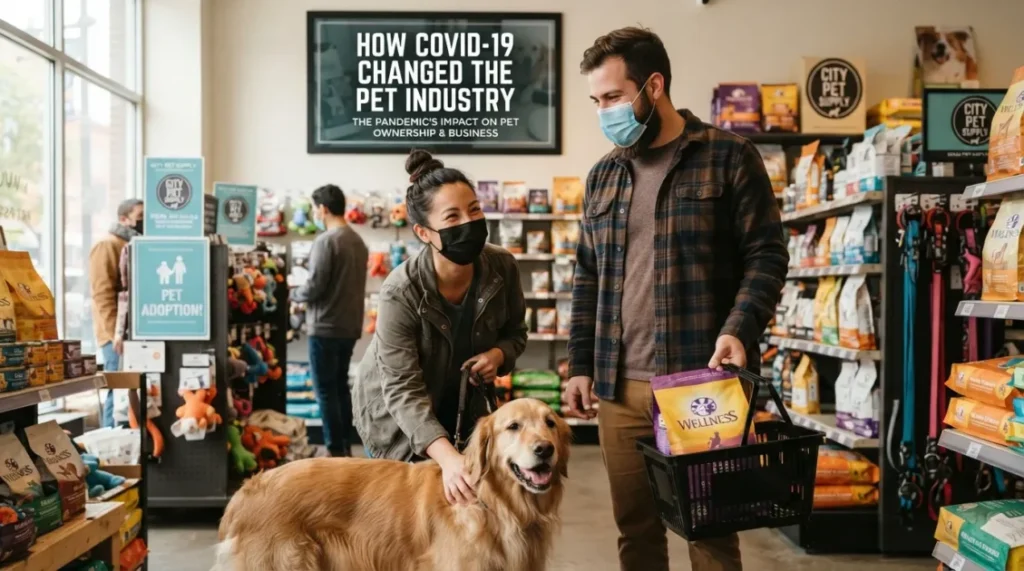
Increased Demand and the Rise of Backyard Breeding
As demand for pets rose, some unregulated breeders and “backyard breeders” entered the market to capitalize on the opportunity. These breeders often prioritized profit over animal health, leading to concerns about genetic disorders, poor socialization, and inadequate veterinary care.
The pandemic highlighted the need for better consumer education. Many first-time pet owners were unaware of the differences between ethical breeders, puppy mills, and backyard operations. This knowledge gap fueled a growing conversation about breeding standards in the U.S.

Greater Awareness of Animal Welfare
COVID-19 not only increased pet ownership but also deepened emotional bonds between Americans and their animals. Pets became companions during isolation, helping families cope with stress and uncertainty.
Groups such as the The Humane Society of the United States continued to advocate for stronger regulations on commercial breeding facilities. Consumers became more interested in knowing where their pets came from and how they were raised.
The Future of Pet Breeding in America
As we look ahead, the future of pet breeding in the United States is increasingly centered around ethics, transparency, and health.
What Is Ethical Breeding?
Ethical breeding refers to responsible breeding practices that prioritize the health, temperament, and well-being of animals over profit. Ethical breeders typically conduct genetic testing, provide proper veterinary care, and ensure puppies or kittens are raised in safe, clean environments.
They also screen potential buyers carefully, ensuring that animals are placed in homes that meet their needs. Contracts, health guarantees, and lifetime breeder support are common components of responsible breeding programs.
In contrast to mass commercial breeding facilities, ethical breeders produce limited litters and focus on long-term breed improvement rather than high-volume sales.
Trend 1: Increased Genetic Testing and Health Screening
Advancements in veterinary science are shaping the future of breeding. Today’s responsible breeders use genetic testing to screen for hereditary diseases. This reduces the risk of passing genetic disorders to future generations.
For example, many dog breeders now test for hip dysplasia, heart conditions, and breed-specific genetic mutations before selecting breeding pairs. This science-based approach helps ensure healthier puppies and lowers long-term veterinary costs for owners.
The growing accessibility of DNA testing kits has made health screening more affordable and standardized, encouraging broader adoption of these practices nationwide.
Trend 2: Transparency Through Digital Platforms
The pandemic accelerated digital communication, and breeders adapted quickly. Ethical breeders increasingly use websites, video calls, and social media to provide transparency about their operations.
Prospective buyers can request virtual tours, see health certifications, and observe living conditions before making decisions. This shift reduces reliance on in-person visits and empowers consumers with better information.
Digital transparency is becoming an expectation rather than an exception in the American pet market.
Trend 3: Emphasis on Temperament and Early Socialization
“Pandemic puppies” revealed the importance of proper early socialization. Dogs raised without exposure to varied environments during lockdown sometimes developed anxiety or behavioral challenges.
Modern ethical breeders are placing greater emphasis on early neurological stimulation, structured socialization, and temperament evaluation. Puppies are exposed to different sounds, surfaces, and controlled human interaction to prepare them for diverse home environments.
This focus on behavior ensures not just physically healthy pets, but emotionally balanced companions.
Trend 4: Smaller, Specialized Breeding Programs
Rather than large-scale operations, many ethical breeders are shifting toward smaller, home-based programs. These programs allow breeders to monitor each animal closely and provide individualized care.
Specialized breeding also focuses on preserving breed standards while minimizing health risks. Responsible breeders often collaborate with veterinarians and breed clubs to maintain genetic diversity and prevent inbreeding.
Organizations such as the United Kennel Club promote structured breeding standards and responsible ownership guidelines.
Trend 5: Adoption and Breeding Balance
The future of pet breeding in the U.S. is not about replacing adoption—it’s about balance. Shelters continue to play a critical role in animal welfare. However, responsible breeding remains important for preserving working dogs, service animals, and specific breed characteristics.
The conversation has shifted from “adopt versus shop” to “adopt or shop responsibly.” This approach encourages ethical sourcing while discouraging exploitative practices.
Long-Term Impact of COVID-19 on Breeding Practices
The pandemic accelerated trends that were already emerging. Greater emphasis on health, transparency, and welfare now defines the American pet breeding landscape.
While demand spikes exposed weaknesses in regulation, they also sparked important conversations about standards and accountability. Many ethical breeders used the opportunity to educate buyers and elevate best practices.
The result is an industry increasingly shaped by science, compassion, and consumer awareness.
Final Thoughts
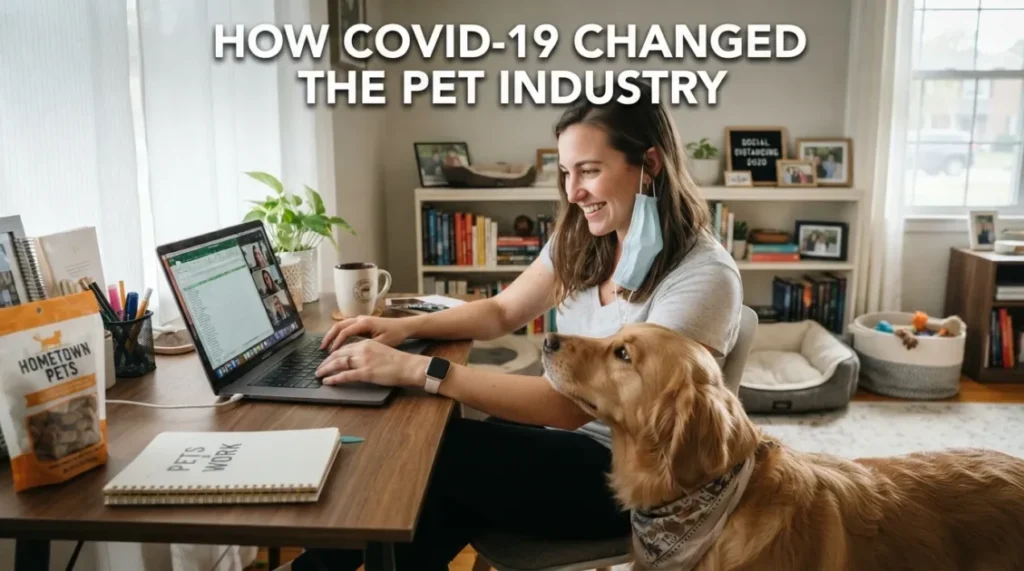
How COVID 19 Changed the Pet Industry in the United States in lasting ways. Record adoption rates, remote work, and increased emotional reliance on pets reshaped how Americans view animal companionship. At the same time, rising demand highlighted the importance of ethical breeding practices.
As we move forward, ethical breeding will play a crucial role in ensuring that pets are not only beloved family members but also healthy, well-adjusted companions for generations to come.