
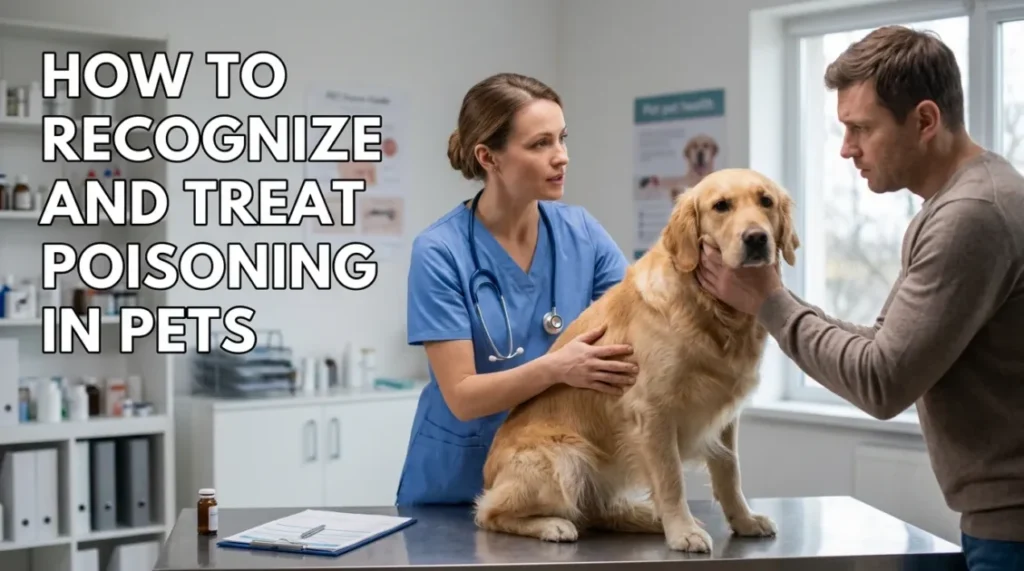

As pet owners, we are responsible for the well-being of our animals, ensuring they are safe from harm and healthy. However, pets, especially curious ones, may ingest substances that are harmful or toxic to them. Poisoning is a serious concern for pet owners, and recognizing the signs early, along with knowing how to treat poisoning, can make a critical difference in saving your pet’s life.
This blog post will guide you through how to recognize and treat poisoning in pets, along with practical steps to prevent poisoning incidents from happening in the first place.
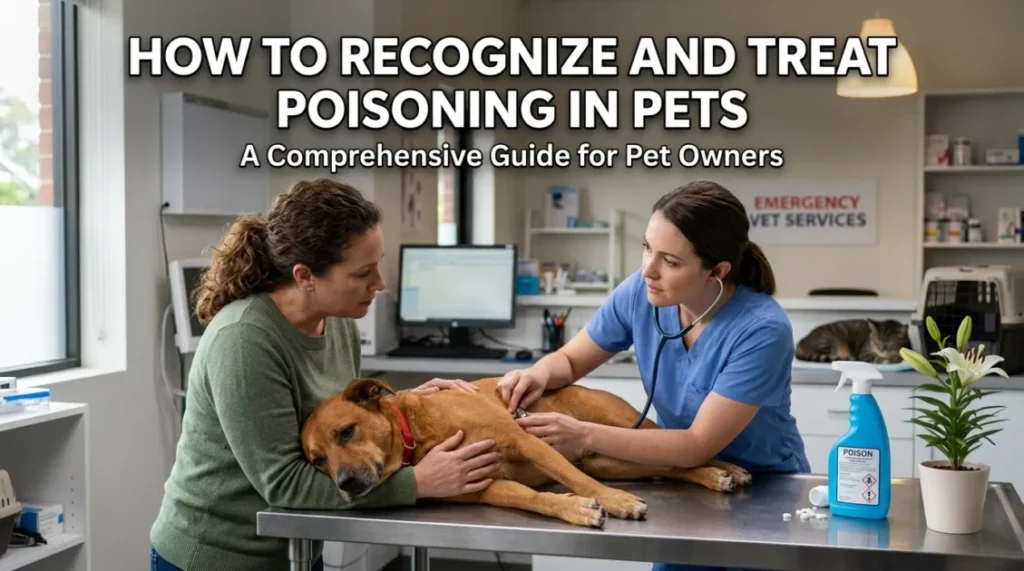
How to Recognize and Treat Poisoning in Pets
Check the post below on How to Recognize and Treat Poisoning in Pets.
Understanding Poisoning in Pets
Poisoning occurs when a pet ingests, inhales, or absorbs a toxic substance into their body. Poisons can be natural or man-made, and they may come from foods, plants, household products, or chemicals. Common toxins that can cause poisoning in pets include:
- Household cleaning products (bleach, disinfectants, detergents)
- Medications (human prescription drugs, over-the-counter medications)
- Foods (chocolate, grapes, raisins, onions, garlic)
- Toxic plants (lilies, azaleas, poinsettias, oleander)
- Pesticides and rodenticides (rat poison, insect sprays)
- Chemicals (antifreeze, pesticides, automotive fluids)
Recognizing the signs of poisoning quickly and seeking immediate treatment can significantly improve the chances of your pet’s recovery.
Recognizing the Signs of Poisoning
The symptoms of poisoning in pets can vary depending on the type of toxin, the amount ingested, and the size of your pet. However, there are general symptoms that can indicate poisoning. Be alert for these signs:
1. Gastrointestinal Issues
- Vomiting: One of the most common signs of poisoning is vomiting. Your pet may vomit shortly after ingesting the toxic substance.
- Diarrhea: Diarrhea may accompany vomiting or occur on its own as a result of ingesting something harmful.
- Drooling or excessive salivation: This could be a sign of nausea or irritation in the mouth or throat.

2. Behavioral Changes
- Lethargy: Poisoned pets often become lethargic or overly tired. They may be less responsive than usual and may not want to move or play.
- Seizures or tremors: Certain poisons can cause neurological symptoms, such as seizures, tremors, or even paralysis.
- Unusual vocalizations: Pets may whine, whimper, or exhibit other signs of discomfort if they’ve been poisoned.

3. Respiratory Issues
- Difficulty breathing: Poisoning can affect your pet’s ability to breathe properly. If your pet is gasping for air or breathing heavily, this could be a sign of poisoning.
- Coughing or wheezing: Inhaled toxins or toxins that irritate the throat can cause coughing or wheezing.
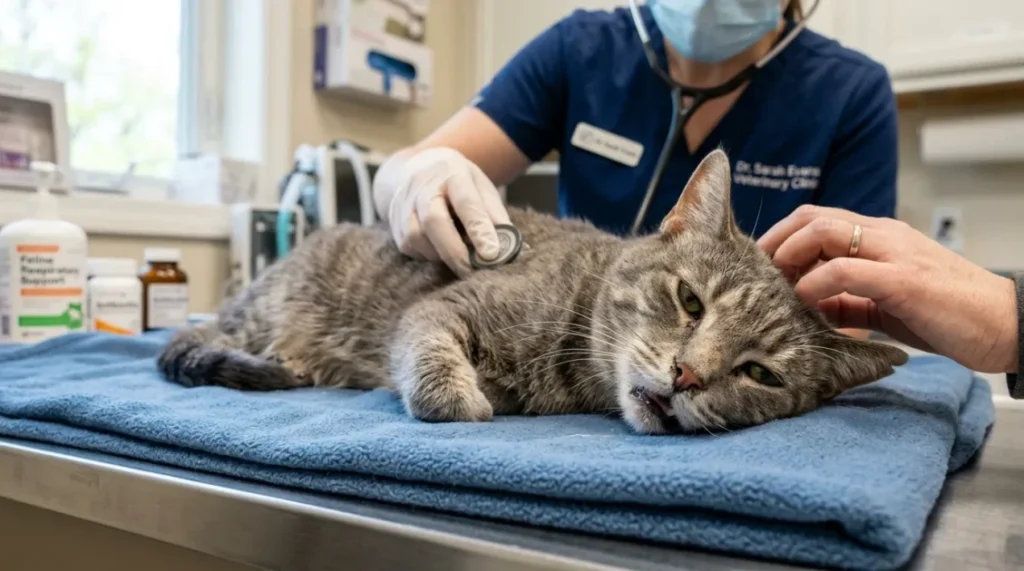
6. Pupillary Changes and Vision Problems
- Dilated or constricted pupils: Some poisons, such as those found in certain plants or medications, can cause changes in pupil size. Dilated or constricted pupils may indicate poisoning.
If your pet is exhibiting any of these signs, it’s essential to take immediate action. Poisoning can progress quickly, so swift treatment is necessary to minimize the risks of severe health effects.

also check out how to build dog friendly garden.
How to Treat Poisoning in Pets
If you believe your pet has ingested a toxic substance, it’s crucial to act quickly. Here are the steps you should take if you suspect poisoning:
Step 1: Call Your Veterinarian
The first and most important step is to contact your veterinarian immediately. If your regular vet is unavailable, call an emergency animal hospital or a pet poison helpline. Time is of the essence when treating poisoning, and a veterinarian can guide you on what steps to take next.

Step 3: Follow the Vet’s Instructions
Your vet may instruct you to induce vomiting, administer activated charcoal, or bring your pet in for immediate treatment. Never try to induce vomiting without your vet’s guidance, as it can cause more harm than good in certain situations.
Step 4: Take Your Pet to the Vet
If your veterinarian advises, take your pet to the clinic immediately for treatment. Depending on the poison, your vet may use various methods such as:
- IV fluids: To flush out the toxins and rehydrate your pet.
- Activated charcoal: To absorb the toxin before it is fully absorbed into your pet’s system.
- Antidotes: For specific poisons, such as rodenticides or antifreeze, there are antidotes available that can reverse the effects of the toxin.
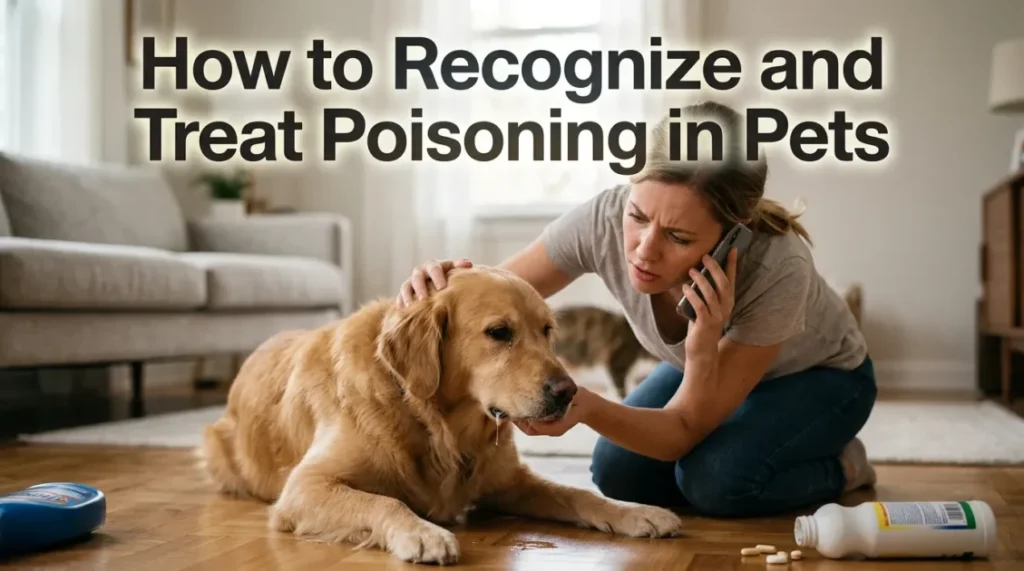
Preventing Poisoning in Pets
While poisoning can happen despite your best efforts, prevention is always the best strategy. Here’s how you can keep your pet safe:
1. Pet-Proof Your Home
- Store all medications, cleaning products, and chemicals in locked cabinets, out of reach of pets.
- Keep foods that are toxic to pets (chocolate, grapes, etc.) out of reach and be careful with food scraps.
- Avoid using harmful pesticides or herbicides around your home and yard.
2. Monitor Your Pet’s Behavior
- Keep a close eye on your pet when they’re outside, especially in areas with potentially dangerous plants or chemicals.
- Be cautious of plants that may be toxic to pets, such as lilies, azaleas, or oleander.
3. Educate Your Family and Visitors
- Make sure that everyone in your household understands the dangers of pet poisoning and how to keep harmful substances away from your pets.
- Remind visitors not to give your pet foods or treats that may be dangerous.
Conclusion
Poisoning is a serious concern for pet owners, but with the right knowledge and prompt action, you can help prevent it or reduce its effects. Recognizing the signs of poisoning early and knowing how to treat it can make a significant difference in the outcome. Be proactive in preventing exposure to toxic substances and always keep a well-stocked pet first-aid kit on hand. If you suspect your pet has ingested something toxic, act quickly and contact your veterinarian. Your pet’s health and safety are worth the effort, and by staying informed, you can keep them safe from harm.