
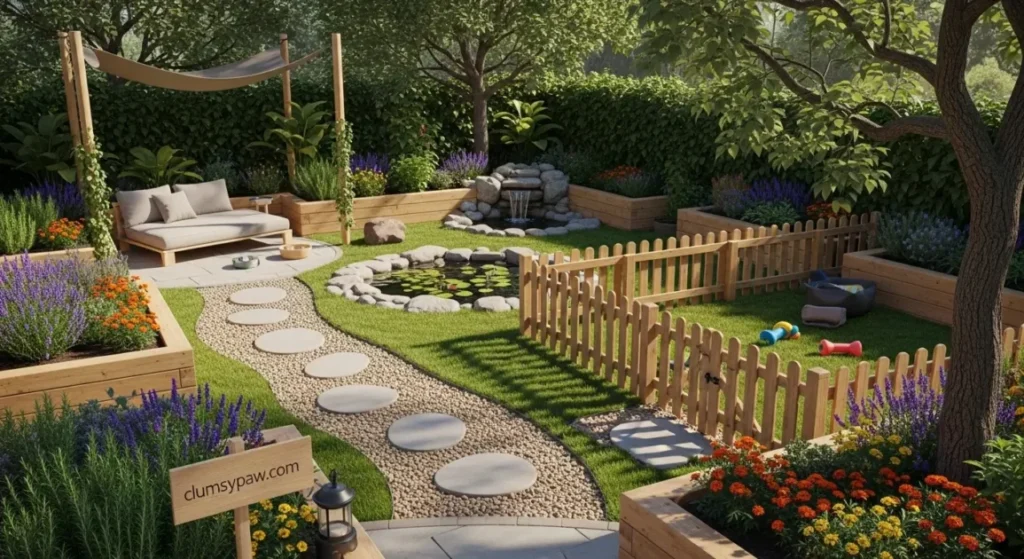

As a pet parent, you want to ensure your dog has the best environment to play, explore, and relax. A well-designed, dog-friendly garden can be the perfect space for your furry friend to enjoy the outdoors while being safe and comfortable. Whether you have a small patio or a spacious backyard, creating a garden that meets both your and your dog’s needs is possible with the right planning. In this article you will learn about How to Build a Dog Friendly Garden
In this blog post, we’ll guide you through the process of building a dog-friendly garden, offering practical tips on design, plant selection, and safety features. A dog-friendly garden isn’t just about aesthetics – it’s about creating a space where your dog can thrive while maintaining a beautiful environment for you and your family.
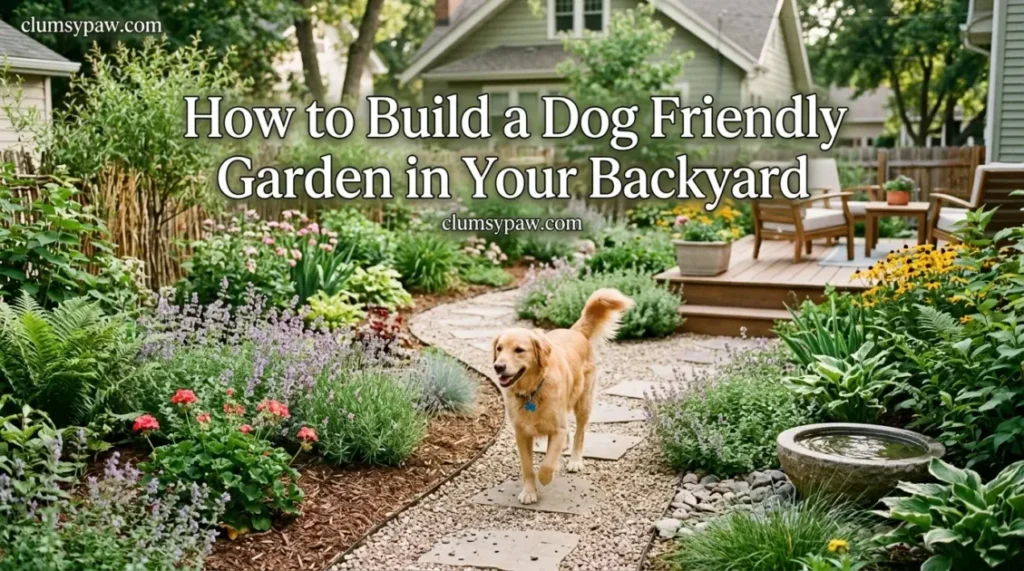
How to Build a Dog Friendly Garden in Your Backyard
Why Create a Dog-Friendly Garden?
Dogs are naturally curious and love exploring their surroundings. A garden that’s tailored to their needs provides a safe and stimulating space for them to play, exercise, and unwind. Here are some key reasons to build a dog-friendly garden:
- Physical and Mental Stimulation: A garden offers a safe area for your dog to run around, chase toys, or simply enjoy the sights and smells. This mental and physical stimulation is essential for their well-being.
- Safety: Dogs can be at risk when exposed to certain plants, chemicals, or environmental hazards. Designing a dog-friendly garden ensures they are safe and comfortable in your outdoor space.
- Bonding Time: Spending time in a garden with your dog can strengthen your bond, allowing for quality moments of play and relaxation.
- Aesthetic Appeal: A well-designed dog-friendly garden doesn’t just cater to your pet’s needs; it can also be visually appealing and complement the overall look of your home.
Planning Your Dog-Friendly Garden
Before diving into planting and building, careful planning is essential. Here’s how to start designing a backyard garden that suits both you and your dog’s needs.
1. Consider Your Dog’s Needs and Preferences
Every dog is different, so it’s essential to take your dog’s personality, breed, and activity level into account when designing your garden. Consider the following:
- Activity Level: Active dogs, such as working breeds or high-energy dogs, will need more space to run and play. If you have a smaller yard, you might want to create a designated play area.
- Behavior: Some dogs love digging, while others prefer lounging in the sun. Understanding these tendencies can help you design a space that accommodates their natural behaviors.
- Age and Mobility: Older dogs or dogs with mobility issues will benefit from a garden with soft, level ground and accessible paths.
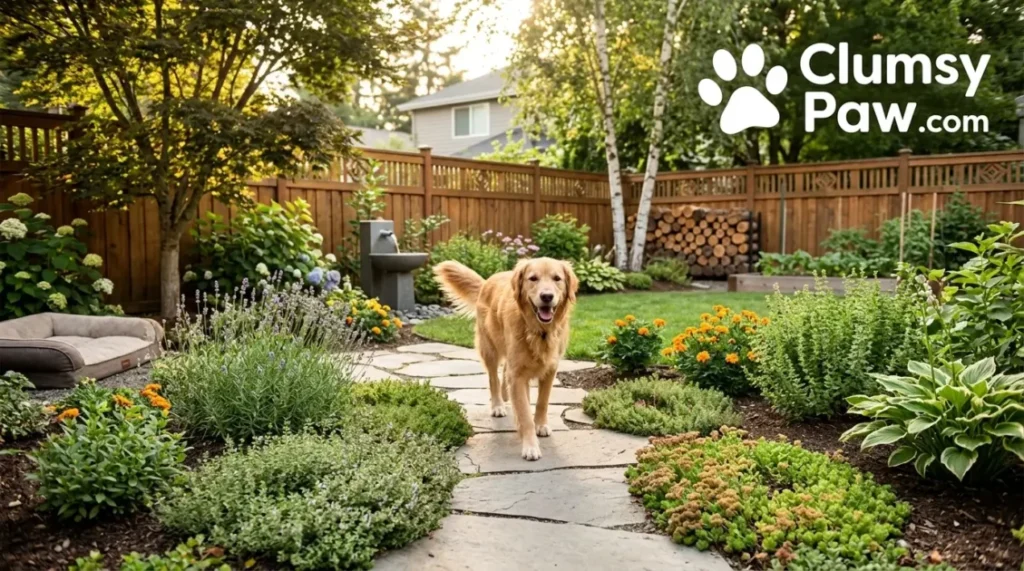
2. Define Dog-Friendly Zones
To keep your garden organized and functional, create specific areas for different activities. Here are some zones to consider:
- Play Area: A dedicated area for play is crucial for energetic dogs. Consider using grass, synthetic turf, or rubber matting for a soft and safe surface.
- Shaded Resting Spots: Dogs need a place to cool off during hot days. Include shade trees, pergolas, or a small canopy to provide relief from the sun.
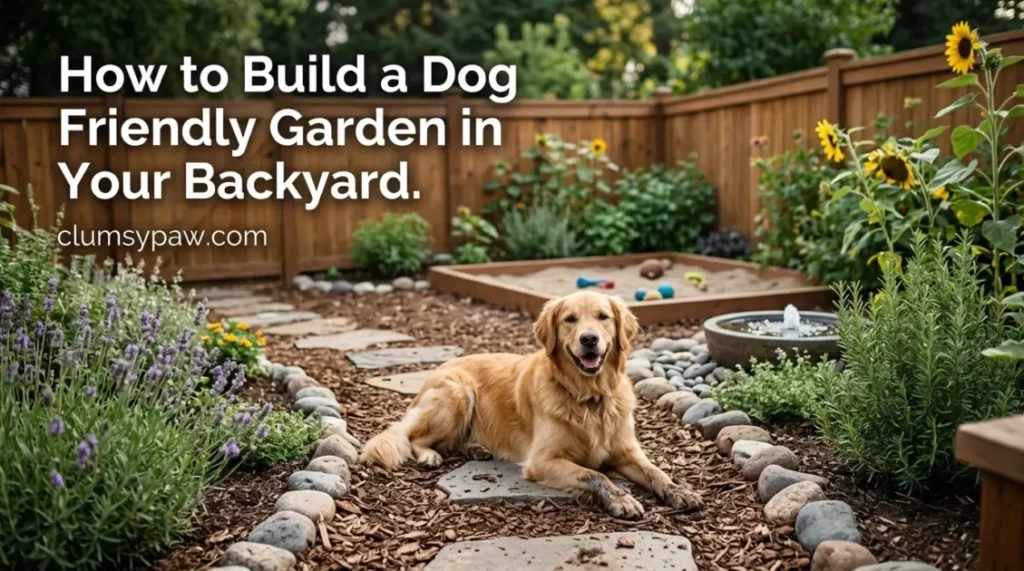
- Digging Area: If your dog loves to dig, create a designated digging zone with loose soil or sand. This can prevent them from digging up your garden beds.
- Potty Area: Consider setting up a potty area with materials like gravel or artificial turf for easy clean-up. This will help you maintain a tidy garden and prevent accidents.
also check the futue of pet adoption.
Dog-Friendly Garden Design Tips
Once you’ve considered your dog’s needs and the space available, it’s time to start the design process. Here are some key elements to include in your dog-friendly garden:
1. Secure Your Garden with Fencing
A well-secured fence is one of the most important features of a dog-friendly garden. It ensures that your dog stays safe within the garden and prevents them from running off into the street or neighboring yards.
- Height: The fence should be tall enough to prevent jumping. A height of 4 to 6 feet is ideal, depending on your dog’s size and jumping ability.
- Material: Use sturdy materials such as wood, metal, or vinyl. Avoid chain-link fences with gaps that your dog could slip through.
- Underground Barriers: For dogs that dig, consider adding underground barriers or extending the bottom of the fence to prevent them from escaping.
2. Create a Safe and Comfortable Surface
The surface of your garden plays a crucial role in your dog’s comfort and safety. Dogs love running and playing on soft, comfortable surfaces, so choose materials that are dog-friendly.
- Grass: Grass is a natural and comfortable surface for dogs to run and roll around on. However, it can get muddy and may need regular maintenance.
- Artificial Turf: If you want a low-maintenance option, artificial turf is a great alternative. It’s easy to clean, doesn’t get muddy, and provides a soft surface for play.
- Rubber Matting: Rubber flooring is perfect for areas that see a lot of activity. It’s non-slip, durable, and easy to clean, making it ideal for high-traffic play areas.
3. Choose Pet-Safe Plants
One of the most important considerations when creating a dog-friendly garden is the plants you use. Many common garden plants can be toxic to dogs if ingested, so it’s crucial to choose safe options.
- Non-toxic plants: Some safe options include marigolds, sunflowers, pansies, and petunias. These plants are not only safe for dogs but also add color and beauty to your garden.
- Avoid toxic plants: Avoid plants like lilies, azaleas, rhododendrons, and daffodils, as these can be harmful if ingested by dogs. Always double-check plant safety before introducing new plants to your garden.
- Raised Garden Beds: If you have plants that are toxic to pets, consider planting them in raised beds or containers that your dog can’t reach.
4. Add Dog-Friendly Landscaping Features
Your dog’s garden can still be visually appealing while being functional for them. Here are some landscaping features that work well in a dog-friendly garden:
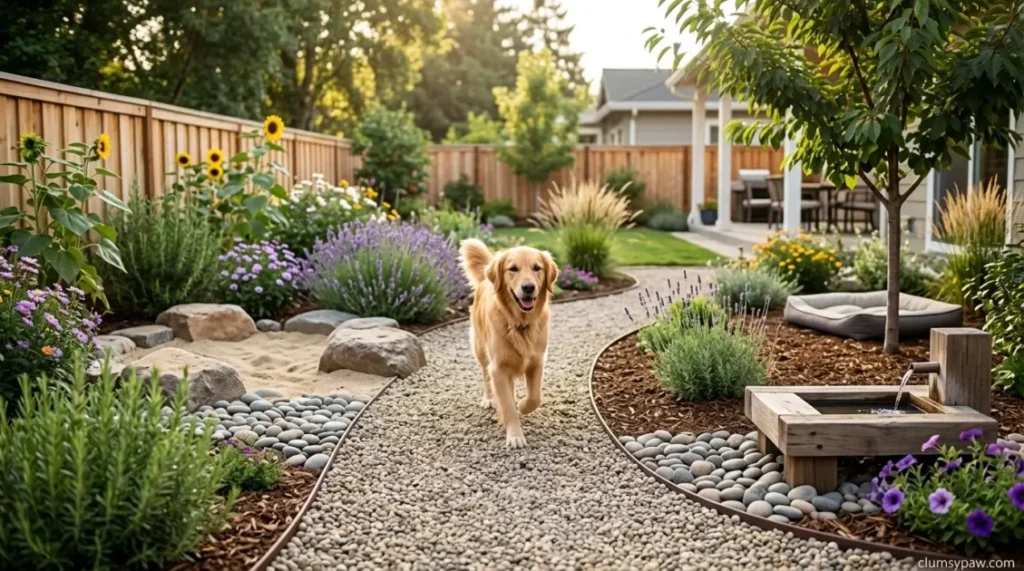
- Dog-Friendly Paths: Create clear, defined paths for your dog to follow. Use materials like gravel, brick, or rubber pavers to create walking paths that won’t get slippery or muddy.
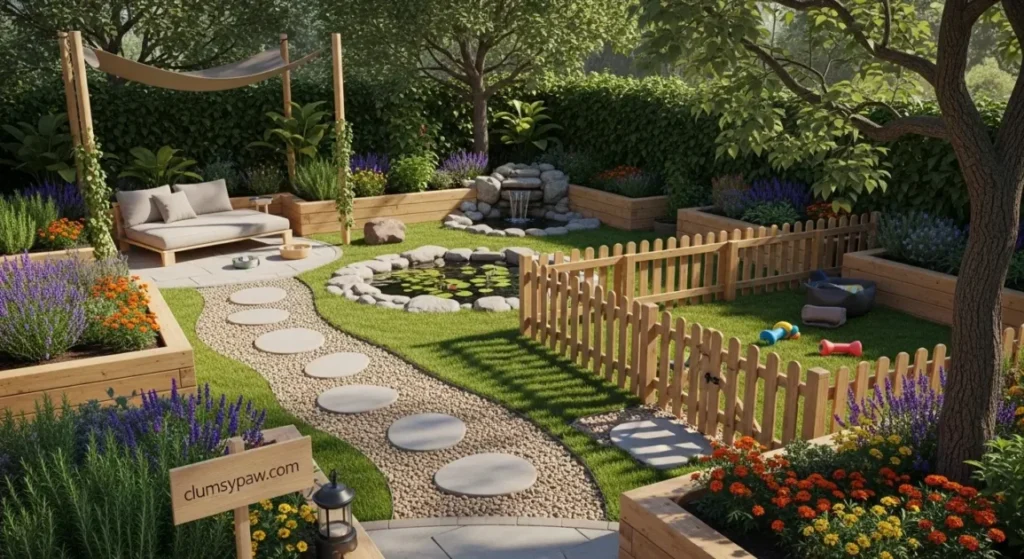
- Water Feature: Dogs love playing with water, so consider adding a small water feature like a dog-friendly pond, fountain, or even a kiddie pool for them to cool off in during hot weather.
- Climbing Structures: If your dog enjoys climbing, consider adding dog-friendly agility equipment such as ramps, tunnels, or small climbing structures for a fun and engaging activity.
- Outdoor Beds: Provide a comfortable resting spot by adding outdoor pet beds, hammocks, or cushions. These will give your dog a relaxing place to rest after a busy day of play.
5. Incorporate Sensory Stimuli
Dogs have an incredible sense of smell and love to explore their surroundings with their noses. You can engage their senses by adding sensory elements to your garden:
- Scented plants: Incorporate herbs like lavender, rosemary, and mint that are safe for dogs and have pleasant smells that will captivate your dog’s senses.
- Interactive toys: Hide toys or treats in various spots around the garden to encourage your dog to explore and engage with their environment.
- Varied textures: Different textures like smooth rocks, soft grass, and rough bark provide your dog with a variety of surfaces to explore.
6. Create Shade and Shelter
Dogs, especially those with thick coats, can easily overheat when exposed to direct sunlight for too long. Providing shaded areas in your garden is essential to keep them cool during hot weather.
- Shade trees: Plant shade trees like oak or maple to provide natural cover for your dog.
- Pergolas and Canopies: Consider adding a pergola or canopy to provide shade over your dog’s favorite resting area.
- Dog House: A cozy dog house or shelter will give your dog a place to escape from the sun or rain. Make sure it’s properly ventilated and insulated for comfort.
Maintaining Your Dog-Friendly Garden
Once your dog-friendly garden is set up, it’s important to maintain it properly to keep it safe and enjoyable for both you and your pet.
1. Regular Cleaning
Cleaning your garden regularly helps prevent any health risks for your dog. This includes:
- Picking up waste: Clean up dog waste regularly to prevent bacteria buildup and maintain a clean environment.
- Removing toxic debris: Remove any fallen leaves or plants that may be toxic to your dog.
- Cleaning water features: Keep your dog’s water sources clean and free of debris to prevent contamination.
2. Plant Maintenance
Maintain your plants and garden beds to ensure they remain safe and appealing for your dog.
- Prune regularly: Trim any overgrown plants or bushes to prevent your dog from coming into contact with harmful substances.
- Replace toxic plants: If you suspect a plant may be harmful to your pet, replace it with a pet-safe alternative.
3. Check for Hazards
Regularly inspect your garden for any potential hazards that could harm your dog. This includes:
- Sharp objects: Remove any sharp rocks, sticks, or other objects that could injure your pet.
- Fence integrity: Check the fence for any gaps or damage to ensure your dog can’t escape or get injured.
- Pests: Ensure that the garden remains free of pests like ticks or fleas that could cause discomfort or health issues for your dog.
Conclusion
Building a dog-friendly garden in your backyard is a rewarding project that can provide your dog with a safe, fun, and stimulating environment to enjoy. By carefully considering your dog’s needs, selecting pet-safe plants, and creating a secure and functional space, you can design a garden that meets both your and your dog’s desires. Whether you’re creating a space for play, rest, or exploration, a dog-friendly garden is the perfect way to enrich your pet’s life and create a beautiful, enjoyable outdoor space for the whole family.
Take the time to plan your garden thoughtfully, and your dog will thank you with wagging tails and endless hours of enjoyment.