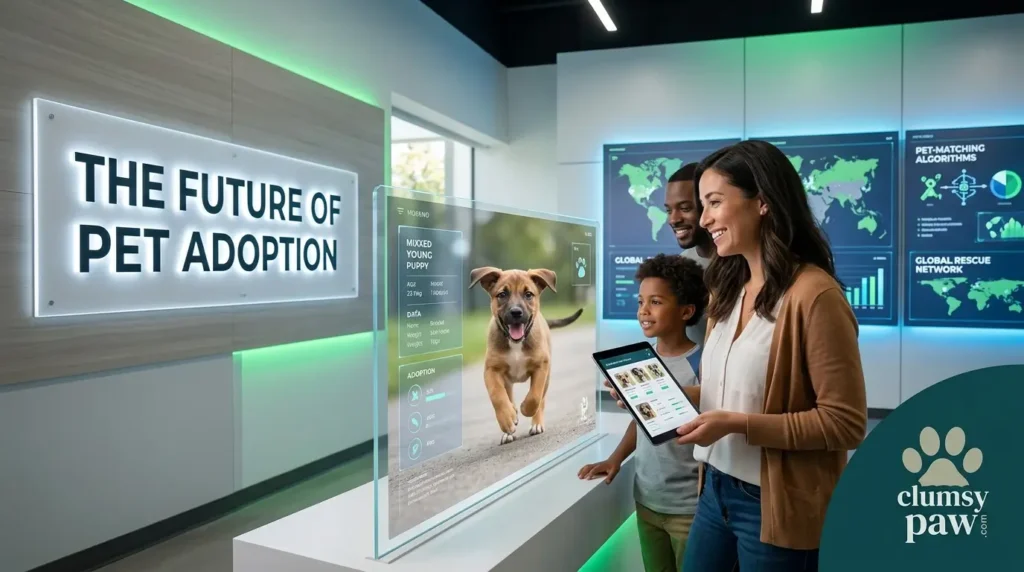

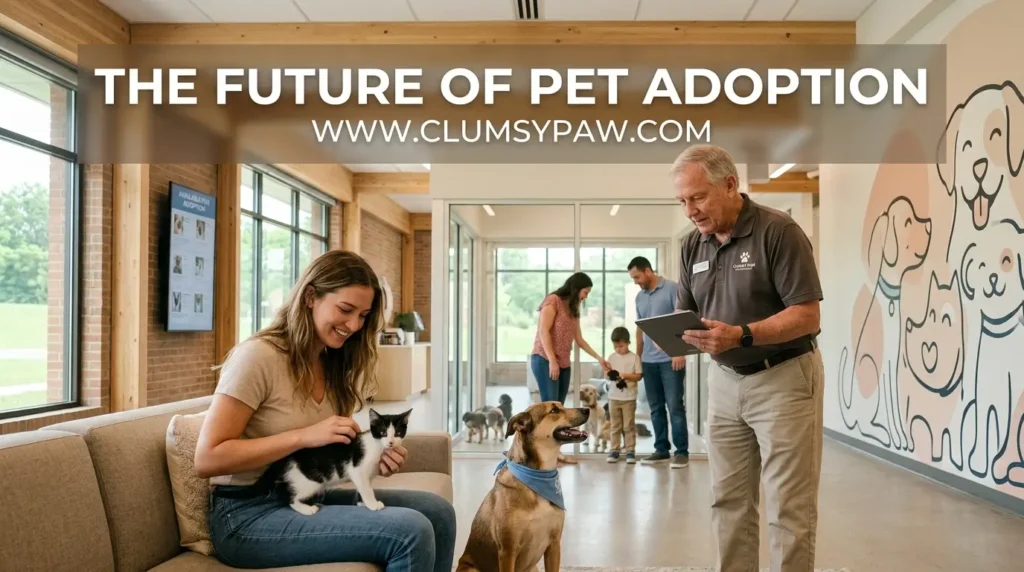
Pet adoption has seen a massive transformation in recent years. As the relationship between humans and animals grows stronger, pet adoption practices have evolved with advancements in technology, changes in societal attitudes, and new challenges and opportunities. As we move into the future, it’s essential to understand the trends that are shaping the world of pet adoption, especially if you are considering adopting a pet yourself.
This blog post will explore the emerging trends in the future of pet adoption and how they can benefit both pet owners and the pets they adopt. Whether you are a first-time adopter, a seasoned pet parent, or someone looking to work in the pet adoption space, understanding these trends will help you stay informed and make better decisions.
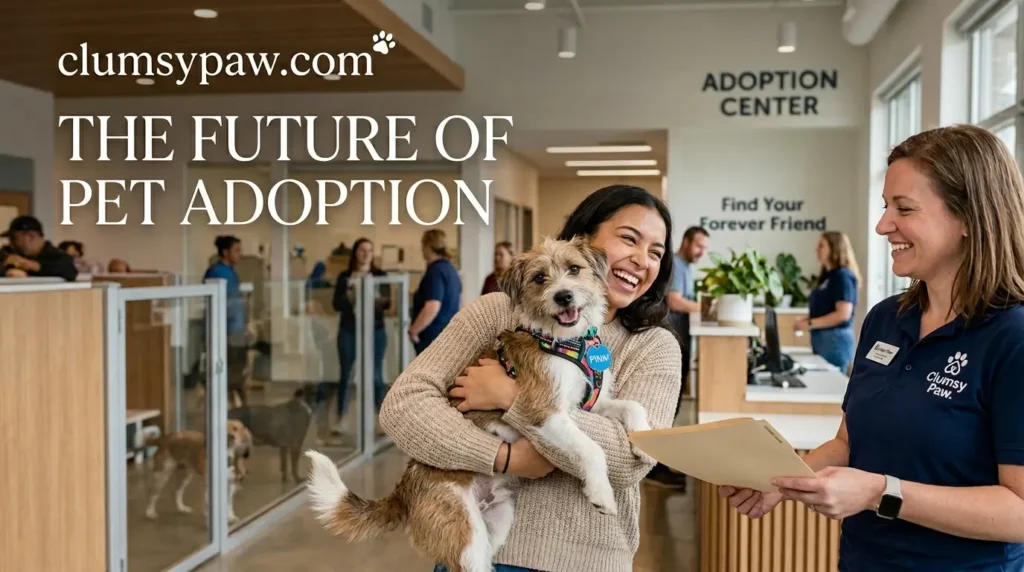
The Future of Pet Adoption
1. Increased Use of Technology in Pet Adoption
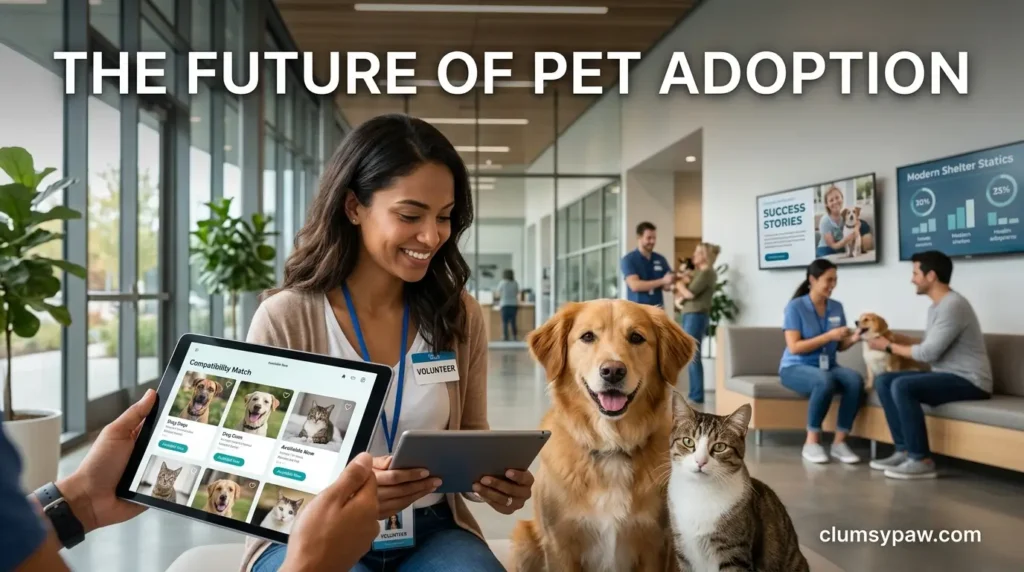
Technology has revolutionized nearly every aspect of our lives, and pet adoption is no exception. Digital platforms and apps are making it easier than ever to adopt a pet, ensuring a more efficient and seamless process for both pet seekers and animal shelters.
A. Online Adoption Platforms and Apps
Adopting a pet used to mean visiting local shelters in person, which could take time and effort. Now, online platforms allow potential pet owners to browse available pets, view detailed profiles, and communicate with adoption agencies from the comfort of their homes.
These platforms often feature:
- Detailed pet profiles: Pet profiles often include photos, descriptions, personality traits, medical history, and behavioral information, which allows adopters to make well-informed decisions.
- Video calls: Some adoption agencies now offer video calls, allowing potential adopters to interact with the pet and meet their personalities before making a decision.
- Application processes: Online adoption applications make it easy for individuals to submit paperwork and get pre-approved, streamlining the entire process.

B. Virtual Pet Fostering
Fostering has always been a crucial part of pet adoption, and virtual fostering is becoming increasingly popular. Virtual fostering programs allow individuals to support pets remotely by providing financial assistance for medical care, food, and other necessities. This trend allows more people to contribute to pet adoption efforts, even if they are unable to physically foster a pet.

C. AI and Matching Algorithms
Many adoption platforms now utilize AI and machine learning to match pets with the right adopters. These algorithms take into account factors such as pet personality, adopter lifestyle, living conditions, and experience to recommend the most suitable pets.
The benefits of AI and matching algorithms include:
- Personalized matches: The technology helps find the perfect match for both the pet and the potential adopter, ensuring a better long-term fit.
- Increased success rates: By making better matches, pets are more likely to be adopted by people who can meet their needs, reducing the number of returns or re-homing.
2. Focus on Breed-Specific and Senior Pet Adoptions
While the trend of adopting puppies and kittens is still prevalent, there has been a growing focus on senior pets and specific breeds. This shift comes from a realization that older pets and certain breeds often face longer waiting periods for adoption, despite being wonderful companions.
Also check Top 5 Pet Products
A. Adopting Senior Pets
Senior pets have a special place in the hearts of many adopters. These pets often have a calm demeanor, are less demanding in terms of exercise, and are fully trained. The benefits of adopting senior pets include:
- Less training required: Many senior pets are already house-trained and may have basic obedience skills.
- A rewarding experience: Giving an older pet a second chance at life can be an incredibly fulfilling experience for adopters.
B. Breed-Specific Adoption and Rescue Organizations
Breed-specific adoption groups and rescues are gaining popularity as more people are seeking specific breeds, often because of their personalities, sizes, or unique traits. These organizations focus solely on rescuing and adopting out pets from a particular breed, and they are becoming a vital part of the adoption landscape.
This trend is helping:
- Breed awareness: These organizations raise awareness about certain breeds and the challenges they face.
- Breed protection: By focusing on a particular breed, these groups can ensure that pets are placed with families that understand their specific needs.
3. Focus on Pet Wellness and Health Before Adoption
The welfare of pets is at the forefront of adoption agencies’ minds, and many organizations now focus on pre-adoption health checks, wellness programs, and behavioral assessments.
A. Medical Care and Health Assessments
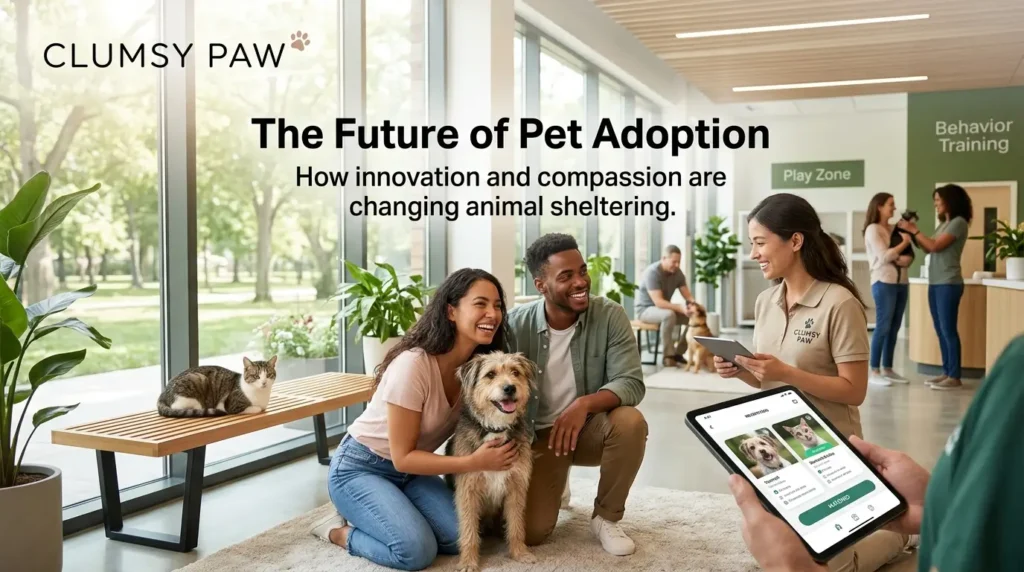
In the future, potential pet adopters will see more emphasis on health screening before adoption. Shelters and rescue groups will likely continue to invest in veterinary care and assessments, including vaccinations, spaying/neutering, microchipping, and other essential health treatments. This ensures that pets are healthy and ready for their new homes, minimizing any potential health problems for adopters.
- Health history: Pets available for adoption will come with detailed health histories and treatment plans.
- Post-adoption health support: Some shelters may offer post-adoption medical support or guidance to ensure that adopted pets remain healthy.
B. Behavioral and Temperament Screening
Behavioral assessments are crucial when matching pets with potential adopters. Shelters are increasingly using professional trainers and behaviorists to assess animals’ temperaments and identify any behavioral challenges that may need to be addressed before the pet goes to a new home.
4. Pet Adoption as a Social Responsibility
More people are viewing pet adoption not just as an option, but as a moral responsibility. The rising awareness of pet overpopulation, puppy mills, and animal cruelty has contributed to the rise of adoption as the preferred method for acquiring pets.
A. Supporting Local Shelters and Rescues
Many pet owners are now prioritizing local animal shelters and rescue organizations over pet stores or breeders. This trend not only supports the local community but also ensures that more animals are saved from overcrowded shelters and unsafe conditions.
- Donations and volunteering: Adoption-minded individuals are more likely to support shelters by donating, volunteering, or fostering animals in need.
- Adoption events and campaigns: Shelters are using community events, social media campaigns, and adoption drives to raise awareness and encourage adoption.
B. Ethical Pet Adoption
As society becomes more concerned with animal welfare, ethical pet adoption has become a focus. Adopters are now more likely to research the background of the pet they’re adopting and consider the ethical implications of breeding practices. This includes:
- Supporting responsible breeders: When people do choose to purchase a pet, they are more likely to choose breeders who are transparent and ethical in their practices.
- Avoiding puppy mills: The growing awareness of puppy mills and unethical breeding practices has led to a shift toward responsible adoption over buying pets from questionable sources.
5. Globalization of Pet Adoption
Pet adoption is no longer limited to specific regions or countries. With the rise of global awareness and improved communication technologies, there has been a push for international pet adoption, allowing people to adopt pets from different countries.
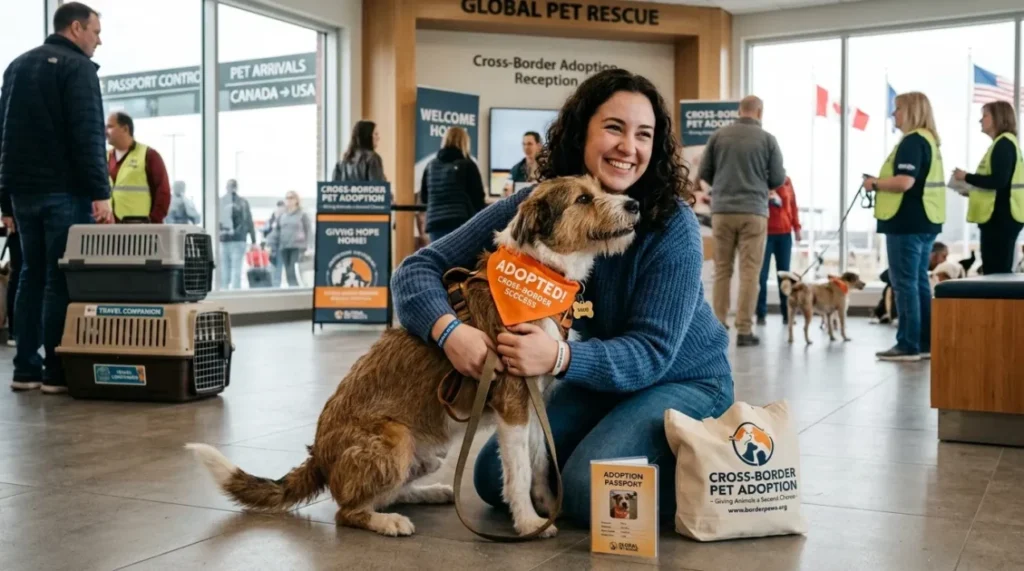
A. Cross-Border Pet Adoption
Many animals face bleak futures in overcrowded shelters around the world, especially in countries with higher rates of stray populations. Cross-border pet adoption is giving animals a chance at a better life.
- International adoption networks: More adoption agencies are developing global networks, allowing people to adopt pets from different countries. This can help reduce the strain on shelters in high-density areas.
- Transporting pets safely: Modern logistics and improved pet travel options have made it easier to safely transport pets internationally.
B. Awareness Campaigns on Global Pet Overpopulation
As global pet overpopulation continues to be a problem, awareness campaigns are beginning to focus on educating people worldwide about the importance of adoption. These campaigns are targeting high-strain areas where the number of stray pets is overwhelming.
6. Adoption Through Social Media and Crowdfunding
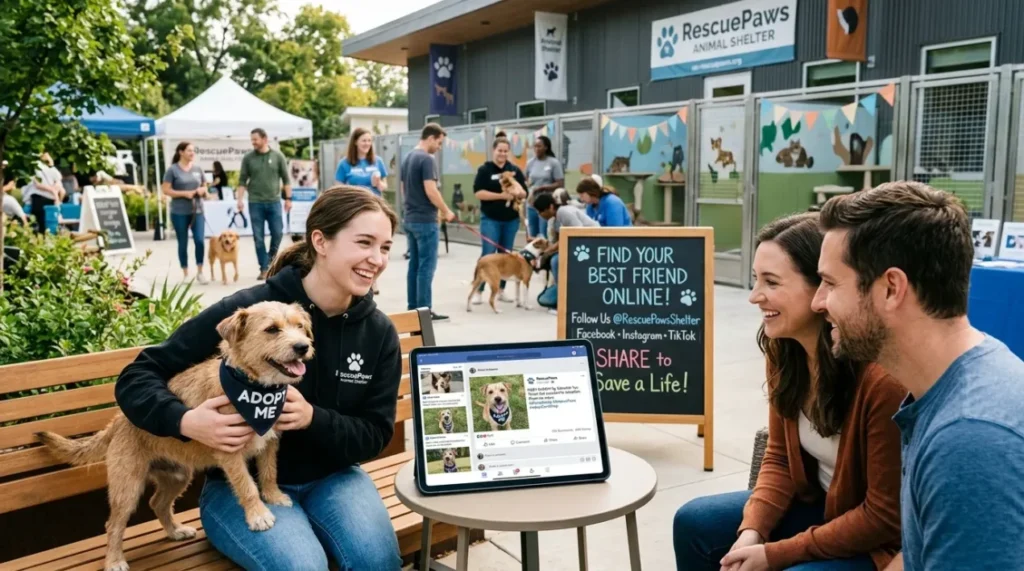
Social media has become an essential tool in the pet adoption world. It’s helping to connect pets with their new families, raise funds for shelter operations, and spread awareness about adoption.
A. Social Media Platforms for Adoption
Animal shelters are using platforms like Facebook, Instagram, and TikTok to post pictures, videos, and updates about pets up for adoption. These platforms allow potential adopters to see the personalities of pets, interact with shelters, and find their perfect match.
- Adoption stories: Many adopters share their own experiences and success stories on social media, encouraging others to consider adoption.
- Live-streamed events: Some shelters now host live adoption events on platforms like Facebook or Instagram, where people can virtually meet the pets available for adoption and ask questions in real-time.
B. Crowdfunding for Pets in Need
Crowdfunding platforms like GoFundMe are now being used to raise money for pets in need of medical care or for special adoption efforts. This trend is helping ensure that pets receive necessary treatments and are adopted into loving homes.
- Raising funds for medical care: Many pets available for adoption have medical needs, and crowdfunding campaigns are helping shelters raise funds to treat those pets.
- Supporting adoption programs: Some organizations are using crowdfunding to support their adoption programs, making pet adoption more accessible to everyone.
Conclusion
The future of pet adoption is exciting, with numerous trends making the process more efficient, ethical, and accessible. As technology continues to play a significant role in connecting adopters with pets, the adoption process will only become more streamlined, personalized, and inclusive. Whether it’s through online platforms, AI-based matching systems, or global adoption networks, the future holds endless possibilities for finding the perfect pet
Whether you’re looking to adopt a pet or work in the pet adoption space, the future is filled with opportunities to make a real difference in the lives of pets in need.