
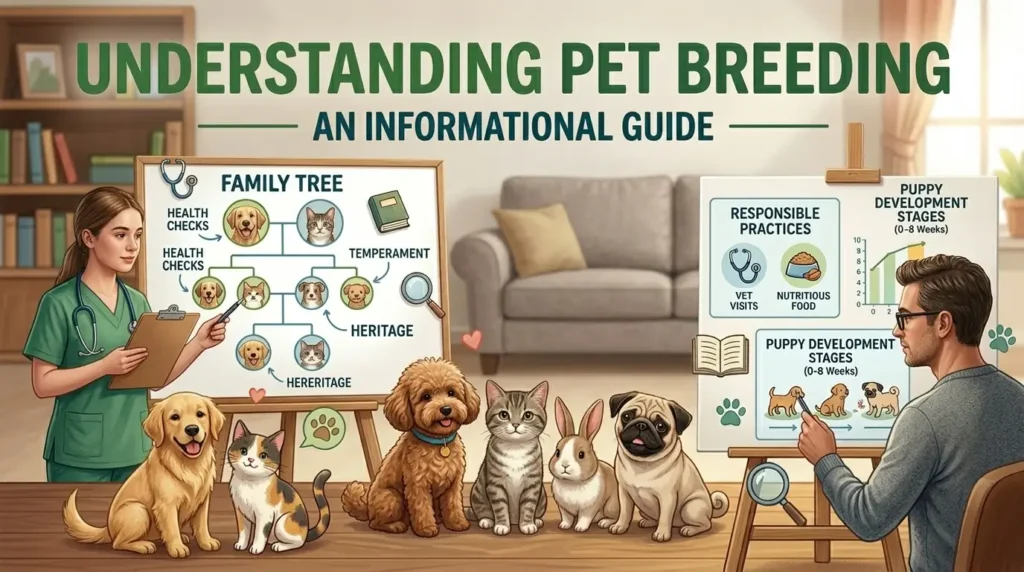

Understanding Pet Breeding is important as pet breeding is a sensitive and responsible practice that requires a significant amount of knowledge, care, and planning. Whether you’re interested in breeding your pet for personal reasons or to offer healthy, well-cared-for puppies or kittens to others, understanding the basics of pet breeding is essential. This guide will provide first-time breeders with essential information, ensuring they approach pet breeding with responsibility and care.
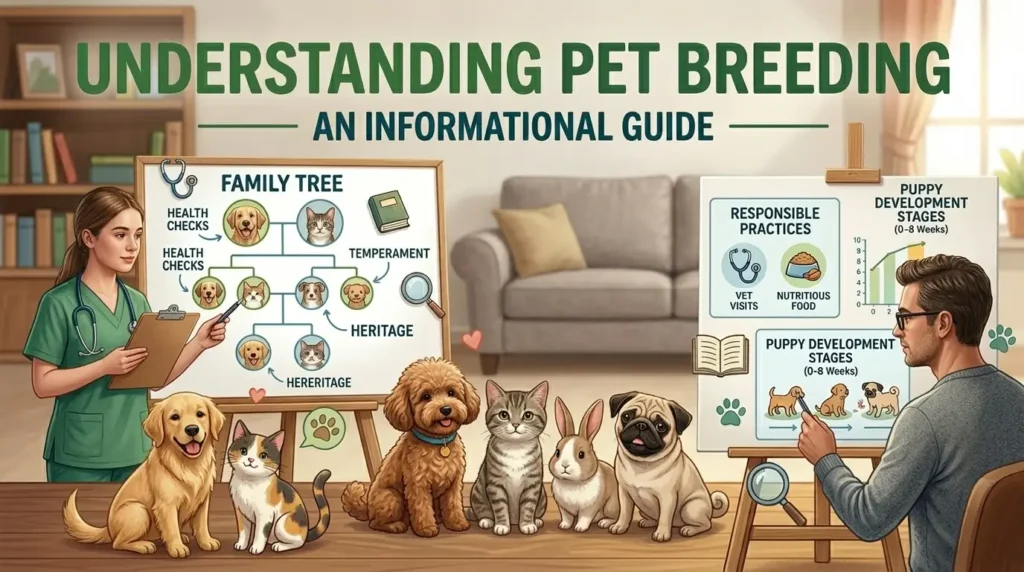
Understanding Pet Breeding?
Pet breeding is the intentional mating of two animals with the goal of producing offspring. Breeding pets isn’t just about finding a mate for your pet; it involves careful selection of genetics, health, temperament, and environment. A responsible breeder ensures that both the parents and their offspring are healthy, well-socialized, and placed in homes that are ready to provide them with the best care.
While breeding pets can be rewarding, it is also a serious commitment. It involves a lot of responsibility and can sometimes be overwhelming. It’s essential for first-time breeders to thoroughly educate themselves on the process before getting started. how to keep up with pet trends.
Why Should You Breed Your Pet?
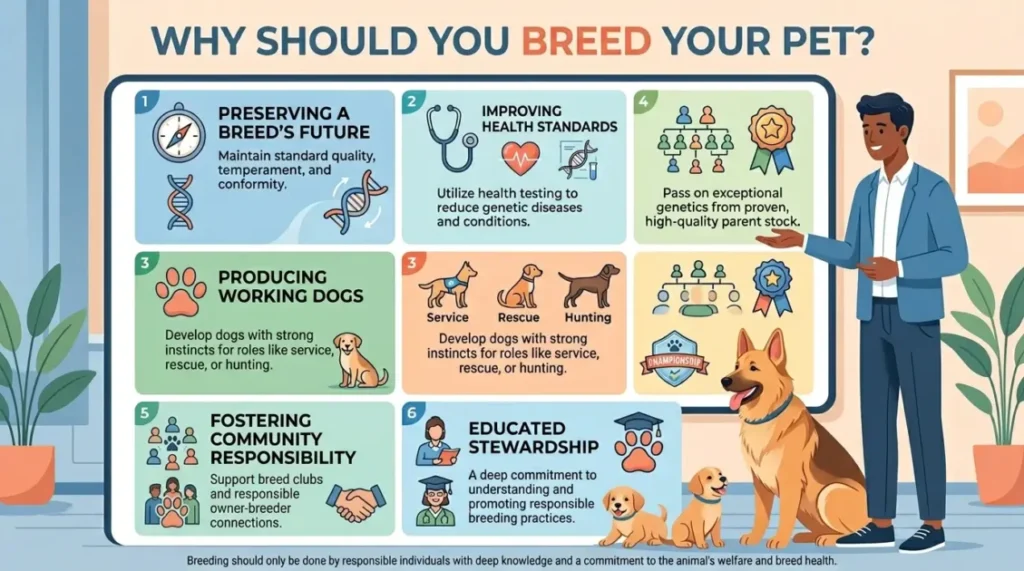
There are several reasons why pet owners may consider breeding their animals. Some of the common motivations include:
- Preserving a breed: Some people breed pets to maintain a specific breed or bloodline, especially when they want to preserve certain characteristics or traits.
- Companionship: Some pet owners may wish to share the joy of raising puppies or kittens and watch them grow into healthy adults.
- Financial reasons: Some people breed pets to sell them for a profit. However, breeding for financial gain requires a deep understanding of the market and the responsibilities that come with it.
While these are valid reasons, it’s crucial to understand the extensive commitment breeding involves. Pet breeding should not be taken lightly and must be done with a genuine focus on the health and well-being of the animals involved.
The Responsibilities of Pet Breeding
Understanding Pet Breeding comes with great responsibility. If done improperly, it can lead to health issues, overpopulation, and even neglect of the animals. A responsible breeder will:
- Carefully select mates: Responsible breeding involves choosing animals with complementary traits that can produce healthy offspring.
- Ensure proper health care: Both the mother and the father should be in good health before breeding, as this affects the health of the offspring.
- Provide proper living conditions: The environment where the animals are kept must be clean, spacious, and safe.
- Socialize the animals: Proper socialization of both the parents and the offspring is crucial to ensure well-adjusted, friendly pets.
- Find responsible homes: The goal is to place the offspring in loving, safe homes where they will thrive. Screening potential buyers is crucial to ensure the well-being of the animals.
If you’re considering breeding your pet, it’s important to be aware of these responsibilities and make sure you’re fully prepared for the challenges involved.
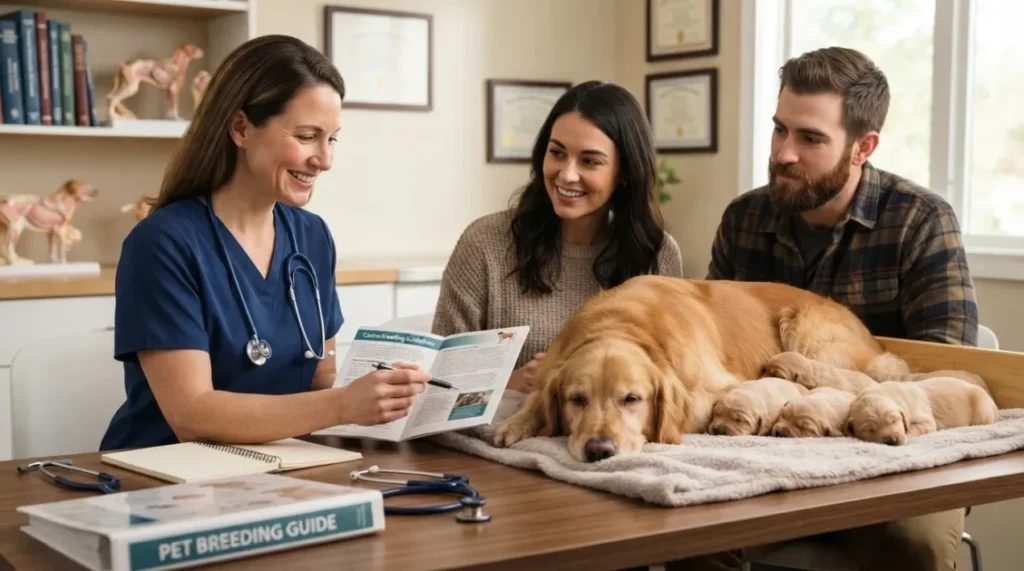
Step-by-Step Guide to Pet Breeding for First-Timers
Now that you understand the basics of pet breeding and the responsibilities involved, here’s a step-by-step guide to help first-time breeders navigate the process.
1. Assess Your Pet’s Health and Compatibility
Before you even think about breeding your pet, it’s essential to assess their overall health. You should start with a thorough veterinary check-up. The veterinarian will ensure that your pet is healthy and free of genetic conditions that could be passed onto their offspring.
- Age: Make sure that your pet is of an appropriate age to breed. Generally, female pets should be at least one to two years old before breeding, while males should be fully developed.
- Health tests: Schedule necessary health tests for both the male and female pet. These tests will help rule out any potential hereditary health issues that could affect the puppies or kittens.
- Vaccinations: Ensure that both pets are up-to-date on their vaccinations, as well as flea, tick, and worm treatments.
It’s also important to consider the temperament and behavior of the animals. Breeding pets with good temperaments will likely result in more well-adjusted offspring.

2. Choose the Right Mate
Choosing the right mate for your pet is one of the most crucial aspects of breeding. The goal is to produce healthy and well-socialized animals, so the mate you select should have the right genetic makeup, health status, and temperament.
- Genetic compatibility: Research the breed standards for your pet and ensure the mate complements their genetic traits. For example, certain breeds have predispositions to specific health problems, such as hip dysplasia or heart issues. It’s important to choose a mate that doesn’t carry these traits or genetic conditions.
- Health and temperament: Both the male and female should be in peak health and have well-balanced temperaments. You want the offspring to be healthy and friendly, and this starts with the parents.
Some pet owners may choose to work with professional breeders or consult breed clubs for advice on the best mates for their pets.
3. Preparing for the Mating Process
When the time comes for the mating to occur, it’s important to make sure both pets are ready. Proper preparation ensures that the mating is successful and safe for both animals.
- Timing: Female pets go into heat, which is the most fertile time for mating. This cycle generally lasts between 7 and 10 days. It’s essential to know when your female pet is in heat, so you can plan the mating accordingly.
- Supervision: Always supervise the mating process to ensure that both animals are safe and comfortable. If this is your pet’s first time mating, it may take time for them to adjust, so patience is key.
4. Pregnancy and Care
After mating, the female pet will become pregnant. The pregnancy period will vary based on the species (e.g., dogs typically carry for 58-68 days). During this time, the female pet will need extra care and attention.
- Vet check-ups: Schedule regular veterinary check-ups to monitor the health of the pregnant female. The vet will check for signs of complications and make sure the pregnancy is progressing smoothly.
- Proper nutrition: Ensure that the female is receiving proper nutrition to support the pregnancy. A high-quality, balanced diet is crucial to the health of both the mother and her puppies or kittens.
- Prepare the whelping area: Create a clean, quiet, and comfortable space for the female to give birth. This area should be free from distractions and should have enough room for her to move around.

5. The Birth Process
When it’s time for the female to give birth, make sure you’re there to assist if needed. Keep in mind that not all births will go as smoothly as expected, and it’s essential to be ready for potential complications.
- Observe the birth: Most pets will be able to give birth on their own, but it’s important to observe the process in case there are any complications. If the mother is struggling or if any of the puppies or kittens seem to be in distress, contact your veterinarian immediately.
- Assist if necessary: In some cases, the mother may need assistance during the birth. If a puppy or kitten is stuck, you may need to help pull them out carefully, but only if you’re confident in doing so. It’s always best to have a vet on standby in case assistance is needed.
6. Post-Birth Care
Once the babies are born, the focus shifts to their care. Ensuring that both the mother and the babies are healthy and well-cared-for is essential.
- Monitoring the mother: Make sure the mother is nursing her babies regularly and is in good health. She may be tired after the birth, so it’s essential to offer her a quiet place to rest and recuperate.
- Check the newborns: Inspect the puppies or kittens to ensure they are healthy and active. They should be nursing and gaining weight. If any of the babies appear weak or sickly, consult a veterinarian immediately.
- Socialization: As the puppies or kittens grow, socialization is critical. Begin gently handling them to expose them to human interaction. This helps ensure they become well-adjusted, friendly pets.
7. Finding Responsible Homes
Once the puppies or kittens are old enough (usually around 8 weeks of age), it’s time to start finding them responsible homes. The goal is to place them with people who will provide a loving, safe, and well-maintained environment.
- Screen potential buyers: Ask potential adopters about their experience with pets, their living situation, and how they plan to care for the new pet. It’s essential to ensure that the new owners understand the responsibilities involved in raising a pet.
- Follow-up: It’s a good idea to check in on the pets after they’ve been adopted. This can help ensure that they’re being cared for properly and give you peace of mind.
Legal and Ethical Considerations
Pet breeding comes with several legal and ethical considerations. It’s important to be aware of any regulations in your area regarding pet breeding. Many places require breeders to have permits, register litters, and provide certain documentation to buyers. Be sure to check local laws and regulations before you begin breeding your pet.
Additionally, consider the ethical aspects of pet breeding. Avoid breeding animals with known health issues or temperament problems. Aim to breed responsibly to contribute positively to the pet population, and always consider the long-term impact of your breeding decisions.
Conclusion
Pet breeding is a serious and rewarding endeavor that requires dedication, knowledge, and careful planning. As a first-time breeder, it’s essential to understand the responsibilities involved, from selecting healthy mates to ensuring the welfare of both the mother and her offspring. By following the steps outlined in this guide and approaching breeding with care, you can ensure a successful and ethical breeding experience.
Remember, responsible pet breeding goes beyond just producing offspring; it’s about contributing positively to the animal community and ensuring the well-being of every pet you bring into the world. Take the time to educate yourself, and always put the health and safety of your pets first.