
If you have ever fallen down a dog-training video rabbit hole, you have almost certainly met Zac George. He is one of the most recognizable trainers in the world, known for an upbeat, force-free style that turns training into a game dogs genuinely want to play. The heart of zac george dog training is refreshingly simple: reward the behaviors you like, manage the ones you do not, and never use fear or pain to get results.
The best part is that you do not need a professional facility or expensive gear. His approach was built for real living rooms, real backyards, and real dogs with real quirks. Below are the core principles of his method, translated into practical tips you can start using at home today.
1. Reward Good Behavior the Instant It Happens
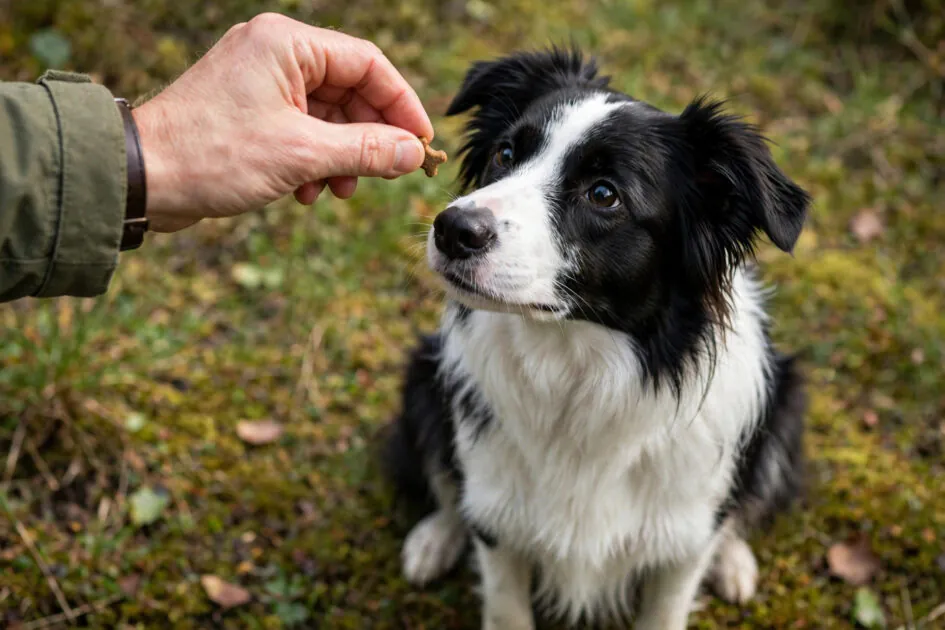
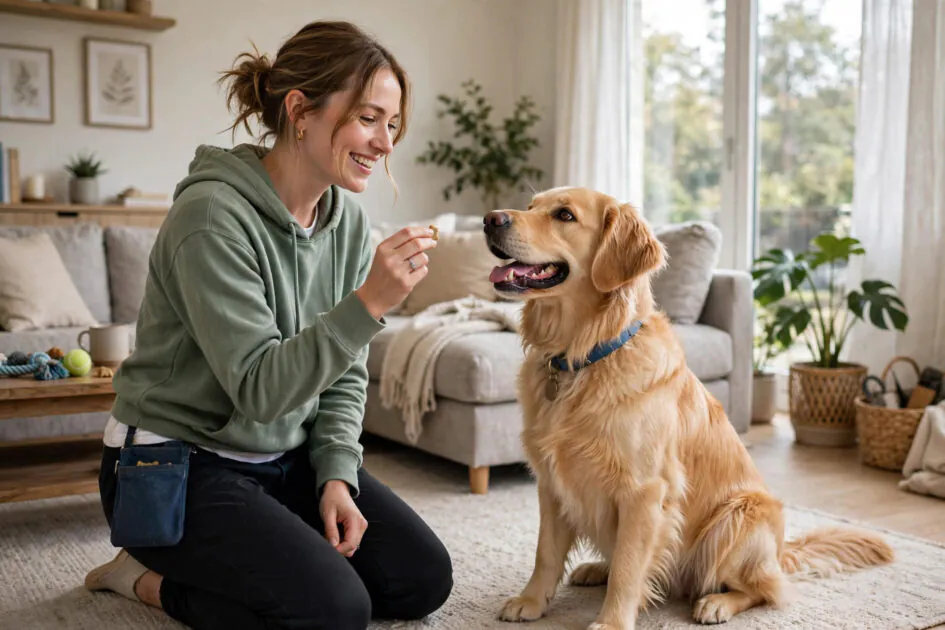
Dogs learn by association, and timing is everything. When your dog sits, looks at you, or walks nicely for even two steps, mark that exact moment with a cheerful “Yes!” and follow it with a treat within a second or two. That tiny window is when your dog connects the dots between what they did and the reward.
This is also why punishment tends to backfire. Yelling at a dog minutes after they chewed your shoe teaches them nothing except that you are unpredictable. Catching and rewarding the good stuff, on the other hand, makes your dog eager to offer it again. Keep treats in a pouch or a few jars around the house so you are always ready to pay your dog for a job well done.
2. Keep Sessions Short, Sweet, and Fun
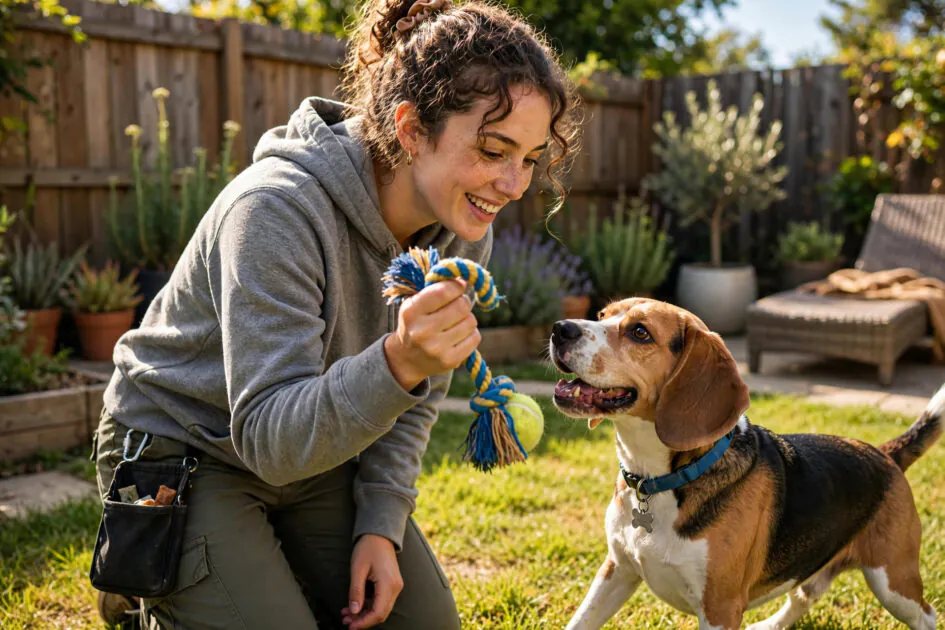
One of the most repeated pieces of advice in Zac George’s approach is this: train in tiny bursts. Two to five minutes is plenty, especially for puppies or easily distracted dogs. A short session that ends with your dog wanting more beats a twenty-minute drill that ends with both of you frustrated.
Sprinkle several mini-sessions through your day instead of one long one. Practice “sit” while your coffee brews, “stay” during a commercial break, “come” when you walk into another room. Always end on a success, even if that means asking for something easy your dog already knows. Training should feel like the best game of the day, not homework.
3. Lure, Capture, and Shape Instead of Forcing
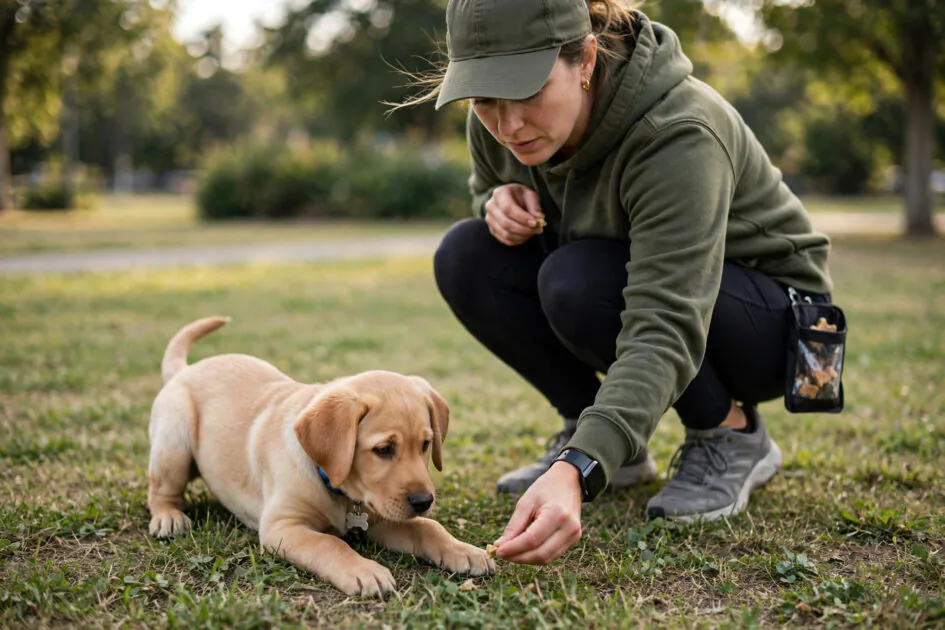
You never need to push a dog’s rear down to teach “sit” or yank a leash to teach “heel.” Instead, guide the behavior and reward it. Hold a treat just above your dog’s nose and move it slowly back over their head, and most dogs will naturally sit. Lower it to the floor between their paws and they will fold into a down. That is luring.
Capturing is even simpler: when your dog happens to do something great, like lying calmly on their bed, mark and reward it. Do that enough and they will start offering calm behavior on purpose. Shaping breaks bigger goals into baby steps, rewarding each small approximation. All three techniques share one rule: the dog chooses the behavior, and you make it worth their while.
4. Proof Behaviors With the Three D’s
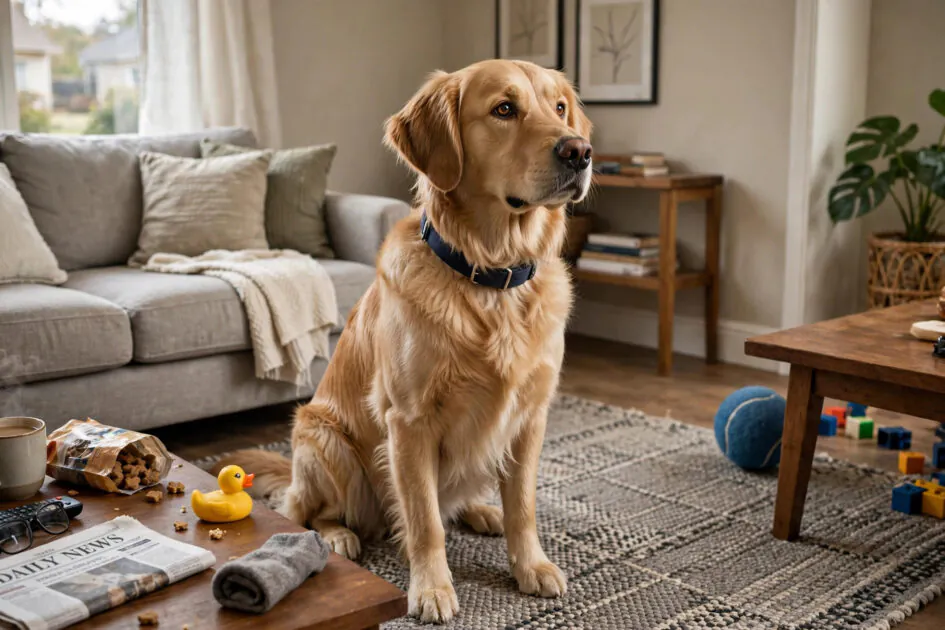
Your dog sits perfectly in the kitchen but ignores you at the park. That does not mean they are stubborn; it means the behavior is not “proofed” yet. Trainers talk about the three D’s: distance, duration, and distraction. Increase only one at a time.
Start in a boring room with no distractions. Once your dog nails “stay” for ten seconds with you two feet away, try three seconds at six feet, or ten seconds with a toy on the floor nearby, but not all at once. Gradually move practice to the hallway, the backyard, and then the real world. If your dog fails, you simply made it too hard too fast. Dial it back, get a win, and build up again.
5. Get the Whole Household on the Same Page
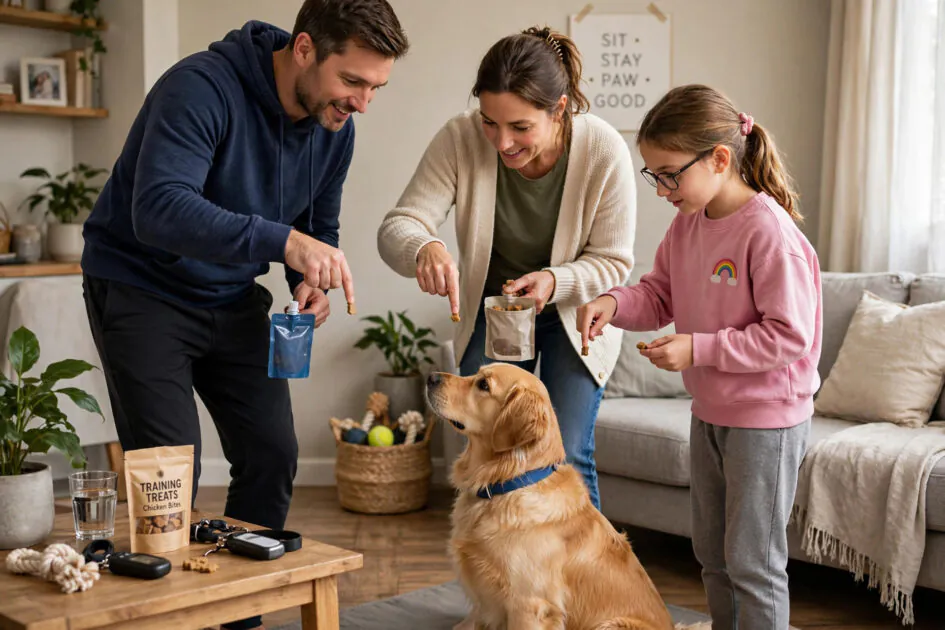
Dogs cannot read the fine print of household politics. If jumping gets a treat from the kids, a laugh from one parent, and a scolding from the other, your dog will just keep jumping. Consistency is what turns a trained behavior into a habit.
Agree on one word per cue and make sure everyone uses it. Decide the house rules together: Is the couch allowed? Does “sit” happen before meals? Write the short list on the fridge if it helps. Just as important, manage the environment while training is in progress. Baby gates, closed doors, and putting tempting items away prevent rehearsals of bad habits. Every prevented mistake is one you never have to untrain.
FAQs About Zac George Dog Training
Who is Zac George?
Zac George is a well-known American dog trainer and online personality famous for promoting positive-reinforcement, force-free training. His videos demonstrate reward-based techniques with real dogs, including rescues with challenging behaviors.
Does positive reinforcement really work for stubborn dogs?
Yes. So-called stubborn dogs are usually under-motivated or unclear about what is being asked. High-value rewards, crystal-clear timing, and breaking tasks into smaller steps work on virtually every dog, regardless of breed or age.
How long should each training session be?
Two to five minutes for most dogs, several times a day. Puppies and easily distracted dogs do best at the shorter end. Always quit while you are ahead and your dog is still enthusiastic.
What are the best treats for training?
Small, soft, smelly treats your dog does not get at any other time: tiny bits of chicken, cheese, or commercial soft training treats. They should be pea-sized so your dog can eat them quickly and get back to work.
My dog only listens when I have treats. What now?
That is completely normal at first. Once a behavior is reliable, start rewarding randomly instead of every time, then gradually replace food with real-life rewards like play, sniffing, or going through a door. The behavior stays because it has a long history of paying off.
The Bottom Line
The beauty of zac george dog training is that it asks you to be your dog’s coach, not their boss. Reward generously, keep it fun, build difficulty slowly, and stay consistent. Do that at home every day, and you will be amazed how quickly your dog starts choosing the right behavior all on their own.