


25 Must Know Dog Training Tips for Beginners for the first time can feel exciting, overwhelming, and sometimes confusing. Every dog has its own personality, learning speed, and behavior patterns, which means there is no single perfect method. However, with the right approach, patience, and consistency, you can build a strong foundation that helps your dog become well-behaved and confident.
This guide brings together practical dog training tips that every beginner can use, whether you’ve just adopted a puppy or are working with an older dog. These methods are simple, proven, and designed to strengthen the bond between you and your pet through effective dog training practices.

1. Understand Your Dog Before Training Begins
Before you start teaching commands, observe your dog’s behavior, energy level, and temperament. Some dogs are naturally calm, while others are highly energetic. Understanding this helps you adjust your training style so your dog learns faster and feels comfortable during sessions.
2. Establish a Consistent Routine Early
Dogs learn best through repetition. Set fixed times for feeding, walking, and training sessions. Consistency helps your dog understand expectations and reduces confusion. A structured routine is one of the most important foundations in any successful training journey.

3. Use Positive Reinforcement Every Time
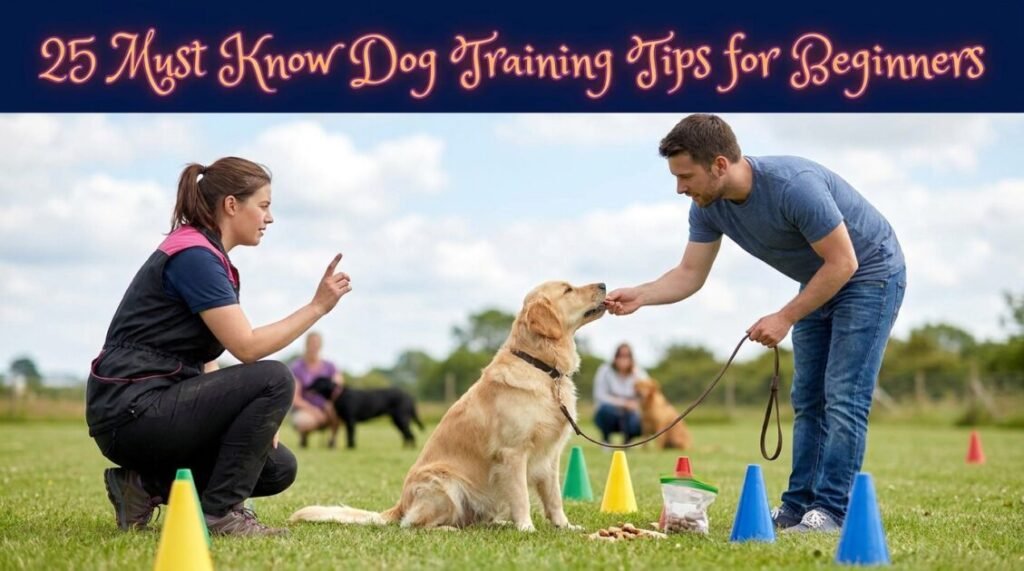
Reward-based learning is one of the most effective methods. Treats, praise, and affection encourage your dog to repeat good behavior. Avoid punishment-based training, as it can create fear and slow down progress. Positive reinforcement builds trust and motivation.
4. Start With Simple Commands First
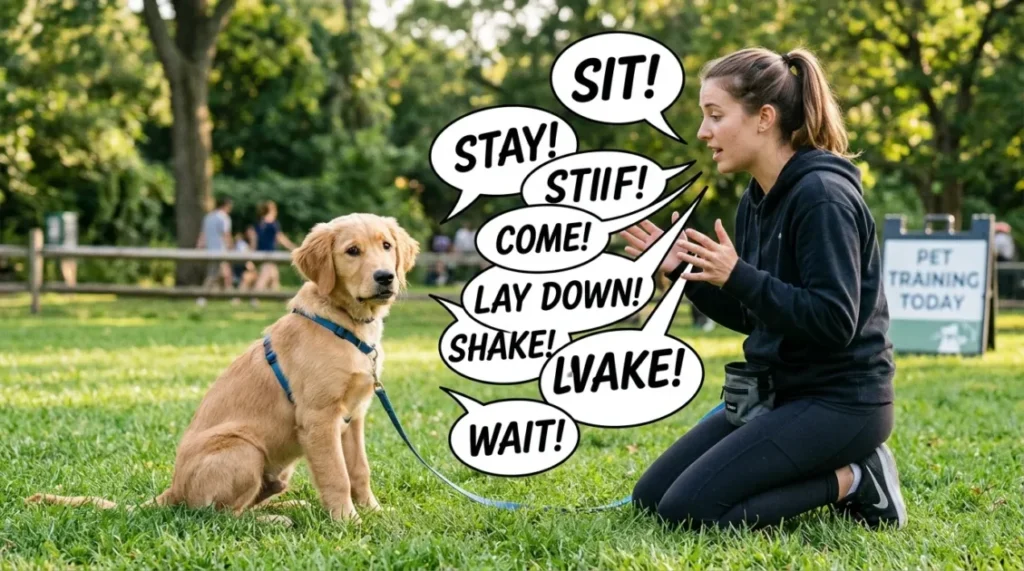
Begin with basic commands like “sit,” “stay,” “come,” and “no.” These form the base of all future learning. Once your dog masters these, you can gradually move to more complex behaviors. Keep sessions short and focused to maintain attention.
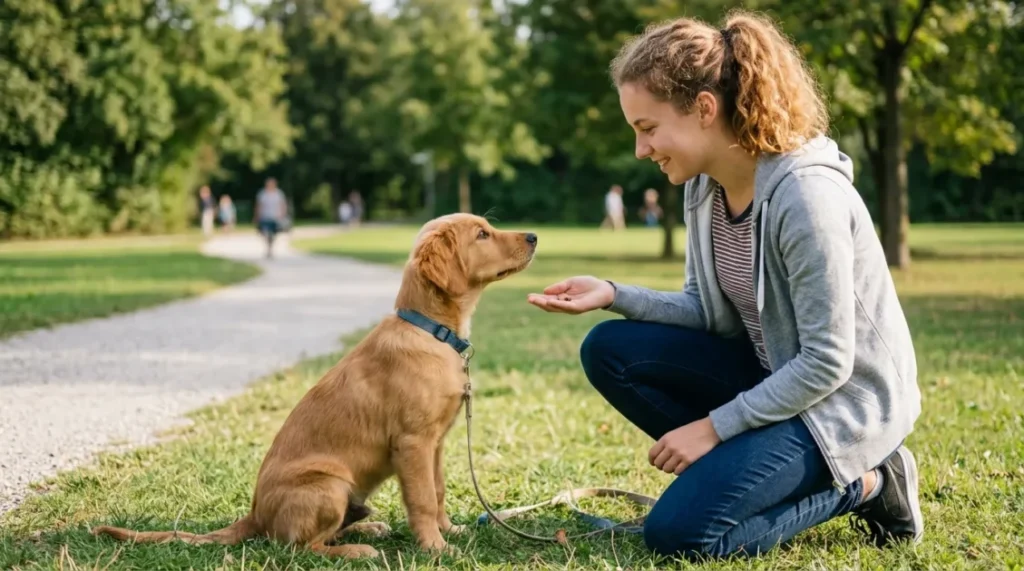
5. Keep Training Sessions Short and Fun
Dogs, especially puppies, have short attention spans. Training sessions should last between 5 to 15 minutes. Ending on a positive note keeps your dog excited for the next session and improves long-term learning.

7. Focus on Training Environment and Dog Training Asthetics
The environment plays a major role in how well your dog learns. Choose a quiet, distraction-free space during initial training stages. As your dog improves, slowly introduce distractions to strengthen focus.
Interestingly, dog training asthetics—such as a clean, organized, and calm environment—can also influence your dog’s behavior. A structured visual space helps dogs associate training time with discipline and attention, making learning smoother and more effective.
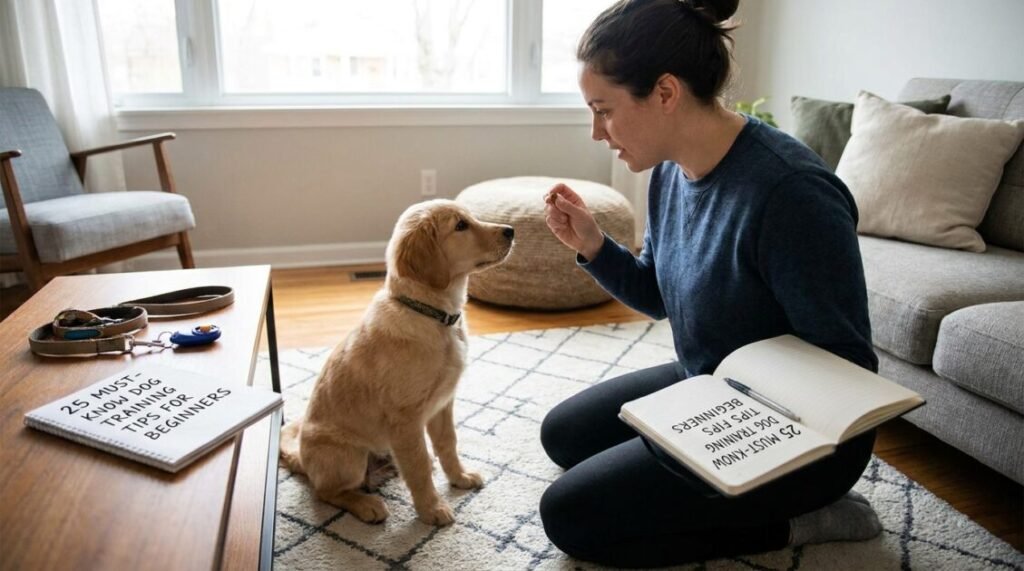
9. Reward Timing Matters
Timing is everything in training. Reward your dog immediately after good behavior so they connect the action with the reward. Delayed rewards can confuse your dog and reduce learning efficiency.
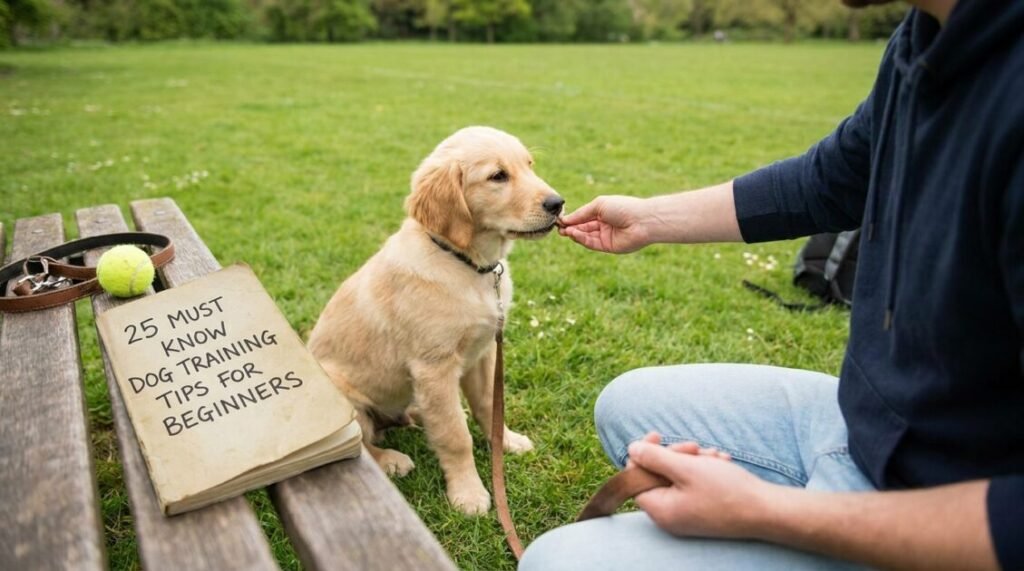
10. Avoid Overfeeding Treats
While treats are useful, overusing them can lead to weight gain or dependency. Gradually reduce treat frequency as your dog learns, replacing them with verbal praise or affection. also check how to recognize poisioning.
11. Teach Leash Walking Early
Leash training is essential for safety and control. Start indoors or in a quiet area before moving to busy streets. Reward your dog for walking beside you without pulling.
12. Be Patient With Slow Learners
Not all dogs learn at the same speed. Some may take longer to understand commands. Patience is crucial. Avoid frustration and repeat lessons calmly until your dog understands.
13. Correct Bad Behavior Immediately
If your dog behaves incorrectly, correct it instantly using a firm but calm tone. Delayed correction confuses dogs and weakens the learning process.
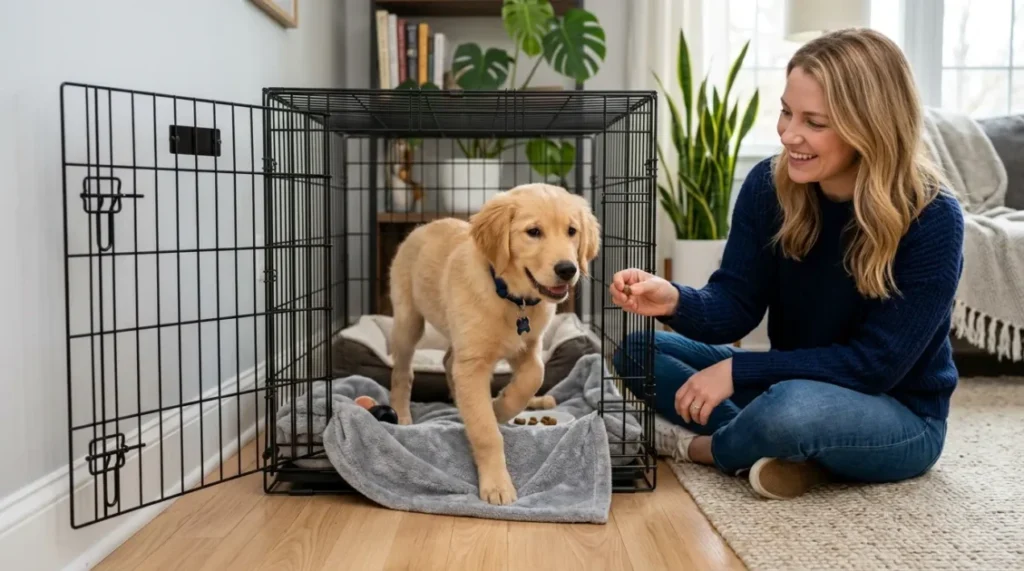
14. Introduce Crate Training Properly
Crate training helps dogs feel secure and also assists with house training. Make the crate a positive space with blankets and toys, never a place for punishment.
15. Practice Daily Repetition
Repetition builds memory. Practice commands daily, even after your dog has learned them. This keeps skills fresh and strengthens obedience over time.
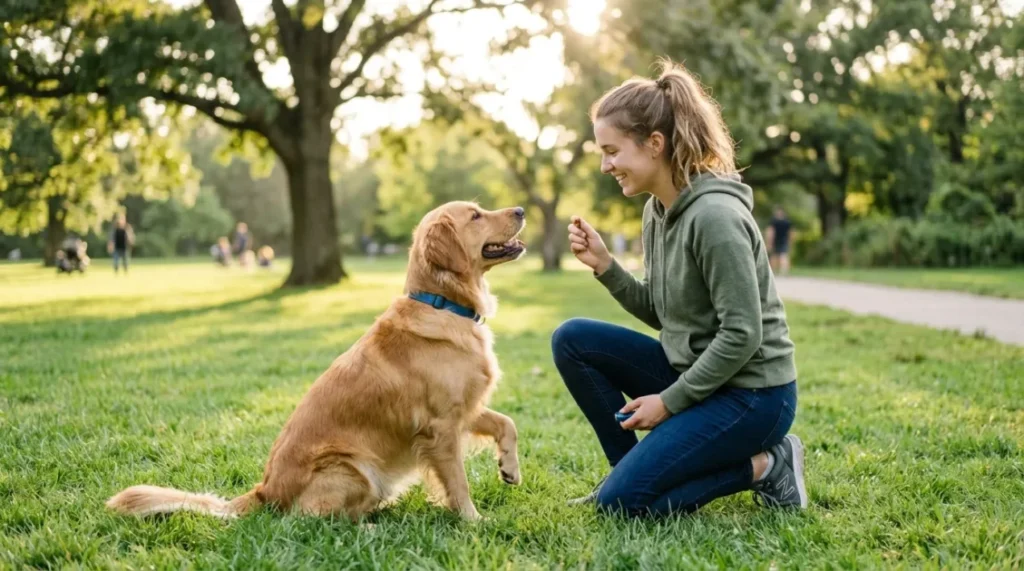
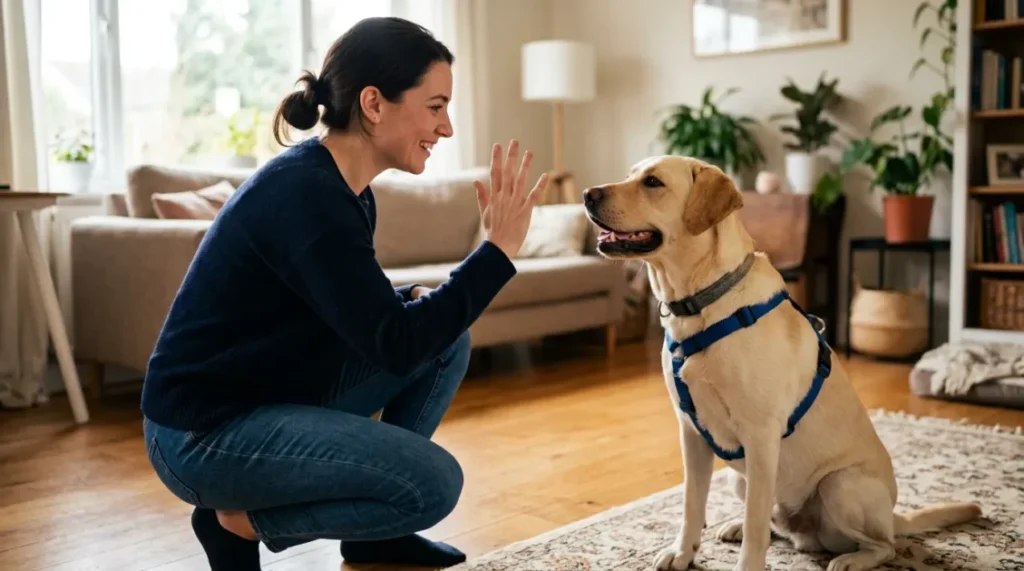
16. Use Hand Signals Along With Voice Commands
Combining hand signals with verbal commands enhances communication. Dogs often respond faster to visual cues, especially in noisy environments.
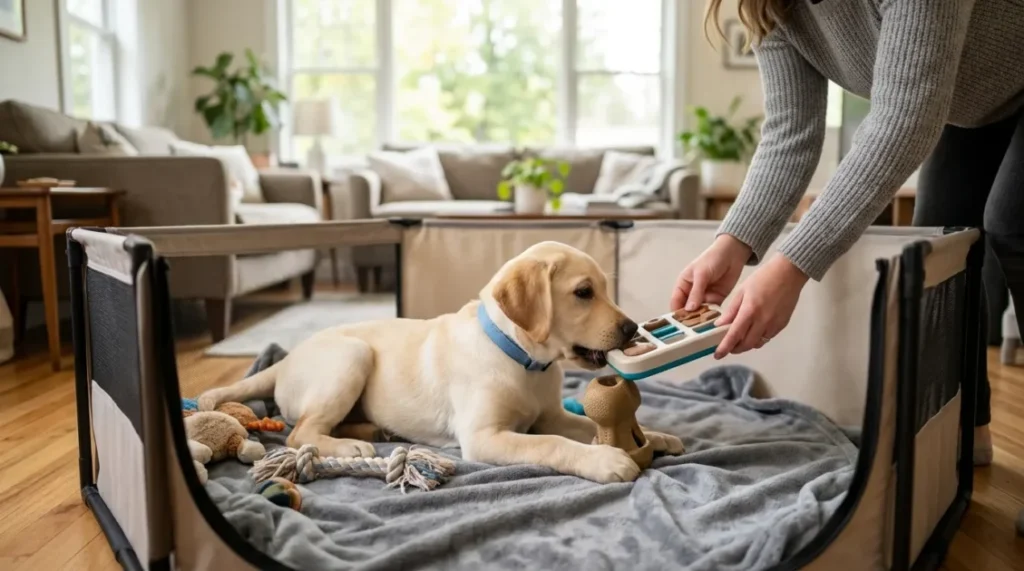
17. Prevent Separation Anxiety Early
Teach your dog to be comfortable alone for short periods. Gradually increase time apart to prevent anxiety and destructive behavior when you’re not home.
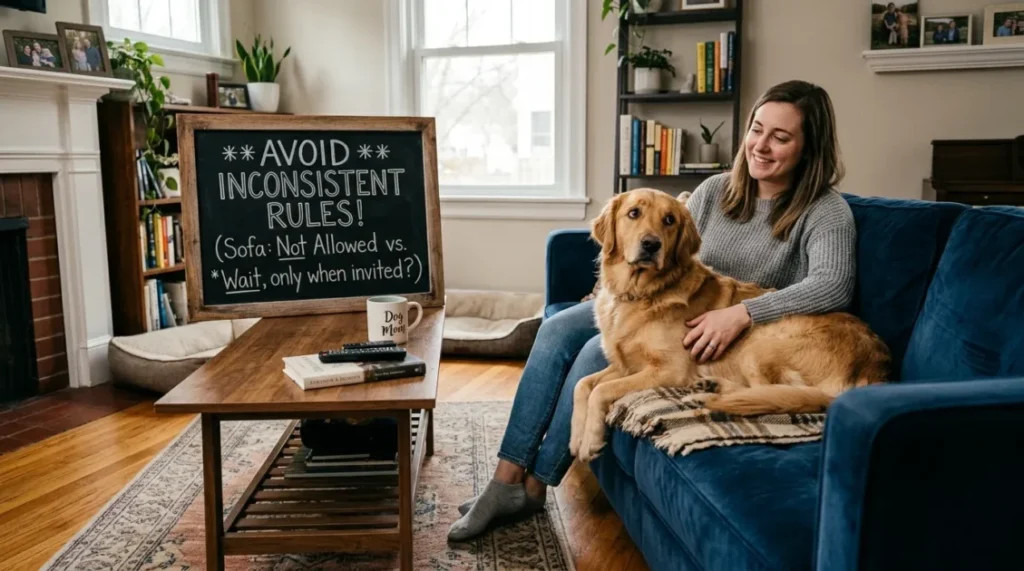
18. Avoid Inconsistent Rules
If you allow your dog on the couch one day and forbid it the next, confusion will occur. Set clear household rules and ensure everyone in the family follows them.
19. Stay Calm During Training
Dogs are highly sensitive to human emotions. If you appear stressed or angry, your dog may become anxious. Calm energy improves focus and learning.
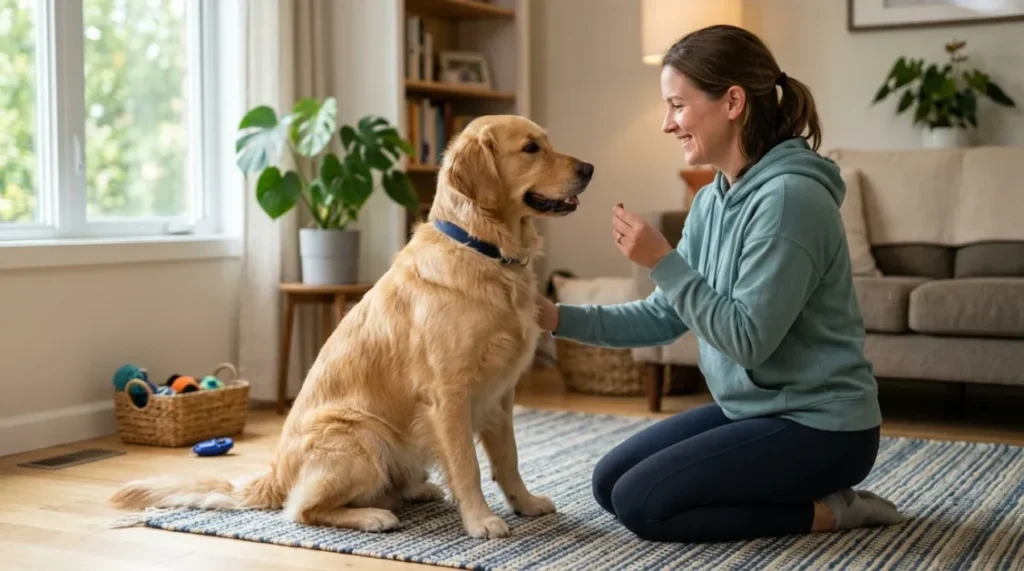
20. Introduce Advanced Commands Gradually
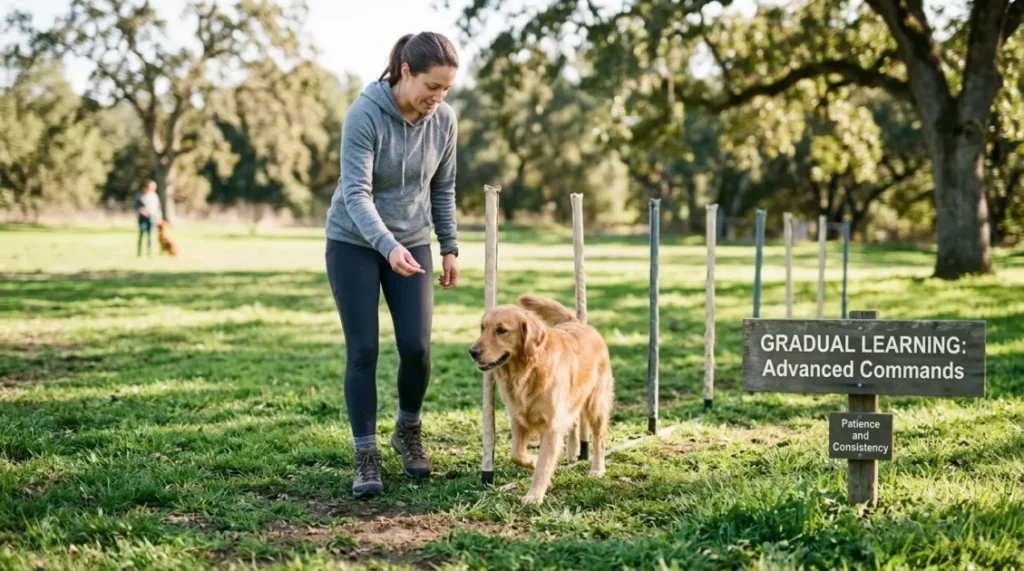
Once basic training is complete, you can move to advanced skills like “heel,” “fetch,” or agility training. Always build step by step to avoid overwhelming your dog.
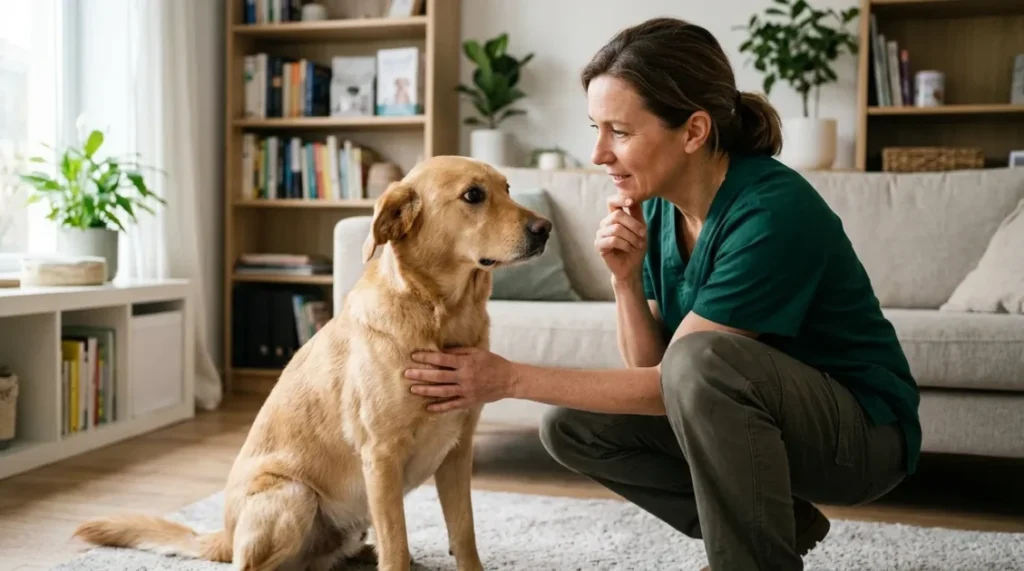
21. Watch Body Language Closely
Understanding your dog’s body language helps you adjust training methods. Signs of stress, boredom, or excitement can guide your next steps.
22. Avoid Too Many Commands at Once
Teaching multiple commands simultaneously can confuse your dog. Focus on one command until it is fully mastered before moving to the next.
23. Make Training a Daily Habit
Even outside structured sessions, reinforce good behavior throughout the day. Training should be part of everyday interaction, not just a scheduled activity.
24. Strengthen Bond Through Play
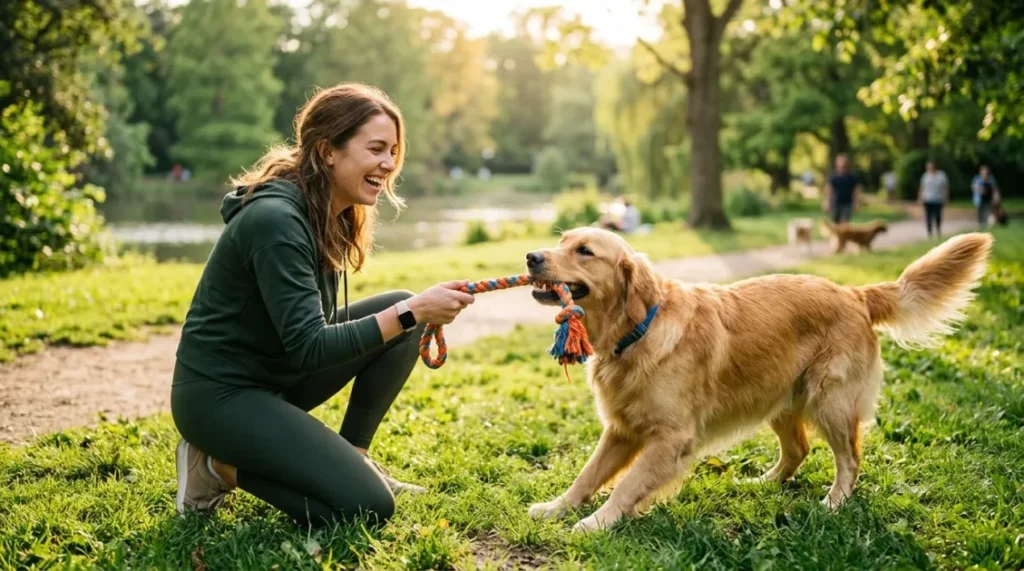
Play is not just fun—it is also a powerful training tool. Games like fetch and tug-of-war improve obedience, trust, and communication between you and your dog.
25. Stay Consistent for Long-Term Success
Consistency is the most important factor in successful dog training. Even the best methods fail without regular practice. Stay committed, and your dog will gradually become disciplined, obedient, and happy.
Final Thoughts
Training a dog is not just about commands—it is about building trust, communication, and a lifelong bond. By applying these dog training tips, you can create a positive learning environment that helps your dog grow into a well-behaved companion.
Remember, patience and consistency always win over frustration. Every small step forward is progress, and with time, your efforts will lead to a loyal, obedient, and loving pet who understands you deeply.