
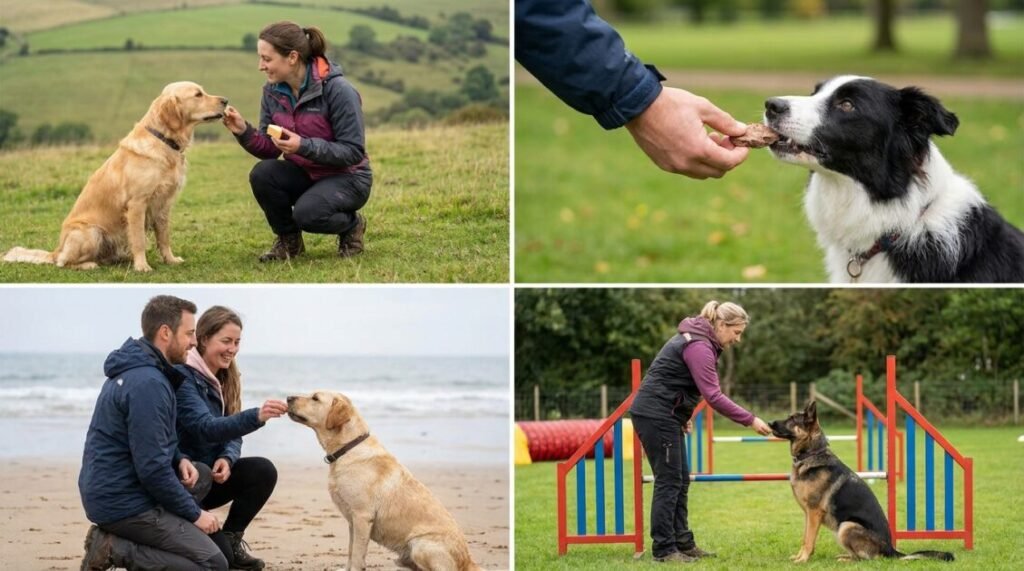

5 Genius Dog Training Ideas Every Owner Should Try. There’s a moment every dog owner knows well — you ask your pup to sit, they tilt their head sideways, and then proceed to do absolutely whatever they want. Whether you’ve just brought home a bouncy new puppy or you’re trying to fine-tune the behavior of a seasoned dog, the right approach makes all the difference. The good news? You don’t need to be a professional trainer to see real, lasting results. With a handful of smart dog training ideas, you can build a bond with your dog that’s built on trust, clarity, and a whole lot of fun.
Here are five genius techniques that actually work — and why each one is worth adding to your routine.
5 Genius Dog Training Ideas Every Owner Should Try
read this post for 5 Genius Dog Training Ideas Every Owner Should Try.
1. Shape Behavior Through Capturing — Not Just Commands
Most owners jump straight to commanding their dog to do something. But one of the most underrated dog training tips is to simply wait and reward natural behavior as it happens. This is called “capturing.”
If your dog naturally lies down on its own, the moment it does, mark it with a clicker or a verbal cue like “yes!” and offer a treat. Repeat this consistently over several sessions, and your dog will begin offering that behavior voluntarily — even before you ask. Capturing works especially well for behaviors that are difficult to prompt manually, like a relaxed “settle” pose or a calm greeting at the door.
The secret power of capturing is that the dog feels like it made the choice. That sense of agency speeds up learning dramatically and makes the behavior more durable under distractions. You’re not forcing anything — you’re simply catching your dog being good and making it worth repeating.
2. Use High-Value Rewards Strategically — Not Constantly
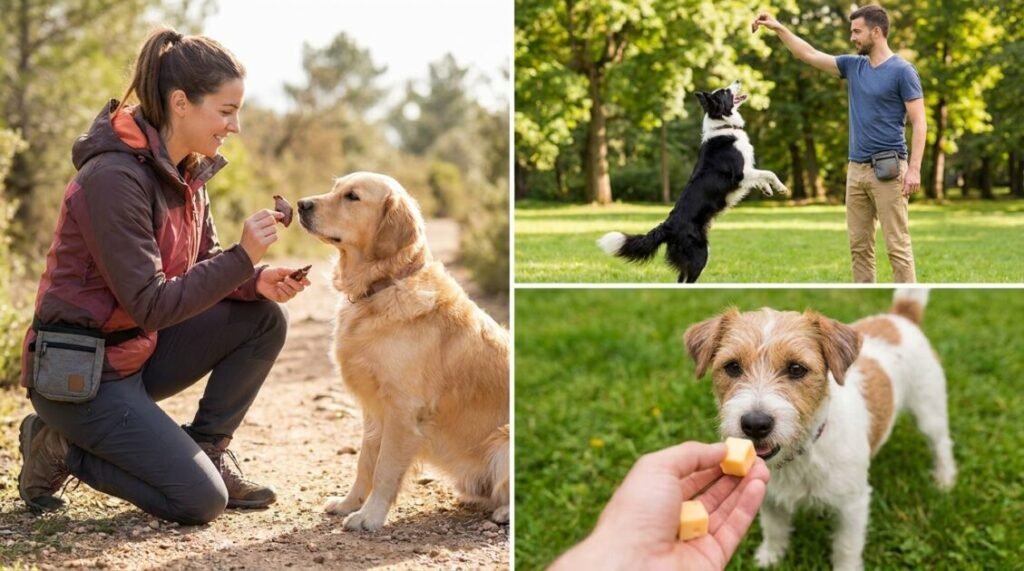
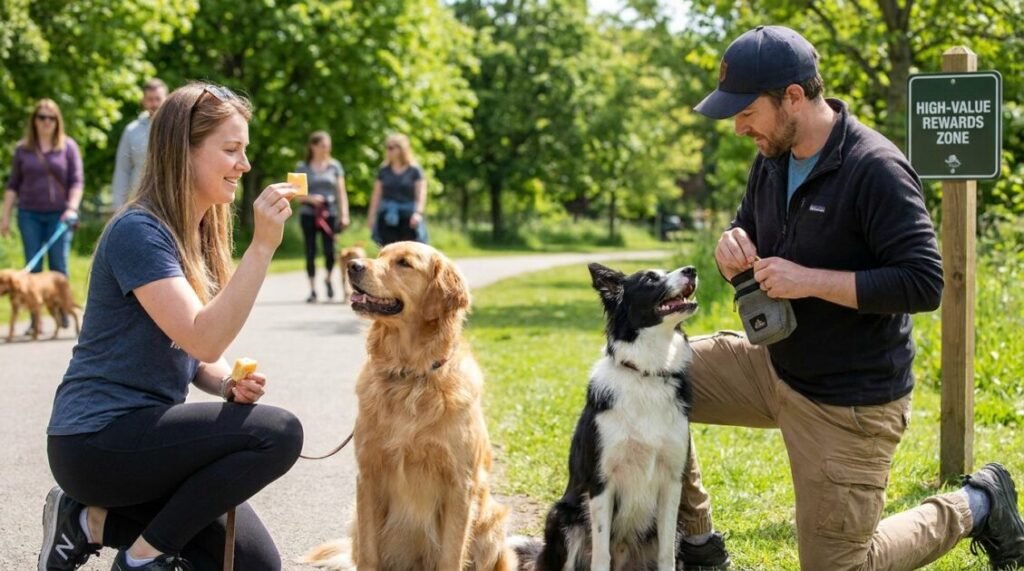
Many owners make the mistake of using the same reward for every single thing their dog does. A piece of dry kibble might work for a straightforward sit in the kitchen, but it won’t cut it when your dog is distracted by a squirrel across the park. Dog training tips for beginners.
3. Train in Real Environments, Not Just at Home
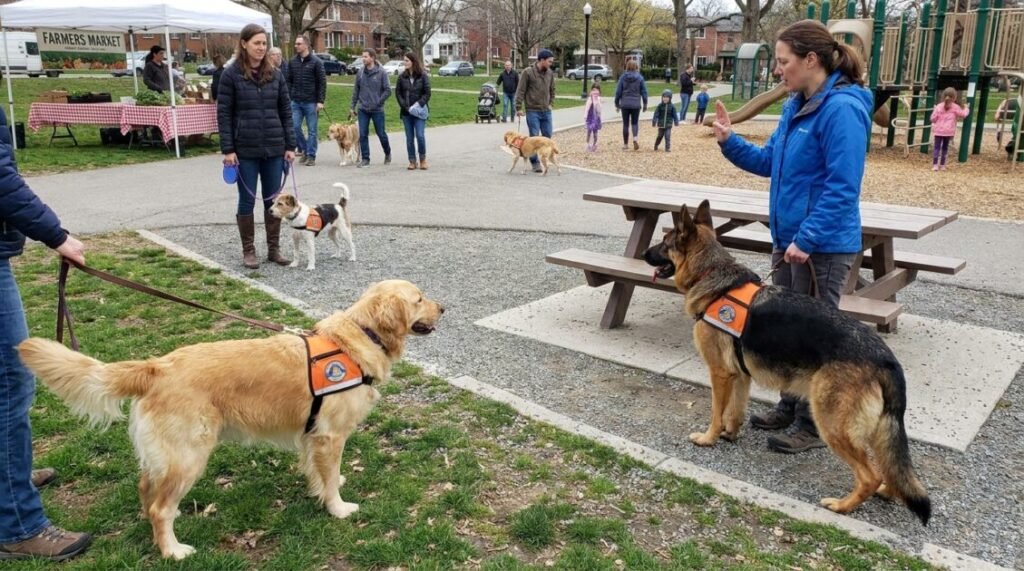
One of the most common frustrations owners face is a dog that listens perfectly at home but falls apart the moment you step outside. This happens because dogs don’t automatically generalize skills across environments. A sit learned in your kitchen is, to your dog, a kitchen behavior — not a universal one.
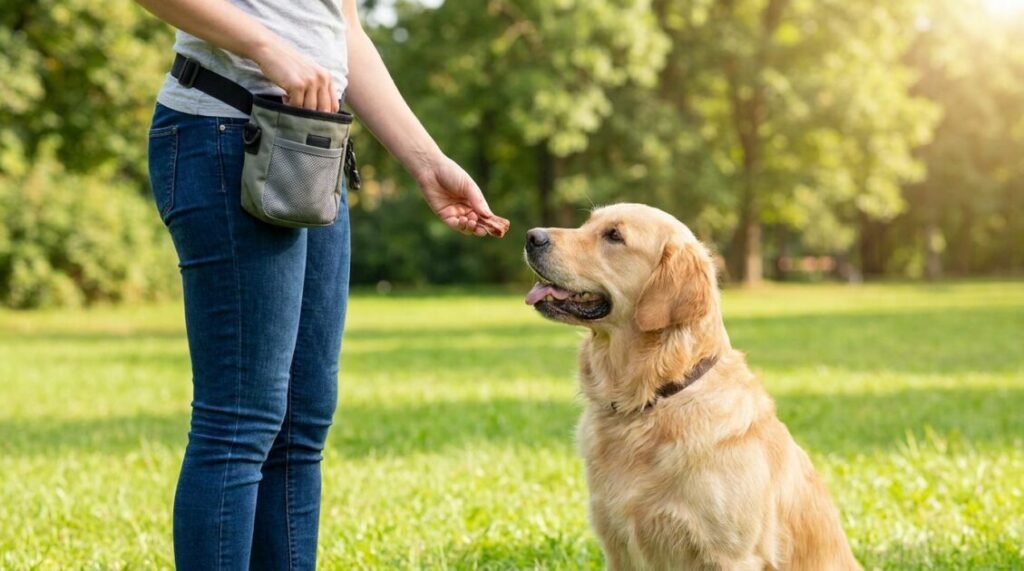
4. Embrace the Aesthetics of Calm
Here’s something that doesn’t get talked about enough: the physical environment you train in affects your dog’s ability to learn. The dog training aesthetics of your setup — the space, the energy, the visual noise — all factor into how well your dog can focus.
As your dog advances, you can deliberately introduce environmental complexity. But in the early stages, thoughtful setup is as important as the technique itself.
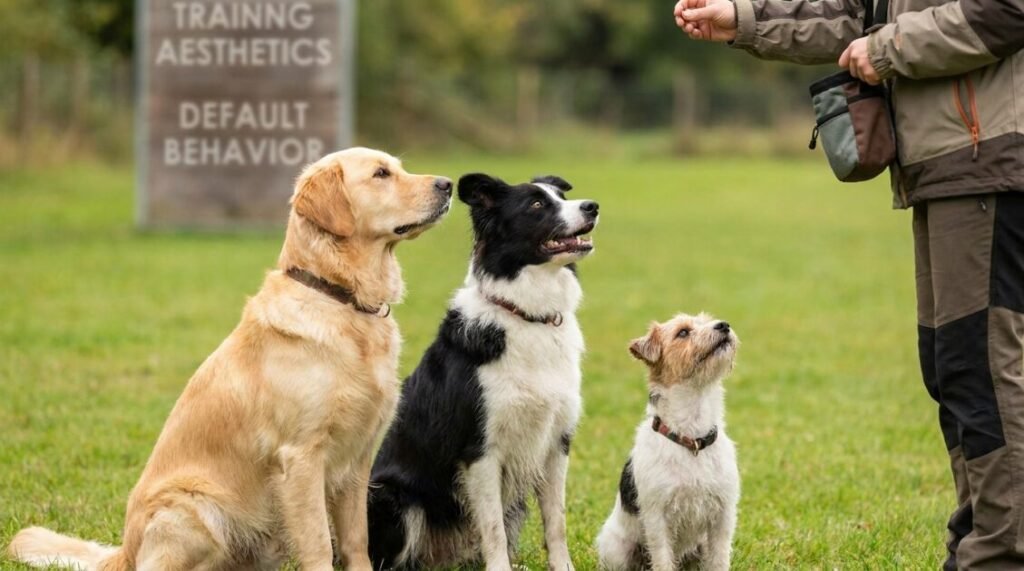
5. Teach a Reliable Default Behavior for Every Situation
The most versatile tool you can give your dog is a strong default behavior — something they automatically offer when they’re unsure what to do. For most dogs, a calm sit is the ideal default. When your dog doesn’t know what’s expected, sitting and looking at you is almost always a safe and rewarded choice.
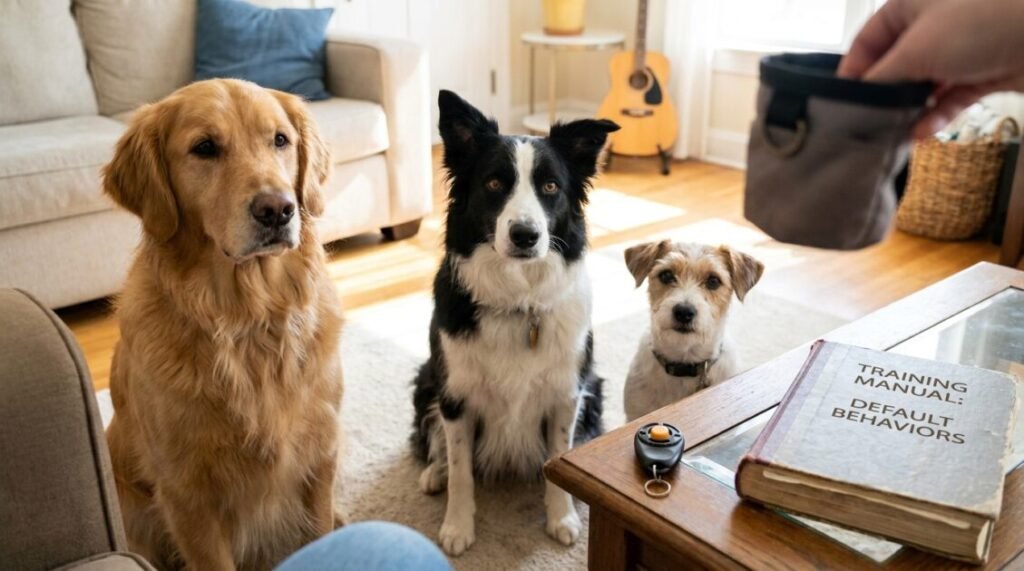
Bringing It All Together
Great dog training isn’t about dominance, repetition for its own sake, or expensive gadgets. It’s about communication. Every session is a conversation between you and your dog, and the goal is to make yourself clear, rewarding, and worth listening to.
Start with one or two of these ideas this week. Notice what your dog responds to. Adjust as you go. The owners who see the most progress aren’t the ones with the most elaborate setups — they’re the ones who show up consistently, pay attention, and make training feel like something their dog actually wants to do.