
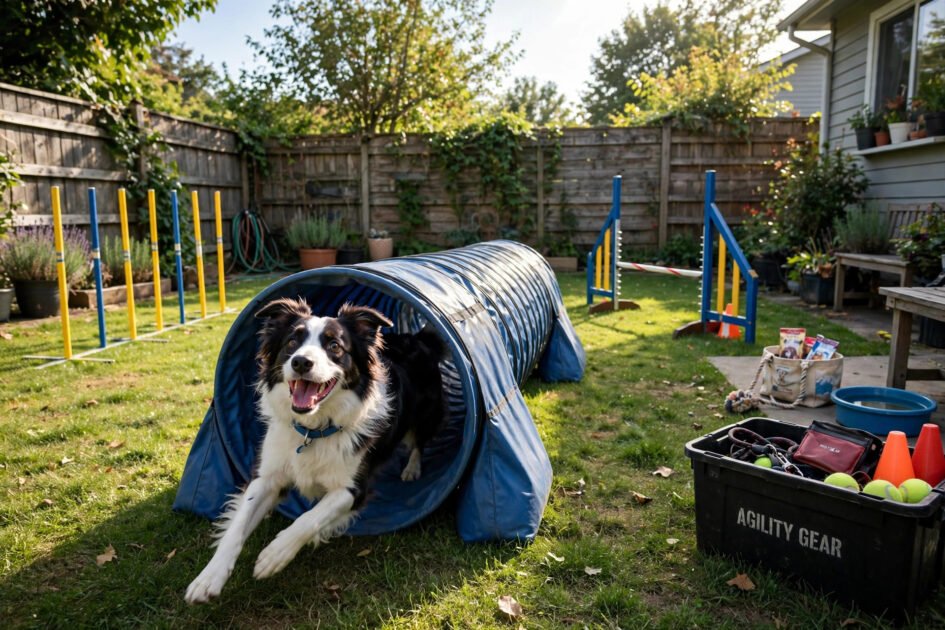

Your backyard is wasted potential if it’s just a bathroom break zone. The right dog training yard ideas turn any outdoor space into a playground where your dog learns, exercises, and burns off wild energy in all the best ways.
Structured play is the secret ingredient most owners skip. Random fetch is fun, but purposeful setups teach impulse control, build confidence, and tire your dog out faster than an hour of aimless running. You don’t need acres of land or expensive equipment either. Here are five practical dog training yard ideas for structured play that you can set up this weekend.
1. Build a Simple Agility Corner
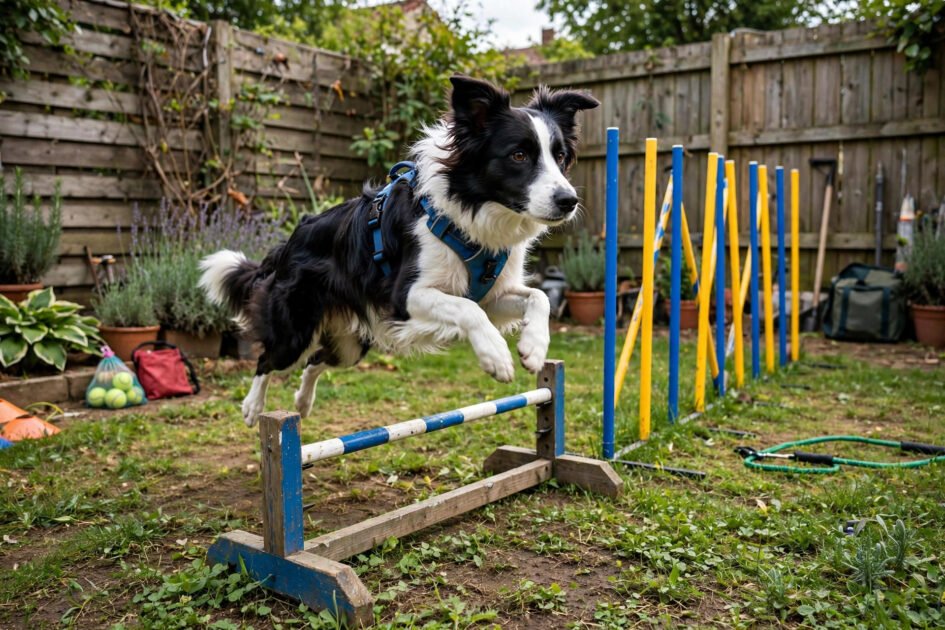
Agility isn’t just for competitions. A small backyard course builds your dog’s confidence, coordination, and focus, and it gives you a fun way to practice cues like “over,” “through,” and “weave” in real life.
You don’t need professional gear. A kids’ play tunnel, a broomstick balanced on two buckets for a jump, and a row of garden stakes for weave poles will do the job. Keep sessions short, five to ten minutes, and always end with a win. Reward every attempt generously at first, then raise the bar slowly.
2. Create a Dedicated Recall Lane
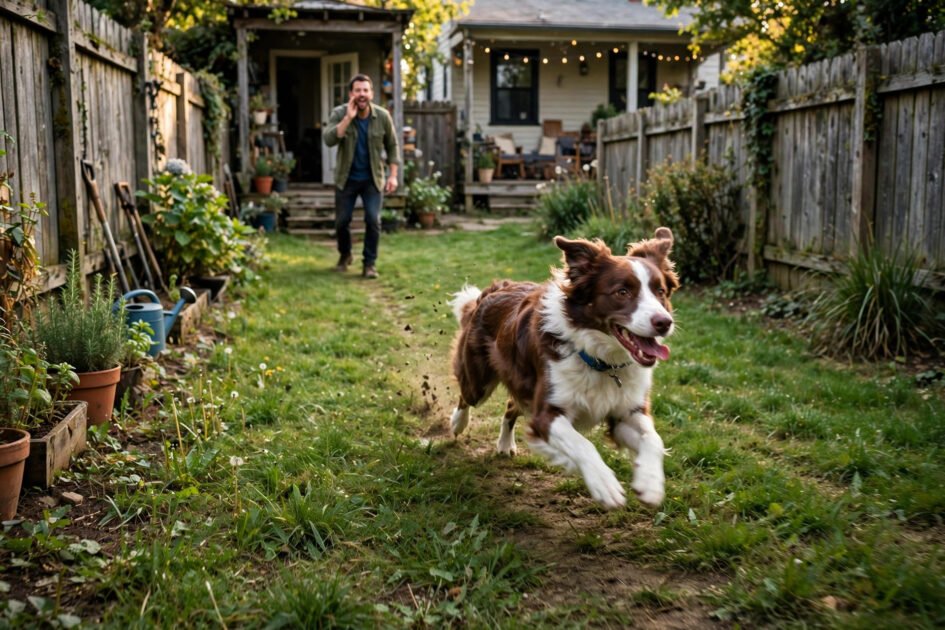
A reliable recall is the most important skill your dog will ever learn, and a straight, distraction-free lane is the perfect place to train it. Pick the longest clear stretch of your yard and keep it mowed and free of toys.
Start with a helper holding your dog while you back away a short distance, then call with excitement. When your dog sprints to you, throw a party: high-value treats, praise, a favorite toy. Gradually increase the distance until your dog is flying the full length of the yard to reach you.
3. Set Up a Scent Work Zone
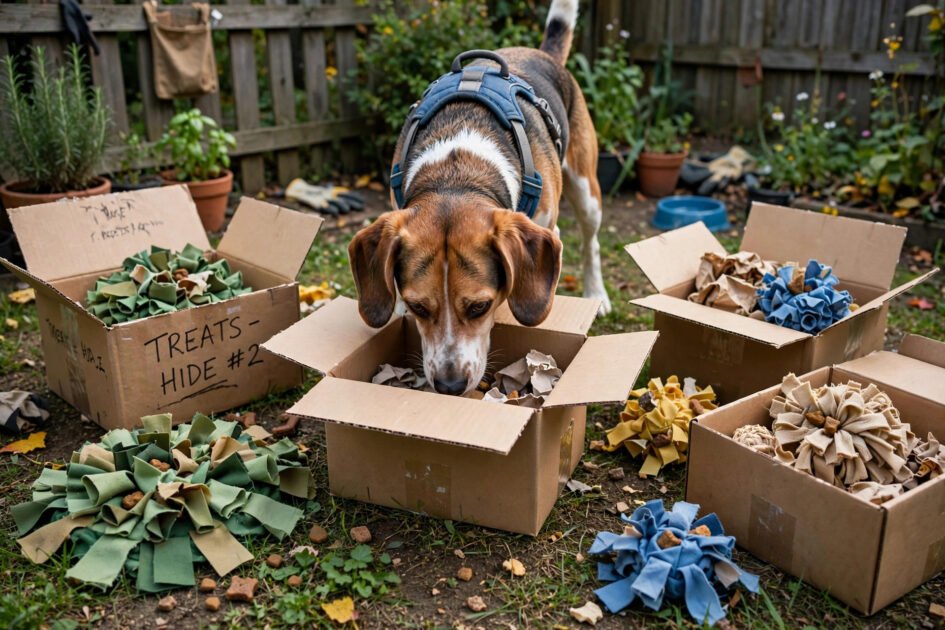
A dog’s nose is their superpower, and scent games are one of the most tiring activities you can offer. Ten minutes of sniffing can wear a dog out more than a thirty-minute walk, because it engages their brain so intensely.
Designate a corner of the yard for scent work. Scatter treats in the grass, hide them under overturned flower pots or inside cardboard boxes, and let your dog hunt. As they improve, make the hides trickier: higher, lower, partially covered.
4. Designate a Calm Training Pad
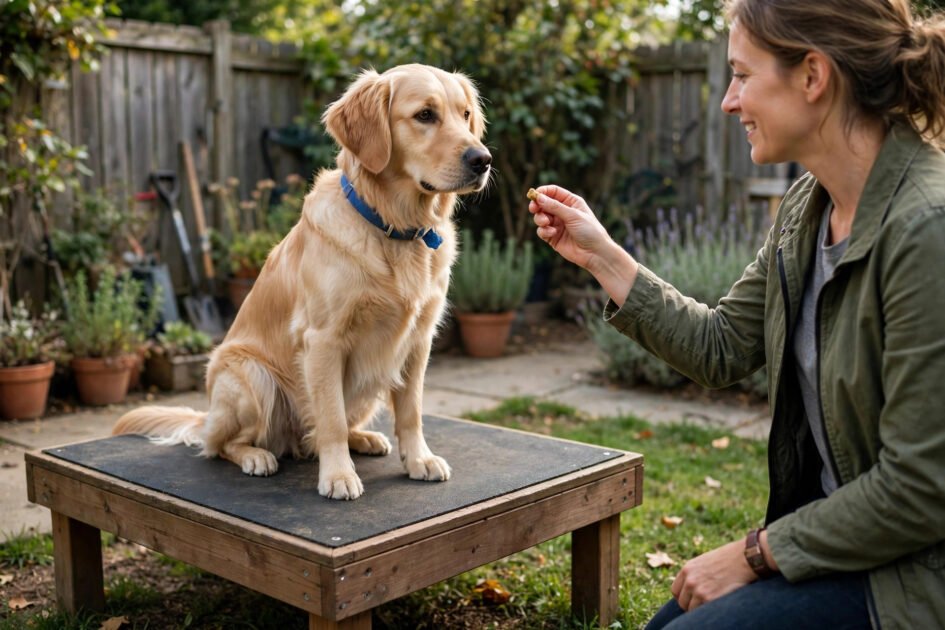
Not every yard zone should be about speed. A calm training pad, a raised platform, a mat, or even a large flat stone, teaches your dog the underrated skill of doing nothing on cue.
Place the platform in a quiet corner and reward your dog for stepping onto it, then for sitting, then for lying down and staying. Over sessions, build duration until your dog can settle on their pad while the world moves around them.
5. Add a Dig Pit and Fetch Zone
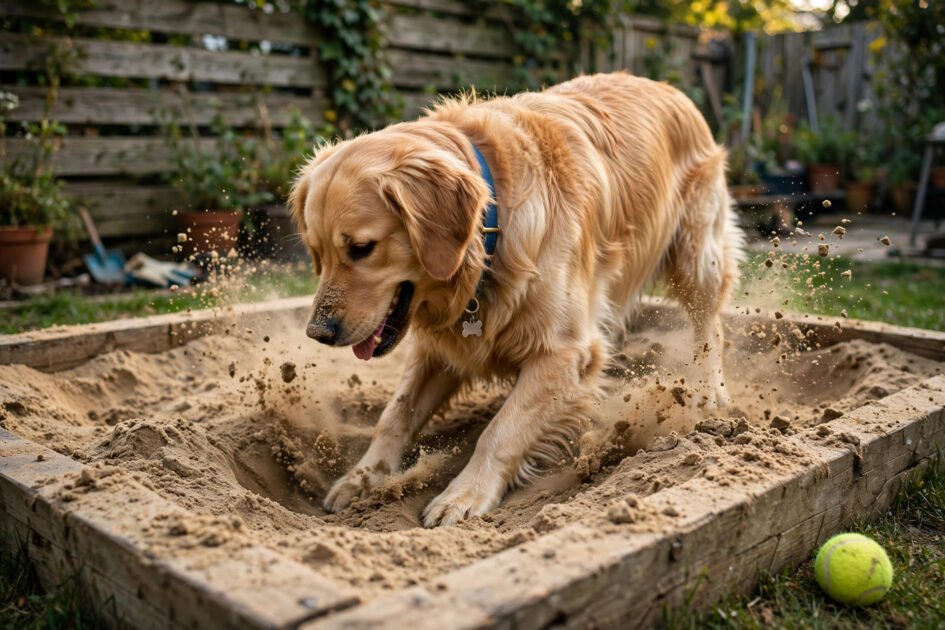
Some dogs are born diggers, and fighting that instinct is a losing battle. Instead, give it an approved outlet. A simple sandbox or a framed pit filled with loose soil becomes your dog’s legal digging zone.
Bury toys and treats in the pit and praise your dog wildly for digging there. When they dig elsewhere, calmly redirect them to the pit. Most dogs figure out the deal within a couple of weeks, and your lawn survives.
FAQs
How much space do I need for a dog training yard?
Less than you think. Even a small 20-by-20-foot yard can hold an agility corner, a scent zone, and a calm pad. Focus on zones rather than size, and use vertical space like jumps and platforms to add variety.
What surface is best for a training yard?
Grass is ideal for most activities because it’s gentle on joints. Avoid concrete for jumping and sprinting. For dig pits, loose soil or play sand works best and is easy to refresh.
How often should I train in the yard?
Short daily sessions of 10 to 15 minutes beat one long weekend marathon. Dogs learn best in brief, upbeat repetitions, and you’ll both stay enthusiastic instead of burning out.
Can I train multiple dogs in the same yard setup?
Yes, but train them separately at first. Each dog learns at their own pace, and solo sessions prevent competition over rewards. Once both know the games, you can run them together for extra fun.
Is a fenced yard required for these ideas?
A secure fence makes everything easier and safer, especially for recall lanes and off-leash agility. If your yard isn’t fenced, use a long training line so your dog has freedom without risk.
The Bottom Line
Great dog training yard ideas don’t require a big budget or a huge property, just a little creativity and a willingness to play with purpose. Start with one zone this weekend, add another next month, and watch your backyard become your dog’s favorite classroom.