
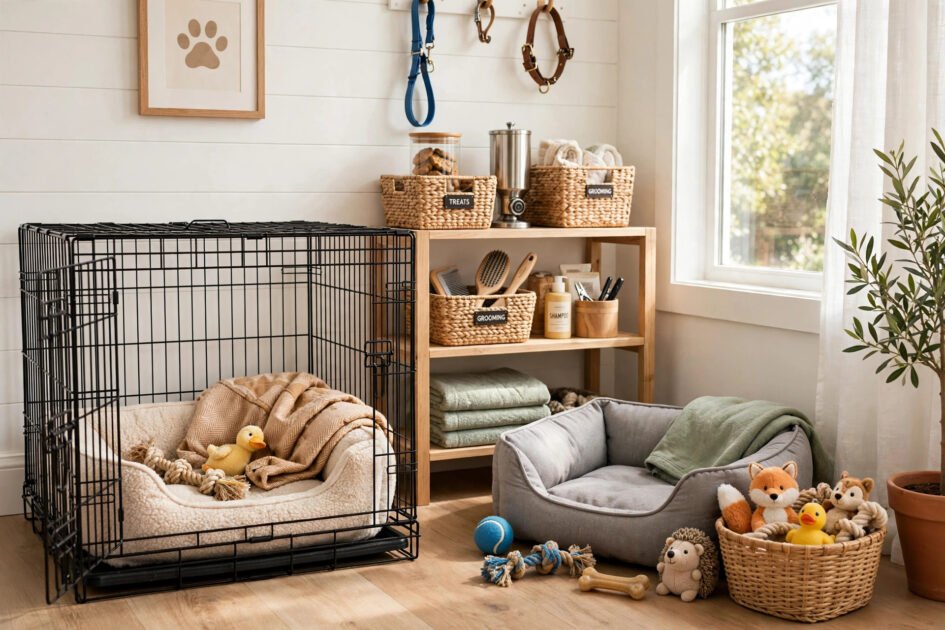

A kennel isn’t a cage, it’s your dog’s bedroom. Done right, a thoughtful dog training kennel setup gives your pup a safe den where they can rest, decompress, and learn to love downtime. Done wrong, it becomes a source of stress for everyone.
Whether you’re crate training a new puppy or creating a kennel space for an adult dog, the setup matters more than most people realize. Size, location, bedding, enrichment, and routine all shape how your dog feels about their space. Get these details right and your dog will choose the kennel on their own.
1. Choose the Right Crate Size and Style
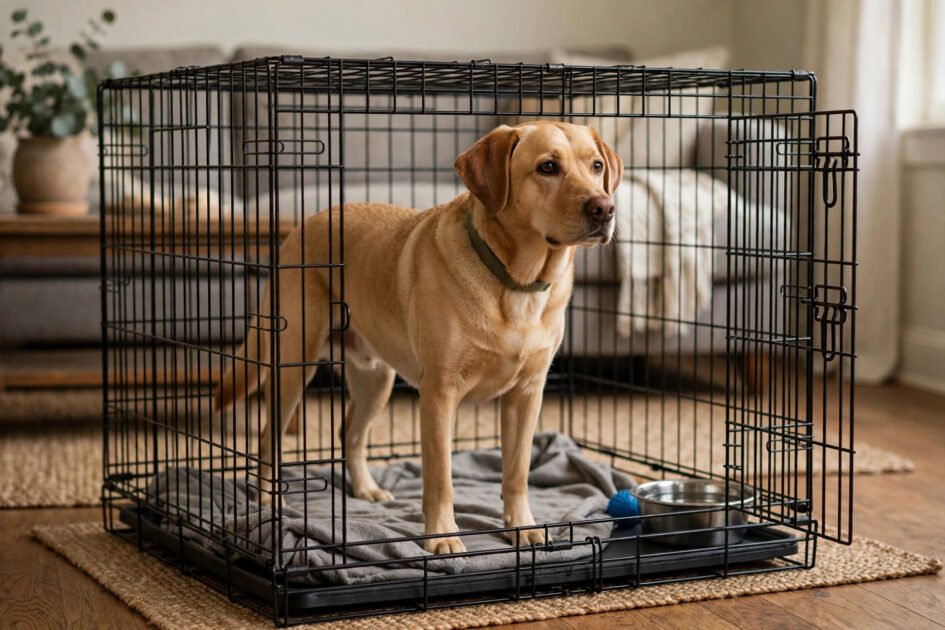
Size is the single most important decision. Your dog should be able to stand up, turn around, and lie down stretched out, but not have so much room that they can potty in one corner and sleep in the other. For puppies, buy a crate with a divider panel so it grows with them.
Wire crates offer great airflow and visibility, which suits most dogs. Plastic travel-style crates feel more den-like and help anxious dogs settle. Soft-sided crates are fine for calm, trained dogs but won’t contain a chewer.
2. Create a Calm, Safe Kennel Zone
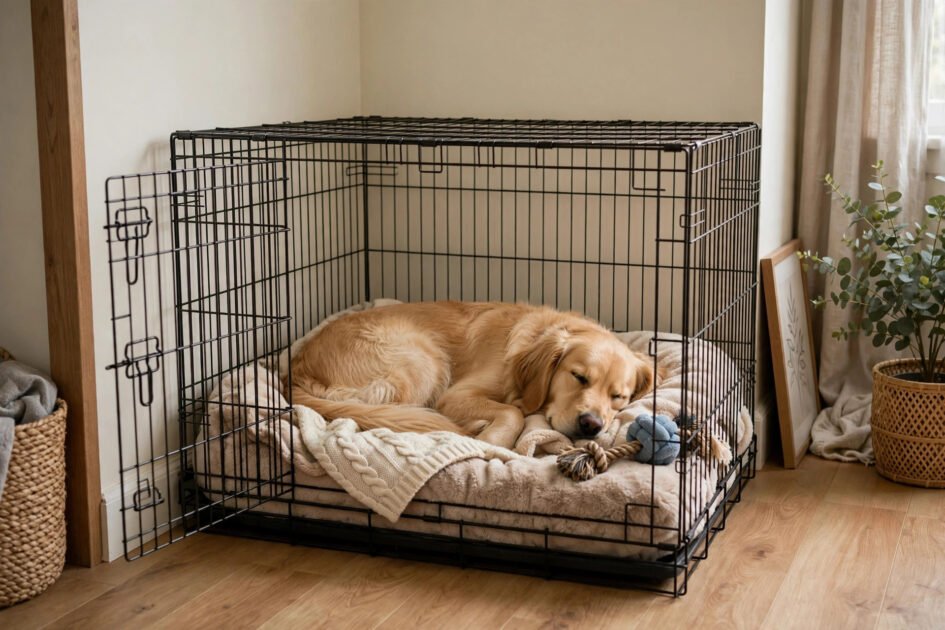
Location shapes behavior. Place the kennel in a quiet corner of a lived-in room, not isolated in a garage or laundry room. Dogs are social sleepers; being near the family helps them relax while still having their own space.
Keep the area draft-free and away from direct heat vents. A light blanket draped over the top and sides of a wire crate creates a cozy den feeling, but leave the front open for airflow. Remove collars before crating to eliminate any snagging risk.
3. Add Enrichment That Prevents Boredom
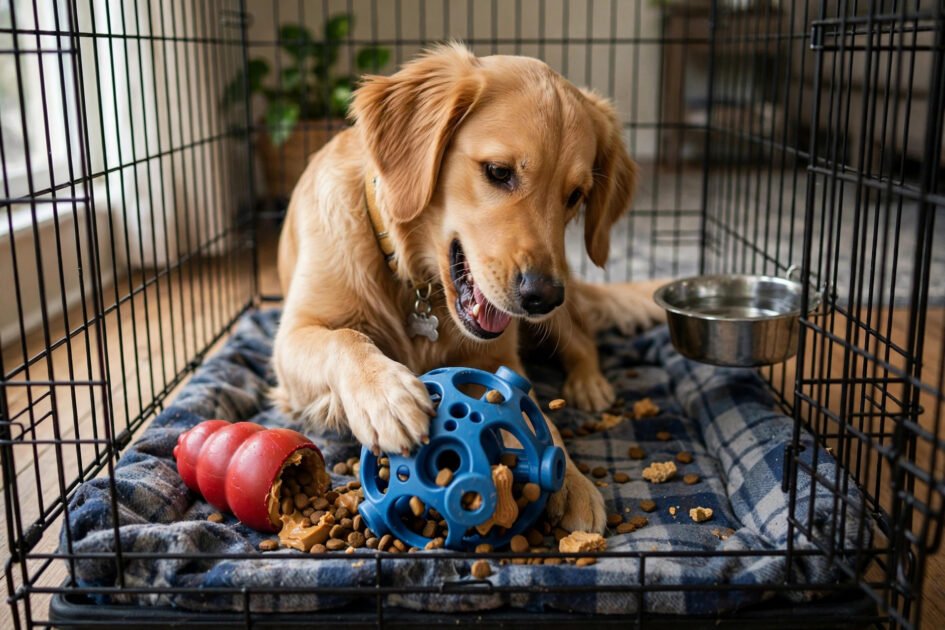
A bored dog in a kennel becomes a destructive or anxious dog. The fix is simple: make the kennel the place where the best things happen. Stuffed Kongs, lick mats with peanut butter, and safe chew toys turn crate time into the highlight of the day.
Rotate toys every few days to keep things novel. A frozen Kong prepared the night before can buy you a peaceful hour in the morning. For puppies, a snuggle toy with a heartbeat simulator can ease the transition during the first lonely nights.
4. Build a Cleaning Routine That Actually Works
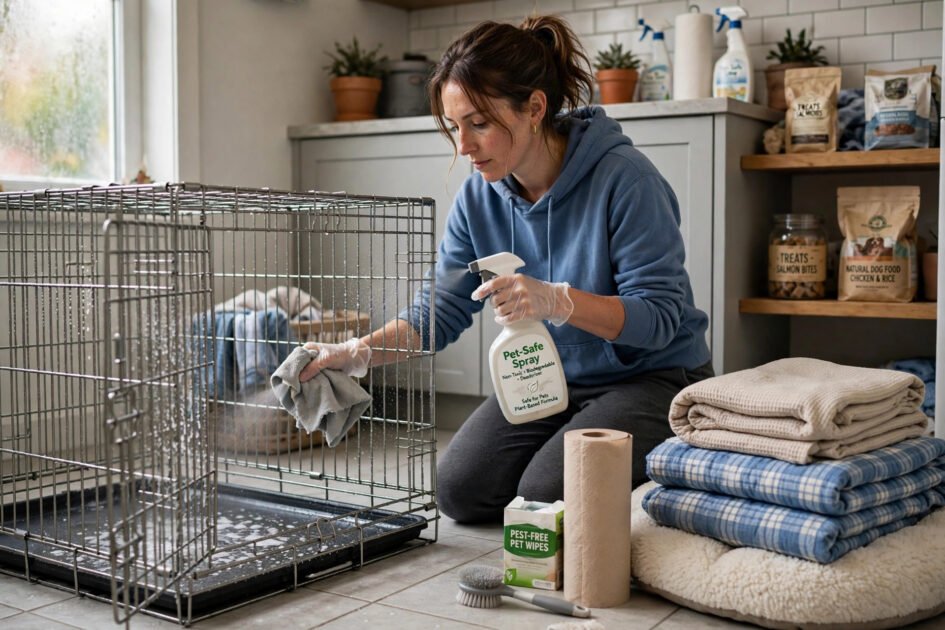
A clean kennel is a healthy kennel. Accidents happen, especially with puppies, and lingering smells encourage repeat offenses. Wash bedding weekly in hot water with fragrance-free detergent, and wipe down the crate tray with a pet-safe enzymatic cleaner.
Do a quick daily check: remove chewed toy fragments, shake out the bedding, and make sure water is fresh if you keep a spill-proof bowl attached. A monthly deep clean keeps the setup safe.
5. Train Positive Kennel Habits From Day One
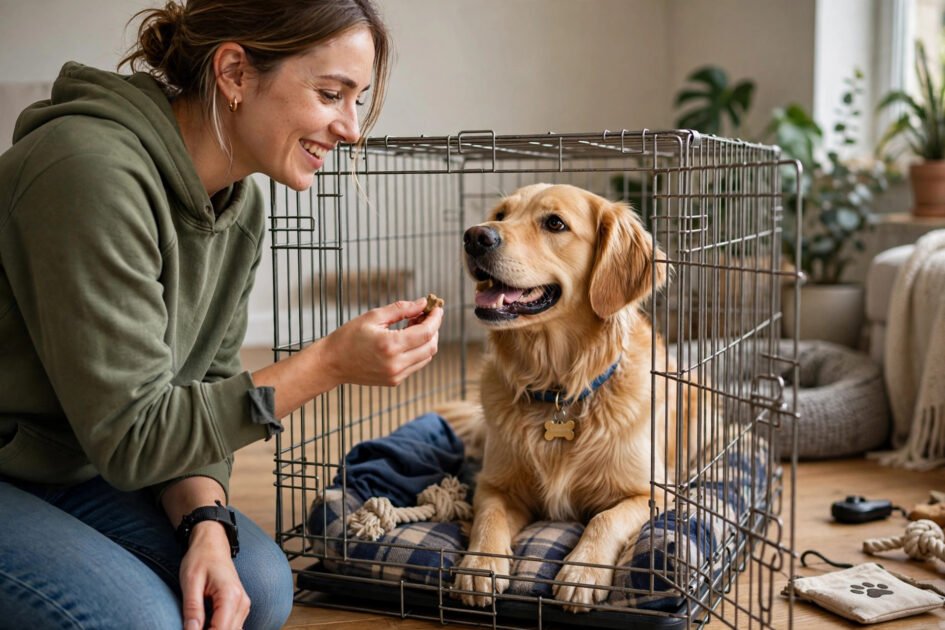
The kennel should never be used as punishment. Every interaction with it should predict good things. Start by tossing treats inside and letting your dog walk in and out freely. Feed meals in the crate. Praise calmly when they choose to enter on their own.
Build duration gradually. Close the door for a few seconds, then open before your dog fusses. Extend the time slowly over days and weeks. If your dog cries, you’ve moved too fast, back up a step and rebuild.
FAQs
How long can a dog stay in a kennel?
A good rule is one hour per month of age for puppies, up to about four hours. Healthy adult dogs can handle longer stretches, but eight hours should be the absolute maximum, and only with proper exercise before and after.
Should I put water in the kennel?
For short stays, water isn’t necessary. For longer periods, attach a spill-proof bowl or a crate water bottle. Always remove water about two hours before bedtime for puppies who are still house training.
What if my dog hates the kennel?
Go back to basics: treats tossed inside, door always open, zero pressure. Most “kennel hatred” comes from moving too fast or using the crate as punishment. Rebuild the positive association patiently and progress will come.
Is it cruel to kennel a dog?
Not when done correctly. Dogs are den animals, and a properly introduced kennel becomes a comforting safe space. Problems arise only from excessive confinement, poor sizing, or negative associations, all of which are avoidable.
When can I stop using the kennel?
Many dogs graduate to free-roaming between one and two years old, once they’re reliably house trained and past the destructive chewing phase. Keep the kennel available even after, many dogs continue using it as their favorite nap spot.
The Bottom Line
A great dog training kennel setup comes down to comfort, safety, and positive associations. Choose the right size, place it thoughtfully, keep it clean and enriching, and train with patience. Do that, and the kennel becomes your dog’s favorite room in the house.