


This Saturday, October 10, is World Mental Health Day 2026 — and if you share your home with a dog, you already know one of the most powerful wellness tools does not come in a bottle. It comes with four paws, a wagging tail, and an uncanny ability to know exactly when you need it.
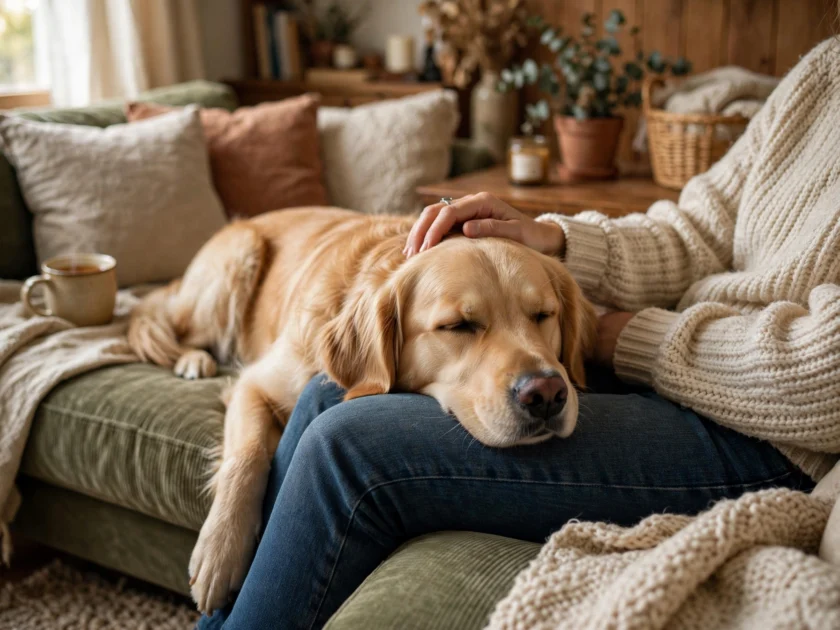
The official 2026 theme is “Lived experiences heard: real voices, real change” — a reminder that mental health is personal, and that support often comes from the most unexpected places. For millions of people, that place is the warm weight of a dog leaning against their leg at the end of a hard day.
This is not about replacing professional care — it is about recognizing what science keeps confirming: the bond between humans and dogs genuinely supports emotional wellbeing. Here are 10 evidence-backed ways your dog looks after your mind, plus the science behind it and how to return the favor.
What the 2026 Theme Means for Dog Owners

“Lived experiences heard” is about taking real, everyday experiences seriously — including the quiet ways our animals shape our inner lives. You do not need a study to tell you that your dog notices your mood; you have lived it. The theme invites us to honor those lived experiences instead of dismissing them as “just a pet thing.”
So this World Mental Health Day, consider your dog not just a companion but a partner in your wellbeing — one who asks for nothing but showing up, a walk, and the occasional treat.
10 Ways Your Dog Supports Your Mental Health

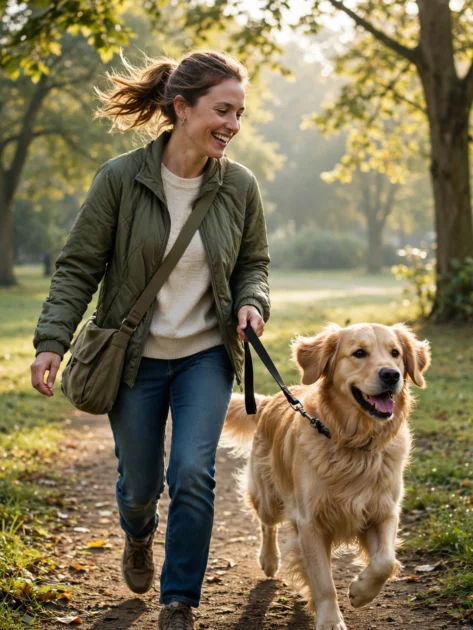
- They get you moving. Dogs need walks, and walks are one of the most reliable mood-lifters there is. Even a short daily walk adds movement, daylight, and fresh air to your routine.
- They create routine. Feeding times, walks, and bedtime rituals give the day structure. For anyone whose mind feels chaotic, that external rhythm is grounding.
- They ease loneliness. A dog’s presence fills a home. Coming back to someone who is genuinely thrilled to see you — every single time — chips away at isolation.
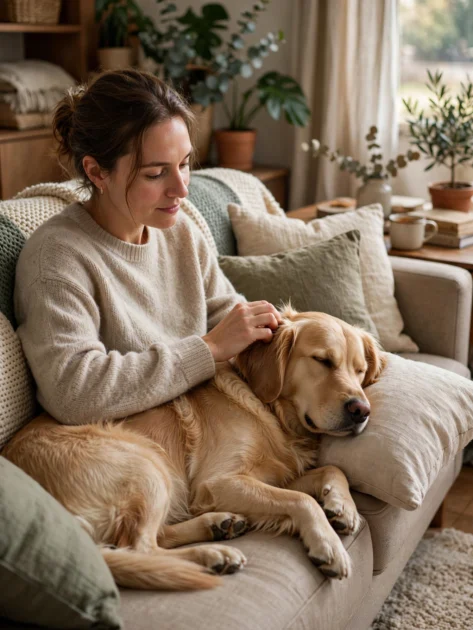
- They lower stress in the moment. Stroking a dog, playing fetch, or just sitting together has been shown to ease tension and slow a racing mind. It is comfort you can feel in real time.
- They make you laugh. The zoomies, the head tilt, the dramatic sigh before a nap — dogs are daily comedy, and laughter is one of the fastest ways to shift a mood.
- They help you meet people. Dogs are natural icebreakers. Conversations at the park, nods on the trail, friendships formed over sniffing dogs — social connection often starts at the end of a leash.
- They give you purpose. Being needed matters. Knowing another living being depends on you can be a powerful anchor on days when motivation is thin.
- They listen without judgment. You can tell a dog anything. They will not offer unsolicited advice, change the subject, or look at their phone. Sometimes being heard is enough.
- They help children build confidence. Kids with dogs often show stronger self-esteem and social skills — a patient, non-judgmental friend during the years it matters most.
- They keep you present. Dogs live entirely in the now. Watching them be fully, joyfully present is a gentle reminder to put the phone down and join them there.







The Science Behind the Human-Dog Bond
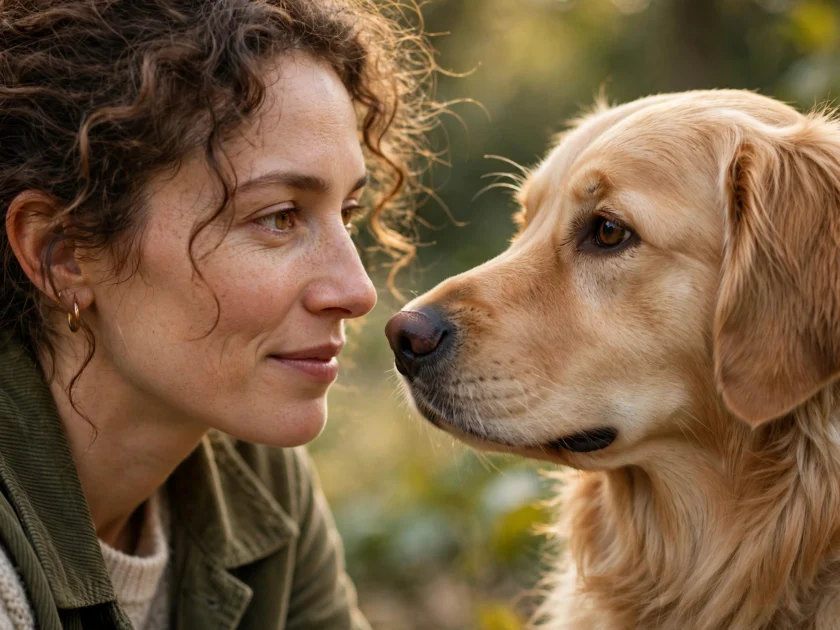
This is not just sentiment — researchers have been documenting the human-dog bond for decades. Studies have found that interacting with dogs is linked with lower blood pressure, reduced levels of stress hormones, and increases in oxytocin, the hormone associated with bonding and trust. The effect appears to go both ways: when you and your dog lock eyes, you both get the oxytocin boost.
Researchers have also observed that pet owners often report steadier daily mood and that caring for an animal encourages healthy routines — regular sleep, outdoor time, and physical activity — that independently support mental wellbeing. The bond works through simple, repeated exchanges: a walk, a cuddle, a game. Small moments, compounding over years.
Therapy Dogs vs. Your Own Dog: What’s the Difference
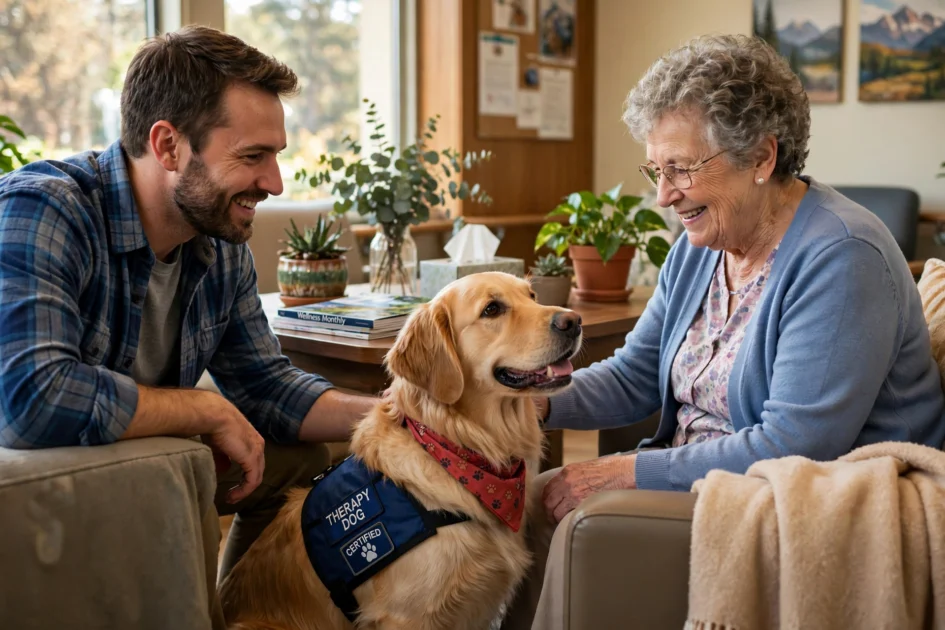
You may have heard of therapy dogs — trained dogs who visit hospitals, schools, and care homes to comfort people. They do wonderful work, and the research on their visits is genuinely encouraging.
But here is the good news: you do not need a trained therapy dog to feel the benefits. The everyday companionship of your own pet — the walks, the routines, the quiet company — delivers many of the same ingredients: physical touch, social connection, routine, and unconditional positive regard. A therapy dog is a specialist; your dog is the daily practice.
Caring for the Dog Who Cares for You
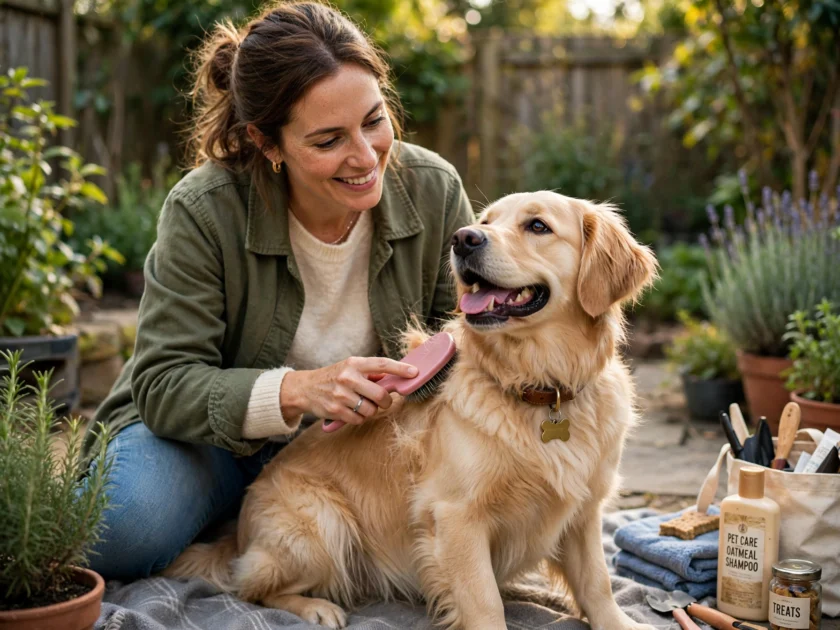
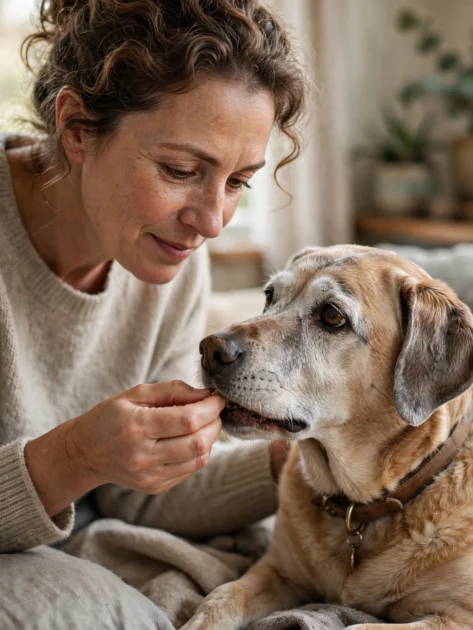
The bond runs both directions, and World Mental Health Day is a good moment to check in on the four-legged half of the partnership. A dog who supports your wellbeing deserves the same attention to theirs:
- Keep the routine. Dogs thrive on predictability — regular meals, walks, and rest keep them calm and happy.
- Watch for their stress signals. Excessive licking, yawning, hiding, or appetite changes can mean your dog is unsettled too.
- Make time for play. Mental stimulation — training games, sniff walks, puzzle feeders — matters as much as physical exercise.
- Do not skip vet care. Regular checkups catch small issues before they become big ones, for body and behavior alike.

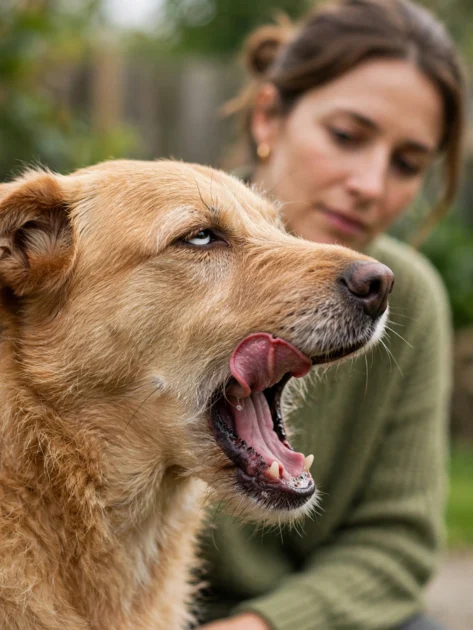

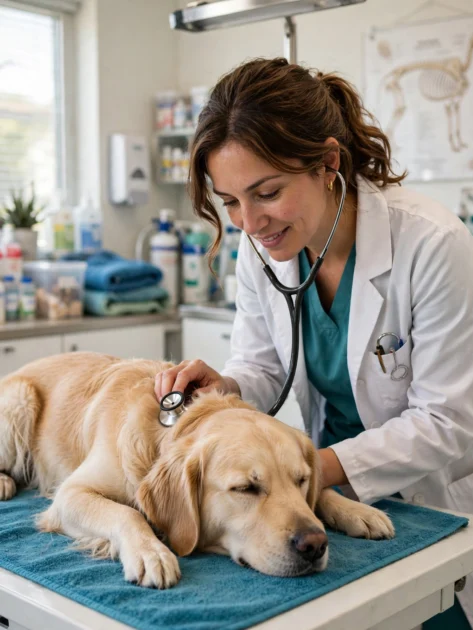
Looking after them is not separate from looking after yourself — it is part of the same loop.
Frequently Asked Questions
Can a dog really help with mental health?
Many people find that dogs support their emotional wellbeing through companionship, routine, physical activity, and stress relief, and research supports these links. A dog is a complement to — never a replacement for — professional mental health care. If you are struggling, please talk to a qualified professional.
What is the World Mental Health Day 2026 theme?
The 2026 theme is “Lived experiences heard: real voices, real change,” emphasizing that real, everyday experiences — including the support we get from animals — deserve to be taken seriously.
Do I need a trained therapy dog to feel the benefits?
No. While trained therapy dogs do valuable work in hospitals and schools, studies suggest everyday pet companionship provides many of the same building blocks: touch, routine, activity, and social connection.
What if I feel guilty that my dog picks up on my stress?
Dogs are remarkably attuned to our emotions, and it is normal to worry. The best response is practical: keep their routine steady, give them outlets for play, and remember that your bond is resilient. If your dog shows persistent signs of stress, your vet can help.
When should I seek professional help?
If low mood, anxiety, or stress is persistent, worsening, or interfering with daily life, reach out to a mental health professional or a local helpline. Support from a dog is wonderful — professional support is essential when you need it.
Final Thoughts
World Mental Health Day 2026 asks us to listen to lived experience. And the lived experience of dog owners everywhere says the same thing: the creature asleep at your feet is doing more for your mind than you probably give them credit for. This October 10, take the long walk, skip the rushed morning, and notice what your dog has been telling you all along.
For happier walks together, avoid these common dog-walking mistakes, and learn more about the research on animal-assisted therapy on Wikipedia.