

Best eco friendly pet products as more people across the United States become environmentally conscious, sustainability is no longer just a lifestyle—it’s a responsibility. Pet owners are realizing that their furry friends also have an environmental impact, from plastic toys and chemical-based shampoos to non-biodegradable waste bags. Fortunately, a growing number of eco-friendly pet products are making it easier than ever to reduce your carbon pawprint without compromising on quality or comfort.
Choosing eco-friendly pet products not only benefits the planet but also supports your pet’s health. Many traditional products contain synthetic materials, dyes, and chemicals that can cause irritation or harm. Sustainable alternatives use natural, safe ingredients and durable materials that last longer.
In this guide, we’ll explore some of the best eco-friendly pet products available today—from toys and grooming supplies to food and bedding—and share tips on how to make greener choices for your beloved companion.
Best Eco Friendly Pet Products
1. Why Choose Eco-Friendly Pet Products?
The pet industry has a massive environmental footprint. Millions of tons of plastic waste, packaging materials, and disposable pet accessories end up in landfills every year. Even pet food production contributes to greenhouse gas emissions and resource consumption.
By choosing eco-friendly products, you can help minimize this impact. These products are designed to:
- Reduce waste through recyclable or biodegradable materials
- Use natural, non-toxic ingredients
- Support sustainable farming and ethical sourcing
- Last longer, reducing frequent replacements
Eco-conscious choices benefit not only the environment but also your pet’s well-being. Natural materials are gentler on skin, paws, and digestion, helping your pet live a healthier, happier life.

2. Sustainable Pet Food Options
Pet food is one of the biggest contributors to a pet’s environmental impact. Traditional kibble production often relies on meat sourced from intensive farming, which has a high carbon footprint. Switching to sustainable brands or responsibly sourced ingredients can make a big difference.
Look for food brands that use:
- Ethically sourced proteins, such as wild-caught fish or free-range meats
- Insect-based proteins (a new trend offering high nutrition with low impact)
- Organic fruits, vegetables, and grains
- Minimal, recyclable packaging
Some eco-conscious brands even use surplus food ingredients that would otherwise go to waste. For homemade feeders, preparing your pet’s meals with local, fresh ingredients can also reduce packaging and transportation emissions.
Always consult your vet before changing your pet’s diet, but opting for responsibly made food is a great first step toward sustainability.
3. Biodegradable Pet Waste Bags
Plastic waste bags are a hidden environmental issue. Millions of them end up in landfills every year, where they can take centuries to decompose. Thankfully, biodegradable and compostable pet waste bags are widely available now.
These eco-friendly alternatives are made from plant-based materials such as cornstarch or vegetable-based resins. They break down much faster than regular plastic and don’t release toxic residues.
When purchasing, make sure the bags are certified compostable or biodegradable under U.S. standards. This ensures they’ll decompose naturally without leaving microplastics behind.
Pairing biodegradable waste bags with responsible disposal habits can significantly reduce your pet’s waste footprint.
4. Eco-Friendly Pet Toys
Pets love to chew, chase, and tug—but most toys are made from cheap plastics and synthetic fabrics that aren’t recyclable. Over time, they end up in landfills or break into harmful microplastics.
Eco-friendly toys are a fun and sustainable solution. Look for options made from:
- Recycled rubber or plastic
- Organic cotton and hemp
- Natural wool or jute rope
- Untreated wood
These materials are durable, safe, and biodegradable. Some companies even upcycle old materials into new pet toys, reducing overall waste.
You can also try DIY toys at home—like braiding old t-shirts into tug ropes or using empty cardboard boxes for play. These small changes are cost-effective and great for the planet.
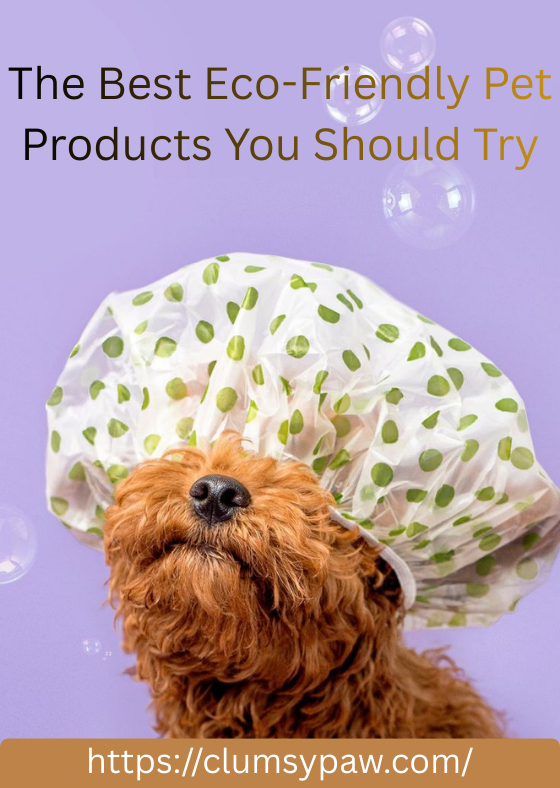
5. Natural Grooming Products
Your pet’s grooming routine is another area where sustainability matters. Many conventional shampoos and conditioners contain sulfates, parabens, and synthetic fragrances that can irritate your pet’s skin and harm aquatic life once washed down the drain.
Eco-friendly grooming products use plant-based, biodegradable ingredients that clean gently and naturally. Look for:
- Shampoos with oatmeal, aloe vera, or coconut oil
- Cruelty-free, vegan, and pH-balanced formulas
- Recyclable or refillable containers
Solid shampoo bars are another eco-conscious option. They eliminate plastic packaging and last longer than liquid shampoos. Combined with reusable grooming tools like bamboo brushes, these products create a greener, healthier grooming routine for your pet. Read about How to Find Reliable Pet Sitters Tips Every Pet Parent Should Know
6. Sustainable Bedding and Blankets
Pets spend much of their time resting, so their bedding should be safe, comfortable, and environmentally friendly. Many traditional beds are made with synthetic foam and polyester, which are difficult to recycle and often treated with chemicals.
Eco-friendly bedding options include:
- Beds made from recycled plastic bottles
- Organic cotton, hemp, or bamboo covers
- Natural latex or coconut fiber fillings
- Recycled or upcycled fabrics
Some companies even offer pet beds made from repurposed furniture or materials that would otherwise be discarded. These not only look stylish but also help minimize waste.
When it’s time for a new bed, consider donating the old one if it’s still in good condition—many animal shelters appreciate gently used supplies.
7. Refillable and Recyclable Pet Accessories
From shampoo bottles to food containers, pet ownership often involves a lot of plastic packaging. Switching to refillable or recyclable accessories can reduce your household waste significantly.
Choose items like:
- Refillable water bottles for walks
- Stainless steel or bamboo feeding bowls instead of plastic
- Glass or tin containers for storing treats
- Collars and leashes made from cork, hemp, or recycled nylon
Reusable grooming wipes and washable pee pads also help cut down single-use waste. While these items may cost more upfront, they last longer and save money over time.
8. Eco Friendly Litter and Waste Solutions
Cat litter, in particular, is a big source of waste. Traditional clay-based litter is mined through environmentally damaging processes and often contains artificial scents or dust that can irritate pets’ respiratory systems.
Eco-friendly litters are made from renewable or biodegradable materials such as:
- Recycled paper
- Coconut husk
- Corn, wheat, or wood pellets
These options are lightweight, compostable, and safer for both pets and humans. Some also control odors naturally without harsh chemicals.
For dog owners, consider installing a pet waste composting system in your yard—just make sure it’s designed for pet waste and not mixed with regular compost.
9. Organic and Sustainable Treats
Just like human snacks, pet treats can be filled with preservatives, artificial flavors, and excessive packaging. Eco-friendly treats prioritize natural, organic ingredients sourced from ethical farms.
Choose brands that use:
- Human-grade ingredients
- Minimal packaging
- Local sourcing to reduce transportation emissions
Homemade treats are another excellent eco-option. Baking your own pet snacks with ingredients like oats, pumpkin, or peanut butter lets you control quality while eliminating packaging waste.
Store homemade treats in glass jars or reusable tins to keep them fresh and plastic-free.
10. Green Pet Cleaning Products
Maintaining a clean home doesn’t have to come at the expense of the environment—or your pet’s health. Many commercial cleaners contain ammonia or bleach, which can be harmful to animals.
Eco-friendly cleaning products use non-toxic, biodegradable ingredients that safely clean up pet messes. You can even make your own cleaner at home with vinegar, baking soda, and lemon juice for a simple, natural alternative.
Wash reusable cleaning cloths instead of using paper towels, and choose plant-based disinfectants that are safe around pets. Keeping your home fresh and clean can be just as effective—without the environmental guilt.
11. Upcycled Pet Gear
Upcycling is one of the most creative ways to go green. Many small businesses now craft pet products from reclaimed materials—like leashes made from old climbing ropes or beds made from recycled denim.
These products not only reduce landfill waste but also have a unique, handcrafted charm. Supporting such businesses promotes sustainability and craftsmanship while adding a personal touch to your pet’s gear.
You can also upcycle at home by reusing containers, sewing old fabrics into blankets, or repurposing furniture into cozy pet spaces.
12. Eco-Conscious Travel Accessories
Traveling with pets can be fun, but it often involves disposable items. Instead, pack sustainably by using:
- Reusable water bottles and collapsible silicone bowls
- Washable travel mats or carriers made from recycled fabric
- Compostable waste bags
- Solar-powered gadgets for outdoor adventures
Eco-friendly travel products make trips convenient while keeping your carbon footprint low. They’re especially useful for road trips, camping, and hiking with your pet.
13. Supporting Eco-Friendly Brands
When shopping for pet supplies, do a little research into each brand’s sustainability practices. Look for transparency about sourcing, packaging, and environmental impact.
Brands that prioritize cruelty-free testing, renewable materials, and charitable initiatives for animal welfare often have the most meaningful impact. Supporting them encourages other companies to follow suit and helps push the entire industry toward greener practices.
14. How to Build a More Sustainable Pet Routine
Sustainability isn’t just about products—it’s about habits. Small lifestyle changes can make a big difference in your pet’s overall environmental impact.
You can:
- Recycle packaging and reuse containers
- Donate unused supplies to local shelters
- Walk instead of driving to nearby parks
- Reduce water use during grooming
- Compost biodegradable pet waste responsibly
These actions, combined with mindful purchasing, make your pet care routine greener and more efficient.
15. The Long-Term Benefits
Choosing eco-friendly pet products is an investment in your pet’s health, your community, and the planet’s future. Over time, these decisions help:
- Decrease pollution and waste
- Support ethical manufacturing
- Improve pet health through natural ingredients
- Inspire others to adopt sustainable habits
The impact of one household may seem small, but collectively, millions of pet owners making greener choices create powerful change. By adopting eco-friendly habits now, you’re helping ensure a cleaner, safer world for both people and pets.
Conclusion
Sustainability doesn’t have to be complicated—it starts with simple choices. Switching to eco-friendly pet products allows you to care for your furry friend while protecting the environment. Whether it’s choosing biodegradable waste bags, organic treats, or natural grooming products, every step matters.
The growing variety of sustainable pet brands means you no longer have to choose between quality and eco-consciousness. With thoughtful decisions, you can build a pet care routine that’s healthy for your companion and kind to the planet.