

Introduction
There is a moment every Poodle owner knows well. You are sitting on the sofa, minding your own business, when a curly head appears over the armrest, rests gently on your knee, and a pair of dark, knowing eyes looks straight into yours. It is not begging, exactly. It is a polite reminder that you have a very clever companion in the house and that it would be lovely if you paid attention right now.
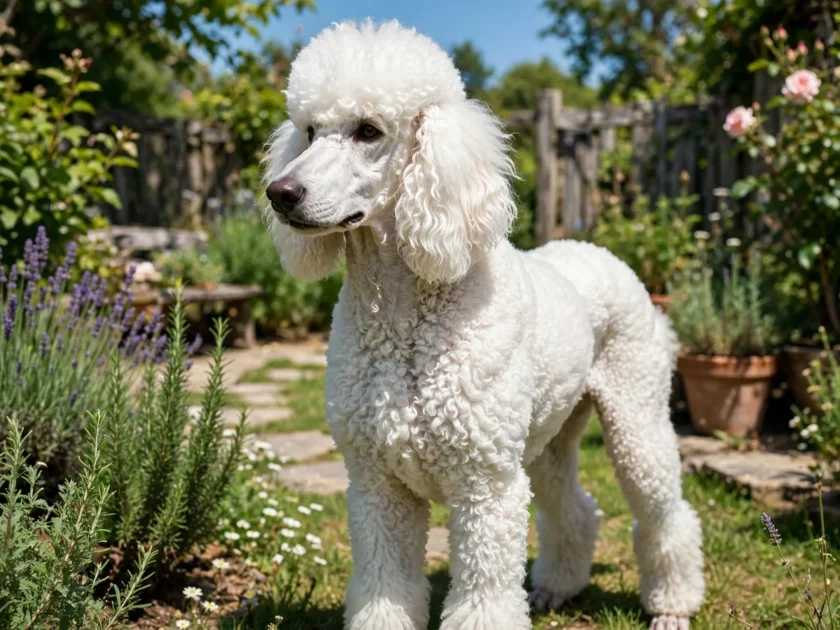
Behind the fancy haircut and the elegant reputation sits one of the smartest dogs on the planet. Poodles were originally water retrievers in Germany and France, bred to leap into cold water and fetch game, which explains the athletic body hiding under all that curl. Today they come in three sizes, Standard, Miniature, and Toy, and they shine as family pets, therapy dogs, agility stars, and loyal best friends.

Characteristics
Poodles come in three sizes, so there is genuinely a version for most homes. Standard Poodles stand over fifteen inches tall and usually weigh between twenty and thirty-two kilograms, Miniature Poodles stand ten to fifteen inches and weigh around five to eight kilograms, and Toy Poodles stand under ten inches and weigh roughly two to four kilograms. All three share the same dense, curly coat, which can be black, white, apricot, grey, brown, or red.
Temperament is where Poodles truly win people over. They are bright, sensitive, and eager to please, and they read human moods with almost unsettling accuracy. A Poodle will notice when you are sad before you have said a word, and will quietly press itself against your leg in comfort. They are lively without being frantic, proud without being snobbish, and they love to learn new things.
Habits and Behaviour
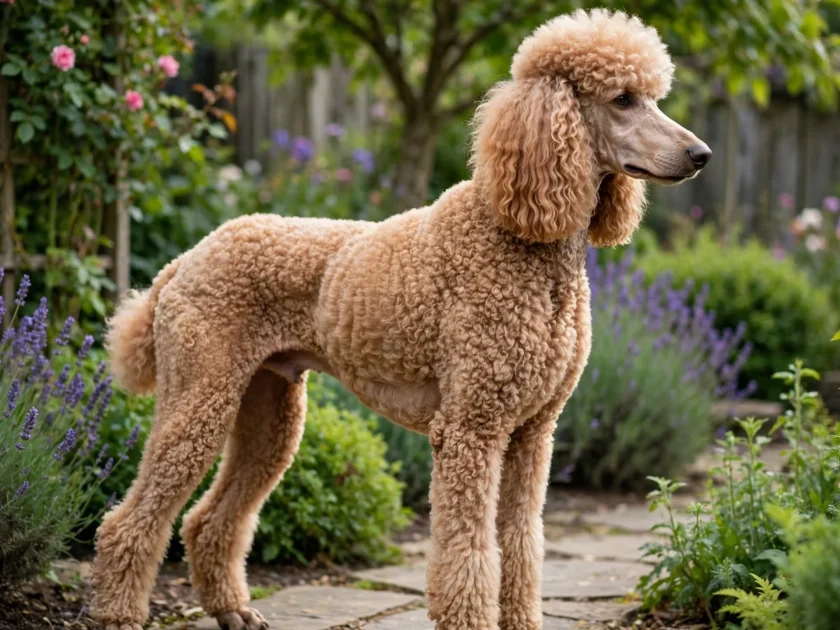
A typical Poodle day starts with a burst of enthusiasm. Breakfast is greeted like a grand event, the morning walk is a chance to sniff everything twice, and then comes the best part of the day: being with you. Poodles follow their people from room to room, not out of anxiety but out of genuine interest, and they like to know what you are doing at all times.
Exercise needs depend on size, but all Poodles need daily activity, usually forty-five to ninety minutes for a Standard and a little less for a Miniature or Toy, plus play and training. They adore learning, so short, fun training sessions with praise and treats are ideal, and they excel at agility, obedience, and trick training. With children they are usually gentle and playful, especially the larger varieties, although Toy Poodles need careful handling because of their tiny size.

Common Diseases and Health Problems
Poodles are generally healthy dogs, but like every breed they have their own list of conditions worth knowing. Hip dysplasia can affect Standard Poodles, causing stiffness and pain in the hips, while smaller Poodles are more prone to luxating patella, where the kneecap slips out of place and the dog skips a step or holds a back leg up.
Other conditions include Addison disease, where the adrenal glands do not make enough hormones and the dog becomes lethargic, loses appetite, or vomits, and epilepsy, which can cause seizures. Bloat is a risk for Standard Poodles because of their deep chest, and it is a genuine emergency. Skin allergies, ear infections, and dental disease are also common, partly because of those long, floppy ears and crowded little mouths.

Solutions and Prevention
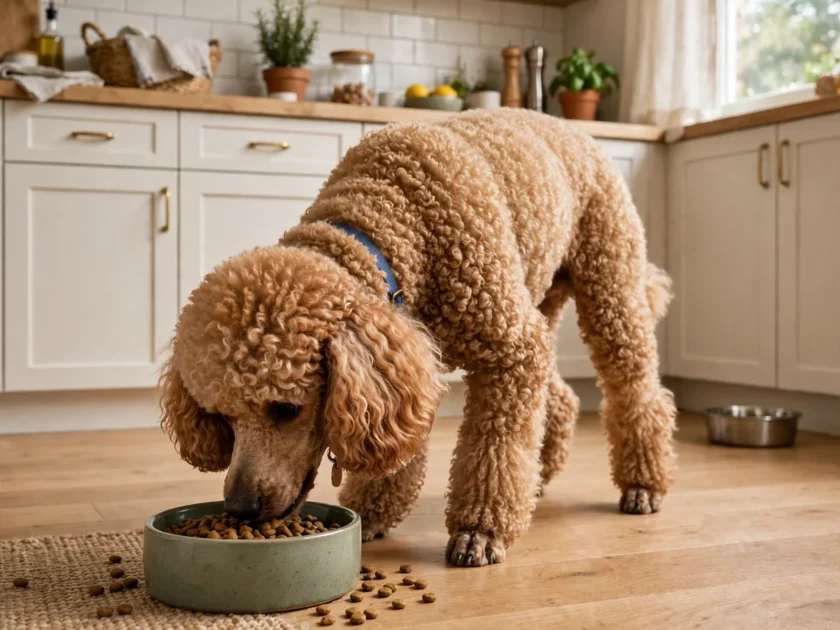
Prevention begins with choosing a responsible breeder who tests parent dogs for hip dysplasia, eye diseases, and other inherited conditions, and who is happy to show you the paperwork. Ask about the health history of the parents and grandparents, because a breeder who is open about health is a breeder who cares. Once your Poodle is home, keep its weight healthy, since extra weight worsens joint problems, and feed a balanced diet suited to its size and age.
Take your Poodle to the vet at least once a year for a full check-up, including eyes, teeth, ears, and joints, and do not ignore small changes. Watch for limping or skipping steps, cloudy eyes, repeated vomiting or lethargy, a swollen belly, restlessness, or a persistent cough. Clean ears regularly, brush teeth several times a week, and keep up with vaccinations and parasite prevention.
Grooming and Cleaning
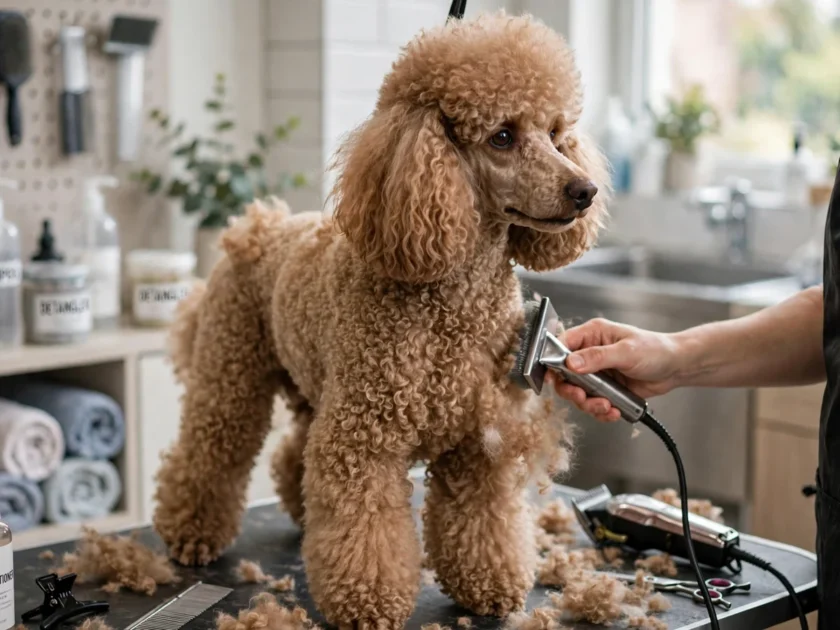
Here is the honest truth about Poodles: that beautiful curly coat is low shedding, which is wonderful for allergy-prone homes, but it is not low maintenance. Without regular brushing, those curls mat quickly and painfully, so brush every two or three days with a slicker brush, working gently through the coat right down to the skin.
Bathing is usually needed every three to four weeks, using a gentle dog shampoo, and the coat should be dried thoroughly, because damp curls mat fast. Those long ears trap moisture, so check them weekly and clean them with a vet-approved solution, watching for redness or a strong smell. Trim nails every three to four weeks, brush teeth several times a week, and wipe around the eyes daily if tear staining appears.
Living With a Poodle: Care Tips for Owners
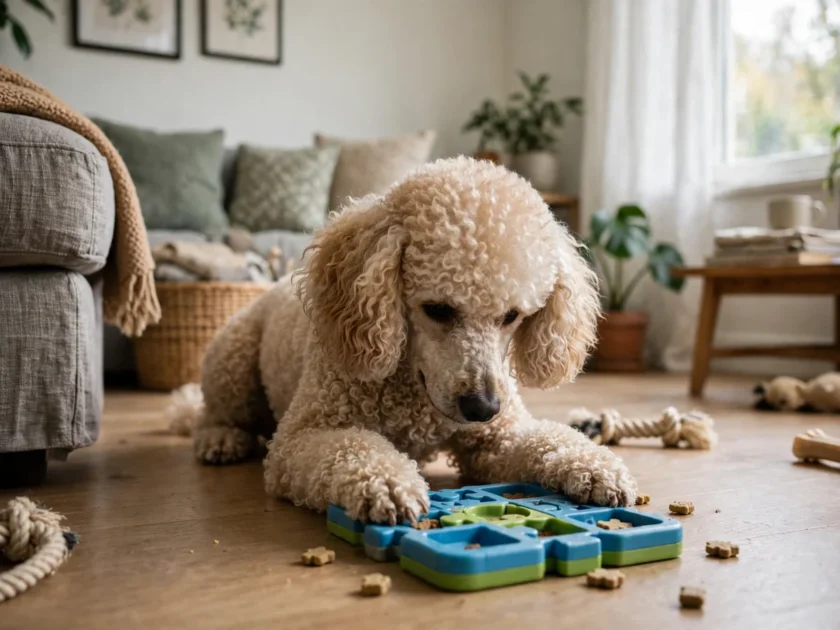
Living with a Poodle is a little like living with a very bright housemate who happens to be covered in curls. Keep its mind busy and life runs smoothly. Puzzle feeders, scent games, short training sessions, and new tricks all count as work for a Poodle, and a Poodle with a job is a happy Poodle.
Poodles suit many homes, from flats to houses with gardens, as long as they get company and activity, and they are one of the best choices among hypoallergenic dog breeds for people who struggle with shedding and dander. Do not leave a Poodle alone for long hours every day, because they bond closely with their people and can develop separation anxiety. If you are out all day, a dog walker or a family member popping in makes a real difference. A Poodle will make you laugh daily and greet you like you have been away for a year, even if you only went to the shop.
Frequently Asked Questions
Are Poodles hypoallergenic?
No dog is completely hypoallergenic, but Poodles are one of the best choices for allergy sufferers because their curly coat sheds very little hair and dander. Regular grooming helps even more, although people with severe allergies should still spend time with a Poodle before committing.
Do Poodles shed?
Poodles shed very little compared with most breeds, because loose hair tends to stay trapped in their curly coat instead of falling on your furniture. That is why regular brushing is so important, as trapped hair can quickly form painful mats if it is not removed.
Are Poodles good with children?
Yes, Poodles are usually gentle, playful, and patient with children, especially Standard and Miniature Poodles. Toy Poodles are more fragile, so young children need to be taught to handle them gently and always be supervised during play.
How much exercise does a Poodle need?
Most Poodles need forty-five to ninety minutes of exercise a day, depending on their size, plus play and mental stimulation. Training, puzzle toys, and agility are all excellent ways to tire out a clever Poodle without simply walking for hours.
How long do Poodles live?
Poodles usually live for ten to eighteen years, with Toy and Miniature Poodles often living longer than Standards. Good breeding, a healthy weight, regular vet checks, and proper dental care all help them enjoy a long life, and you can learn more on the Poodle page on Wikipedia.