
Introduction
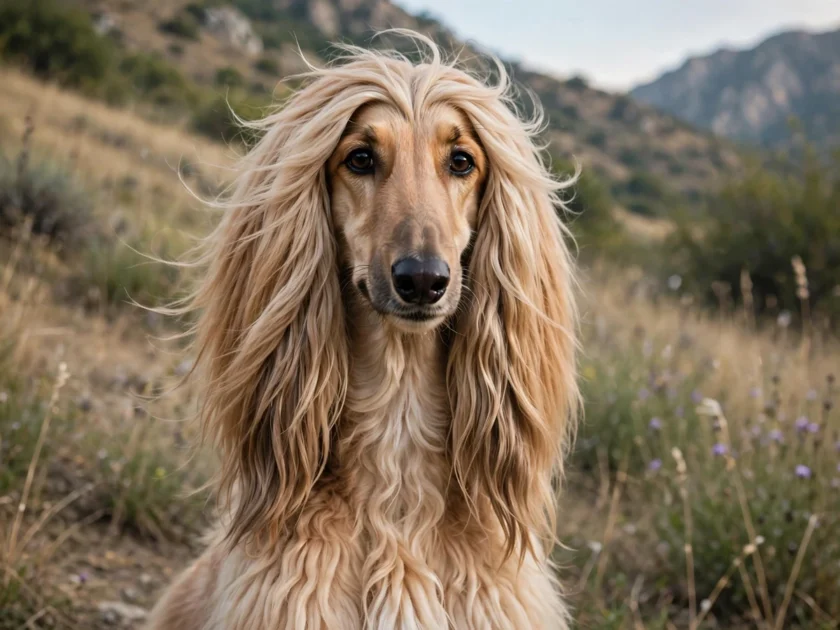
There is a moment every Afghan Hound owner knows well. You are walking through the park when heads turn, because a tall and elegant dog with a long silky coat is gliding beside you like a model on a runway. That is the charm of the Afghan Hound, one of the oldest and most beautiful dog breeds in the world. This ancient sighthound comes from the cold mountains and deserts of Afghanistan, where it was bred to hunt large game across rough ground, using its speed, its keen eyesight, and its stamina to chase prey that other dogs could not catch.
Today the Afghan Hound is a loyal and gentle companion dog, standing about 61 to 73 centimetres tall and weighing about 20 to 27 kilograms, with a long flowing coat that can be black, cream, red, silver, or a mix of colours. The breed was brought to Britain in the early 1900s and was recognised by the American Kennel Club in 1926. He may look like a show dog, but he is also a strong and athletic hunter at heart. He suits owners who love beauty and elegance, but who also understand that a sighthound needs space to run, patient training, and a lot of grooming.

Characteristics
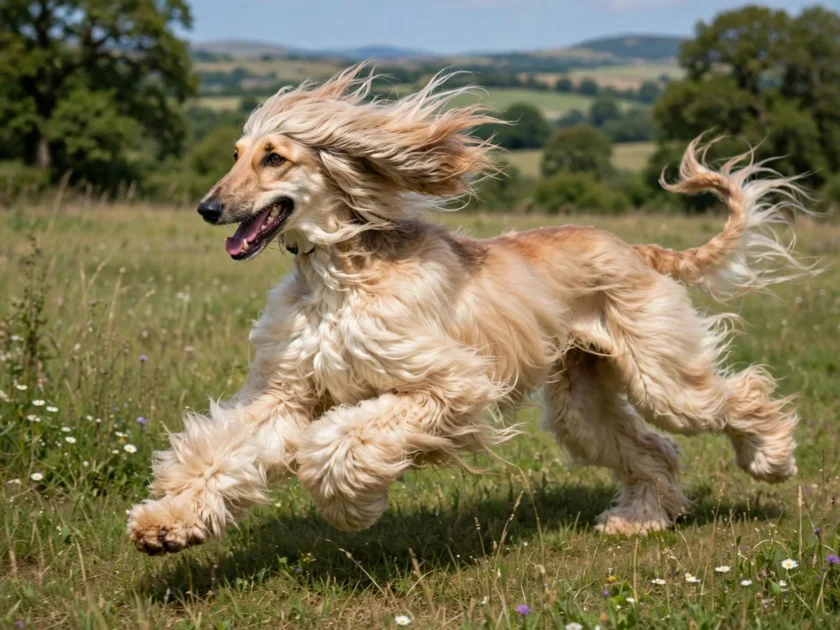
An Afghan Hound is instantly recognisable once you know what to look for. He has a long and narrow head, a proud and aloof expression, dark eyes, and long ears covered in silky hair. His body is strong and lean, his legs are long and powerful, and his coat is long, fine, and silky, falling in soft waves over his back, legs, and tail. The tail curls up at the end in a ring, and the feet are large and well protected by hair, which helped him run over rocky mountain ground. He moves with a smooth and springy gait that looks effortless, even at speed.
Temperament is where the Afghan Hound surprises many people. He is dignified, independent, and sometimes aloof with strangers, yet he is deeply loyal and affectionate with his own family. He is not a dog who follows orders blindly, because he was bred to hunt at a distance from his owner and to make his own decisions. He can be sensitive and quiet at home, and he is usually gentle with children, although his size and energy mean he is better with older children. Like the Siberian Husky, another striking and independent breed, he needs an owner who respects his nature and who enjoys a dog with a mind of its own.

Habits and Behaviour
A typical Afghan Hound day is a mix of calm rest and sudden bursts of energy. He loves to lounge on a sofa or a soft bed for hours, looking like a piece of art, and then he will suddenly spring into life when it is time for a run. He needs a lot of exercise, ideally an hour or more a day, with time to run free in a secure fenced area, because a sighthound who cannot run will become bored and frustrated. He loves to chase, so never let him off the lead in an open area near roads or livestock, because his prey drive is very strong and he can be gone in seconds.
Training works best with patience, kindness, and short sessions, because this breed is intelligent but independent and will not repeat boring exercises just to please you. Use treats, praise, and games to keep him interested, and start socialisation early with different people, dogs, and places, so he grows up confident rather than shy. He can be a little reserved with strangers and may bark to alert you, but he is not usually aggressive. He does not like being left alone for long hours, and he needs company, comfort, and a warm place to sleep, because his thin coat gives him little protection from cold weather.
Common Diseases and Health Problems
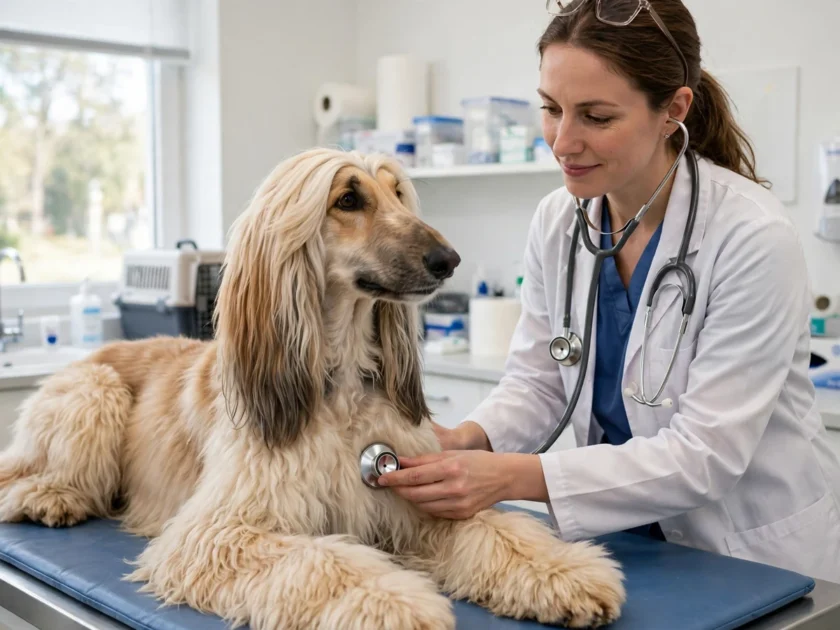
Afghan Hounds are generally healthy dogs, but like every breed they have their own health risks that owners should know by name. One of the most common problems is hip dysplasia, where the hip joint does not fit together properly and causes pain, stiffness, and arthritis as the dog grows older. Eye problems are also worth watching for, including cataracts, which cloud the lens and reduce vision, and generalised progressive retinal atrophy, which slowly damages the retina and can lead to blindness. Hypothyroidism, where the thyroid gland does not make enough hormone, can cause weight gain, a dull coat, and low energy.
Some Afghan Hounds are affected by bloat, also called gastric dilatation-volvulus, where the stomach fills with gas and twists on itself, which is a life-threatening emergency that needs a vet at once. The breed is also known to be sensitive to anaesthesia, so tell your vet about this before any surgery. Other problems seen in the breed include allergies that cause itchy skin, cancer, laryngeal paralysis, which affects the voice box and breathing, dilated cardiomyopathy, a disease of the heart muscle, and chylothorax, a build-up of fluid in the chest. Most Afghan Hounds live for about eleven to fourteen years, with a United Kingdom study finding an average of about eleven years, so regular vet checks and a healthy lifestyle matter a great deal.
Solutions and Prevention
Prevention starts before you even bring an Afghan Hound puppy home. Choose a breeder who health-tests parent dogs for hip dysplasia, eye disease, and thyroid problems, and who is happy to show you the results and talk honestly about the health of the breed. A good breeder will also socialise the puppies, let you meet the mother, and ask you questions about your home and your experience with large dogs, because a careful start makes a healthier and happier adult dog. Ask your vet about the right vaccination and parasite control plan for your puppy, and keep a simple health record so nothing is missed.
Daily care does most of the heavy lifting after that. Feed a good-quality diet in measured meals, and never feed one large meal just before or after heavy exercise, because this can increase the risk of bloat, so split food into two or three smaller meals a day. Give your dog regular exercise in a secure area, keep his weight lean, and watch for limping, coughing, cloudy eyes, or changes in energy or appetite. Take him to the vet at least once a year for a full check-up, including eyes, heart, and joints, and sooner if anything changes. Learn the signs of bloat, such as a swollen belly, restlessness, and trying to vomit without success, because fast action can save a life.
Grooming and Cleaning
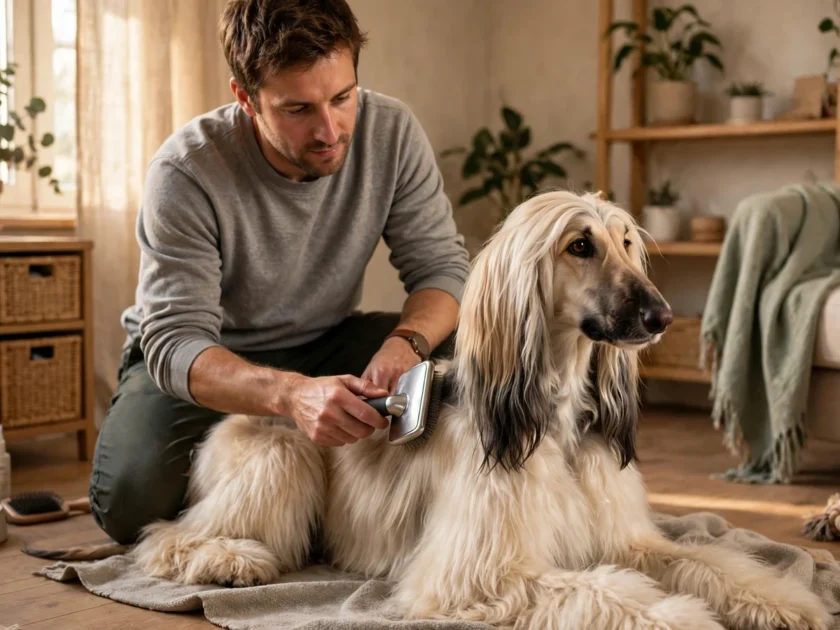
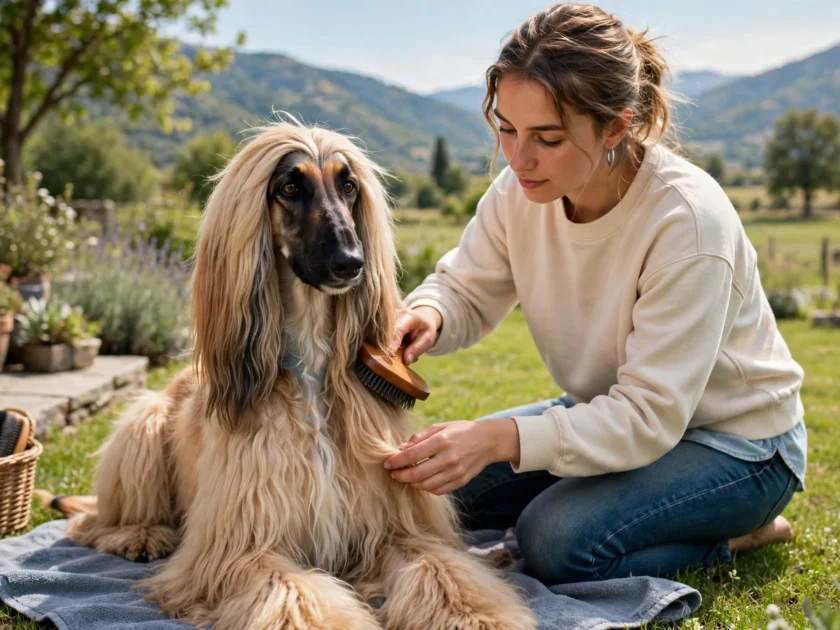
Grooming an Afghan Hound is a serious commitment, and it is the part of owning this breed that surprises many new owners. The long silky coat needs brushing every day, or at least several times a week, with a pin brush and a comb, working through the coat in sections from the skin outwards, so mats do not form close to the skin. Pay extra attention behind the ears, under the legs, and around the tail, where tangles form most easily. Many owners bathe their Afghan Hound every week or two, using a gentle dog shampoo and conditioner, and drying the coat carefully, because a clean coat is much easier to brush than a dirty one.
Trim the hair between the toes and around the feet, so the dog can walk comfortably and does not slip, and check the ears weekly for redness, smell, or dirt, cleaning them gently with a vet-approved cleaner. Trim the nails every few weeks, because long nails make running uncomfortable and can change the way a large dog stands. Brush the teeth several times a week with a dog toothpaste, and wipe the eyes gently if they water. A short grooming routine done little and often keeps this beautiful dog comfortable, and it also gives you time together, which an Afghan Hound quietly enjoys.
Living With a Afghan Hound: Care Tips for Owners
Living with an Afghan Hound means accepting a few elegant truths. Your house will have a tall and graceful shadow following you from room to room, your sofa will rarely be empty, and your dog will have strong opinions about squirrels, cats, and anything that runs. He suits a house with a large secure garden much better than a small flat, and he needs owners who are at home for much of the day and who enjoy long walks and runs. Give him a warm and comfortable bed in a quiet corner, a secure garden with a high fence, and a routine he can rely on, because this breed settles best when life is predictable.
Set boundaries kindly but firmly from puppyhood, because a large and independent dog who is allowed to chase, jump, or ignore recall can become difficult to live with. Teach him to come when called in a safe enclosed area first, keep training sessions short and fun, and reward the behaviour you want to see again. Socialise him with different people, dogs, and places while he is young, and introduce him to children and other pets gently. Give him puzzle feeders and safe toys to keep his clever brain busy, and never leave him alone for long hours every day. With patience, humour, and a little consistency, an Afghan Hound will repay you with years of loyalty, beauty, and quiet companionship.
Frequently Asked Questions
Are Afghan Hounds good family dogs?
Yes, Afghan Hounds can be wonderful family dogs for the right home. They are loyal, gentle, and affectionate with their own family, and they are usually best with older children who are calm and respectful around a large dog.
How much exercise does an Afghan Hound need?
Most adult Afghan Hounds need at least an hour of exercise a day, with time to run free in a secure fenced area, plus walks and play. They are built for speed and stamina, so a short walk around the block is not enough.
Do Afghan Hounds shed a lot?
Afghan Hounds shed very little compared with most breeds, because their long silky coat holds loose hair. Daily brushing removes dead hair and keeps the coat healthy, but it does take a lot of time.
Are Afghan Hounds easy to train?
They are intelligent but independent, so training can be a challenge. They learn best in short, positive sessions with treats, praise, and games, and they need a patient owner who understands sighthounds.
How long do Afghan Hounds live?
Most Afghan Hounds live for eleven to fourteen years. Keeping them lean, giving them regular vet checks, and looking after their eyes, heart, and joints can help them live a longer and healthier life.