
Introduction
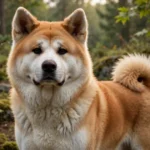
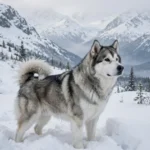
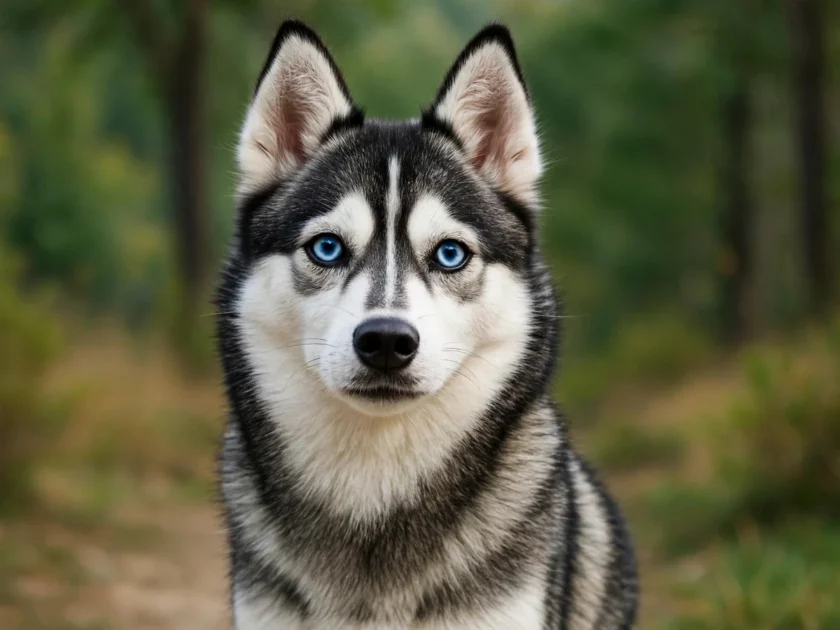
Imagine a Siberian Husky that has been shrunk down to the size of a house cat, with the same striking mask, the same bright eyes and the same pricked ears, but small enough to curl up on your lap. That is the Alaskan Klee Kai, a breed whose very name means “little dog” in the Inuit language. It looks, sounds and thinks like a Husky, yet it fits comfortably in a flat and eats a fraction of what its larger cousin does.
The breed is surprisingly young. It was developed in Wasilla, Alaska, during the 1970s and 1980s by Linda Spurlin, who began with a petite seventeen pound Husky named Curious and crossed her with the Alaskan Husky, the Siberian Husky, the American Eskimo Dog and the Schipperke. Her goal was a companion sized dog with all the beauty of a Husky and none of the bulk.
Characteristics
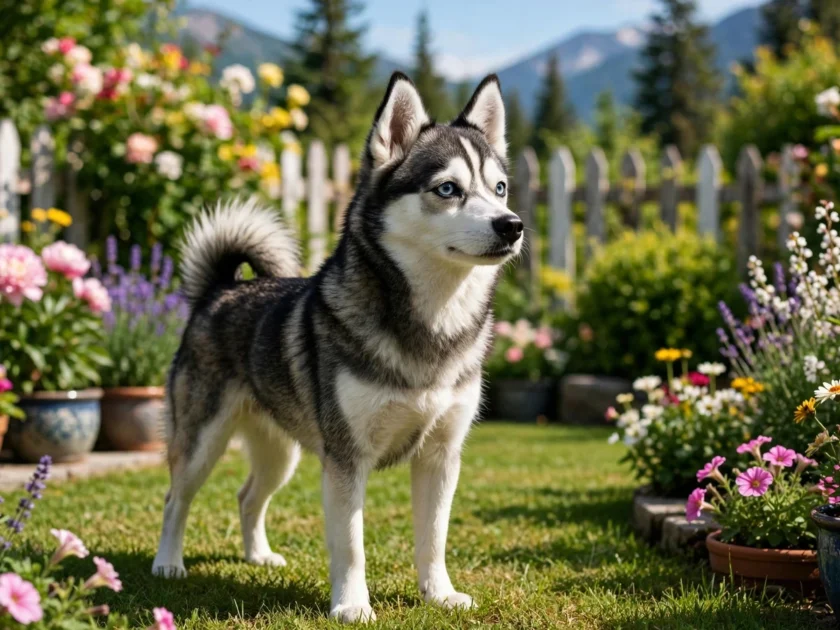
The Alaskan Klee Kai comes in three sizes, which is part of its charm. The Toy stands up to thirteen inches tall and weighs around nine to ten pounds, the Miniature stands thirteen to fifteen inches and weighs ten to fifteen pounds, and the Standard stands fifteen to seventeen inches and weighs fifteen to twenty two pounds. All three share the same look: a thick double coat, a curled tail carried over the back, erect ears and a distinct facial mask.
Coat colours are black and white, grey and white, or red and white, and the breed is never all white. The United Kennel Club recognised the breed in 1997, and the Alaskan Klee Kai entered the American Kennel Club Foundation Stock Service in 2020 before joining the Miscellaneous Class in June 2025, although it is not yet fully recognised by the AKC.
Habits and Behaviour
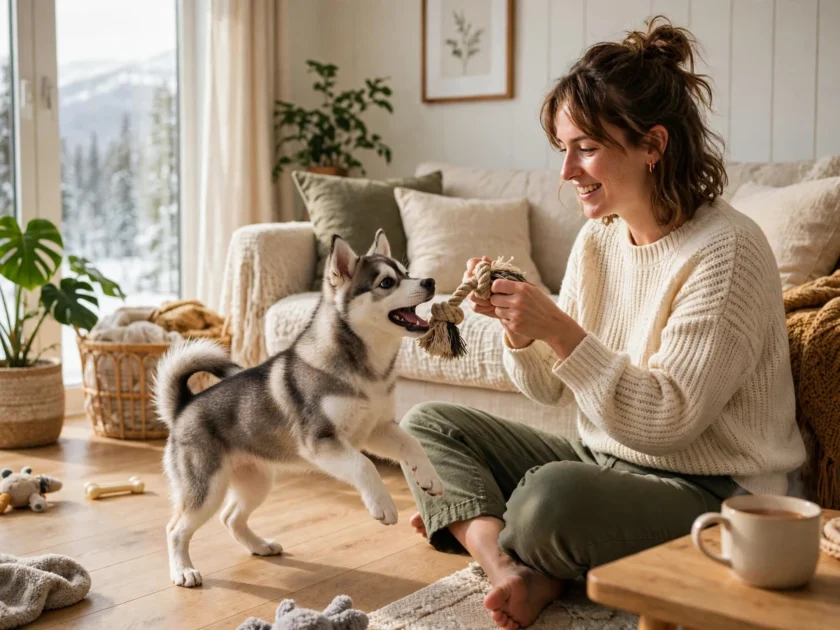
An Alaskan Klee Kai is curious, agile and very intelligent, and it bonds deeply with its own family. With the people it loves, it is affectionate, playful and endlessly entertaining, following its owner from room to room and joining in with whatever is happening. With strangers it is a different story: reserved, watchful and sometimes openly aloof, taking its time to decide whether a new person is worth its attention.
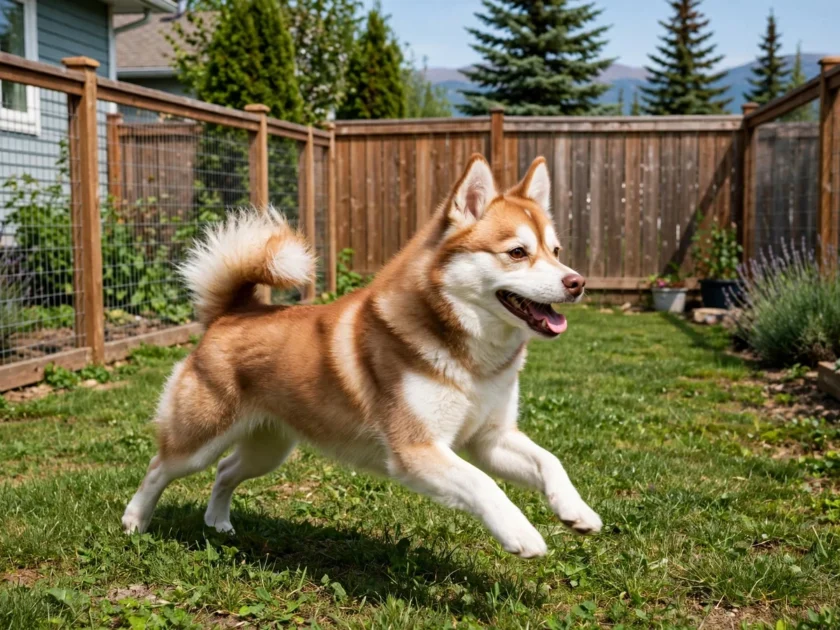
This is also one of the most vocal small breeds you will ever meet. A happy Klee Kai greets you with a cheerful woo woo sound, a frustrated one can let out a dramatic scream, and an excited one will happily hold a conversation with you in yips and howls. The breed has a strong prey drive and a love of running, so it should never be trusted off the lead in an unfenced area, and it needs a securely fenced garden. Expect about an hour of exercise and play every day, and consider agility, because these dogs are fast, nimble and love a challenge. They make good watchdogs, quick to sound the alarm, but they are far too small to be guard dogs.
Common Diseases and Health Problems
The Alaskan Klee Kai is generally a healthy breed with a lifespan of thirteen to sixteen years, which is generous for a dog of its size. Still, owners should know the conditions the breed can be prone to, because early detection makes treatment far easier.
Patellar luxation, where the kneecap slips out of place, can cause a skipping gait or occasional lameness. Juvenile cataracts can cloud the eyes of young dogs and affect their sight. Factor VII deficiency is an inherited bleeding disorder that can cause problems during surgery or after injury, so it is important for your vet to know about it before any procedure. Other concerns include liver shunts, heart defects and autoimmune thyroiditis, a condition where the immune system attacks the thyroid gland.

Solutions and Prevention
Prevention for an Alaskan Klee Kai starts before you even bring your puppy home. Choose a breeder who health tests their breeding dogs for patellar luxation, eye problems and factor VII deficiency, and who is happy to show you the results. Ask about the parents and any known health issues in the line, because a transparent breeder is your best protection against inherited disease.
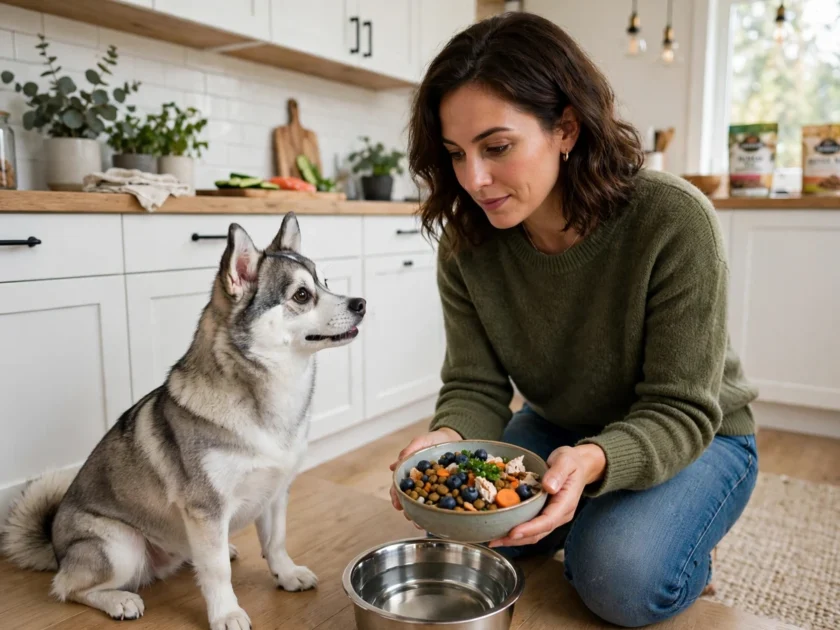
Once your dog is home, keep up with regular vet checks at least once a year, and ask your vet about screening for thyroid problems and heart murmurs as your dog ages. Feed a good quality diet, keep treats modest so the weight stays steady, and give that daily hour of exercise to keep muscles strong and joints supported. Watch for warning signs such as a sudden limp, cloudy eyes, unusual bleeding, lethargy or unexplained weight change, and act early rather than hoping it will pass on its own.
Grooming and Cleaning
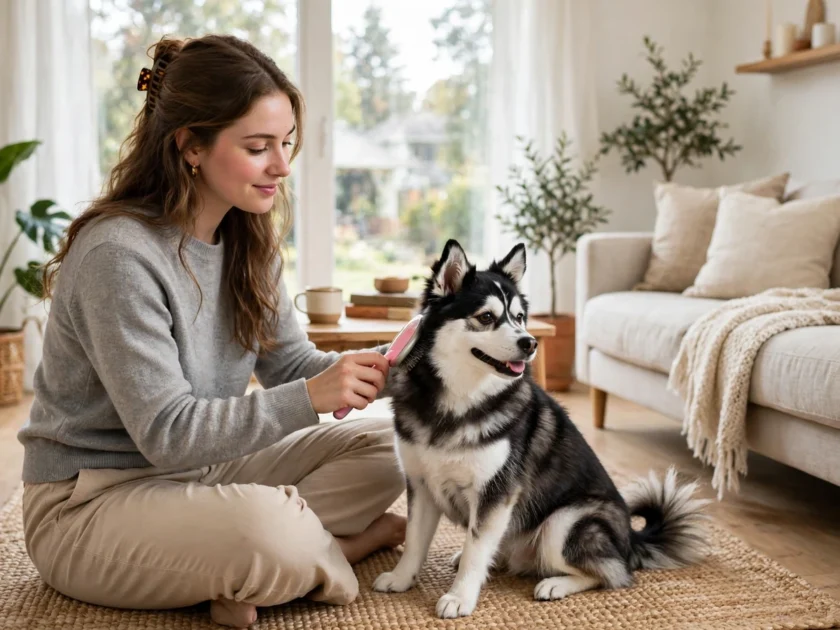
Here is some genuinely good news for anyone who loves the Husky look but dreads the Husky grooming routine: the Alaskan Klee Kai is much easier to care for than its larger cousin. The double coat sheds continuously rather than blowing out in seasonal storms, and a weekly brush is usually enough to keep it looking tidy.
Bathing only needs to happen every month or two, or after a muddy adventure, using a gentle dog shampoo and drying the coat thoroughly afterwards. Check the ears weekly, trim the nails every few weeks, and brush the teeth several times a week with dog toothpaste.
Living With a Alaskan Klee Kai: Care Tips for Owners
The secret to a happy Alaskan Klee Kai is a mix of exercise, company and mental work. That daily hour of walks, play and training is not optional, and puzzle toys, scent games and short agility sessions will keep a clever mind busy and out of mischief. A bored Klee Kai can become a noisy, destructive one, so tire out the body and the brain.
Because the breed bonds so tightly to its family, build up absences gradually from puppyhood and leave a safe chew or puzzle toy when you go out. Keep your garden fence secure and high, never let the dog off the lead in open spaces, and socialise your puppy early with different people, sounds and places so that natural reserve does not harden into fear. Give this little dog daily exercise, a warm bed, regular vet visits and a family that laughs at its funny woo woo conversations, and you will have a loyal, clever companion for many years.
Frequently Asked Questions
Are Alaskan Klee Kai good family dogs?
Yes, they are wonderful family dogs. They are deeply loyal and affectionate with their own people, playful with gentle children, and happiest where someone is around for much of the day.
How big does an Alaskan Klee Kai get?
It depends on the size variety. The Toy stands up to thirteen inches tall and weighs around nine to ten pounds, the Miniature is thirteen to fifteen inches and ten to fifteen pounds, and the Standard is fifteen to seventeen inches and fifteen to twenty two pounds.
Do Alaskan Klee Kai shed a lot?
They shed continuously throughout the year, but far less dramatically than a Siberian Husky. A weekly brush keeps loose hair under control, although owners should still expect some hair on furniture and clothing.
Can an Alaskan Klee Kai be left alone?
Not for long stretches. The breed bonds closely to its family and can develop separation anxiety when left alone too often. Build up absences gradually, leave a puzzle toy, and consider a dog walker if your working day is long.
Are Alaskan Klee Kai easy to train?
They are very intelligent and quick to learn, but they can also be stubborn and easily bored. Short cheerful training sessions, plenty of praise and tasty rewards work best, and early socialisation is essential.