
Introduction
Picture this: a big white dog with a broad square head is asleep in a patch of afternoon sun on the kitchen floor. Then someone knocks, and in a heartbeat he is on his feet, standing between you and the stranger with his chest out. That is an American Bulldog, a gentle family companion at home and a serious guardian when his people need one.
The American Bulldog descends from the working English bulldogs that immigrants brought to the American South in the seventeenth and eighteenth centuries. On Southern farms these dogs drove cattle, caught loose hogs and guarded the homestead through the night. That working spirit still runs through the breed today. The breed nearly vanished after World War II, but dedicated breeders brought it back.
Characteristics
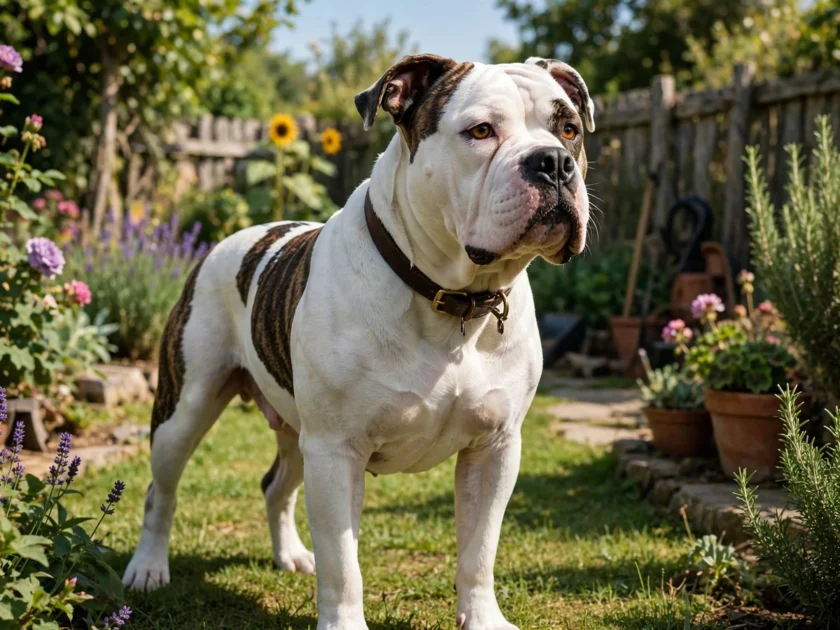
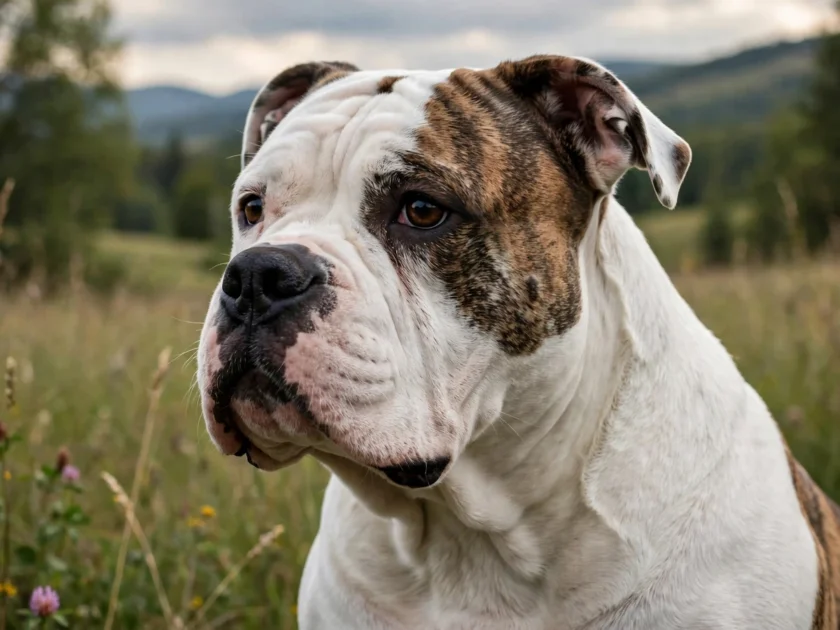
An American Bulldog is a large, powerfully built dog, and there is no mistaking him for anything else. Males usually stand twenty-two to twenty-five inches and weigh seventy-five to one hundred pounds; females are a little smaller at twenty to twenty-three inches and sixty to eighty pounds. His short smooth coat is most often white with coloured patches, though brindle and solid colours appear too, with a broad head, strong jaw and deep chest. The breed comes in two types, the Standard, which is taller and more athletic, and the Bully, which is stockier and heavier.
Temperament is where this breed wins people over. American Bulldogs are confident, loyal and self-assured, deeply affectionate with their own family and naturally protective of the home. They tend to be calm indoors and they are not big barkers. They are usually good with children when play is supervised, as a dog of this size can knock a small child over without meaning any harm. With strangers they can be wary, and with other dogs they can be selective, so early socialisation matters a great deal. The breed typically lives for ten to thirteen years.
Habits and Behaviour
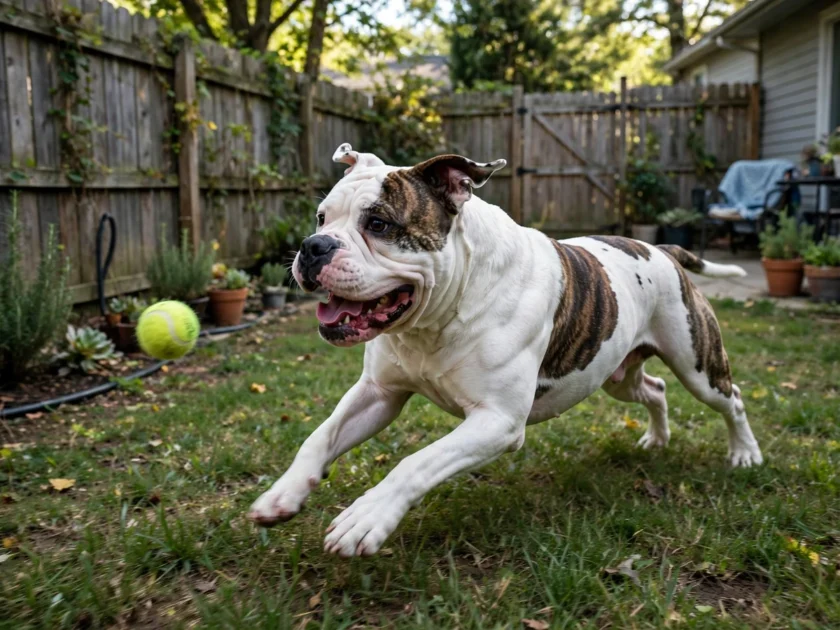
Live with an American Bulldog for a week and you will soon learn his rhythm. Mornings usually start with a good stretch, a hopeful look towards the kitchen and a patrol of the garden. He loves a routine and he loves knowing where his people are, so do not be surprised to find him quietly following you from room to room, settling down with a sigh wherever you happen to stop.
Training an American Bulldog is rewarding, because he is smart and genuinely eager to please, with trainability often rated four out of five. Yet he will test an owner who is inconsistent, so rules need to be clear and steady from the very first day. Short cheerful sessions with praise and rewards work far better than shouting. He needs real exercise every day, walks plus play and structured activity, because a yard alone is never enough for a dog built to work. A securely fenced outdoor space is essential, since boredom can make him destructive. He suits confident, experienced owners best.
Common Diseases and Health Problems
American Bulldogs are generally sturdy, but like every large breed they carry known health risks, and knowing them early makes all the difference. Hip and elbow dysplasia are among the most common, where the joints do not fit neatly and can lead to stiffness, pain and arthritis. Cruciate ligament rupture is another worry for a heavy athletic dog, and it often shows up after a sudden twist or jump during play.
Other conditions owners should know about include neuronal ceroid lipofuscinosis, a genetic storage disease often shortened to NCL, which breeders can now test for with DNA, and ichthyosis, a skin condition that can leave the coat flaky and the skin uncomfortable. Allergic skin disease is fairly common too, showing up as itching, redness or sore patches. Cherry eye, hypothyroidism, brachycephalic breathing issues and obesity round out the list, and extra weight puts enormous strain on the joints and heart of a dog this heavy.
Solutions and Prevention
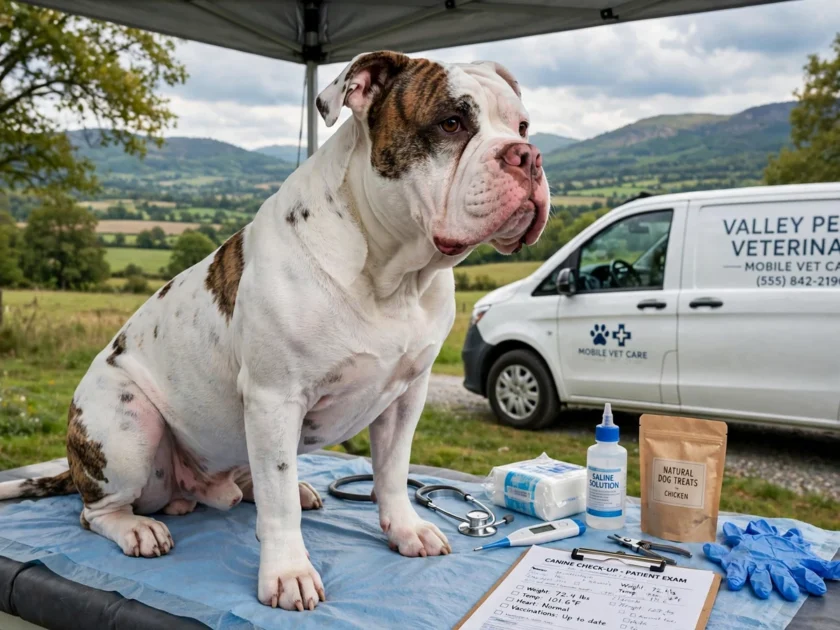
Prevention starts before you even bring him home, with the breeder you choose. Ask to see health testing for the parents, including hip and elbow scores and the DNA test for NCL, and walk away from any breeder who cannot show them. A good breeder will be glad you asked. Once he is home, keep up with vaccinations and book a vet check at least once a year, twice a year once he passes seven, so problems are caught while they are still small.
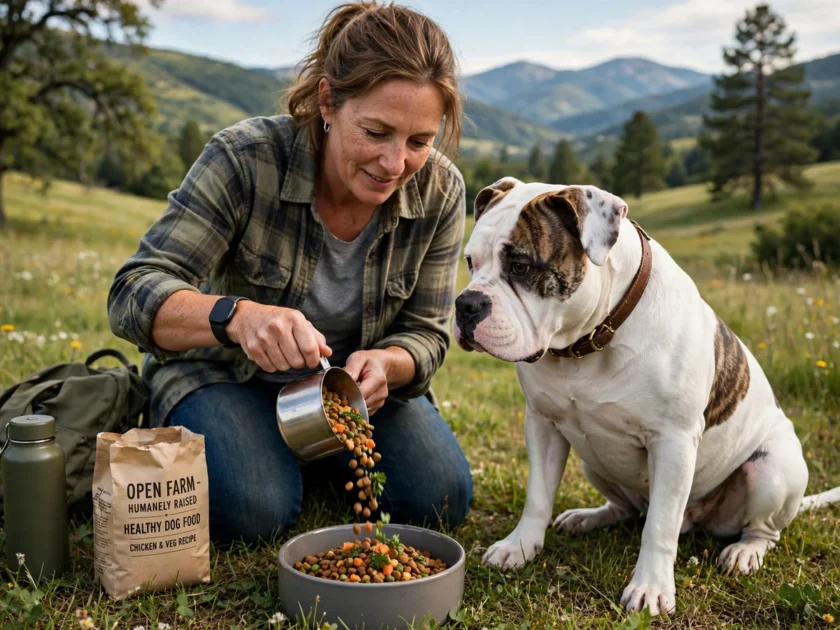
Daily care matters just as much. Measure his meals rather than pouring from the bag, keep treats to a small share of daily calories, and weigh him regularly, because a lean American Bulldog lives longer and moves far more happily than a heavy one. Feed a good quality diet for large active dogs and keep fresh water available. Be careful in hot weather, since this breed is sensitive to extreme heat and can overheat during exercise, so walk him in the cooler parts of the day in summer and watch for heavy panting or wobbliness.
Grooming and Cleaning
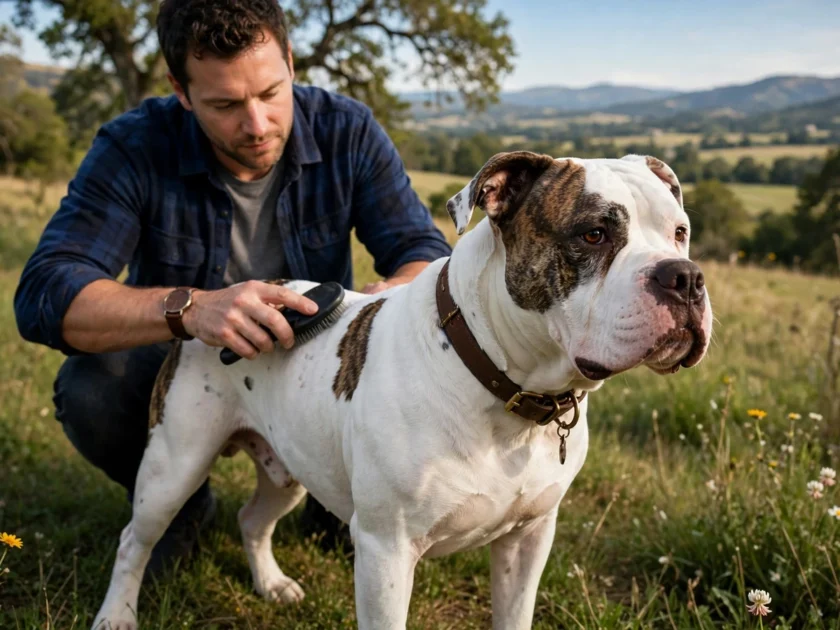
Grooming an American Bulldog is wonderfully low maintenance, which is just as well, because he would much rather be out in the garden than standing still for a brush. That short smooth coat needs only a quick weekly brush with a rubber mitt or bristle brush, which lifts loose hair and lets you check his skin for lumps or sore spots. He sheds moderately, so expect some short white hairs on the sofa.
Bathing only needs to happen every few months, or after a particularly enthusiastic roll in something unpleasant, using a gentle dog shampoo and drying him thoroughly afterwards. His ears deserve regular attention, because this breed is prone to ear infections, so check and clean them weekly and look out for redness, smell or head shaking. Nails should be trimmed every few weeks, and teeth brushed daily with dog toothpaste.
Living With a American Bulldog: Care Tips for Owners
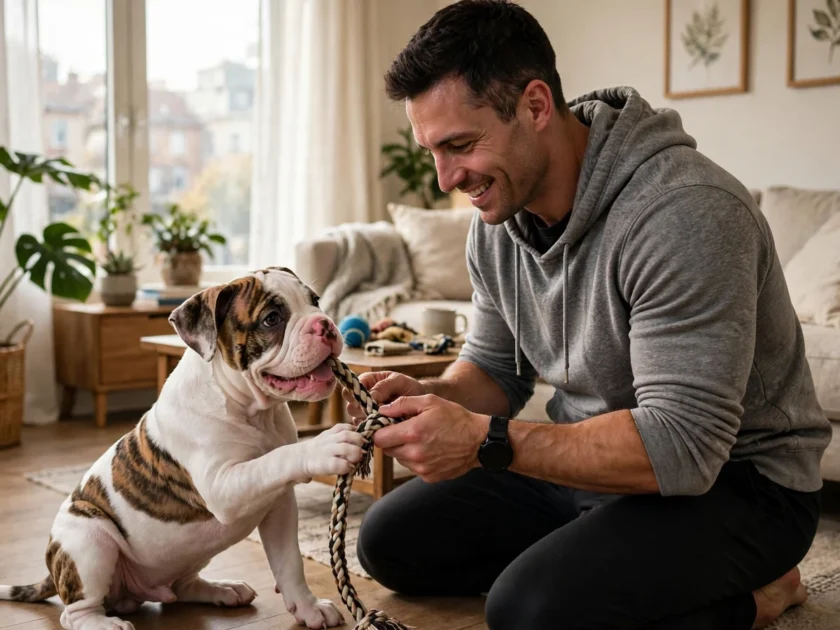
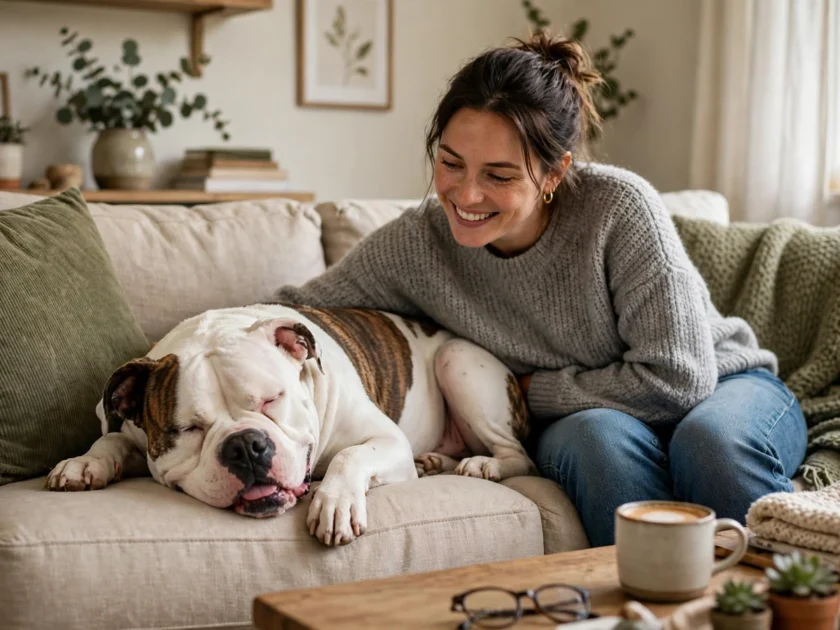
The secret to a happy American Bulldog is simple: give him exercise, give him a purpose and never leave the rules unclear. Long walks, fetch, tug and training sessions turn an ordinary day into a proper job for a working dog, and a tired American Bulldog is a calm and contented one curled up at your feet in the evening. Puzzle toys help on rainy days, and a warm bed rests those big joints. Like his cousin the Bulldog, he loves his family fiercely, but he needs more activity and more space than a smaller companion breed.
Start socialisation early and keep it going, introducing him to new people, places and friendly dogs while he is young so he grows into a confident adult rather than a suspicious one. Keep him on a lead near roads and livestock, because his guarding instincts and his strength make a loose American Bulldog hard to manage. Give him daily exercise, a consistent routine, regular vet visits and a loyal family, and you will have a brave, devoted companion for many years.
Frequently Asked Questions
Are American Bulldogs good family dogs?
Yes, they can be wonderful family dogs. They are loyal, affectionate and protective, and usually good with children when play is supervised. They suit confident, experienced owners best.
Do American Bulldogs bark a lot?
No, they are not big barkers. They are calm and quiet indoors and usually only bark when something genuinely alerts them, so they make good watchdogs without being noisy.
How much exercise does an American Bulldog need?
An adult needs daily walks plus play and structured activity, such as fetch or training games. A yard alone is not enough, and without enough exercise he quickly becomes bored and destructive.
Are American Bulldogs easy to train?
They are smart and eager to please, with trainability rated four out of five, but they will test an inconsistent owner. Keep rules clear, use short cheerful sessions with rewards, and expect the best results from a confident handler.
Do American Bulldogs shed a lot?
They shed moderately. Their short coat needs only weekly brushing, and bathing every few months is usually enough unless they get dirty.