
Introduction
The Australian Cattle Dog is one of the toughest and most hardworking dogs in the world, a breed shaped by the harsh conditions of the Australian outback. Known as the Blue Heeler or Red Heeler, it was developed in the nineteenth century when stockmen needed a dog that could drive half wild cattle across enormous distances in blazing heat and dust. The result was a tough, sharp and loyal dog, created by crossing the dingo with collie type dogs. In this guide we look at its temperament, daily habits, health problems, grooming needs and the care tips that keep this remarkable dog healthy and happy.
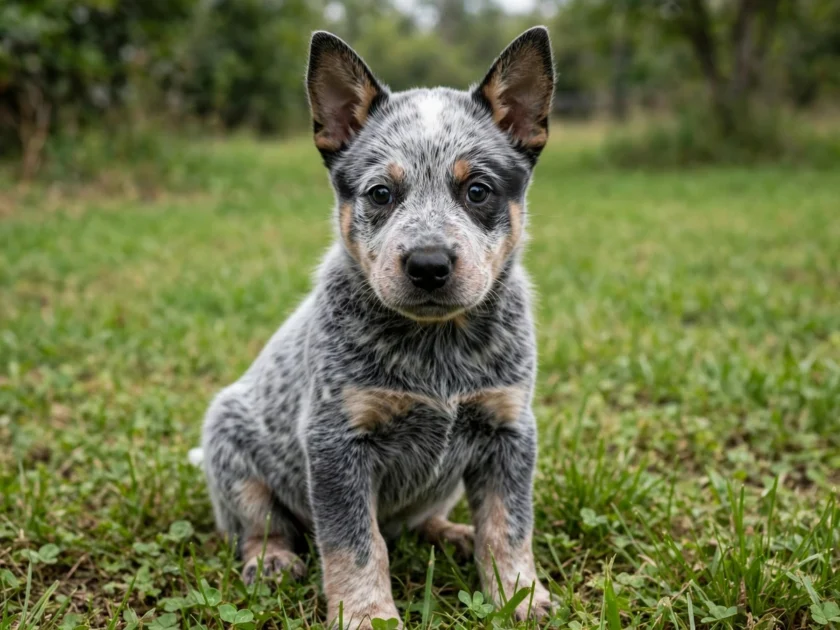
Characteristics
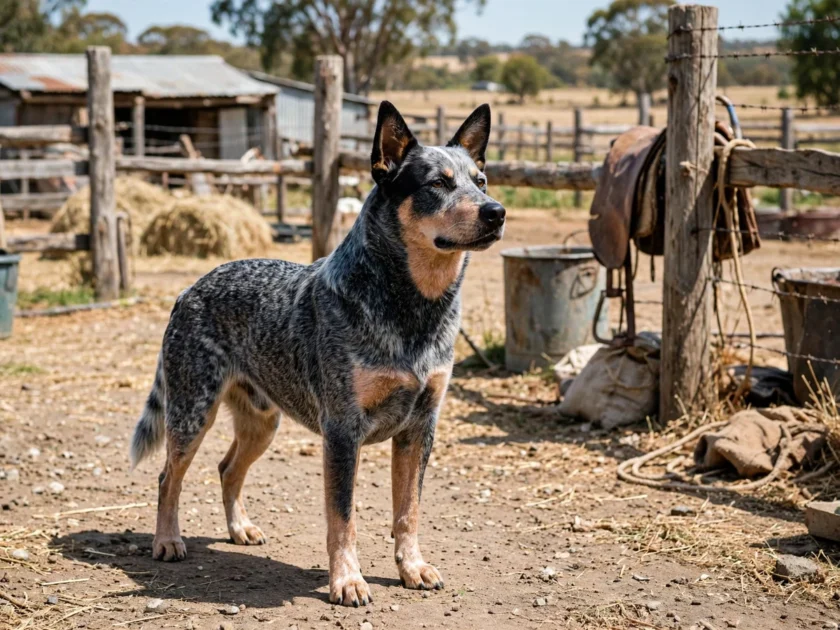
The Australian Cattle Dog is a medium sized dog with a strong and muscular build that speaks of power rather than bulk. Males usually stand between forty three and fifty one centimetres at the shoulder and weigh around fifteen to twenty two kilograms, with females slightly smaller. Its most striking feature is the short double coat, dense and weather resistant, in blue or red speckled and mottled patterns, often with tan markings. In practice the breed is intense, focused and deeply devoted to its people, bonding most strongly to one person and following that person from room to room, which has earned it the nickname of a velcro dog. The breed typically lives for twelve to sixteen years.
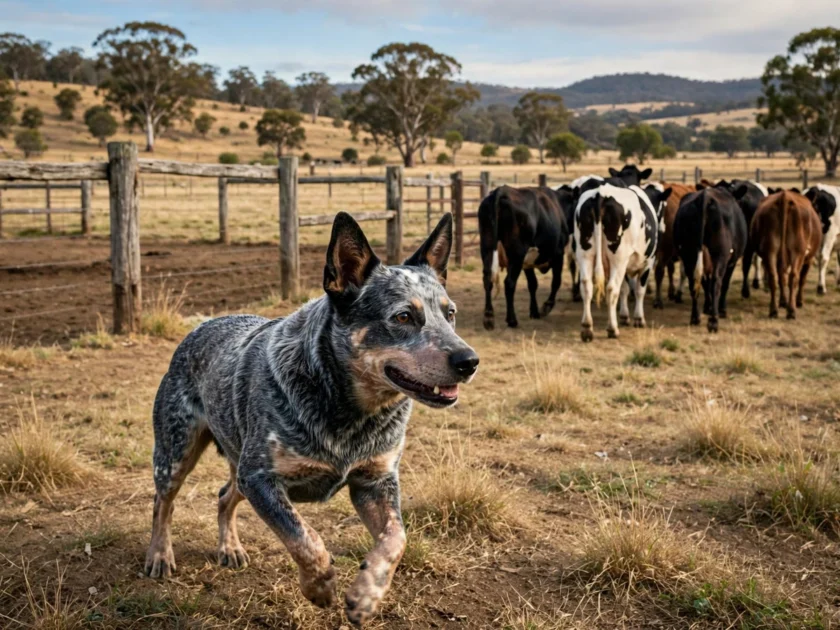
Habits and Behaviour
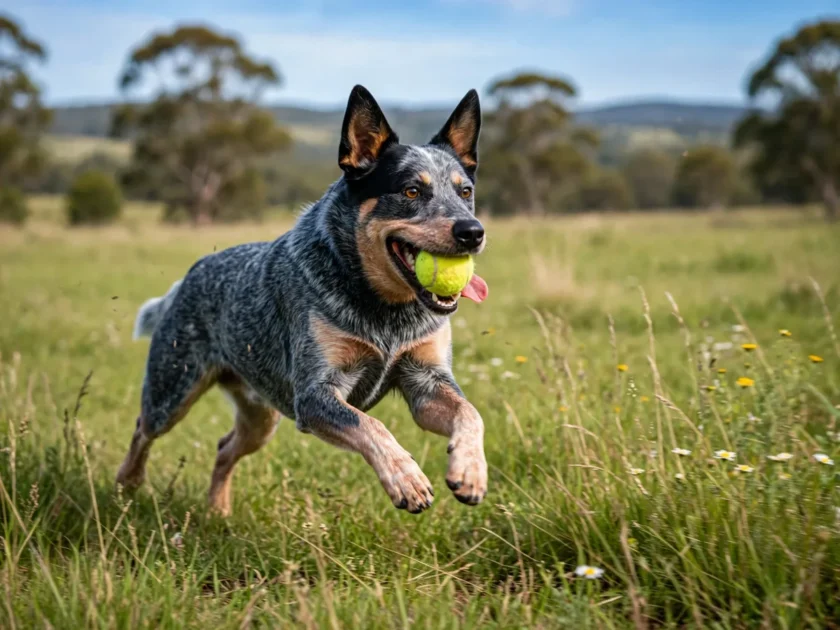
Life with an Australian Cattle Dog is never dull, because this is a dog that was bred to work all day and it still carries that work ethic into the living room. The breed needs ninety minutes to two hours of hard activity every single day, and a gentle stroll around the block will not come close to satisfying it. Running, long hikes, cycling, fetch and swimming are all welcome, yet physical exercise alone is not enough, because this dog also needs problems to solve and commands to learn. The famous heeling instinct is very real, as these dogs were bred to move cattle by nipping at their heels, and some will try to herd children, other pets and even visitors, so early training and firm boundaries matter from the first day. The breed is naturally suspicious of strangers and makes an excellent watchdog. Reward based training with play and real tasks works best, as this clever dog questions pointless repetition.
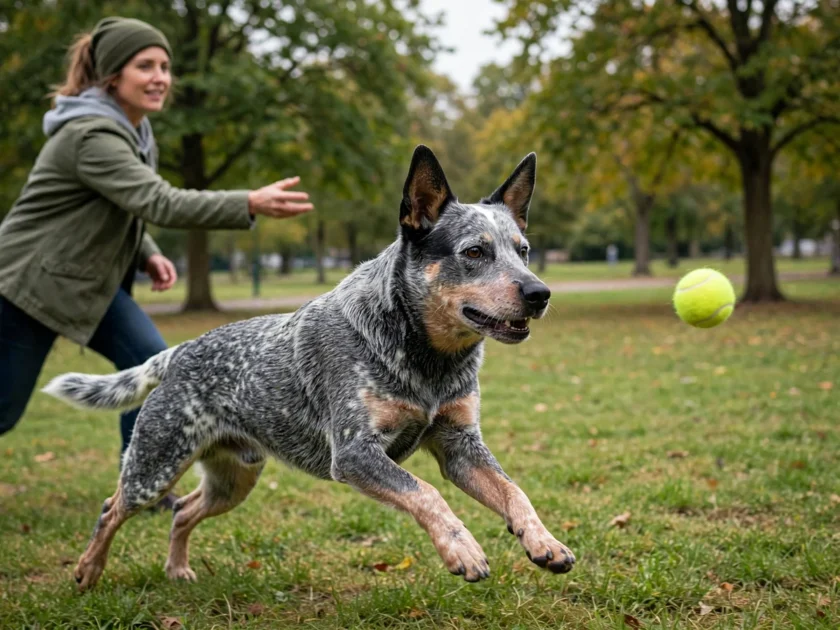
Common Diseases and Health Problems
The Australian Cattle Dog is generally a hardy and robust breed, yet like every pedigree dog it carries a few inherited health risks that owners should know about. Hip dysplasia is one of the most common concerns, a condition where the hip joint does not form properly and gradually wears, causing pain, stiffness and lameness, particularly in a dog that works as hard as this one. The eyes are another area to watch, because the breed can develop progressive retinal atrophy, an inherited condition that slowly steals the sight and for which a DNA test exists, and primary lens luxation, where the lens of the eye slips out of place and becomes an emergency that needs urgent veterinary care. Perhaps the best known health issue in the breed is congenital deafness, which can affect one ear or both, and responsible breeders test every puppy with a BAER hearing test before it goes to a new home.
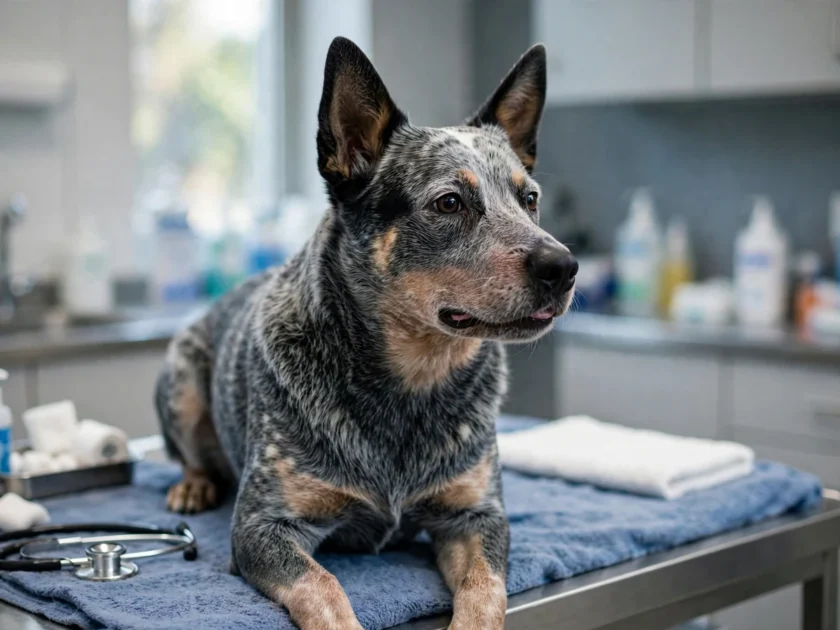
Solutions and Prevention
Most of the health problems that affect the Australian Cattle Dog can be managed or avoided altogether with careful choices and steady routines. The single most important step happens before you ever bring a puppy home, and that is choosing a breeder who health tests the parents, asking for hip and elbow scores, a DNA test for progressive retinal atrophy and BAER hearing results for both the parents and the puppy. Once your dog is home, a balanced diet in measured portions keeps its weight healthy and protects its joints. Regular vet check ups catch early signs of eye disease, and tooth brushing keeps gum disease at bay. Exercise should be built up sensibly, with a proper warm up before hard activity and rest after it, and puppies should not be pushed into long runs or jumping until their joints have finished growing.
Grooming and Cleaning
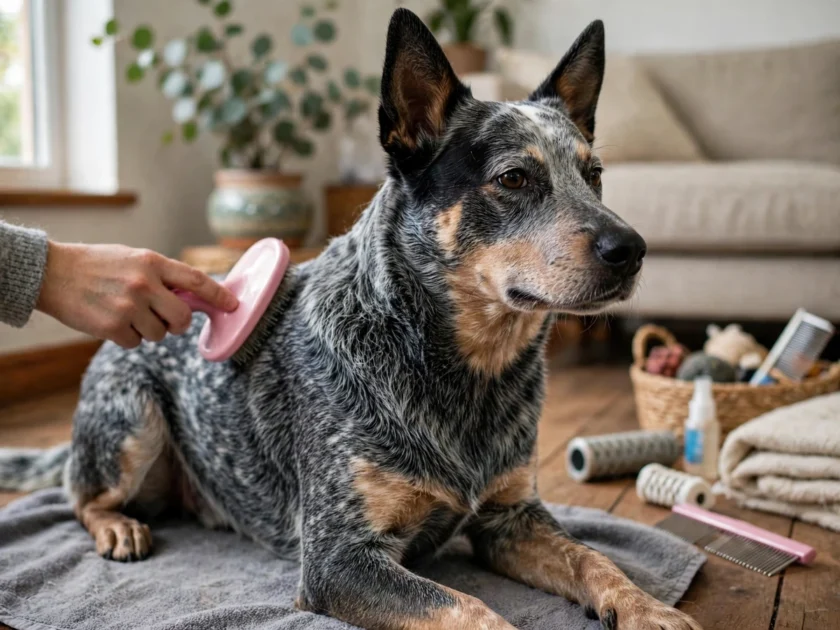
Grooming an Australian Cattle Dog is one of the easiest parts of owning one, because the short double coat is practically wash and wear. A quick brush once a week with a firm bristle brush or a rubber curry comb removes loose hair and keeps the coat looking tidy, though brushing twice a week helps during the yearly shedding season. Bathing is only needed when the dog is genuinely dirty, perhaps every four to six weeks, and over bathing can strip the natural oils that keep the coat weatherproof, so a gentle dog shampoo and a thorough rinse are all that is required. Check the ears regularly and brush the teeth several times a week to hold back tartar.
Living With a Australian Cattle Dog: Care Tips for Owners
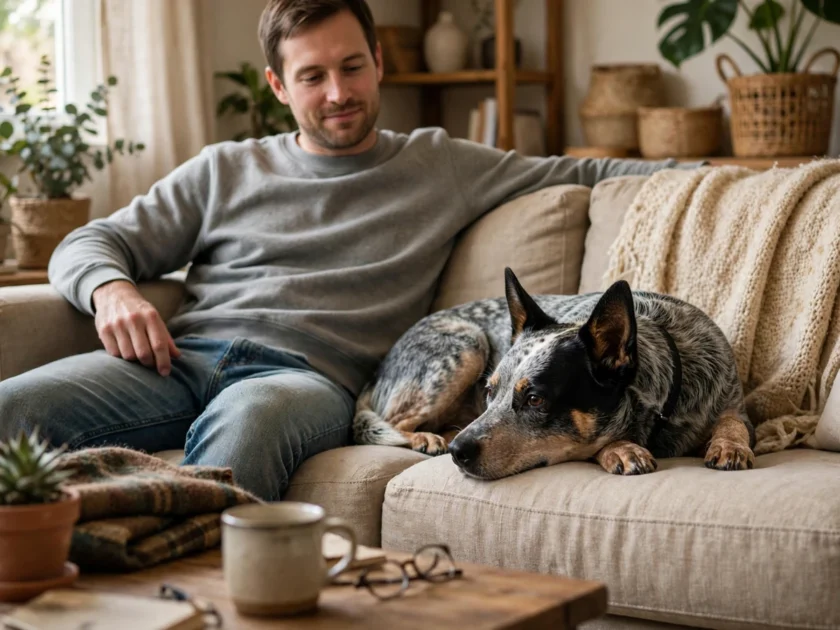
Sharing your life with an Australian Cattle Dog is a commitment to an active lifestyle, and the happiest owners are those who welcome that bargain. This breed needs a home with a securely fenced yard and an owner who is genuinely outdoorsy, because it is not suited to apartment living or to a quiet household where it will be left alone for long hours. It should live indoors with its family, as it is deeply attached to its people. Feed a high quality food suited to its age and activity level, and always keep fresh water available. Training should start early and never really stop, with consistent rules, plenty of praise and new challenges to keep the mind engaged, and socialisation should continue throughout the dog’s life so that its natural wariness of strangers stays polite. Families with older children usually do best. For more on another intelligent working breed, read our guide to the German Shepherd, and for the breed’s full history and background, see the Australian Cattle Dog on Wikipedia.
FAQ
Are Australian Cattle Dogs good family pets?
Australian Cattle Dogs can be wonderful family pets in the right home, and they are deeply loyal and affectionate with their own people. They do best with active families and older children, while very young children need supervision around its herding nip.
How much exercise does an Australian Cattle Dog need each day?
An Australian Cattle Dog needs around ninety minutes to two hours of vigorous exercise every day. A short walk is not enough, and without enough activity it quickly becomes bored and destructive.
Do Australian Cattle Dogs shed a lot?
Australian Cattle Dogs shed moderately all year round, with heavier shedding once or twice a year when they blow their thick undercoat. A weekly brush keeps most of the loose hair under control.
Are Australian Cattle Dogs easy to train?
Australian Cattle Dogs are very intelligent and learn quickly, yet they are also independent thinkers who question commands that seem pointless to them. Reward based training with food, play and real tasks works best.
What health problems are Australian Cattle Dogs prone to?
The main health concerns in the breed are hip and elbow dysplasia, progressive retinal atrophy, primary lens luxation and congenital deafness. Choosing a breeder who tests for these conditions, keeping the dog lean, and regular vet check ups protect your dog.