
Introduction
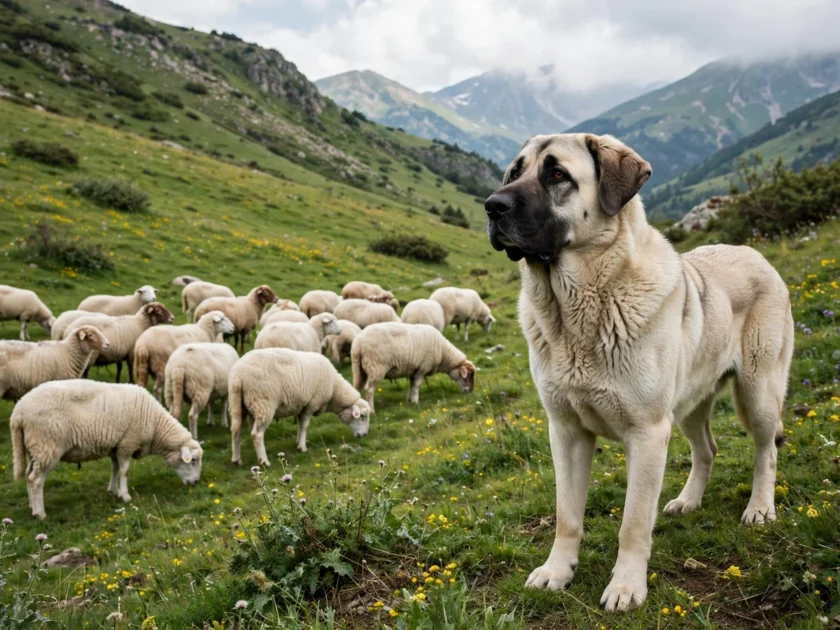
Some dogs were bred to obey. The Anatolian Shepherd Dog was bred to think. For thousands of years, on the high plateau of Anatolia in Turkey, these giant guardians have lived among the flocks, making their own decisions about danger, driving off wolves without waiting for a human command, and watching over their charges through the night. That independence is not a flaw in this breed. It is the whole point.
The Anatolian Shepherd Dog is one of the oldest livestock guardian breeds in the world, with some experts tracing its roots back more than six thousand years to the Bronze Age. It arrived in America in the twentieth century, where ranchers quickly valued it as a guardian for sheep and goats, and the American Kennel Club recognised it in 1996. Today it is still a working guardian at heart, a calm, watchful giant that takes its job, and its family, very seriously.
Characteristics
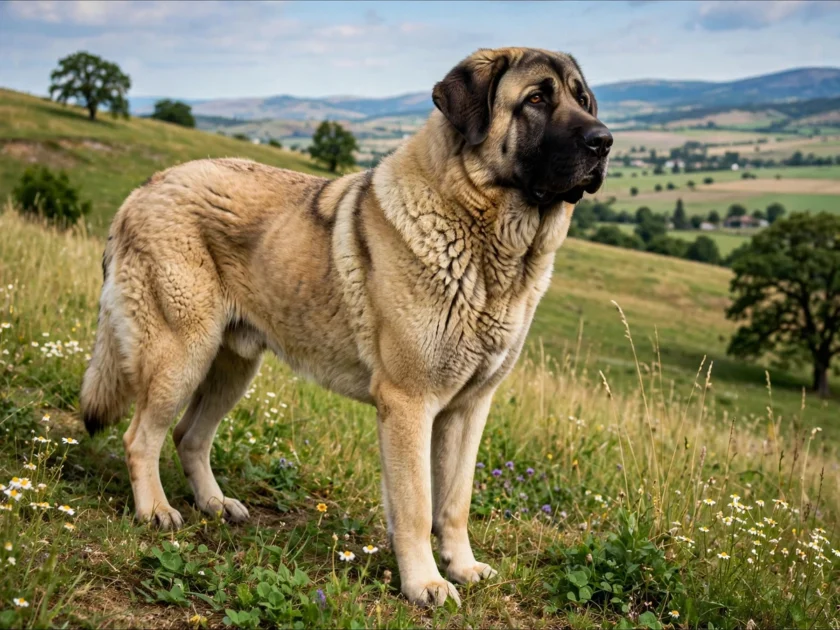
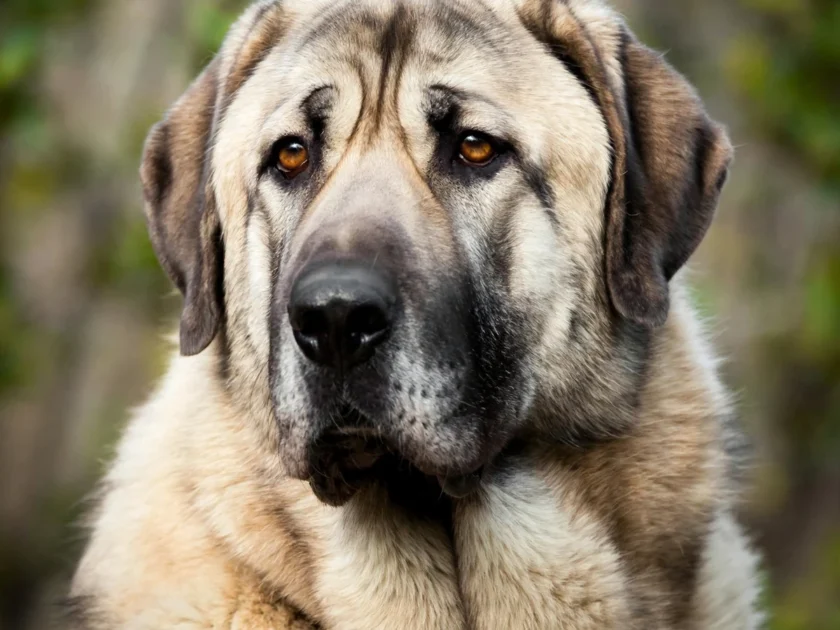
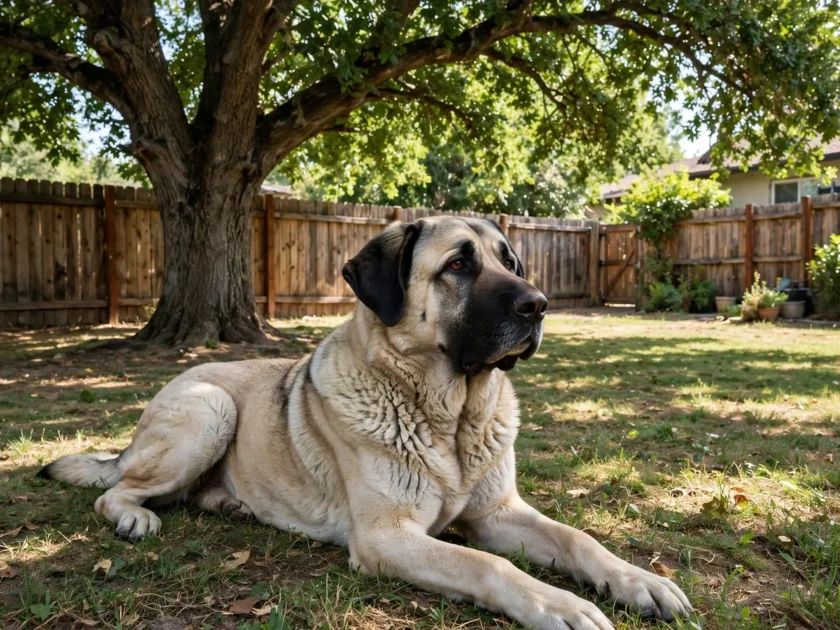
An Anatolian Shepherd Dog stands twenty-seven to thirty inches tall and weighs ninety to one hundred and fifty pounds, a giant that is both powerful and surprisingly agile. It has a large head with a slightly shortened muzzle, medium drop ears, dark eyes, and a long tail that curls over the back when the dog is alert. The short to medium double coat is thick around the neck in winter and comes in biscuit, fawn, blue and brindle, often with a dark mask. Most live eleven to thirteen years, which is a good lifespan for such a large dog.
Temperament is bold, confident, independent and intelligent. At home the Anatolian is calm, quiet and quietly affectionate, often resting where it can see everything and everyone. It is deeply loyal to its family and naturally protective, but it is reserved and suspicious with strangers, and it can be territorial with unfamiliar dogs and visitors. Like the German Shepherd, its fellow guardian breed, it takes its protective role seriously, but the Anatolian is far more independent and far less interested in obeying commands for their own sake.
Habits and Behaviour
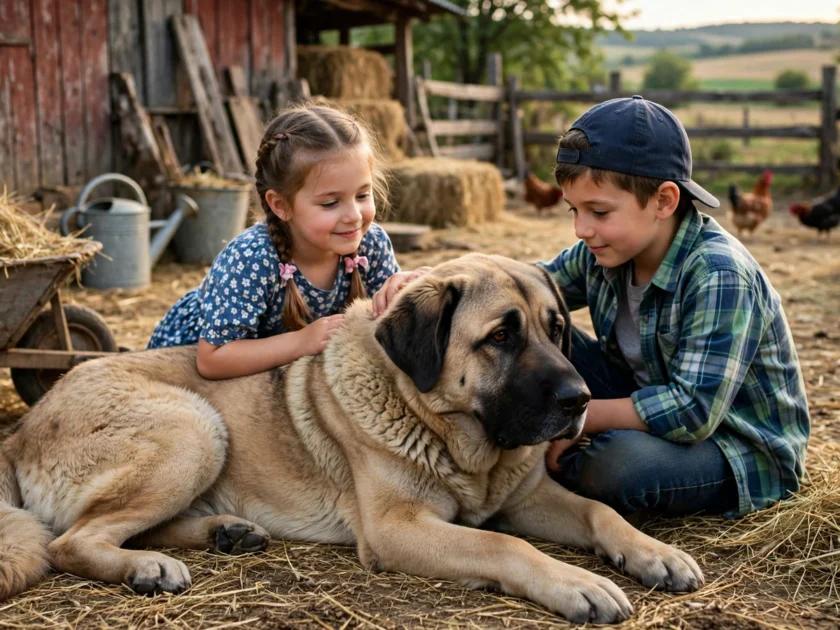
Live with an Anatolian Shepherd and you will quickly learn that this is a dog that thinks for itself. It understands what you ask, then weighs whether it is worth doing, and if it decides otherwise, no amount of pushing will change its mind. Harsh methods are met with stubborn resistance, while calm, consistent rewards and short, practical training sessions earn its respect. This breed is not suited to competitive obedience, and it does not fetch balls on command, but it will patrol your property, watch your children and guard your home with a devotion that never switches off.
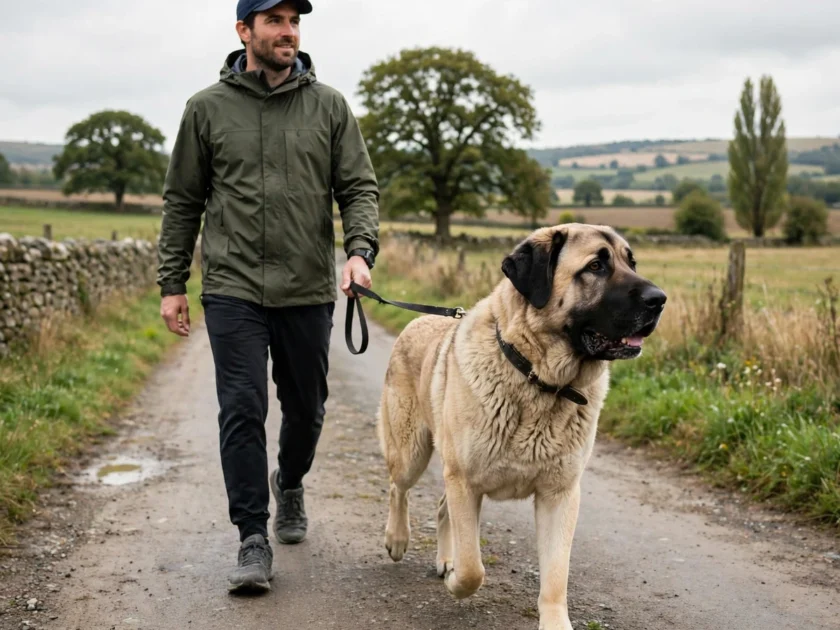
These dogs need space more than they need structured exercise, about an hour a day of walking or patrolling a large fenced area, and a six-foot fence that is checked often for gaps is essential, because Anatolians roam widely if given the chance. They are not off-lead dogs in open country. Early socialisation is critical, so that their natural suspicion of strangers never hardens into aggression, and care must be taken with visiting children, because a wrestling match between children can look like a threat to a protective guardian. This is a breed for experienced owners who understand large, independent dogs.
Common Diseases and Health Problems
The Anatolian Shepherd Dog is a fairly hardy breed, but its giant size brings some conditions to watch for. Hip dysplasia and elbow dysplasia are the most common problems, and asking breeders about hip and elbow certification is essential. Hypothyroidism, in which the thyroid gland fails to produce enough hormone, can occur, and entropion, an eyelid that rolls inward and irritates the eye, is also seen in the breed. Eye problems can appear occasionally too.
Other concerns include bloat, a serious risk in deep-chested giant breeds, in which the stomach fills with gas and twists, and sensitivity to anaesthesia, which owners should always mention to their vet before any procedure. Because this breed rarely shows pain, owners must check it regularly for injuries or illness rather than waiting for it to complain. None of these conditions is certain, and a well-bred Anatolian from health-tested parents, kept at a lean weight, has every chance of a long, healthy life.
Solutions and Prevention
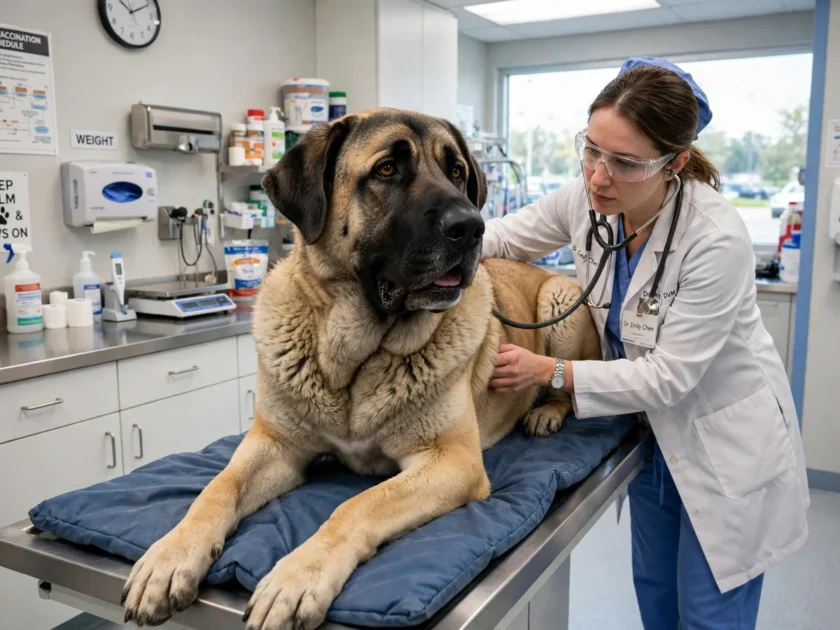
Prevention starts with choosing a breeder who screens their dogs for hip and elbow dysplasia and eye problems, and asking to see the results before you commit. Once your dog is home, keep up with regular vet checks at least once a year, keep vaccinations and parasite protection current, and watch for early warning signs such as limping, stiffness, a swollen belly after meals, or eyes that are red, watery or half-closed. Always tell your vet that this is an Anatolian Shepherd before any anaesthesia, because of the breed’s known sensitivity.
Daily life does most of the preventive work. Feed a high-quality large-breed diet in two or three measured meals a day, and keep your dog calm for an hour after eating to reduce the risk of bloat. Keep it lean, because extra weight puts more strain on hips and elbows, and raise large-breed puppies on a diet that supports slow, steady growth. Give it a large, secure space to patrol, check its body regularly for cuts or lumps since it will rarely show pain, and keep up with joint care as recommended by your vet.
Grooming and Cleaning
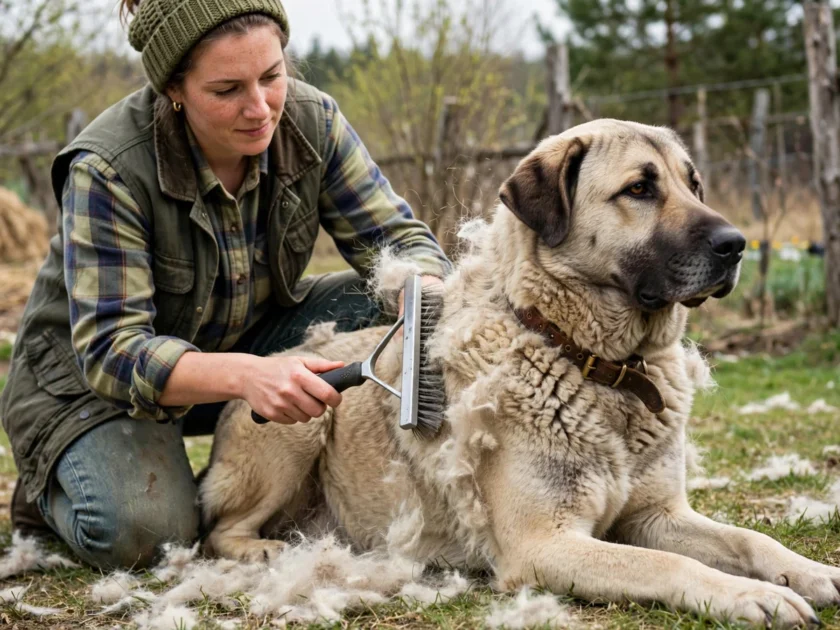
Grooming an Anatolian Shepherd is easy for most of the year, and that suits a breed that would rather be out patrolling than standing on a grooming table. The short to medium double coat needs only a weekly brushing to keep it clean and healthy, using a bristle brush or a grooming rake. Twice a year the coat blows, shedding the dense undercoat in a great seasonal moult, and during those weeks daily raking removes clumps of loose fur and keeps the house manageable.
Baths are needed only when the dog gets dirty, using a gentle dog shampoo and drying the thick coat thoroughly afterwards. Nails should be trimmed every few weeks, especially if the dog lives indoors, ears checked regularly for redness or smell, and teeth brushed often with a dog-specific toothpaste. That is really all there is to it, a weekly brush, a seasonal shed, and regular checks of ears, nails and teeth keep this giant guardian in fine shape.
Living With a Anatolian Shepherd Dog: Care Tips for Owners
The secret to a happy Anatolian Shepherd is simple: give it space, give it a job, and give it respect. Build your day around an hour of walking or patrolling a large, securely fenced area, and let it do what it was bred to do, watching over its territory. Train with calm, consistent rewards in short sessions, and never try to force it, because a pushed Anatolian simply digs in its heels. Teach practical manners early, such as loose-lead walking, coming when called and accepting handling, and socialise your puppy widely so its suspicion of strangers stays under control.
Remember that this giant guardian is not a dog for a small home or a first-time owner. It needs an experienced, confident handler, a six-foot fence, and a family that understands its protective instincts, especially around visiting children and unfamiliar dogs. With space to roam, a job to do, patient training and a family it can trust, an Anatolian Shepherd Dog will repay you with years of calm, loyal and utterly devoted guardianship.
Frequently Asked Questions
Are Anatolian Shepherd Dogs good family pets?
They can be wonderful family guardians for experienced owners with space. They are gentle and loyal with their own family’s children, but they are wary of strangers and visiting children, so early socialisation and supervision are essential.
How much exercise does an Anatolian Shepherd Dog need?
They need about an hour a day of walking or patrolling a large fenced area. They need less structured exercise than you might expect for their size, but they do need space, and a six-foot fence is a must.
Are Anatolian Shepherd Dogs easy to train?
They are intelligent and learn quickly, but they are independent and will decide for themselves whether to obey. Calm, consistent, reward-based training in short sessions works best, while harsh methods only make them more stubborn.
Do Anatolian Shepherd Dogs shed a lot?
They shed moderately most of the year and heavily once or twice a year when the thick double coat blows. A weekly brush is enough normally, and daily raking is needed during the seasonal shed.
Are Anatolian Shepherd Dogs aggressive?
They are not aggressive by nature, but they are highly protective and territorial. They are calm with their family and suspicious of strangers, so early socialisation, a secure fence and an experienced owner are essential to keep them safe and balanced.