
Introduction
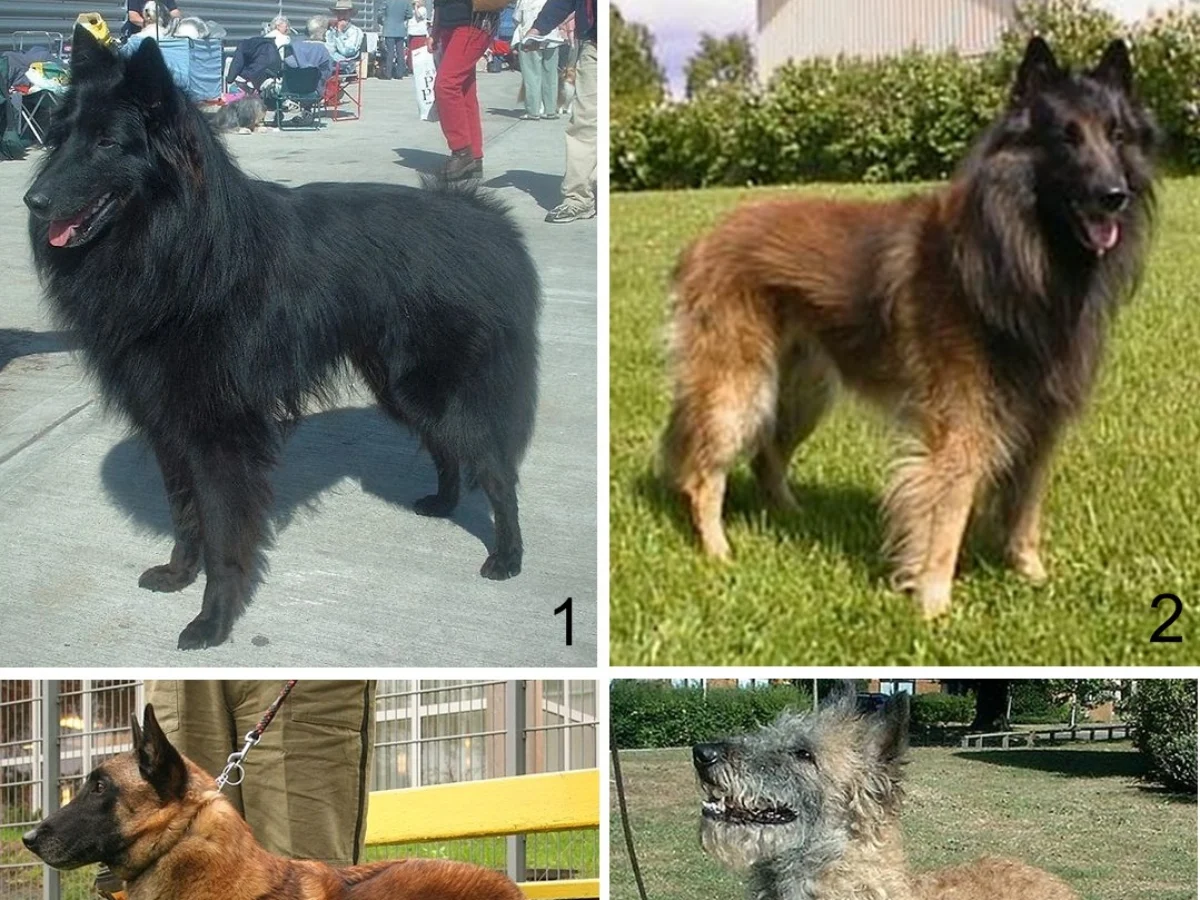
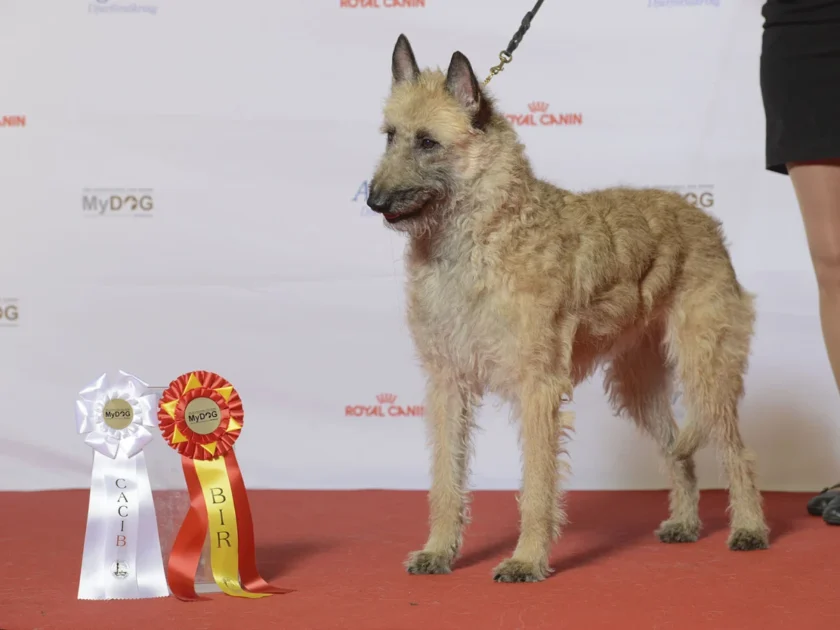
Meet the Belgian Laekenois, the rarest of the four Belgian shepherd varieties and a dog that looks as if it has just come in from a windswept field, with a rough, wiry coat that sticks out in every direction and a keen, watchful face. The breed takes its name from Laeken, the district of Brussels where the royal Château de Laeken stands, and it was a favourite of Queen Marie Henriette, who loved these tousled dogs and helped keep them in the public eye. In the old days the Laekenois guarded the linen that was laid out to bleach in the fields around the town of Boom, a job that needed a dog brave enough to challenge strangers and steady enough to be trusted alone. Today the breed is still uncommon outside Belgium, and the American Kennel Club only recognised it as a separate breed in 2020, while the international federation still treats all four Belgian shepherds as one breed with four coat varieties. You can read more about its history on the Belgian Laekenois Wikipedia page. At home it is a devoted, watchful companion that bonds closely with its family and takes its guarding duties seriously.
Characteristics
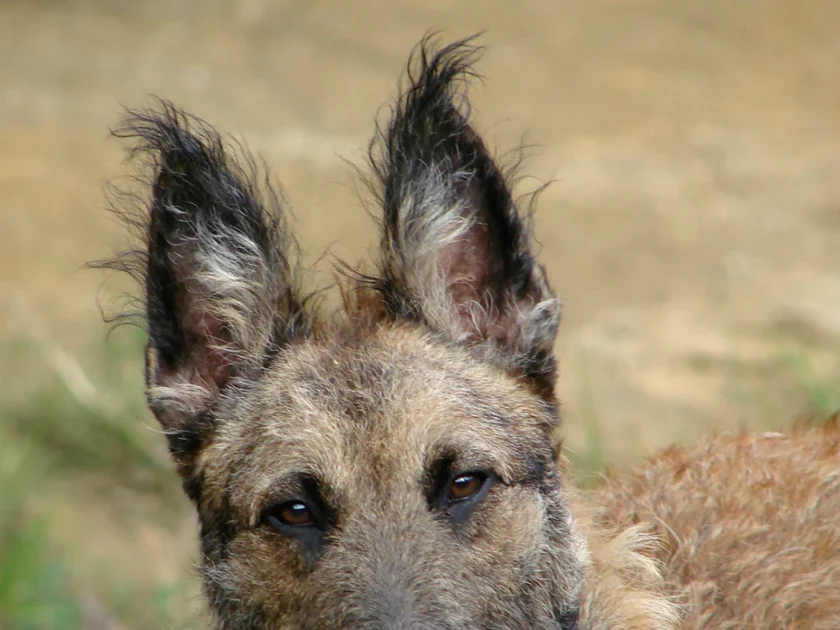
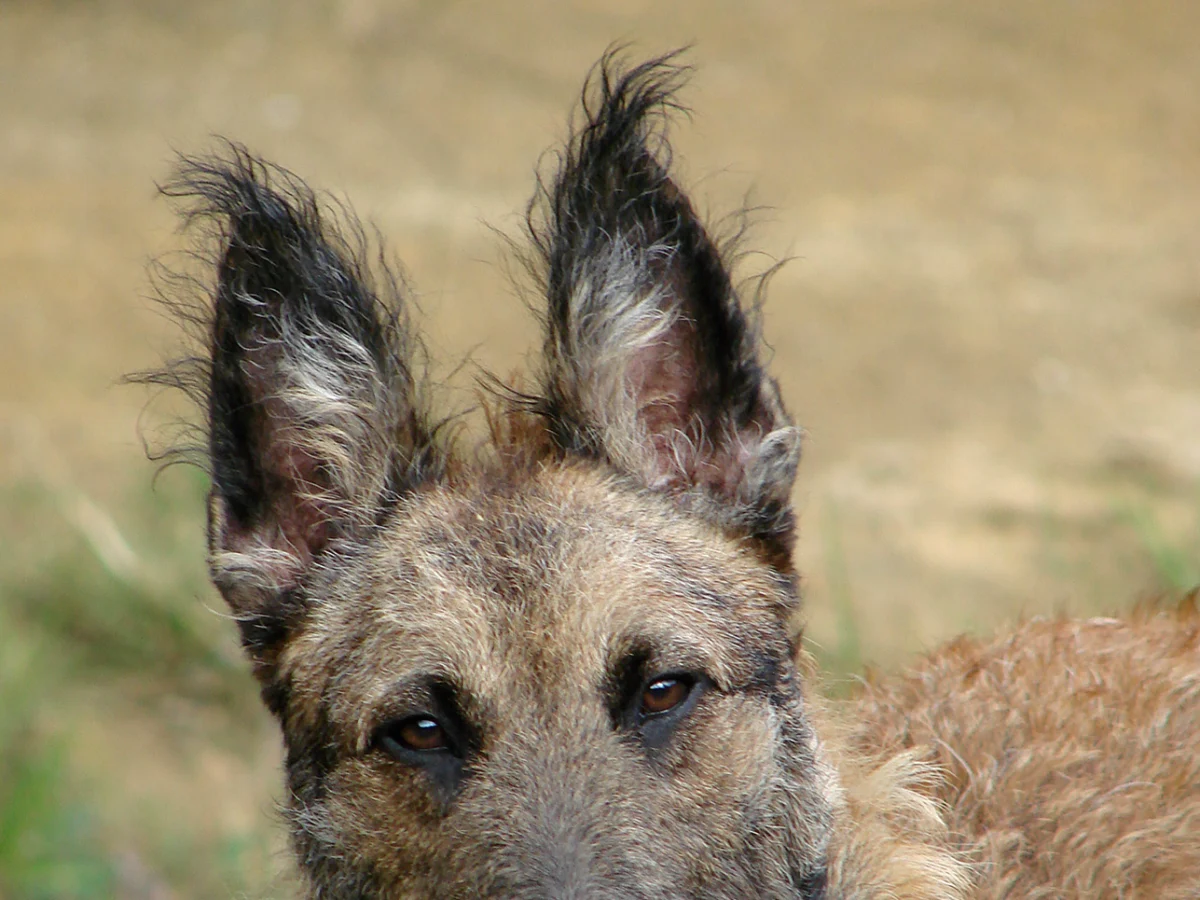
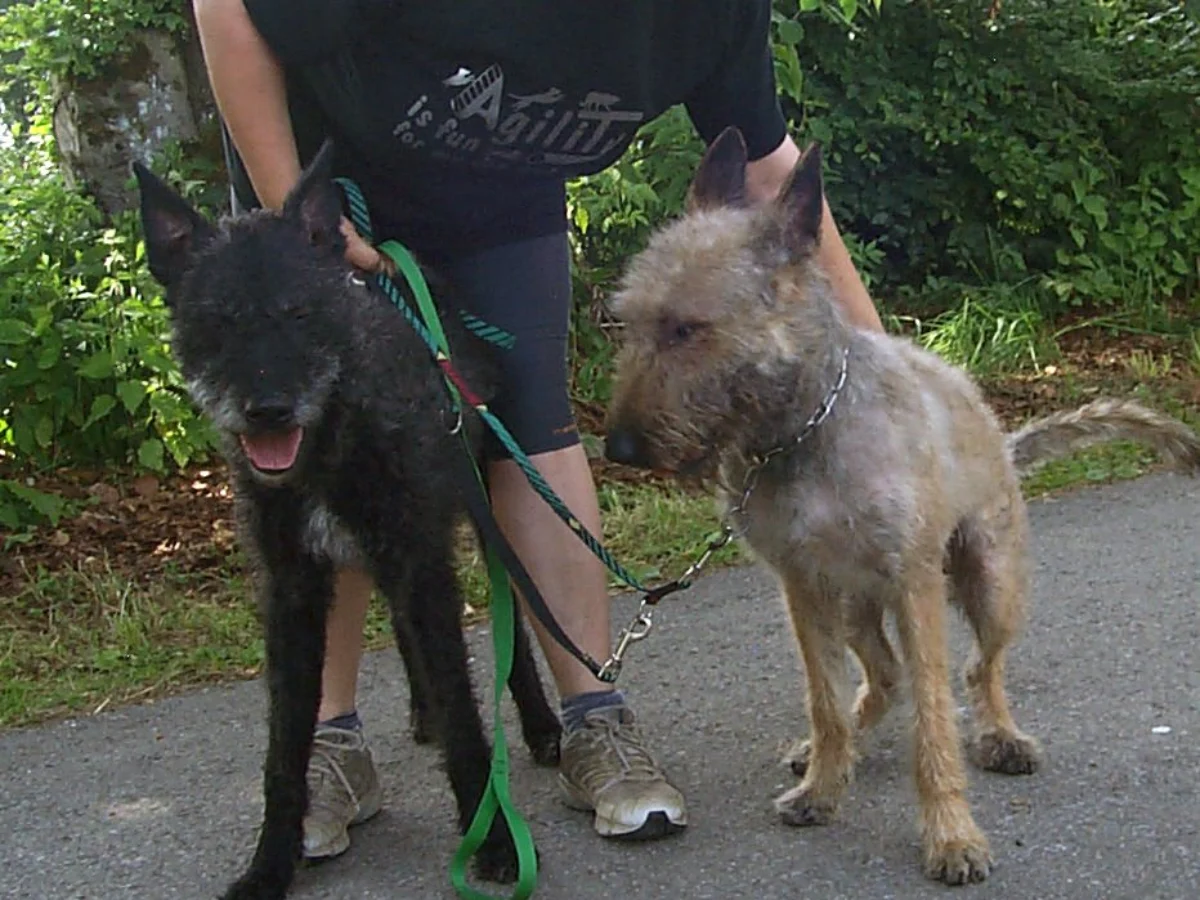
The Belgian Laekenois is a medium sized, square built herding dog with a look all of its own. Males usually stand between sixty and sixty six centimetres tall at the shoulder and females between fifty six and sixty two centimetres, with males weighing around twenty five to thirty kilograms and females a little less at twenty to twenty five kilograms. The coat is the breed’s signature, a rough, wiry double coat in rich fawn with a black overlay that gives the dog a weathered, tousled appearance, and the hair on the muzzle and around the eyes forms a rough beard and eyebrows. The head is strong and well chiselled, with dark almond shaped eyes, a black nose and pointed ears that stand upright and alert. The body is muscular and athletic without being heavy, the chest is deep and the tail is carried low at rest and raised when the dog is working. Most Laekenois live for around twelve to fourteen years. It shares the shaggy herding look of the Bearded Collie, though the two breeds come from very different traditions.
Habits and Behaviour
A Belgian Laekenois is intelligent, alert and deeply devoted to its people, and it watches the world with a seriousness that surprises first time owners. The breed bonds strongly with one family and is naturally reserved with strangers, which makes it a fine watchdog, though it should never be sharp or nervous. It carries a strong herding instinct and will happily try to gather children, other pets and anything that moves, so early socialisation and steady training are essential. Laekenois are quick learners that enjoy having a job, whether that is obedience, scent work, agility or simply a long, interesting walk with plenty to sniff and think about. They can be sensitive to harsh handling and respond best to calm, reward based training with clear rules. Left alone for long hours with nothing to do, a bored Laekenois will invent its own entertainment, which usually means digging, chewing and rearranging the garden, so this is not a breed for an owner who is away all day.
Common Diseases and Health Problems
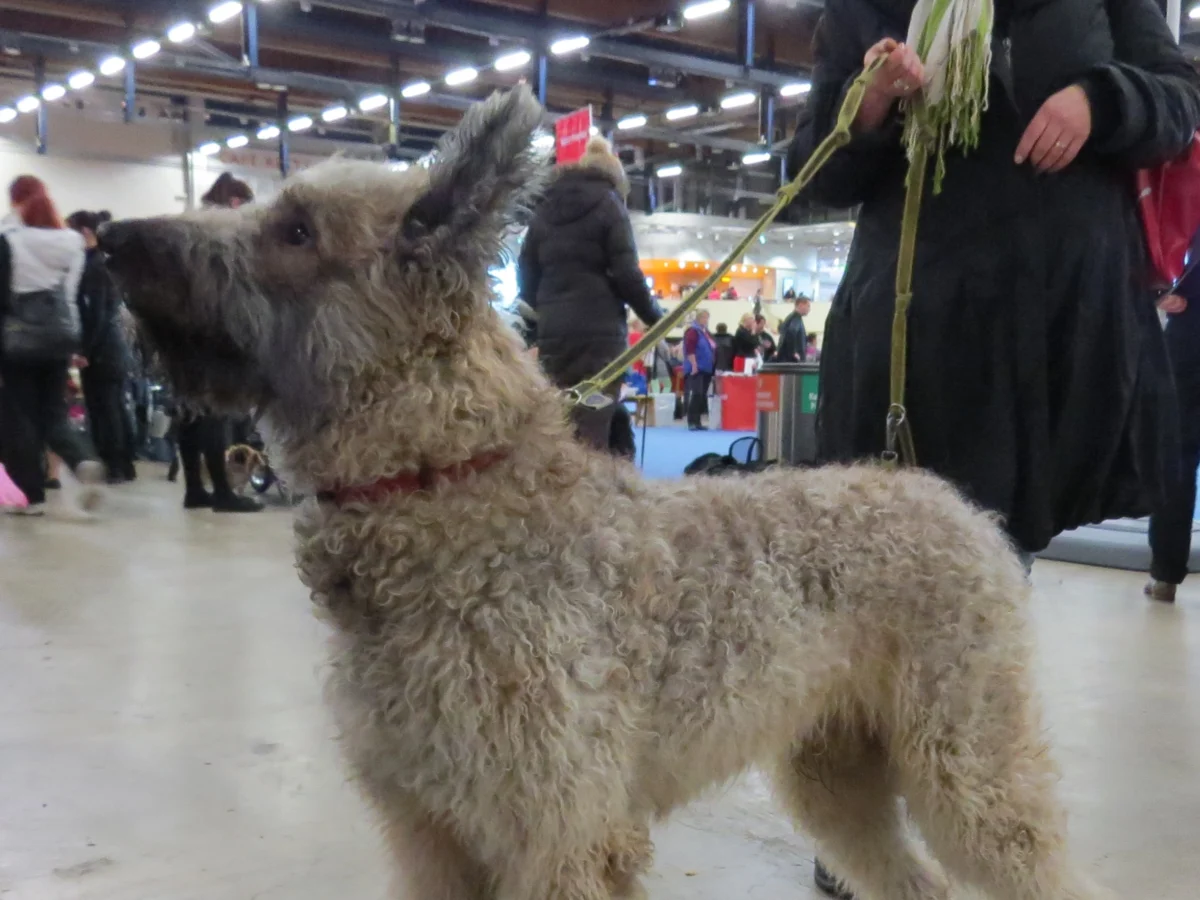
The Belgian Laekenois is a fairly hardy breed, but because it is rare there is less health data available than for its better known cousins, and owners should still plan for the problems seen across the Belgian shepherd family. Hip dysplasia and elbow dysplasia are the most important inherited concerns, and responsible breeders screen their breeding dogs for both before producing a litter. Eye problems also occur, including progressive retinal atrophy and cataracts, so regular eye checks matter as the dog ages. Epilepsy has been recorded in Belgian shepherds, and any fit or seizure should be reported to a vet promptly so that it can be investigated and managed. Like other deep chested breeds the Laekenois can be at risk of bloat, where the stomach fills with gas and can twist, and skin problems can hide beneath the rough coat, so itchy skin, hot spots and sore ears should not be ignored. Dental disease is common in middle aged dogs, and a sore mouth can quietly spoil a dog’s appetite and mood long before it becomes obvious.
Solutions and Prevention
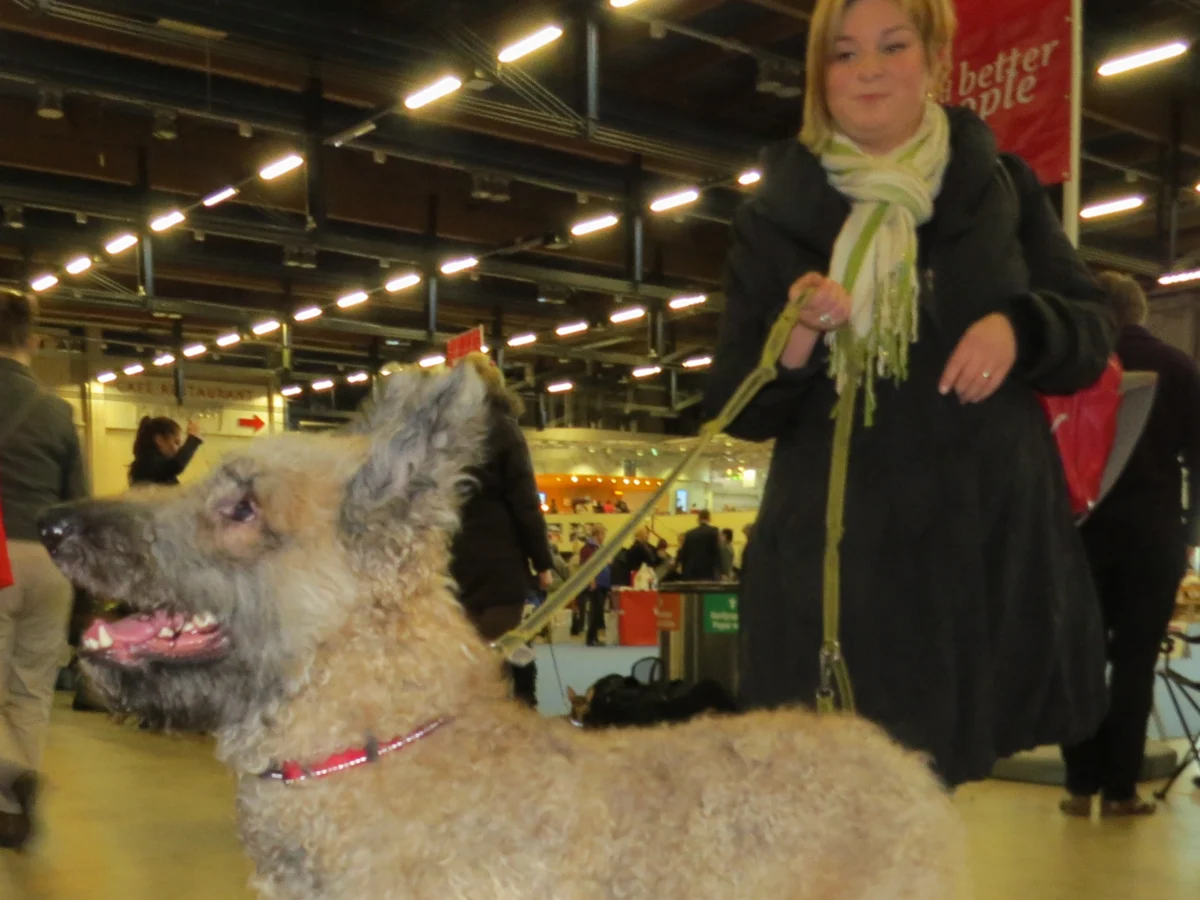
The best protection for a Belgian Laekenois starts before the puppy comes home, by choosing a breeder who health tests the parents, screens hips and elbows, and is happy to show you the results and introduce you to the mother. Keep your dog lean and well muscled, because extra weight puts needless strain on joints that may already be at risk, and feed a good quality diet in measured meals rather than leaving food down all day. Exercise should be regular and varied, with long walks, play and training, while avoiding too much jumping and twisting in a young puppy whose joints are still growing. Book a vet check at least once a year, keep vaccinations and parasite control up to date, and ask the vet to look at the eyes and teeth at every visit. To reduce the risk of bloat, feed two or three smaller meals a day, use a slow feeder if your dog gulps its food, and avoid vigorous exercise for an hour after eating. Watch for early warning signs such as limping, stiffness after rest, a swollen belly, restlessness or any change in appetite, and seek veterinary help early, since most problems are far easier and cheaper to treat when they are caught in time.
Grooming and Cleaning
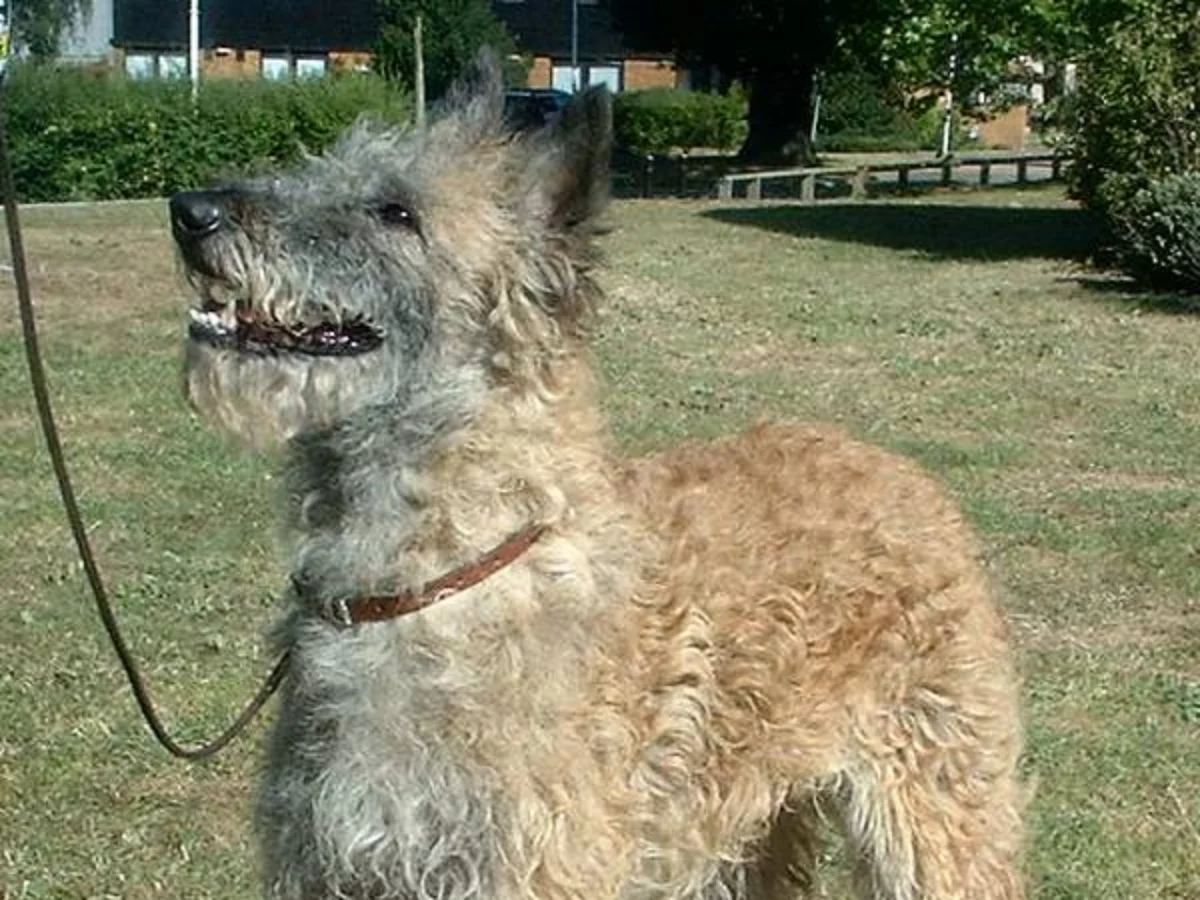
Grooming a Belgian Laekenois is simpler than its wild coat suggests, and the tousled look is natural, so the aim is tidy rather than polished. Brush the rough double coat two or three times a week with a slicker brush and a wide comb to remove dead hair and stop small tangles from becoming mats, paying attention behind the ears, under the collar and around the legs where the coat is longest. The wiry coat benefits from hand stripping or a light trim a few times a year, which keeps its texture and colour, and it should never be shaved, since clipping changes the coat and spoils its weatherproof quality. Bathing is only needed when the dog is genuinely dirty, and a mild dog shampoo followed by a good rinse is enough, with the coat left to dry naturally. Check the ears weekly for redness or a smell, clean them gently when needed, trim the nails every few weeks, and brush the teeth several times a week with a dog toothpaste to keep gum disease at bay. The coat sheds moderately and a little more in spring and autumn, when a few extra brushing sessions will keep the house and the dog in good order.
Living With a Belgian Laekenois: Care Tips for Owners
Living well with a Belgian Laekenois comes down to giving this clever, active dog enough work, exercise and company to be happy. Aim for at least ninety minutes of activity a day, split between walks, play and training, and add brain work such as scent games, puzzle feeders and herding or agility classes, which suit the breed far better than endless laps of the same park. A secure garden with a solid fence is important, since a Laekenois that spots something interesting will want to investigate it, and the breed does best in a home where someone is around for much of the day, as it dislikes long spells alone. The breed is usually gentle and patient with older children who treat it with respect, though its herding instinct means it may try to nip at the heels of small running children, so supervision and training are important. Introduce it carefully to other dogs and pets, since some Laekenois can be selective about canine company, and keep up socialisation throughout its life. With a firm routine, clear boundaries and plenty of shared activity, a Laekenois becomes a loyal, watchful and deeply affectionate member of the family.
Frequently Asked Questions
Is the Belgian Laekenois a good family dog?
Yes, for an active family that understands herding dogs it can be a wonderful companion. It is loyal, protective and affectionate with its own people, and it does best with older children and owners who give it training, exercise and company every day.
How much exercise does a Belgian Laekenois need?
Most adults need at least ninety minutes of exercise and mental stimulation each day, including long walks, play and training. Herding, agility and scent work are all excellent outlets for the breed’s energy and intelligence.
Does the Belgian Laekenois shed a lot?
It sheds moderately, with heavier shedding in spring and autumn. Brushing the rough coat two or three times a week removes dead hair, keeps tangles away and makes the shedding much easier to live with.
Is the Belgian Laekenois easy to train?
It is very intelligent and keen to learn, but it is also sensitive and strong willed, so it needs calm, consistent, reward based training. An experienced owner who enjoys training will get the best from this breed.
How long do Belgian Laekenois live?
Belgian Laekenois usually live for around twelve to fourteen years. A healthy weight, regular vet checks, good dental care and daily exercise all help the breed reach a good old age.