

Introduction
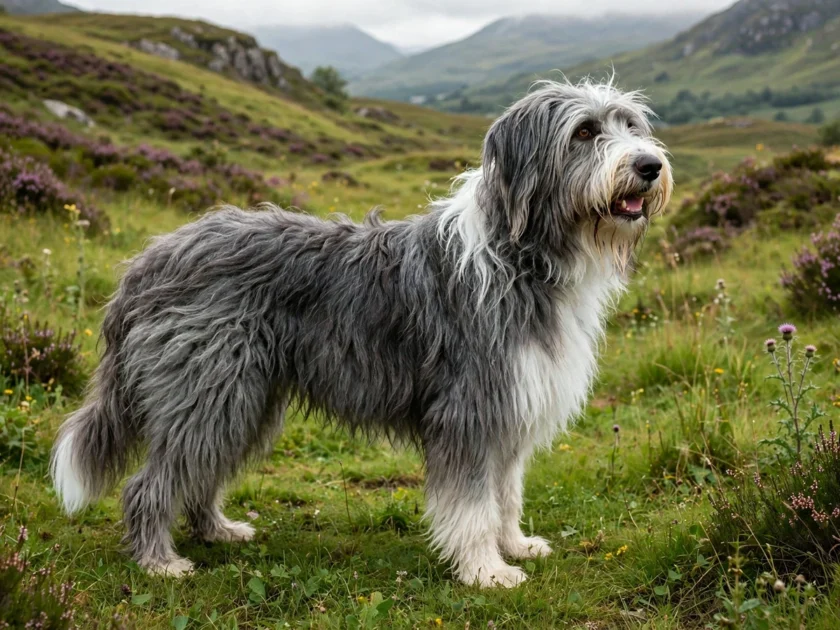
Meet the Bearded Collie, a cheerful Scottish herding dog with a long shaggy coat and a beard that gives the breed its name. Known affectionately as the Beardie, this medium sized dog has spent centuries working the hills and glens of Scotland, driving sheep and cattle through rough weather. One of the oldest herding dogs in Britain, it very nearly vanished during the Second World War before devoted breeders brought it back. The Kennel Club recognised it in 1959, and the American Kennel Club followed in 1976. You can read more about its long history on the Bearded Collie Wikipedia page. At home the Beardie is a bouncing bundle of joy, famous for its Beardie bounce, a joyful leap for its favourite people.
Characteristics
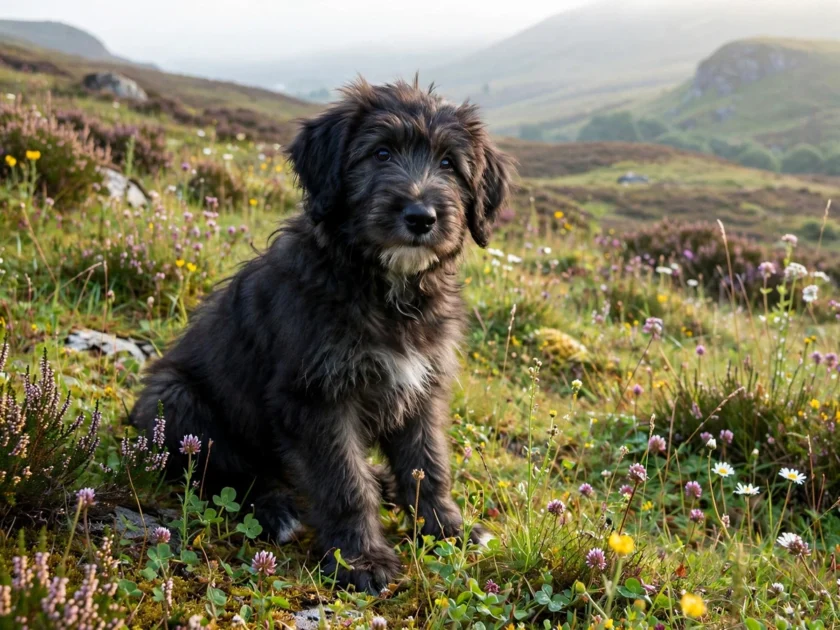
The Bearded Collie is a medium sized dog, slightly longer than it is tall and built for a long day of work. Most adults stand twenty to twenty two inches tall and weigh forty five to fifty five pounds, males a little taller and heavier. Its broad head is expressive, with a large black nose and eyes whose colour matches the coat. The coat is the breed’s most recognisable feature, a double coat with a soft dense undercoat and a harsh shaggy outer coat, flat or slightly wavy and never curly, in black, blue, brown or fawn, usually with white markings. Beardies are famous as dogs of changing colours: puppies are born dark, lighten over their first year or two, then deepen again in adulthood. Athletic and long lived, the breed typically lives twelve to fourteen years, and its temperament is active, outgoing, bouncy and affectionate. It shares its herding heritage with the German Shepherd.
Habits and Behaviour
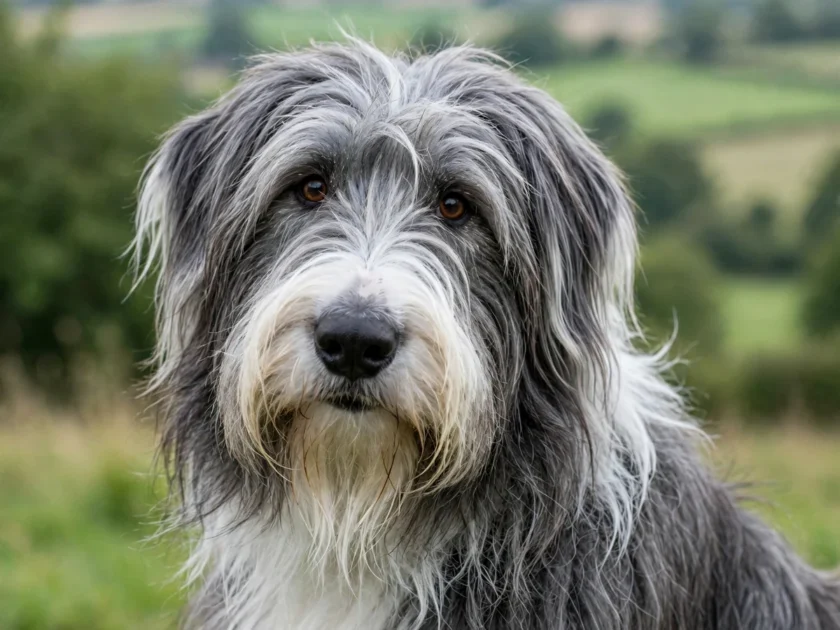
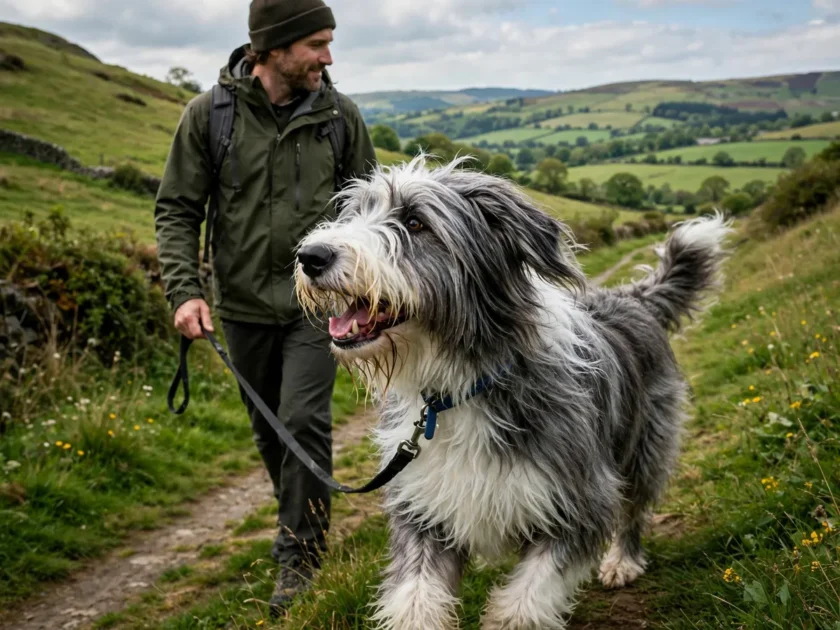
A Bearded Collie is happiest with a job to do and people to do it with, bringing a clownish enthusiasm to everything from a morning walk to a game of fetch. Bred to work beside a shepherd all day, it is deeply sociable, bonds closely to its family, greets strangers like old friends and gets along well with other dogs. With genuine lasting energy, a bored Beardie will invent its own entertainment, which can mean barking and chewing. The herding instinct is real, and Beardies may circle, chase and nip at the heels of running children, joggers and cyclists, so early training and a securely fenced space matter. With children the breed is gentle and playful, though its bouncy greetings suit older children best. Intelligent and quick to learn, yet independent and easily bored, it responds best to short game like sessions built on praise, treats and play. Beardies dislike being left alone for long stretches and can suffer from separation anxiety.

Common Diseases and Health Problems
The Bearded Collie is generally hardy, yet owners should know a handful of inherited conditions. Hip dysplasia is the most discussed concern: the hip joint does not fit neatly into its socket, so the bones rub and wear over time, causing pain, stiffness and arthritis. Autoimmune hypothyroidism is notably common: the immune system attacks the thyroid gland, slowing the metabolism and causing weight gain, a dull coat, lethargy and skin trouble. Addison’s disease is uncommon in dogs overall but appears more often in Bearded Collies: it affects the adrenal glands so the body cannot produce enough of certain hormones, leading to weakness and collapse if unrecognised. Progressive retinal atrophy is an inherited eye condition in which the cells at the back of the eye slowly deteriorate, starting with night vision and gradually leading to blindness, and juvenile cataracts can cloud the lens of a young dog. Allergies, especially to dust mites and pollen, are common, along with ear infections and skin problems.
Solutions and Prevention
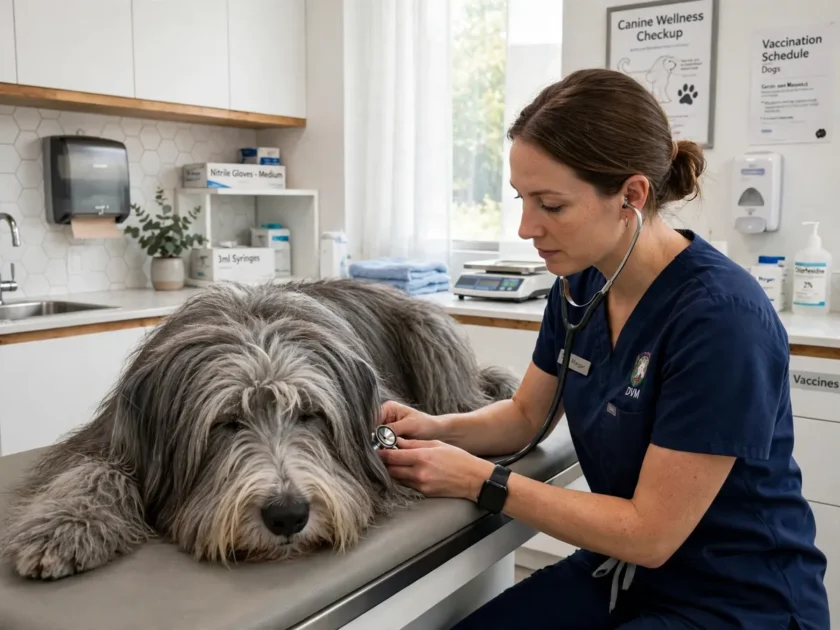
The best protection for a Bearded Collie starts before the puppy comes home, with the choice of breeder. A responsible breeder screens the parents with hip evaluations, yearly eye examinations by a veterinary ophthalmologist, and tests for autoimmune thyroiditis, and shares those results openly. Once the puppy is home, keeping it lean is powerful prevention, because excess weight strains developing joints, so feed a high quality diet suited to the dog’s life stage and measure meals rather than leaving food down all day. Regular veterinary care is the other half of prevention: annual check ups let the vet notice early changes in weight, coat, energy or vision, and the breed club recommends thyroid tests yearly until five, then every two years. At home, watch for slow rising, hesitation on stairs, unexplained weight gain, a thinning coat, repeated vomiting or uncertainty in low light, and seek a prompt vet visit: Addison’s disease and hypothyroidism are very manageable once diagnosed.
Grooming and Cleaning
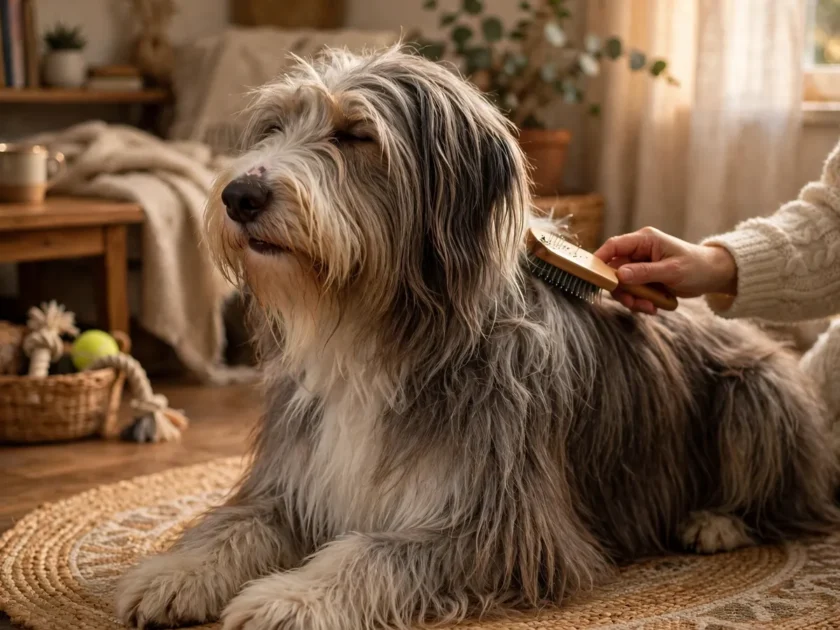
The Bearded Collie’s beautiful coat is also its biggest commitment. The double coat sheds moderately and mats readily, so brushing down to the skin two or three times a week is essential, with a quick daily brush keeping tangles at bay. Use a pin brush and then a fine toothed comb, misting the coat lightly first so the hair does not break. Watch the trouble spots where mats form first: behind the ears, in the armpits, on the chest and around the groin. Expect a heavy coat change around the first birthday. Bathe every six to eight weeks with a gentle shampoo and detangling conditioner, and leave the coat to dry naturally. Owners who cannot keep up with the full routine often choose a shorter pet trim, clipped to about an inch and a half or two inches every eight to ten weeks. Check ears regularly and dry them after baths or swimming, trim nails often, and brush teeth with toothpaste made for dogs.
Living With a Bearded Collie: Care Tips for Owners
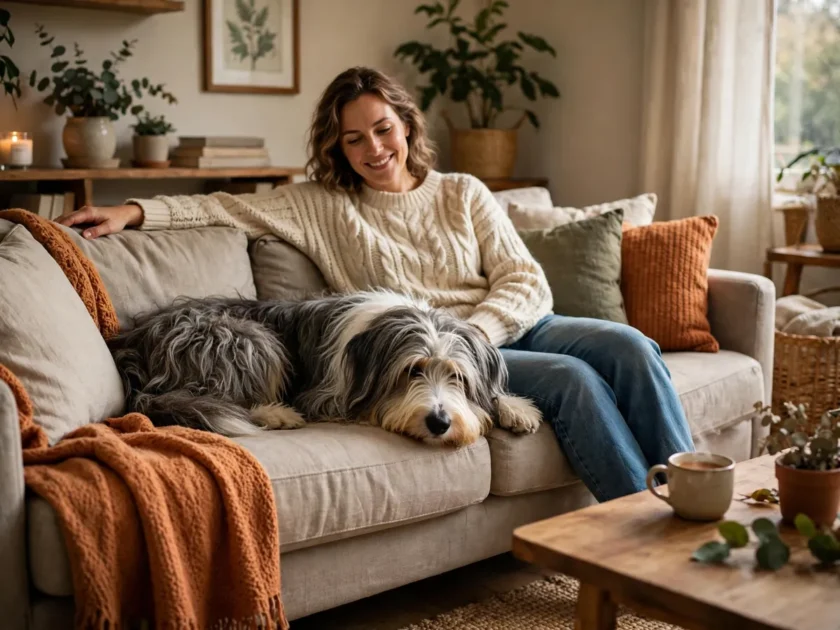
Living with a Bearded Collie is a joyful adventure, and the dogs that do best are treated as true members of the household. Plan for at least an hour of exercise every day, mixing long walks and hikes with running in a fenced field, fetch and dog sports such as agility and herding, so both body and mind are tired by evening. Feed adults twice a day, choose a food suited to an active dog, and keep treats modest so the waistline stays trim and the joints stay happy. Start training early, socialise the puppy widely, and teach a reliable recall, because an excited Beardie can be very selective about coming back. Because Beardies bond so closely to their people, avoid leaving one alone for a whole working day: a dog walker or trusted day care visit can help. Give it a comfortable bed near the family, a securely fenced yard to bounce in and regular vet visits, and it will repay that care with loyalty and affection for years.
FAQ
Is a Bearded Collie a good family dog?
Yes, for an active household it makes a wonderful family dog: gentle and affectionate with children, sociable with other dogs, and happiest as part of everyday family life, though its bouncy greetings suit older children best.
Do Bearded Collies shed a lot?
Bearded Collies shed moderately, but loose hair stays trapped in the long double coat, which is why the coat mats so easily. Daily brushing removes that trapped hair, so the breed is not low maintenance.
How much exercise does a Bearded Collie need?
A Bearded Collie needs at least an hour of exercise every day, and ideally more when young. Walks alone are rarely enough, so add running, hiking, retrieving games, training and dog sports. A well exercised Beardie is calm indoors, while an under exercised one may bark, dig, chew or herd the family.
Are Bearded Collies easy to train?
Bearded Collies are intelligent and quick to learn, which makes training rewarding, but they are independent and easily bored, so they can be stubborn if sessions are harsh or repetitive. They learn best with praise, treats and play, in short fun lessons that change often.
What health problems do Bearded Collies have?
Bearded Collies are generally healthy, but they can be prone to hip dysplasia, autoimmune hypothyroidism, Addison’s disease, progressive retinal atrophy and juvenile cataracts, along with allergies, ear infections and skin problems. Responsible breeders screen for hip, eye and thyroid problems, and owners can help by keeping the dog lean and booking regular vet check ups.