
Introduction
Meet the Belgian Malinois, a dog that has become famous around the world as the partner of soldiers, police officers and search teams, yet began its life as a humble herding dog on the farms around the Belgian city of Mechelen, known in French as Malines. The Malinois is one of four varieties of the Belgian Shepherd, and of the four it was the first to breed true to type, which is why its name and its reputation spread so quickly. At a glance it is a medium sized, square built dog with a short fawn coat, a black mask and ears, and an expression that is always alert, as if it is waiting for the next instruction. That alertness is the heart of the breed. A Malinois is not a dog that idles happily through the day. It wants work, it wants a task, and it wants a person to work with, and when those three things are in place it is one of the most loyal, capable and rewarding dogs in the world. This guide explains what the breed is really like to live with, from its temperament and health to its grooming and daily care, so you can decide honestly whether a Malinois fits your life. For a wider look at the breed family, the Belgian Malinois Wikipedia page gives a useful overview of its history and standards.
Characteristics
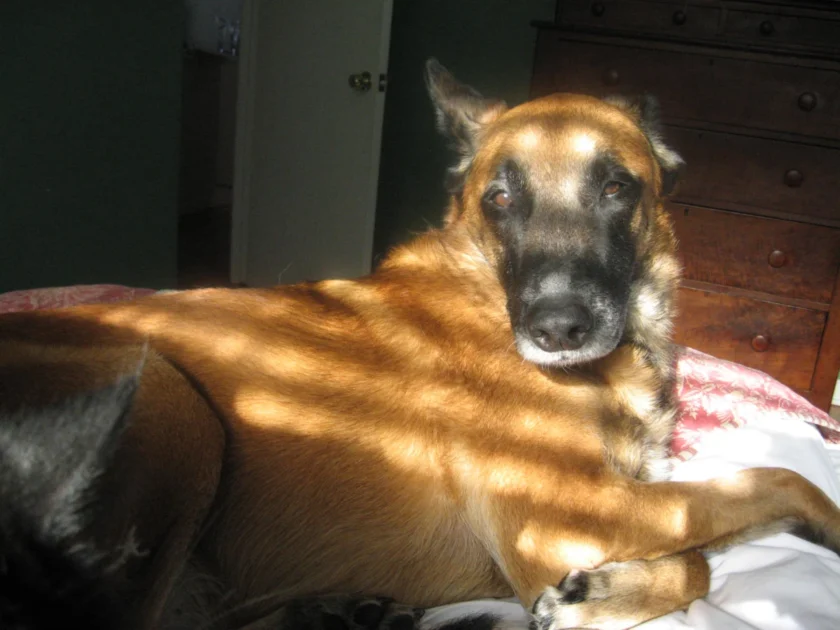
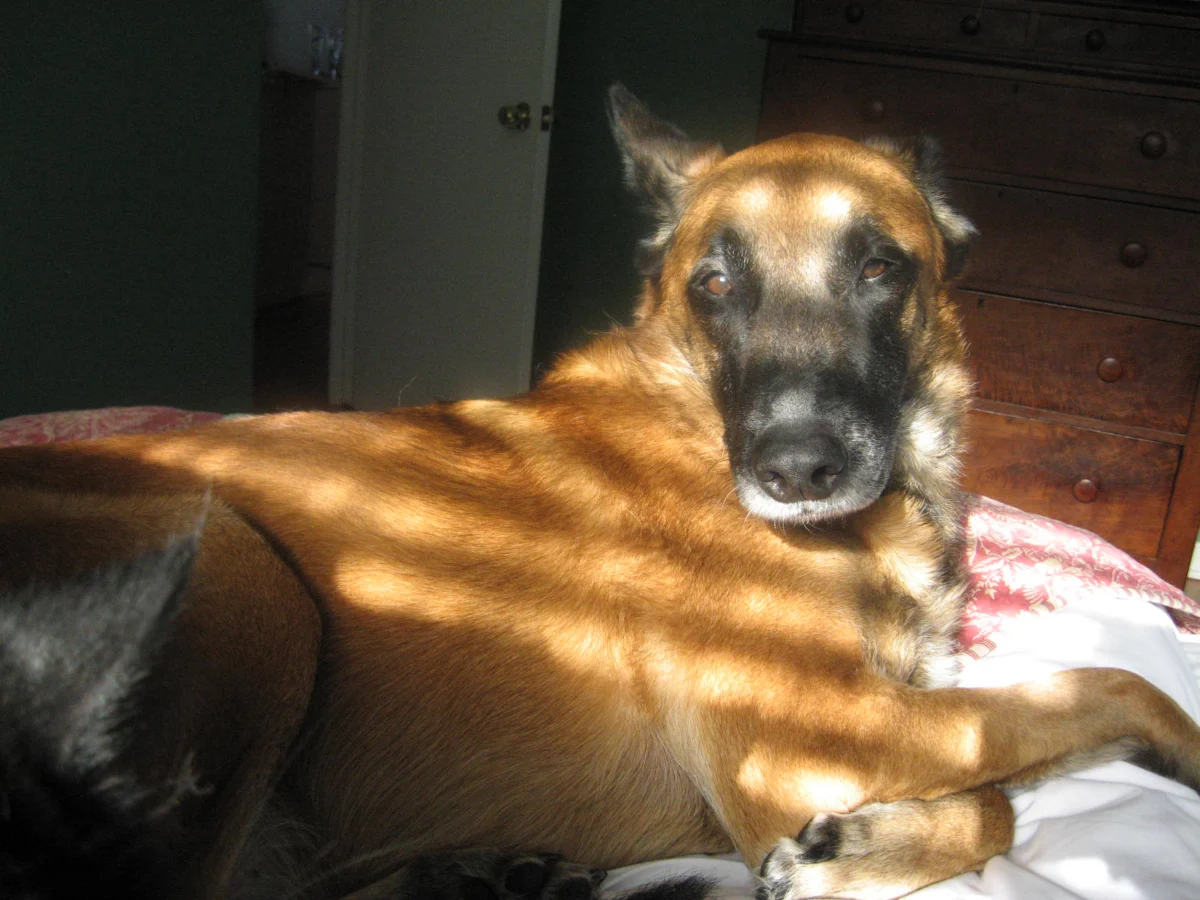
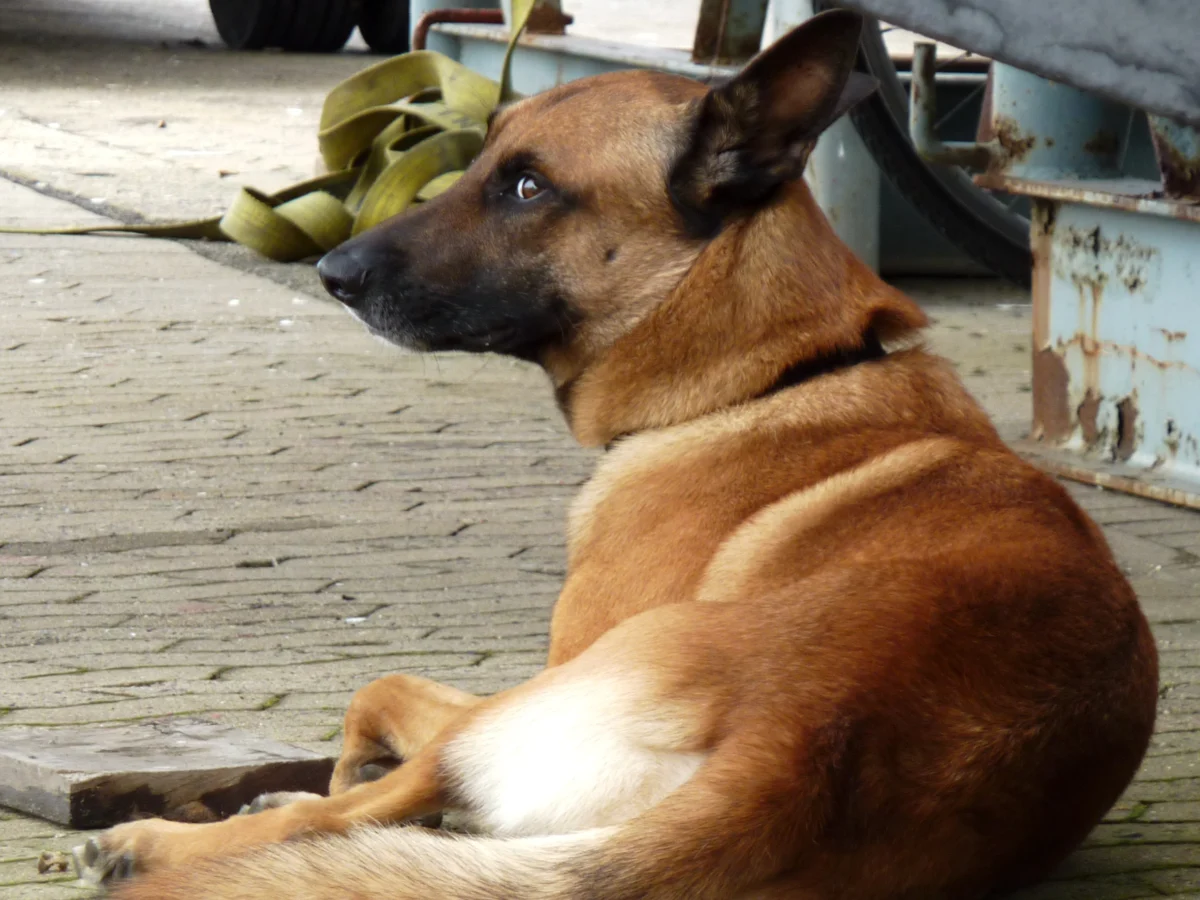
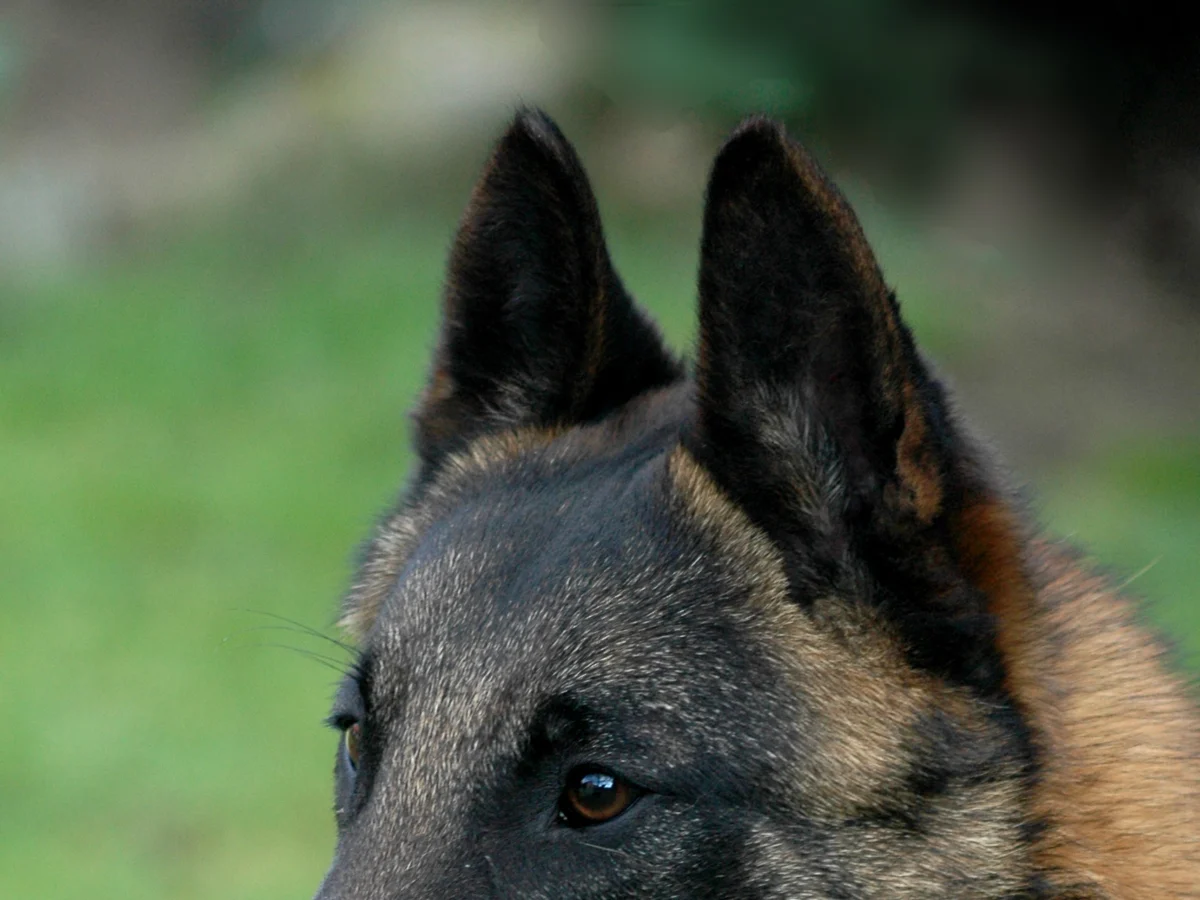
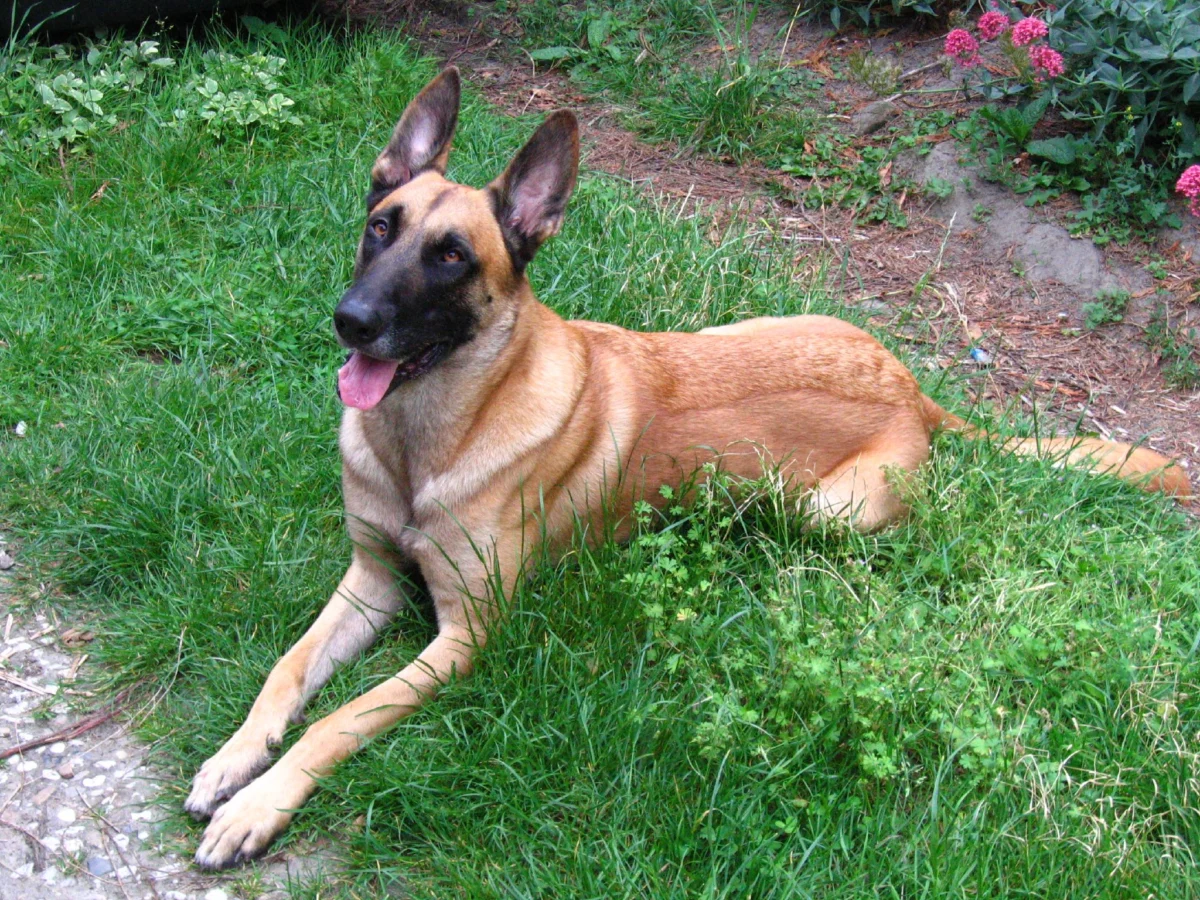
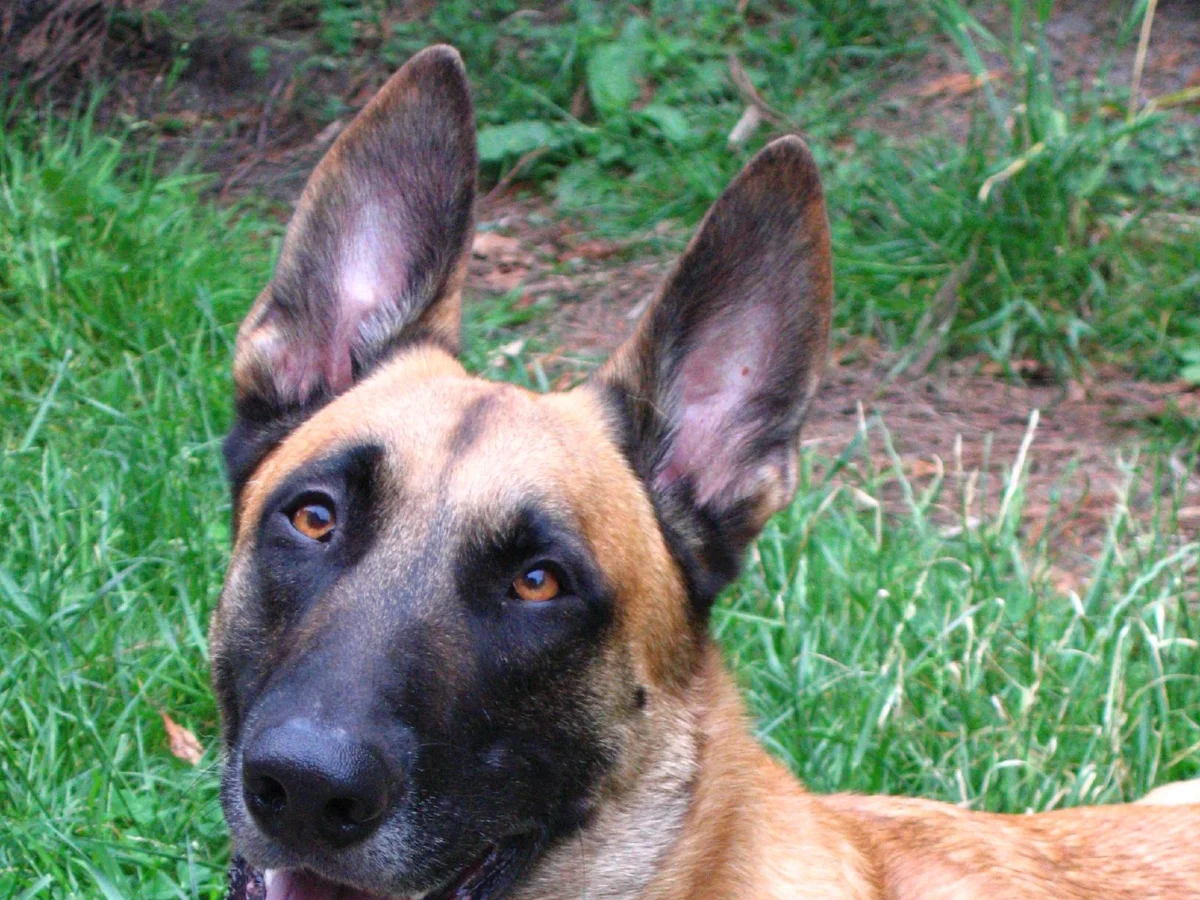
The Belgian Malinois is a medium sized dog, and males usually stand between sixty and sixty six centimetres at the shoulder while females are a little smaller at fifty six to sixty two centimetres, with males weighing roughly twenty five to thirty kilograms and females twenty to twenty five. The coat is short, straight and hard, lying close to the body, and it is fawn in colour with a black overlay and a black mask, which gives the breed its familiar sharp look. The ears are large, triangular and carried upright, the eyes are dark and almond shaped, and the whole dog is built for speed and endurance rather than bulk, with a deep chest, a level back and long, clean legs. In movement a Malinois is light and quick, covering ground with long, easy strides, and it can turn and spring with a suddenness that surprises people who are used to heavier dogs. The breed belongs to the herding group, and like the German Shepherd it was shaped by work rather than by the show ring, so its body is a tool first and an ornament second. Its double coat is practical too, with a dense undercoat that keeps it warm in cold weather and a weather resistant outer coat that sheds rain and mud. The Malinois is recognised by the American Kennel Club as a breed in its own right, while the Fédération Cynologique Internationale treats it as one of four varieties of a single Belgian Shepherd breed, a difference that says a lot about how closely the four varieties are related. What really defines the Malinois, though, is not its measurements but its intensity. It is a dog that lives at full attention, and that intensity shapes everything else about it.
Habits and Behaviour
A Belgian Malinois is intelligent, alert and deeply devoted to its people, and it watches the world with a seriousness that surprises first time owners. It bonds strongly with one family and is naturally reserved with strangers, which makes it a fine watchdog, though it should never be sharp or nervous. The breed carries a powerful herding instinct and a strong drive to work, and it will happily gather children, other pets and anything else that moves if it is not given a proper job, so early socialisation and steady training are essential. Malinois are quick learners that enjoy having a task, whether that is obedience, scent work, agility or simply a long, interesting walk with plenty to sniff and think about. They are sensitive to harsh handling and respond best to calm, reward based training with clear rules. Left alone for long hours with nothing to do, a bored Malinois will invent its own entertainment, which usually means digging, chewing and rearranging the garden, so this is not a breed for an owner who is away all day. The breed is also famously mouthy as a puppy, using its mouth to explore and to play, and owners need to teach gentle manners from the start. With people it knows, a Malinois is affectionate and playful, and it often follows its owner from room to room, happiest when it is included in whatever is happening. That devotion is the breed’s greatest charm and its greatest demand, because a Malinois that feels left out will find a way to be noticed.
Common Diseases and Health Problems
The Belgian Malinois is a fairly hardy breed, and compared with many other large dogs it has relatively few inherited problems, but there are several conditions that owners should know about. Hip and elbow dysplasia are the best known, and both can cause pain and stiffness as the dog grows older, so responsible breeders screen their breeding dogs and the Belgian Shepherd Club in several countries recommends hip and elbow testing for all four varieties. Progressive retinal atrophy, a disease that slowly steals a dog’s sight, occurs in the breed, and cataracts can also cloud the lens of the eye, so regular eye checks matter. Epilepsy is another concern, and the breed is one of those for which epilepsy testing is recommended before breeding. Bloat, the dangerous twisting of the stomach that can affect deep chested dogs, is a risk, and it can come on suddenly and needs emergency treatment. Pannus, an eye condition in which the cornea becomes cloudy, is seen in the breed too, and it is managed with eye drops and protection from bright sunlight. Some Malinois are sensitive to anaesthesia, which is worth mentioning to a vet before any procedure. As with any active dog, injuries to muscles and joints can happen during hard work or sport, and a Malinois will often keep working through pain, so owners need to watch for limping or stiffness and rest the dog when it appears. A healthy Malinois usually lives for around fourteen to sixteen years, and many of the breed’s problems can be caught early with regular vet checks.
Solutions and Prevention
The best protection for a Belgian Malinois starts before the puppy comes home, by choosing a breeder who health tests the parents for hips, elbows and eyes, and who can show the results. Ask about epilepsy in the lines too, and be ready to walk away from a breeder who cannot answer these questions. Once the puppy is home, keep its growth steady rather than fast, because rapid growth in a large puppy can stress developing joints, so feed a good quality food in the right amount for the dog’s age and size, and avoid overfeeding. Exercise should be built up gradually in a young dog, with free play and short training sessions rather than long runs or repeated jumping until the joints have matured. For bloat, feed two or three smaller meals a day instead of one large meal, use a slow feeder if the dog gulps, and avoid hard exercise for an hour before and after eating. Keep up with vaccinations, flea and worm treatment, and an annual vet check, and ask the vet to look at the eyes and the teeth at each visit. Brush the teeth several times a week and watch for tartar, because dental disease can affect the heart and kidneys over time. Give the dog a job every day, because a Malinois that is busy and tired is a Malinois that stays out of trouble, and mix training, play and rest so the dog learns to settle as well as to work. If the dog ever shows signs of lameness, a squint, a cloudy eye, a fit, or a swollen belly with retching, treat it as urgent and call the vet straight away.
Grooming and Cleaning
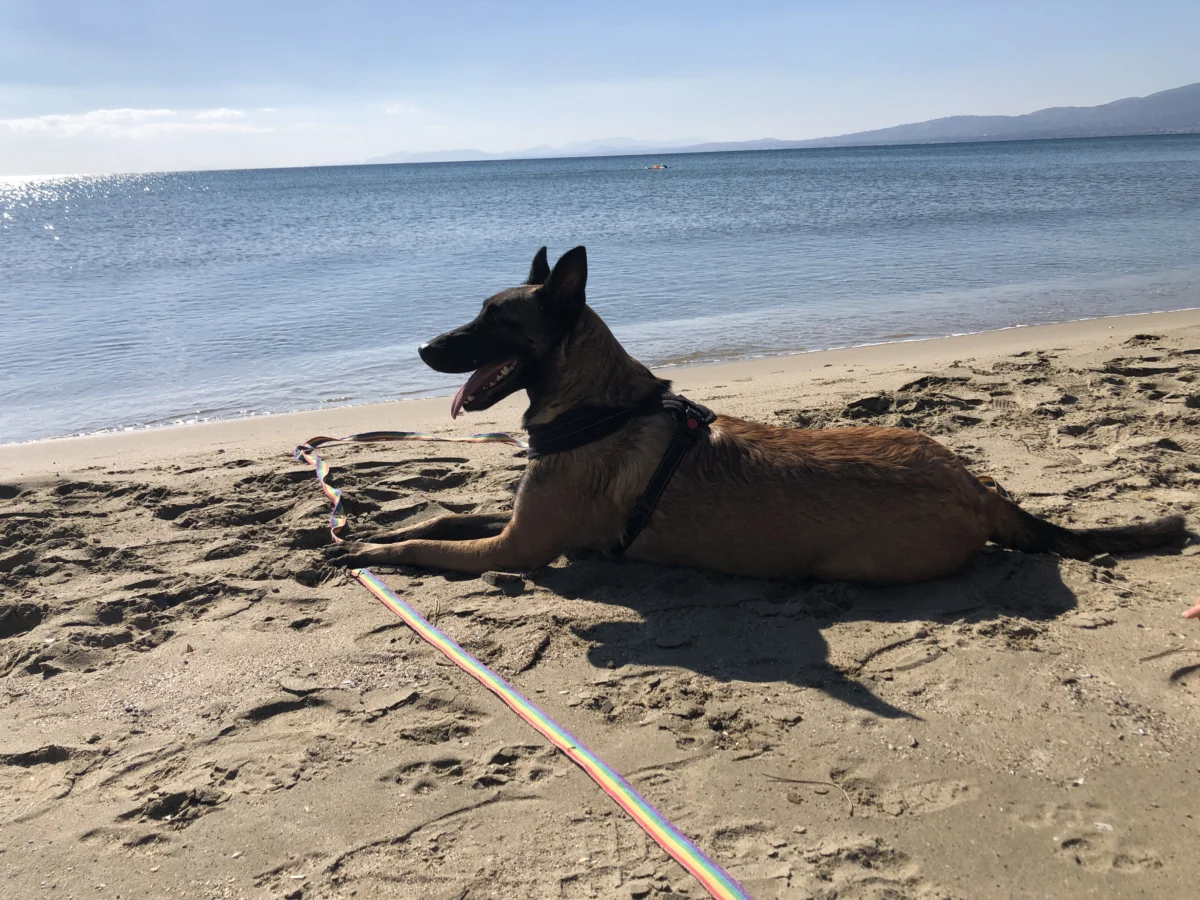
Grooming a Belgian Malinois is simpler than many people expect, because the coat is short and practical. A weekly brush with a firm bristle brush or a rubber grooming mitt is usually enough to remove loose hair and keep the coat shiny, and during the twice yearly shedding seasons the dog will need brushing several times a week to keep the hair in the house under control. Bathing is only needed when the dog is dirty or smelly, and a mild dog shampoo is best, because washing too often strips the natural oils from the coat. The ears should be checked weekly and cleaned gently when they look dirty, and the nails need trimming every few weeks if the dog does not wear them down on walks. Teeth should be brushed several times a week with a dog toothpaste, and a vet dental check once a year helps catch problems early. After muddy walks, a quick towel dry and a brush is usually enough, and the coat dries quickly. Because the Malinois sheds all year round, a lint roller and a good vacuum become part of life, and owners who are fussy about hair in the house should think carefully before choosing this breed. The breed is not hypoallergenic, and no amount of grooming will change that. A short grooming session is also a good chance to check the dog over for lumps, cuts, sore paws and ticks, which is a habit that pays off over the years.
Living With a Belgian Malinois: Care Tips for Owners
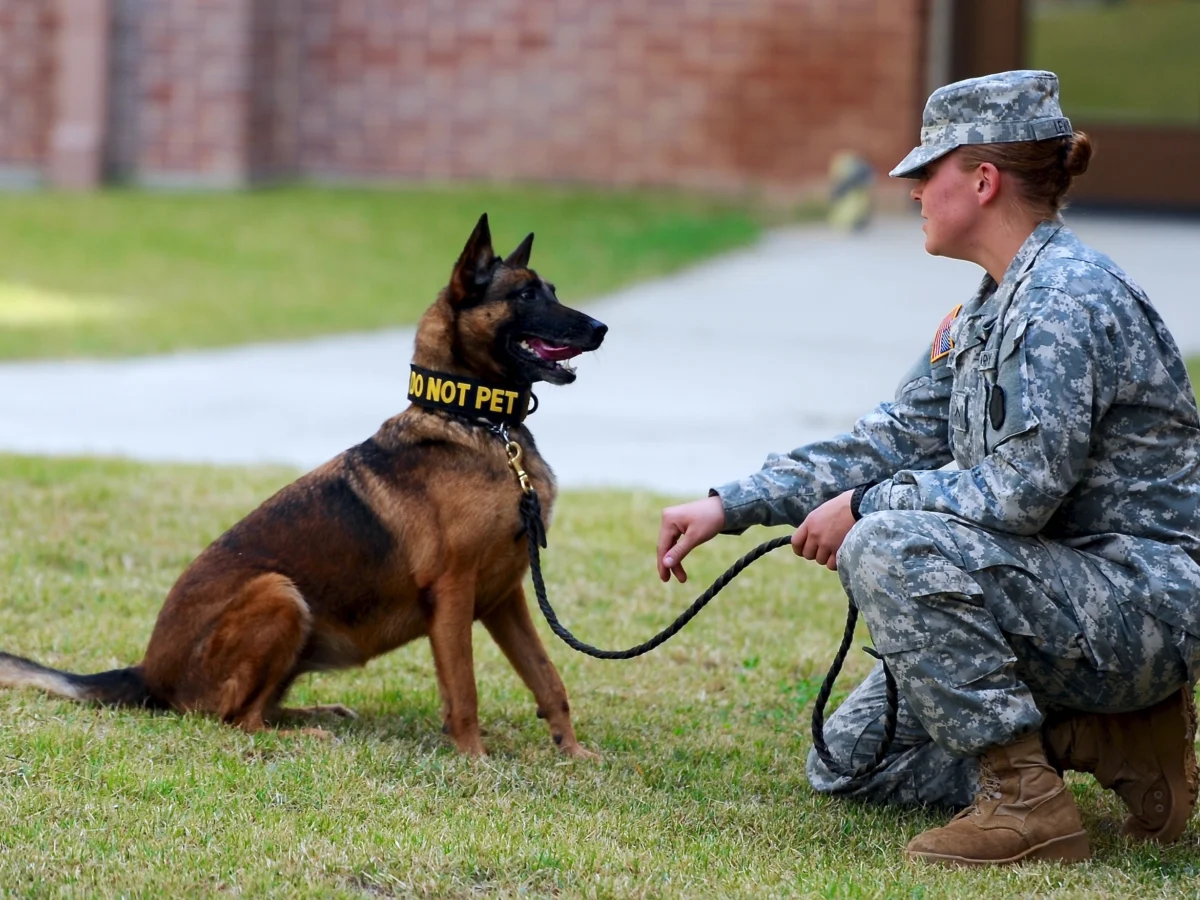
Living well with a Belgian Malinois comes down to giving this clever, active dog enough work, exercise and company, and the dog will repay the effort with loyalty that is hard to match. An adult Malinois needs at least ninety minutes of exercise and mental stimulation each day, including long walks, play and training, and a tired Malinois is a happy Malinois. Training should start early and never really stop, with short, fun sessions that teach the dog to listen, to wait and to settle, and owners do best when they are calm, consistent and fair. The breed suits an active home with a secure garden, and it can live in a flat if the owner is committed to long daily outings, but it does not suit a home where it is left alone for most of the day. With children, a well socialised Malinois can be a devoted playmate, though its herding instinct means it may try to chase or nip at running children, so play should be supervised and the dog should have a quiet place to rest. Other pets are usually accepted if the dog grows up with them, but introductions should be careful and the dog’s strong prey drive should be respected. A Malinois eats a good quality diet suited to an active dog, with fresh water always available, and its weight should be watched, because an overweight working dog will tire quickly and strain its joints. The breed thrives on routine and on being part of the family, and it is at its best when it has a purpose, whether that is a sport, a job or simply a long walk with its person at the end of the day.
Frequently Asked Questions
Is the Belgian Malinois a good family dog?
Yes, for an active and experienced family it can be a wonderful companion, and it is loyal, protective and playful with the people it loves. It is not a first dog for most people, though, because it needs a lot of exercise, training and company, and a family that cannot give it those things will find it hard work.
How much exercise does a Belgian Malinois need?
Most adults need at least ninety minutes of exercise and mental stimulation each day, including long walks, play and training sessions. A short walk around the block is not enough for this breed, and a bored Malinois will find its own ways to burn energy.
Does the Belgian Malinois shed a lot?
Yes, it sheds all year round, with heavier shedding twice a year when the coat changes with the seasons. A weekly brush helps, and during shedding season the dog needs brushing several times a week to keep the loose hair under control.
Is the Belgian Malinois easy to train?
It is very intelligent and keen to learn, and it picks up new skills quickly, but it is also sensitive and strong willed, so it needs calm, consistent and reward based training. It does best with an owner who enjoys training and who can give it a job to do.
How long do Belgian Malinois live?
Belgian Malinois usually live for around fourteen to sixteen years. A healthy weight, regular vet checks, good food and plenty of exercise all help the dog to live a long and active life.