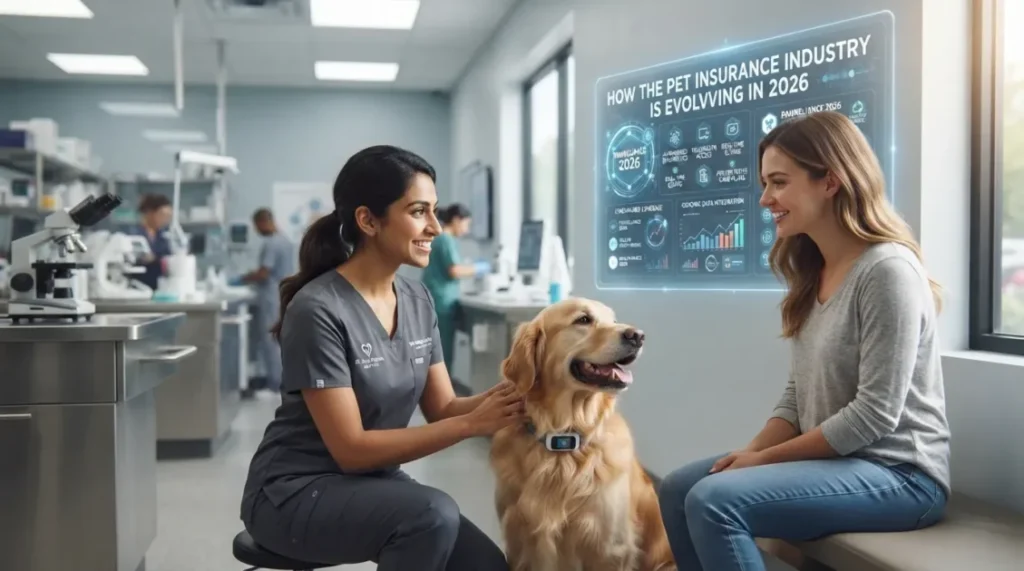

The pet insurance industry in the United States is undergoing a period of rapid change and transformation in 2025. Over the past decade, the market has grown from a niche option into a mainstream financial safeguard for millions of pet owners. With rising veterinary costs, increased awareness of preventive care, and innovative digital technologies, pet insurance is no longer a fringe benefit — it’s becoming essential. In this expansive article, we explore how How the Pet Insurance Industry is Evolving 2026, what trends are shaping its future, how consumer expectations are evolving, and why 2025 represents a pivotal year of growth and innovation.
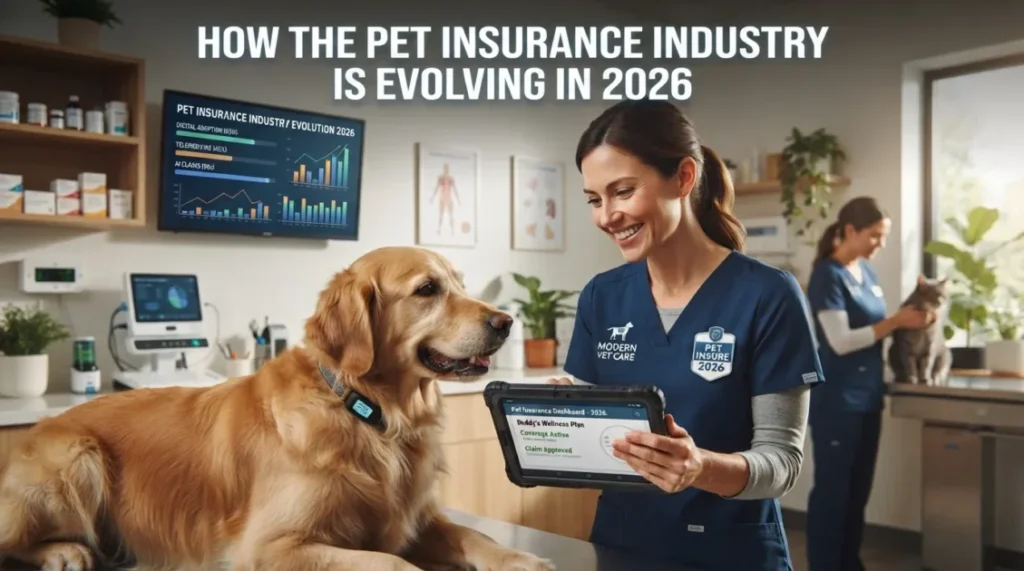
How the Pet Insurance Industry is Evolving in 2026
read the post below how Pet Insurance Industry is Evolving.
The Driving Forces Behind Pet Insurance Growth
The surge in popularity of pet insurance is driven by several key factors. First and foremost is the sharp rise in veterinary costs. Advanced treatments, specialty care, and cutting‑edge diagnostics that once were unimaginable have now become common in veterinary medicine. Procedures like MRI scans, cancer therapies, and orthopedic surgeries can cost thousands of dollars, and without insurance, these costs fall entirely on pet owners. The financial strain associated with such care has encouraged many Americans to explore insurance options to protect both their pets and their wallets.
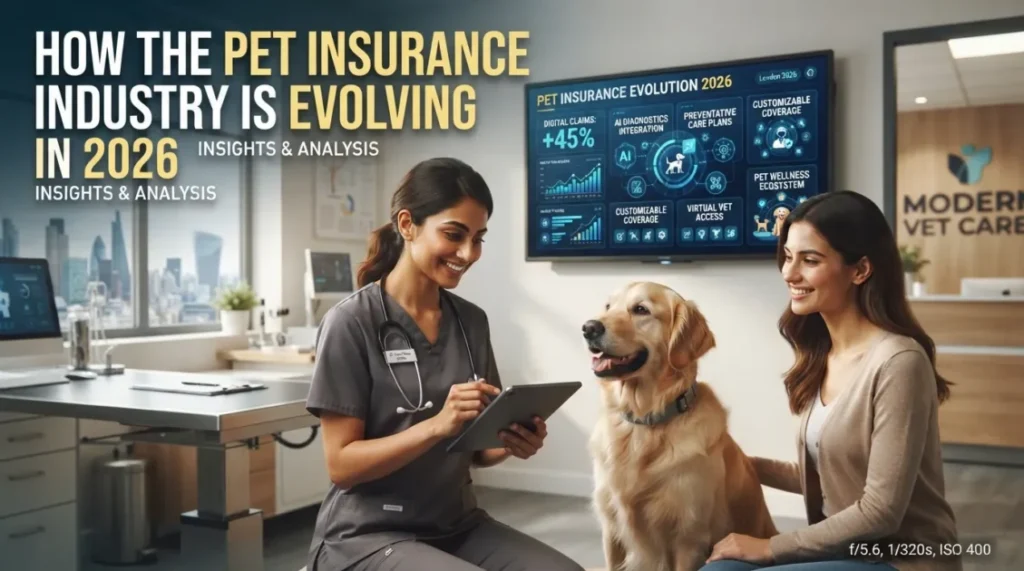
Innovative Plan Structures and Coverage Options
One of the most significant ways the pet insurance industry is evolving in 2026 is through the diversification of coverage options. Traditional plans generally cover accidents and illnesses, but newer offerings include wellness plans, preventive care add‑ons, and customizable benefit structures. Wellness coverage can include routine vaccinations, dental cleanings, and annual exams — a significant expansion beyond only emergency treatment reimbursement.
also read technology helping pet owners
Technology and Automation Shaping the Future
The integration of technology is one of the most visible trends transforming the How the Pet Insurance Industry is Evolving in 2026. Artificial intelligence (AI) and machine learning systems are being deployed to streamline claims processing, enhance underwriting accuracy, and improve customer service. Automated claim adjudication, powered by AI, dramatically reduces wait times and improves the overall customer experience. Rather than waiting weeks for reimbursement, many pet owners now receive approvals and payouts in days or even hours.
Affordability and Cost Transparency
Affordability remains a central concern for U.S. pet owners considering insurance. Premiums vary widely based on a pet’s age, breed, location, and coverage level. In 2026, many insurers are adopting pricing transparency as a selling point, offering clear breakdowns of what costs are covered, annual deductibles, reimbursement rates, and any caps on payouts.
Greater transparency helps owners make informed decisions and compare plans effectively, reducing confusion and frustration. This trend aligns with broader consumer expectations in financial services, where individuals increasingly demand clear, digestible information rather than dense policy jargon.
Regulatory Landscape and Consumer Protection
As Pet Insurance Industry is Evolving regulatory oversight is evolving as well. Regulations differ by state, and there is ongoing debate over whether federal standards should be introduced to protect consumers from deceptive practices or unclear policy terms. In 2025, many industry stakeholders are advocating for clearer guidelines around claim handling, mandatory loss ratios (the percentage of premiums used to pay claims), and disclosure requirements.
Consumer protection groups argue that enhanced oversight can increase confidence in pet insurance and reduce instances where policyholders feel misled by coverage limitations or exclusions. Meanwhile, insurers assert that overly rigid regulation could stifle innovation and raise costs. Finding the right balance will be crucial in shaping the industry’s future.
Market Competition and New Entrants for Pet Insurance Industry is Evolving
Competition is intensifying in the pet insurance market. Established insurers are expanding their offerings while startups and insurtech firms introduce disruptive solutions. These new entrants often emphasize tech‑driven experiences, low friction enrollment, and unique pricing models that appeal to digitally savvy customers.
Partnerships between pet insurers and other pet industry players — such as veterinary hospitals, pet pharmacies, and pet wellness platforms — are also on the rise. These alliances can provide bundled services, value‑added benefits, and referral incentives that boost acquisition and retention.
Major insurance carriers that traditionally focused on human health or life insurance have also entered the space, recognizing its growth potential. Their involvement brings additional capital, underwriting expertise, and brand recognition, all of which contribute to a more competitive landscape.
Consumer Behavior Shifts and Expectations
Pet owners in 2026 are more informed and more selective than ever before. With extensive online resources, reviews, and comparison tools at their fingertips, consumers research policies deeply before purchasing. They expect fast digital interactions, personalized recommendations, and ongoing support that addresses both preventive and reactive care.
Millennial and Gen Z pet owners, in particular, prioritize transparency and value. These demographics are more likely to view insurance as an investment in their pet’s well‑being rather than an optional add‑on. They also tend to favor companies with strong digital capabilities, positive social impact initiatives, and flexible financial options.
Education plays a significant role in consumer adoption of pet insurance. Many pet owners still lack a clear understanding of how coverage works, what conditions are eligible for reimbursement, or how waiting periods function. To address knowledge gaps, insurers increasingly provide educational content through blogs, videos, and webinars, helping pet parents make informed choices.
The Role of Preventive Care in Shaping Insurance Trends
Preventive care is becoming a cornerstone of pet insurance evolution in 2026. Unlike accident‑ and illness‑only plans of the past, modern offerings increasingly recognize the long‑term value of preventive health services. Preventive care — such as routine checkups, vaccinations, dental cleanings, and nutrition counseling — helps identify medical issues early, improving health outcomes while reducing higher‑cost interventions down the road.
Pet insurers are designing programs that reward preventive behaviors with cost savings or enhanced coverage. Some are partnering with veterinarians and telehealth providers to integrate wellness education directly into policyholder experiences. For many owners, especially those with young or high‑risk pets, such integrated preventive services offer peace of mind and financial predictability.
Challenges Facing the Industry
Despite strong momentum, the pet insurance industry is evolving grapples with challenges. One ongoing concern is balancing affordability with financial sustainability. Premium costs continue to rise in some regions, driven by higher veterinary prices, inflation, and more comprehensive coverage options. Insurers must manage risk carefully to avoid underwriting losses while maintaining competitive price points.
Conclusion
The pet insurance industry in 2026 reflects the evolving needs and values of American pet owners. With rising veterinary costs, enhanced digital experiences, customizable coverage options, and an emphasis on preventive care, pet insurance is rapidly shedding its image as a niche product and emerging as a mainstream financial tool. Although challenges remain, the industry is innovating to deliver greater value, transparency, and convenience.