
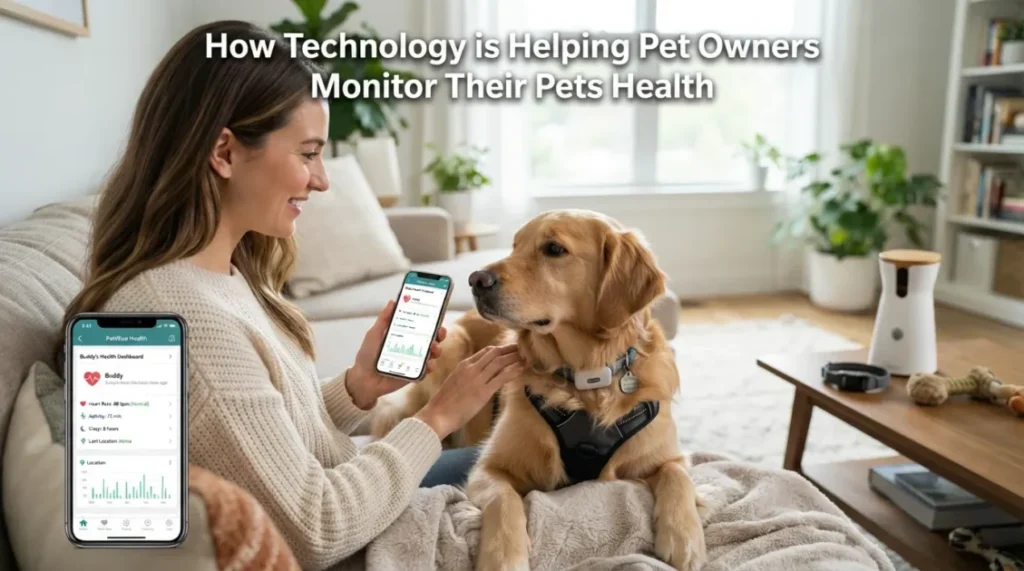

The bond between Americans and their pets has grown stronger than ever, with millions of households across the United States considering pets integral members of the family. As pet ownership rises, so does the responsibility of ensuring their health and well-being. Thanks to rapid advancements in technology, pet owners now have more tools than ever to monitor, manage, and enhance the health of their furry companions.
From wearable devices to telehealth platforms, technology is transforming how pet owners track nutrition, exercise, and medical needs. This comprehensive guide explores the ways technology is helping U.S. pet owners monitor their pets’ health, improve preventive care, and stay connected with veterinary professionals.

The Rise of Technology in Pet Care
The United States pet industry has seen unprecedented growth in recent years, with millions of dogs, cats, and other companion animals under human care. According to the American Pet Products Association (APPA), Americans spent over $130 billion on pets in 2022, including food, healthcare, and wellness products.
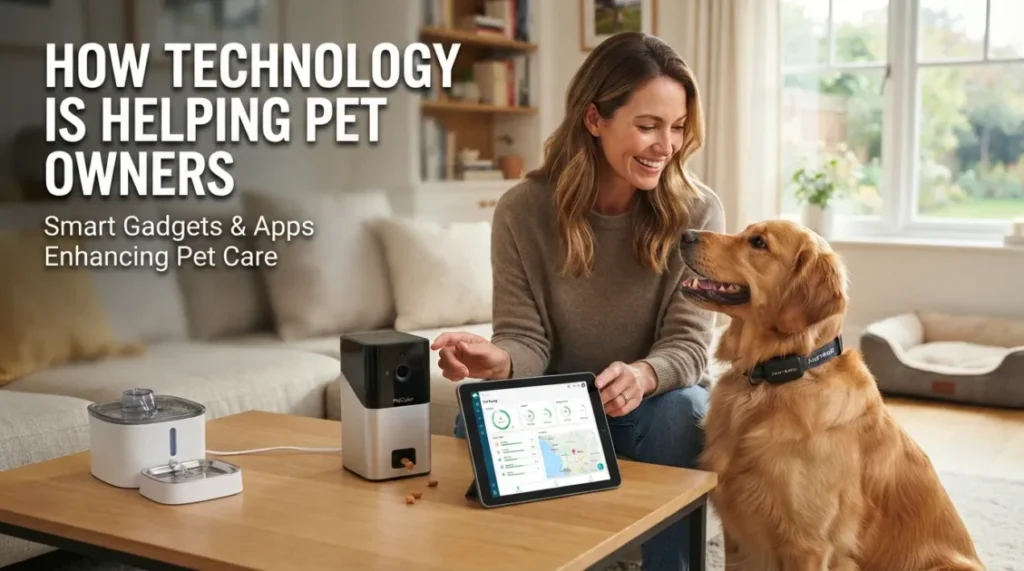
Technology has become a key factor in this evolution, offering tools that allow pet owners to make informed decisions about nutrition, exercise, and preventive care. Wearables, smart feeders, telehealth services, and mobile apps are not just convenient—they are becoming essential for modern pet care.
The pandemic accelerated adoption of technology-driven solutions, as remote work, social distancing, and limited in-person veterinary visits encouraged pet owners to seek digital alternatives for monitoring and managing pet health.
How Technology is Helping Pet Owners
Wearable Devices for Pets
Wearable devices for pets, such as smart collars, trackers, and activity monitors, have revolutionized how owners observe their animals’ daily routines. These devices collect real-time data on activity levels, sleep patterns, heart rate, and location.
For example, GPS-enabled collars help prevent lost pets, while activity monitors track exercise levels to prevent obesity and support overall wellness. Some devices also detect irregular behaviors, such as excessive scratching or restlessness, which may indicate underlying health issues.
American pet owners increasingly rely on these devices to gain insights into their pets’ habits and adjust care routines accordingly. Veterinarians can also use this data to make more informed recommendations, creating a collaborative approach to pet health management. How COVID-19 Changed the Way We Care for Our Pets.

Tele-Veterinary Services
Telehealth has become a vital component of human medicine, and veterinary care has followed suit. Tele-veterinary platforms allow pet owners to consult licensed veterinarians via video calls, chat, or mobile apps.
Tele-vet services provide convenience for routine check-ins, behavior consultations, medication adjustments, and minor health concerns. This technology is particularly beneficial for pet owners in rural areas or those with limited mobility, reducing the need for travel while maintaining access to professional guidance.
The American Veterinary Medical Association (AVMA) supports telehealth as a tool to enhance access to veterinary care while emphasizing the importance of in-person visits when necessary.
Mobile Apps for Pet Health Tracking
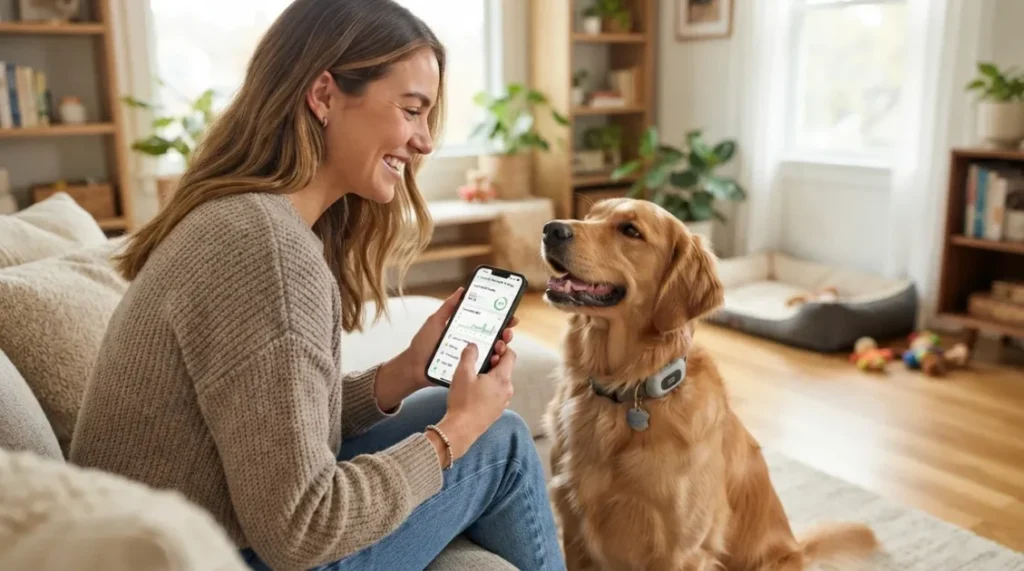
Mobile applications have emerged as powerful tools for managing pet health. These apps allow owners to record medical history, track vaccinations, set medication reminders, and log dietary intake.
Some apps integrate with wearable devices to provide a comprehensive overview of activity levels, sleep, and behavioral trends. Others offer educational resources on nutrition, training, and wellness, ensuring pet owners stay informed about best practices.
Smart Feeding Technology
Proper nutrition is critical for pet health, and technology has enhanced the way owners manage feeding. Smart feeders dispense precise portions, schedule meals, and even track consumption.
By regulating food intake, these devices help prevent obesity, maintain healthy weight, and monitor dietary adherence for pets with specific nutritional needs. Some feeders also connect to mobile apps, allowing owners to adjust feeding schedules remotely—a feature especially useful for busy or traveling pet parents.
In addition, many smart feeders provide analytics on eating patterns, alerting owners to changes that may signal health concerns, such as decreased appetite or rapid consumption.

Remote Monitoring for Chronic Conditions
Technology is particularly beneficial for pets with chronic conditions, including diabetes, kidney disease, or heart issues. Continuous glucose monitors, wearable heart monitors, and specialized trackers enable pet owners to observe trends and alert veterinarians to potential complications early.
Remote monitoring reduces the frequency of in-person visits, while allowing timely interventions that can improve outcomes and quality of life. American pet owners with aging pets or those prone to chronic conditions increasingly adopt these tools to provide proactive care and peace of mind.
Behavioral Monitoring and Training Tools
Behavioral health is an essential aspect of overall pet wellness. Technology now supports training, anxiety reduction, and behavioral monitoring.
Pet cameras with two-way audio allow owners to interact with their pets when away from home, reducing separation anxiety. Some cameras also include treat dispensers or automated play features, encouraging positive reinforcement and enrichment.
Training apps provide guidance on obedience, socialization, and enrichment activities, often integrating gamified experiences to encourage consistency. Wearable devices can track stress indicators, helping owners identify triggers for anxious or destructive behavior.
The Future of Pet Health Technology
The future of pet care technology in the United States looks promising. Innovations in AI, machine learning, and wearable sensors are poised to provide even more advanced insights into pets’ health and behavior.
For instance, AI-driven platforms may predict health issues based on subtle behavioral changes, while smart collars could detect early signs of illness through vital signs monitoring. Telehealth integration with wearable data could enable personalized treatment plans and continuous monitoring of chronic conditions.
Pet nutrition companies are also exploring digital solutions to track diet adherence, calorie intake, and nutrient balance. As consumer demand for convenience, transparency, and wellness grows, technology will continue to evolve to meet these expectations.
How Pet Owners Can Get Started
Pet owners looking to leverage technology for health monitoring should start by:
- Identifying their pet’s specific needs, such as weight management, chronic conditions, or behavioral monitoring.
- Researching reputable products, wearables, or apps with veterinary endorsements.
- Integrating tools gradually, combining wearable devices, apps, and telehealth consultations.
- Monitoring results and sharing relevant data with veterinarians for more accurate guidance.
- Staying informed about emerging technologies and innovations in pet wellness.
A proactive and informed approach ensures technology enhances care without overwhelming owners or pets.

Conclusion
Technology has transformed the way American pet owners monitor and manage their pets’ health. From wearable devices and smart feeders to telehealth platforms and mobile apps, these tools provide real-time insights, improve preventive care, and enhance the human-animal bond.
By embracing these innovations, pet owners can respond promptly to health concerns, maintain optimal nutrition, and promote behavioral wellness. Organizations like the American Veterinary Medical Association and the American Pet Products Association continue to support advancements in pet health technology, ensuring that tools meet safety and efficacy standards.
As the pet technology landscape continues to evolve, American pet owners are increasingly equipped to provide better care, improve quality of life, and strengthen the lifelong bond with their beloved companions.