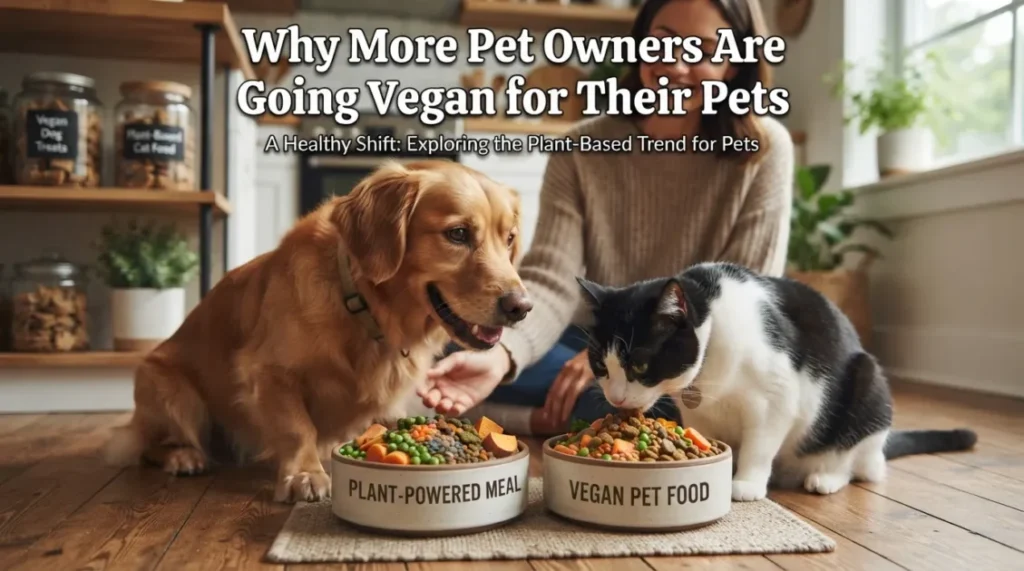

The COVID-19 pandemic reshaped lifestyles across the United States, influencing how Americans work, eat, shop, and care for their families—including their pets. As pet adoption surged and awareness around health, sustainability, and food systems intensified, a growing number of U.S. pet owners began reconsidering what goes into their pets’ bowls. One notable trend that gained momentum during and after the pandemic is the rise of vegan and plant-based pet diets.
This article explores how COVID-19 influenced pet food choices in America, why more pet owners are going vegan for their pets, the science behind plant-based pet nutrition, and what the future may hold for this evolving movement.

The Pandemic Pet Boom and Changing Priorities
During the height of COVID-19 lockdowns, millions of Americans adopted dogs and cats. According to the American Society for the Prevention of Cruelty to Animals (ASPCA), pet acquisition increased significantly in 2020 and 2021. With remote work becoming widespread, families had more time to bond with new pets and pay closer attention to their daily routines.
At the same time, the pandemic prompted widespread reflection about health and wellness. Consumers began reading ingredient labels more carefully, prioritizing immune health, and rethinking food sourcing. These conversations naturally extended to pet food.
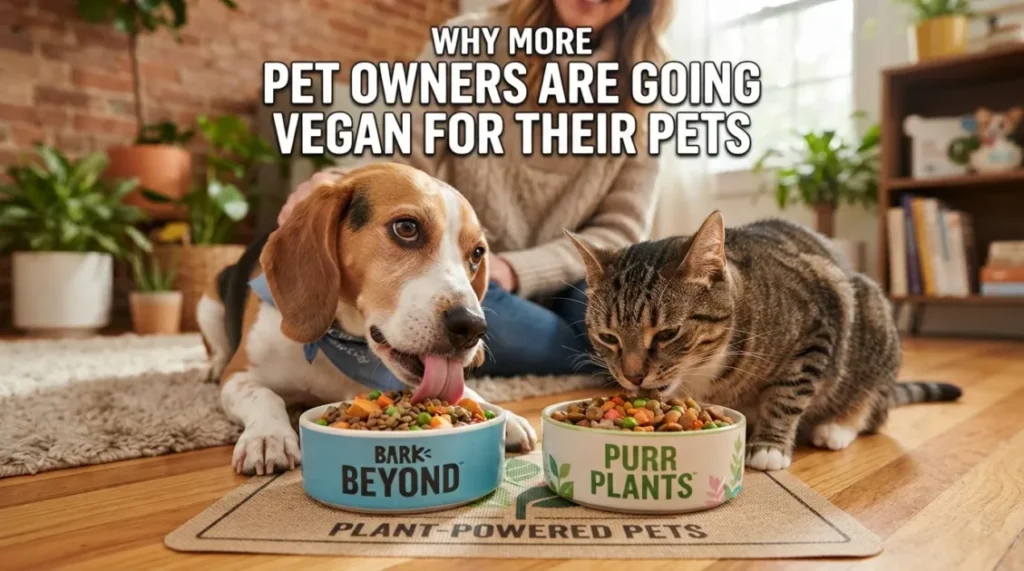
Pet Owners Are Going Vegan
COVID-19 exposed vulnerabilities in global supply chains, including meat production facilities. Temporary closures of meatpacking plants in 2020 raised concerns about food safety, worker conditions, and environmental sustainability. These events influenced not only human food choices but also pet food purchasing behavior.
Many pet foods rely heavily on animal byproducts from the meat industry. As Americans learned more about how pet food is produced, some became more critical of conventional formulas. This awareness encouraged exploration of alternative proteins and plant-based pet food options.
The increased visibility of food production systems sparked a broader ethical conversation. For some pet owners, choosing vegan pet food became part of a larger commitment to sustainability and animal welfare.

Growing Interest in Plant-Based Diets in the U.S.
Even before COVID-19, plant-based eating was gaining popularity in the United States. The pandemic accelerated this trend as consumers focused on health and environmental impact. Research from organizations like the Plant Based Foods Association indicates steady growth in plant-based product sales nationwide.
As more Americans adopted vegetarian or vegan diets themselves, many began questioning whether similar dietary philosophies could apply to their pets. This shift was particularly noticeable among younger pet owners, including Millennials and Gen Z, who tend to prioritize sustainability and ethical consumption.
For these pet parents, feeding pets a vegan diet aligns with their personal values and lifestyle choices.
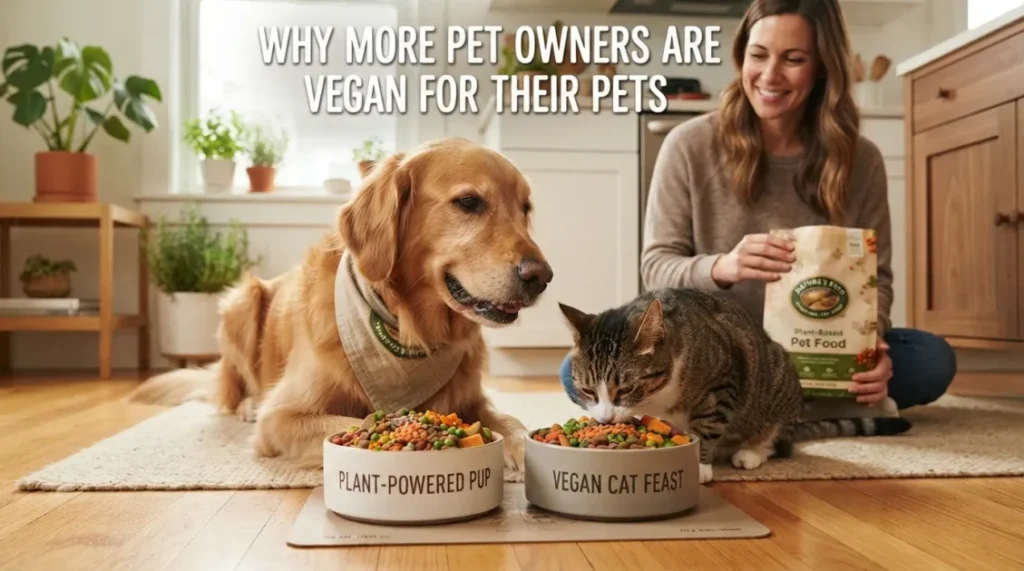
Understanding Vegan Diets for Dogs and Cats
The COVID-19 conversation around vegan pet food differs depending on the species. Dogs are omnivores, meaning they can digest both plant and animal-based foods. With careful formulation, a nutritionally complete plant-based diet can meet a dog’s dietary needs.
Cats, however, are obligate carnivores. They require specific nutrients such as taurine, arachidonic acid, and vitamin A in forms traditionally derived from animal sources. Vegan cat foods must be carefully supplemented to provide these nutrients synthetically.
The American Veterinary Medical Association (AVMA) emphasizes that any pet diet—whether traditional or vegan—must meet established nutritional standards to ensure health and safety. In the United States, pet foods are typically formulated according to guidelines set by the Association of American Feed Control Officials (AAFCO).
Responsible pet owners considering vegan diets are encouraged to consult licensed veterinarians and ensure products meet AAFCO nutrient profiles. pet therapy and emotional spport.
Health Motivations Behind Vegan Pet Diets
Some American pet owners in COVID-19 explore plant-based diets due to concerns about allergies or sensitivities. Food allergies in dogs are often linked to common animal proteins such as beef or chicken. In certain cases, alternative protein sources—whether plant-based or novel animal proteins—may help manage symptoms.
Additionally, pet obesity became a growing concern during the pandemic as both humans and animals experienced reduced activity levels. Some plant-based diets are perceived as lower in fat, though calorie balance ultimately depends on formulation and portion control.
It is important to note that scientific research on long-term vegan diets for pets is still evolving. While some studies suggest potential benefits for dogs when diets are properly balanced, veterinary professionals generally recommend individualized assessments.
Environmental and Ethical Considerations
Environmental sustainability is a major factor driving the vegan pet food trend. The environmental footprint of meat production—including greenhouse gas emissions, land use, and water consumption—has been widely discussed in recent years.
During the pandemic, increased media coverage of food production practices deepened awareness of these issues. For environmentally conscious Americans, reducing reliance on animal agriculture extends to pet food choices.
Ethical considerations also play a role. Some pet owners who avoid consuming animal products personally feel conflicted about feeding meat-based diets to their pets. Vegan pet food offers a way to align pet care with personal ethics.
The Rise of Alternative Proteins in Pet Food
Beyond strictly vegan diets, the pet food industry is exploring alternative proteins such as insect-based ingredients and lab-grown meat. These innovations aim to reduce environmental impact while maintaining nutritional adequacy.
While not always fully plant-based, these alternatives reflect a broader shift toward sustainability in American pet food manufacturing. Companies are investing in research and development to create formulas that meet both ethical expectations and nutritional standards.
The pandemic accelerated innovation in this space, as consumer demand for transparency and sustainability increased.
Addressing Common Concerns
One of the most frequent concerns about vegan pet diets is nutritional adequacy. Dogs and cats have specific amino acid, vitamin, and mineral requirements that must be met regardless of diet type.
The AVMA and other veterinary organizations stress that poorly formulated diets—whether vegan or meat-based—can lead to deficiencies. For example, taurine deficiency in cats can cause serious heart conditions if not properly supplemented.
Another concern is palatability. Some pets may resist dietary changes. Gradual transitions and veterinary guidance are often recommended to minimize digestive upset.
Ultimately, the key factor is not whether a diet is vegan or traditional, but whether it is complete, balanced, and appropriate for the individual pet.
Post-Pandemic Consumer Behavior and the Future
The increased time spent at home during COVID-19 strengthened the human-animal bond. Pets became central companions during isolation, leading many Americans to invest more deeply in their health and well-being.
This emotional connection, combined with heightened awareness of health and sustainability, continues to influence purchasing decisions. The U.S. pet food market is expected to see continued diversification, with plant-based and alternative protein options occupying a growing segment.
Younger generations, in particular, are shaping the future of pet nutrition. As values-driven consumption becomes more prominent, transparency and sustainability are likely to remain key priorities.
Balancing Values with Veterinary Guidance
While ethical and environmental motivations are valid considerations, veterinary expertise remains essential. Pet nutrition is complex, and not all animals respond the same way to dietary changes.
American pet owners exploring vegan diets should seek products that meet AAFCO standards, monitor their pets’ health regularly, and schedule routine veterinary checkups. Bloodwork and health evaluations can help ensure nutritional needs are being met. Responsible decision-making involves balancing personal values with scientific evidence and professional advice.
Conclusion
COVID-19 changed the way Americans think about health, food systems, and sustainability—and those changes extended to pet care. As adoption rates surged and emotional bonds deepened, pet owners became more invested in the quality and ethics of pet nutrition.
The growing interest in vegan pet diets reflects broader societal shifts toward plant-based living and environmental responsibility. While dogs may adapt to carefully formulated vegan diets, cats require especially precise supplementation due to their biological needs.
Organizations such as the ASPCA, the American Veterinary Medical Association, and the Association of American Feed Control Officials continue to emphasize the importance of balanced nutrition and informed decision-making.
As the COVID-19 U.S. pet food industry evolves, one thing remains clear: pet owners are more engaged, informed, and values-driven than ever before. Whether choosing traditional, plant-based, or alternative protein diets, the priority remains the same—ensuring pets live healthy, happy lives in the post-pandemic world.