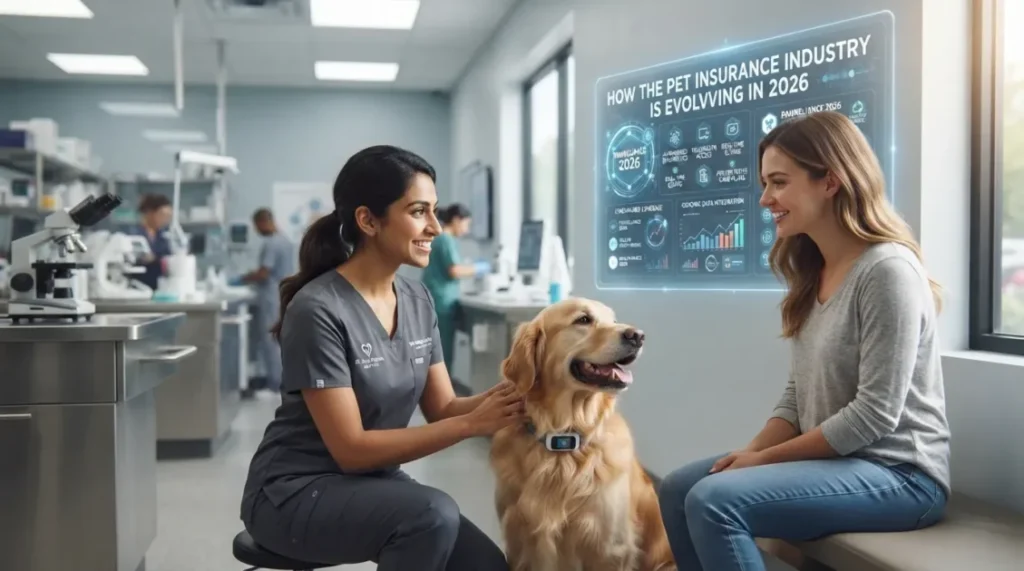
The pet insurance industry in the United States is undergoing a period of rapid change and transformation in 2025. Over the past decade, the market has grown from a niche option into a mainstream financial safeguard for millions of pet owners. With rising veterinary costs, increased awareness of preventive care, and innovative digital technologies, pet insurance is no longer a fringe benefit — it’s becoming essential. In this expansive article, we explore how How the Pet Insurance Industry is Evolving 2026, what trends are shaping its future, how consumer expectations are evolving, and why 2025 represents a pivotal year of growth and innovation.
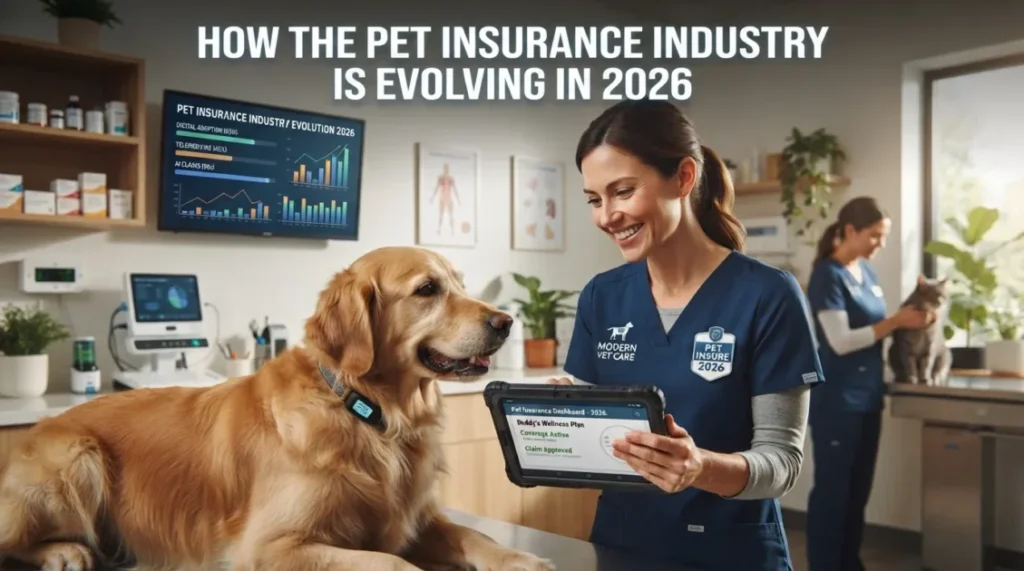
How the Pet Insurance Industry is Evolving in 2026
read the post below how Pet Insurance Industry is Evolving.
The Driving Forces Behind Pet Insurance Growth
The surge in popularity of pet insurance is driven by several key factors. First and foremost is the sharp rise in veterinary costs. Advanced treatments, specialty care, and cutting‑edge diagnostics that once were unimaginable have now become common in veterinary medicine. Procedures like MRI scans, cancer therapies, and orthopedic surgeries can cost thousands of dollars, and without insurance, these costs fall entirely on pet owners. The financial strain associated with such care has encouraged many Americans to explore insurance options to protect both their pets and their wallets.
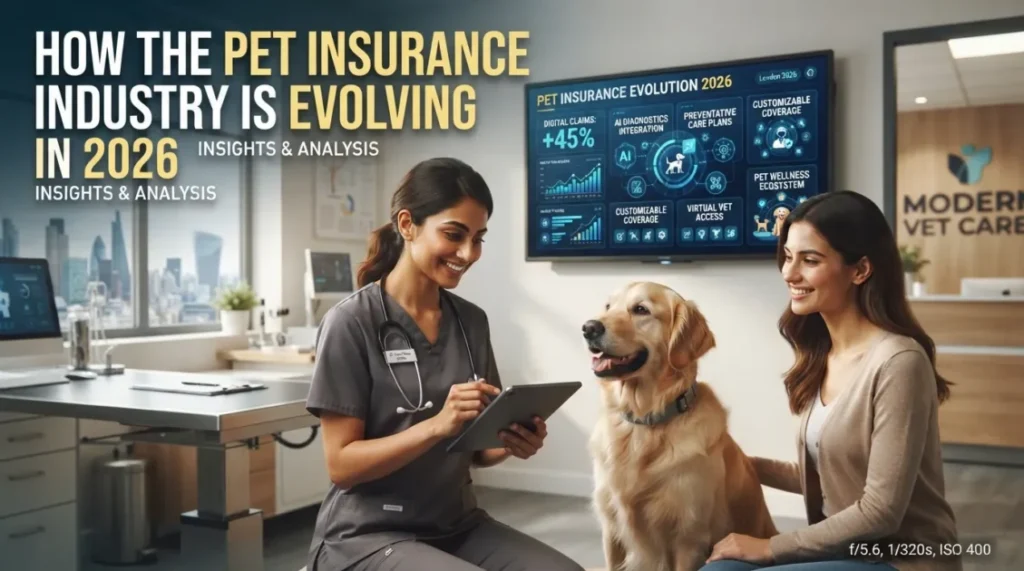
Another driving force is the demographic shift in how Americans view pets. For many, pets are no longer simply animals in the home — they’re family members. This emotional bond has fueled a willingness to invest in quality care and preventive services that extend life and improve well‑being. According to industry reports, pet ownership in the U.S. reached record levels throughout the pandemic and has remained high. With more households welcoming dogs and cats, the addressable market for pet insurance continues to expand.
The rise of digital technology has also lowered barriers to entry for new insurers and streamlined the customer experience. From online enrollment to app‑based claim submissions, today’s pet insurance products are easier to purchase and manage than ever before. This convenience aligns well with the expectations of younger pet owners who prefer digital interactions over traditional paperwork.
Innovative Plan Structures and Coverage Options
One of the most significant ways the pet insurance industry is evolving in 2026 is through the diversification of coverage options. Traditional plans generally cover accidents and illnesses, but newer offerings include wellness plans, preventive care add‑ons, and customizable benefit structures. Wellness coverage can include routine vaccinations, dental cleanings, and annual exams — a significant expansion beyond only emergency treatment reimbursement.
Insurers are also experimenting with tiered coverage levels that allow policyholders to balance cost with comprehensive protection. For example, a basic plan might cover accidents and common illnesses, while a premium tier might extend to hereditary conditions, chronic diseases, and alternative therapies like acupuncture or physiotherapy. Such customization appeals to pet owners with specific breeds or those who want more control over their annual premiums and out‑of‑pocket costs.
This trend toward personalization reflects broader shifts in the insurance industry, where one‑size‑fits‑all products are becoming less desirable. Pet parents today often seek policies that reflect their pet’s unique health risks, age, and lifestyle. As a result, pet insurance brands are leveraging sophisticated risk assessment tools to tailor quotes and coverage more accurately.
also read technology helping pet owners
Technology and Automation Shaping the Future
The integration of technology is one of the most visible trends transforming the How the Pet Insurance Industry is Evolving in 2026. Artificial intelligence (AI) and machine learning systems are being deployed to streamline claims processing, enhance underwriting accuracy, and improve customer service. Automated claim adjudication, powered by AI, dramatically reduces wait times and improves the overall customer experience. Rather than waiting weeks for reimbursement, many pet owners now receive approvals and payouts in days or even hours.
Digital platforms also empower pet parents to handle most insurance tasks from their smartphones. Enrollment, policy changes, and communication with customer support are often completed entirely within mobile apps. Some insurers have introduced telehealth partnerships, allowing pet owners to consult with veterinarians virtually — an innovation that enhances preventive care and reduces unnecessary emergency room visits.
Wearable technology for pets is also on the rise. GPS trackers, health monitors, and activity trackers provide data that insurers may integrate into future policy pricing and wellness incentives. These tools help owners monitor their pets’ behaviors and early signs of health issues, while insurers can use anonymized data to better understand risk patterns and develop products accordingly.
Affordability and Cost Transparency
Affordability remains a central concern for U.S. pet owners considering insurance. Premiums vary widely based on a pet’s age, breed, location, and coverage level. In 2026, many insurers are adopting pricing transparency as a selling point, offering clear breakdowns of what costs are covered, annual deductibles, reimbursement rates, and any caps on payouts.
Greater transparency helps owners make informed decisions and compare plans effectively, reducing confusion and frustration. This trend aligns with broader consumer expectations in financial services, where individuals increasingly demand clear, digestible information rather than dense policy jargon.
Some companies are also introducing incentives that reward pet owners for preventive care behaviors. For example, discounts or higher reimbursement percentages may be offered for regular wellness checkups, dental cleanings, or participation in nutrition and fitness programs. This approach encourages healthier lifestyles for pets and can reduce long‑term costs for both insurers and pet parents.
Regulatory Landscape and Consumer Protection
As Pet Insurance Industry is Evolving regulatory oversight is evolving as well. Regulations differ by state, and there is ongoing debate over whether federal standards should be introduced to protect consumers from deceptive practices or unclear policy terms. In 2025, many industry stakeholders are advocating for clearer guidelines around claim handling, mandatory loss ratios (the percentage of premiums used to pay claims), and disclosure requirements.
Consumer protection groups argue that enhanced oversight can increase confidence in pet insurance and reduce instances where policyholders feel misled by coverage limitations or exclusions. Meanwhile, insurers assert that overly rigid regulation could stifle innovation and raise costs. Finding the right balance will be crucial in shaping the industry’s future.
Market Competition and New Entrants for Pet Insurance Industry is Evolving
Competition is intensifying in the pet insurance market. Established insurers are expanding their offerings while startups and insurtech firms introduce disruptive solutions. These new entrants often emphasize tech‑driven experiences, low friction enrollment, and unique pricing models that appeal to digitally savvy customers.
Partnerships between pet insurers and other pet industry players — such as veterinary hospitals, pet pharmacies, and pet wellness platforms — are also on the rise. These alliances can provide bundled services, value‑added benefits, and referral incentives that boost acquisition and retention.
Major insurance carriers that traditionally focused on human health or life insurance have also entered the space, recognizing its growth potential. Their involvement brings additional capital, underwriting expertise, and brand recognition, all of which contribute to a more competitive landscape.
Consumer Behavior Shifts and Expectations
Pet owners in 2026 are more informed and more selective than ever before. With extensive online resources, reviews, and comparison tools at their fingertips, consumers research policies deeply before purchasing. They expect fast digital interactions, personalized recommendations, and ongoing support that addresses both preventive and reactive care.
Millennial and Gen Z pet owners, in particular, prioritize transparency and value. These demographics are more likely to view insurance as an investment in their pet’s well‑being rather than an optional add‑on. They also tend to favor companies with strong digital capabilities, positive social impact initiatives, and flexible financial options.
Education plays a significant role in consumer adoption of pet insurance. Many pet owners still lack a clear understanding of how coverage works, what conditions are eligible for reimbursement, or how waiting periods function. To address knowledge gaps, insurers increasingly provide educational content through blogs, videos, and webinars, helping pet parents make informed choices.
The Role of Preventive Care in Shaping Insurance Trends
Preventive care is becoming a cornerstone of pet insurance evolution in 2026. Unlike accident‑ and illness‑only plans of the past, modern offerings increasingly recognize the long‑term value of preventive health services. Preventive care — such as routine checkups, vaccinations, dental cleanings, and nutrition counseling — helps identify medical issues early, improving health outcomes while reducing higher‑cost interventions down the road.
Pet insurers are designing programs that reward preventive behaviors with cost savings or enhanced coverage. Some are partnering with veterinarians and telehealth providers to integrate wellness education directly into policyholder experiences. For many owners, especially those with young or high‑risk pets, such integrated preventive services offer peace of mind and financial predictability.
Challenges Facing the Industry
Despite strong momentum, the pet insurance industry is evolving grapples with challenges. One ongoing concern is balancing affordability with financial sustainability. Premium costs continue to rise in some regions, driven by higher veterinary prices, inflation, and more comprehensive coverage options. Insurers must manage risk carefully to avoid underwriting losses while maintaining competitive price points.
Another challenge is the complexity of claims and exclusions. Even with improved transparency, some policy terms remain confusing for consumers, leading to dissatisfaction or denial disputes. Insurers investing in clearer communication and customer service tools are better positioned to overcome these barriers.
Additionally, the industry continues to address awareness gaps among pet owners who are still unfamiliar with insurance as a concept for their animals. Outreach, education, and positive experiences contribute to long‑term adoption, but the work is ongoing.
Looking Forward: What to Expect After 2026
As the Pet Insurance Industry is Evolving, several trends will likely continue gaining momentum. Data analytics and wearable technology will play increasingly influential roles in pricing, risk assessment, and personalized preventive care. Insurance products will become more flexible, accommodating hybrid plans that combine traditional coverage with wellness, telehealth, and digital monitoring benefits.
Consumer expectations for fast digital service and transparent communication will shape product design and customer engagement strategies. Meanwhile, market competition will encourage innovation and attract new players from technology and financial sectors.
Regulation may also continue to develop, particularly as consumer advocacy groups push for uniform protections and clearer industry standards. The result could be a more trusted and accessible marketplace that supports pet owners throughout the lifespan of their animals.
Conclusion
The pet insurance industry in 2026 reflects the evolving needs and values of American pet owners. With rising veterinary costs, enhanced digital experiences, customizable coverage options, and an emphasis on preventive care, pet insurance is rapidly shedding its image as a niche product and emerging as a mainstream financial tool. Although challenges remain, the industry is innovating to deliver greater value, transparency, and convenience.
For pet parents who prioritize peace of mind and financial protection, understanding these trends is essential. As we look ahead, pet insurance will continue to adapt — driven by technology, consumer demand, and a shared commitment to animal health and well‑being.
If you’d like, I can also provide SEO meta titles, descriptions, and suggested heading tags optimized for search engines based on this article.
The pet insurance industry is evolving in the United States has experienced significant growth over the past decade, driven by rising pet ownership, increased veterinary costs, and a growing awareness of the importance of preventive healthcare. In 2026, the industry continues to evolve rapidly, offering pet owners more options, better coverage, and technology-driven solutions to ensure the health and well-being of their pets.
This article explores How the Pet Insurance Industry is Evolving in 2026, including new trends in coverage, digital adoption, regulatory shifts, and consumer behavior. It also examines the implications of these developments for pet owners, veterinarians, and insurers alike.
The Growth of Pet Insurance in the United States
Pet insurance has become increasingly popular in the United States, with millions of pet owners recognizing its value in managing veterinary expenses. According to the North American Pet Health Insurance Association (NAPHIA), the U.S. pet insurance market has grown steadily, with enrollment numbers surpassing 3 million pets in recent years.
Several factors contribute to this growth: rising veterinary costs, the increasing cost of specialized procedures, and a shift in how Americans view pets as family members. As pets are increasingly considered integral to the family unit, pet owners are more willing to invest in insurance that ensures their pets receive timely and comprehensive care.
The COVID-19 pandemic further highlighted the importance of pet healthcare, as owners sought ways to manage unexpected medical expenses while maintaining access to veterinary services.
Expanded Coverage Options
One of the most notable trends in 2025 is the expansion of coverage options. Traditionally, pet insurance focused on accidents and illnesses. Today, many providers offer policies that include preventive care, wellness programs, dental care, prescription medications, and alternative therapies.
Preventive care coverage includes annual exams, vaccinations, routine bloodwork, and spaying/neutering, helping pet owners maintain their pets’ health while potentially reducing long-term costs. Wellness plans, often bundled with insurance policies, are becoming increasingly popular for proactive pet owners.
Dental care is also gaining recognition as an essential component of pet health. Many insurers now offer coverage for professional cleanings, dental extractions, and treatment of oral diseases. These expanded options reflect a broader understanding of comprehensive pet healthcare.
Technology-Driven Solutions
Technology is playing a significant role in transforming the pet insurance industry. In 2025, insurers are leveraging digital platforms, mobile apps, and AI-driven tools to improve the customer experience.
Mobile apps allow pet owners to submit claims, track policy details, and access veterinary records in real time. AI and machine learning algorithms help insurers assess risk, detect fraudulent claims, and optimize pricing models.
Wearable devices and smart health trackers also contribute to this transformation. Data collected from these devices can be integrated into insurance platforms to monitor activity levels, detect early signs of illness, and support claims documentation.
Telemedicine integration is another emerging trend. Virtual consultations with veterinarians can now be partially reimbursed by certain insurance plans, providing convenient and cost-effective care options for pet owners.
Personalized Policies and Flexible Pricing
Modern pet insurance providers are increasingly offering personalized policies tailored to specific pets and their lifestyles. Factors such as age, breed, medical history, and activity level influence policy options and pricing.
For example, high-risk breeds may have policies emphasizing hereditary and chronic conditions, while younger pets may benefit from wellness-focused plans. Flexible pricing structures allow pet owners to adjust deductibles, reimbursement rates, and coverage limits according to their budget and preferences.
This personalization ensures that coverage aligns with the individual needs of each pet while maintaining affordability for owners for Pet Insurance Industry is Evolving.
Direct Pay and Cashless Veterinary Services
In 2025, many insurers are expanding direct-pay options, reducing out-of-pocket costs for pet owners. Direct-pay agreements between insurance companies and veterinary clinics streamline billing, allowing owners to focus on care rather than reimbursement processes.
Cashless veterinary services are becoming more common in metropolitan areas and large veterinary networks, enhancing convenience and reducing administrative stress. This trend reflects the industry’s commitment to improving the user experience and promoting timely access to care.
Increased Awareness of Chronic and Hereditary Conditions
Awareness of chronic and hereditary conditions is influencing policy offerings. Insurers are expanding coverage for conditions such as diabetes, arthritis, allergies, heart disease, and hip dysplasia, which were traditionally excluded from standard policies.
This shift reflects the growing understanding that early intervention and management of chronic illnesses can improve quality of life and reduce overall treatment costs.
Pet owners are also increasingly educated about breed-specific risks and preventive strategies, thanks to veterinary guidance, online resources, and technology-driven monitoring tools.
Regulatory and Industry Developments
The pet insurance industry in the United States is undergoing regulatory evolution. Some states are introducing new guidelines to ensure transparency, fairness, and standardized practices across insurers.
These regulations may require clearer disclosure of policy terms, more straightforward claims processing, and enhanced consumer protections. Regulatory oversight ensures that pet owners receive reliable coverage and prevents misleading marketing practices.
Industry associations such as NAPHIA continue to advocate for standards, ethical practices, and public education. Their efforts contribute to the growth of trust and credibility within the pet insurance market.
Consumer Trends and Behavior
American pet owners in 2026 are increasingly informed and value-driven when selecting insurance policies. Many research multiple providers, comparing coverage options, premiums, and customer reviews before making a decision.
Pet owners are also seeking transparency regarding exclusions, claim processes, and reimbursement rates. Insurers that offer clear communication, user-friendly digital platforms, and responsive customer support are more likely to retain loyal clients.
Younger generations, particularly Millennials and Gen Z, prioritize digital access, convenience, and ethical practices. Insurers catering to these preferences are seeing higher adoption rates and increased engagement.
The Role of Veterinary Partnerships
Strong collaboration between veterinarians and insurers is another hallmark of the evolving industry. Veterinarians provide essential input regarding preventive care, treatment plans, and emerging medical technologies.
Some insurance providers offer educational programs and resources for veterinary professionals to improve care coordination and claims efficiency. These partnerships enhance pet health outcomes while streamlining administrative processes for both clinics and owners.
Integrating veterinary insights into insurance planning allows pet owners to receive more personalized and effective care for their animals.
Challenges and Considerations
Despite its growth, the pet insurance industry faces several challenges:
- Affordability: Premiums can be costly for pets with chronic conditions or older animals, limiting access for some households.
- Complex Policy Terms: Understanding exclusions, waiting periods, and reimbursement percentages can be confusing for new policyholders.
- Market Competition: With numerous providers entering the market, consumers must navigate options carefully to select the best policy.
- Public Awareness: While awareness is growing, many U.S. pet owners still lack knowledge of insurance benefits and coverage options.
Addressing these challenges requires continued education, regulatory support, and user-friendly digital tools that enhance transparency and accessibility.
The Future of Pet Insurance in 2026 and Beyond
Looking ahead, the pet insurance industry is expected to continue expanding in the United States. Trends such as personalized policies, technology integration, preventive care focus, and expanded coverage for chronic conditions will drive growth.
Innovations in AI, wearables, and telemedicine will further enhance the way owners manage their pets’ health. Policies will likely become more adaptable, with flexible pricing and coverage options tailored to individual needs.
The industry is also likely to see increased collaboration with veterinary networks, promoting seamless access to care and better health outcomes for pets. As consumers demand transparency, convenience, and comprehensive coverage, insurers that prioritize these areas will dominate the market.
Conclusion
The pet insurance industry in the United States is evolving rapidly in 2026, providing pet owners with more options, greater transparency, and technology-driven solutions. From expanded coverage for preventive and chronic care to mobile apps, telemedicine, and wearable devices, insurance providers are enhancing the ability of owners to monitor and protect their pets’ health.
Organizations like NAPHIA and the American Veterinary Medical Association (AVMA) play a critical role in shaping standards, promoting best practices, and educating both consumers and professionals.
For American pet owners, investing in pet insurance has become a strategic decision that not only mitigates financial risk but also ensures timely access to high-quality veterinary care. As the industry continues to innovate, 2026 promises a more connected, informed, and pet-focused insurance landscape.