
How COVID 19 Changed the Way We Care for Our Pets in the United States, from how we work and socialize to how we shop and seek medical care. One area that experienced a remarkable transformation was pet ownership and pet care. As millions of Americans stayed home during lockdowns, pets became more than companions—they became emotional anchors, stress relievers, and full-fledged family members. The way we care for dogs, cats, and other household pets has evolved significantly since 2020, and many of those changes are here to stay.
This article explores how COVID-19 changed the way Americans care for their pets, the rise in pet adoption, shifts in veterinary services, the growth of the pet industry, and long-term behavioral and lifestyle impacts that continue to shape pet care trends in the United States.
The Surge in Pet Adoption Across the United States
When lockdowns began in early 2020, Americans faced isolation, uncertainty, and unprecedented stress. In response, many turned to pet adoption for companionship. Animal shelters and rescue organizations across the country reported record adoption rates. According to data from the American Society for the Prevention of Cruelty to Animals (ASPCA), millions of households acquired new pets during the height of the pandemic.
Dogs and cats were adopted at particularly high rates, with some shelters reporting that they were nearly empty for the first time in years. Remote work created a unique opportunity for first-time pet owners. People who previously avoided pet ownership due to long office hours suddenly found themselves at home full-time. This shift allowed new owners to dedicate time to training, bonding, and establishing routines. Read about papulor pet food.
However, the adoption surge also introduced new responsibilities. First-time pet owners had to quickly learn about nutrition, vaccination schedules, grooming needs, and behavioral training. Online searches for “how to train a puppy,” “best dog food brands,” and “cat behavior problems” increased significantly during 2020 and 2021, reflecting a nationwide learning curve in pet care.
How COVID 19 Changed the Way We Care for Our Pets
Pets as Emotional Support During a Crisis
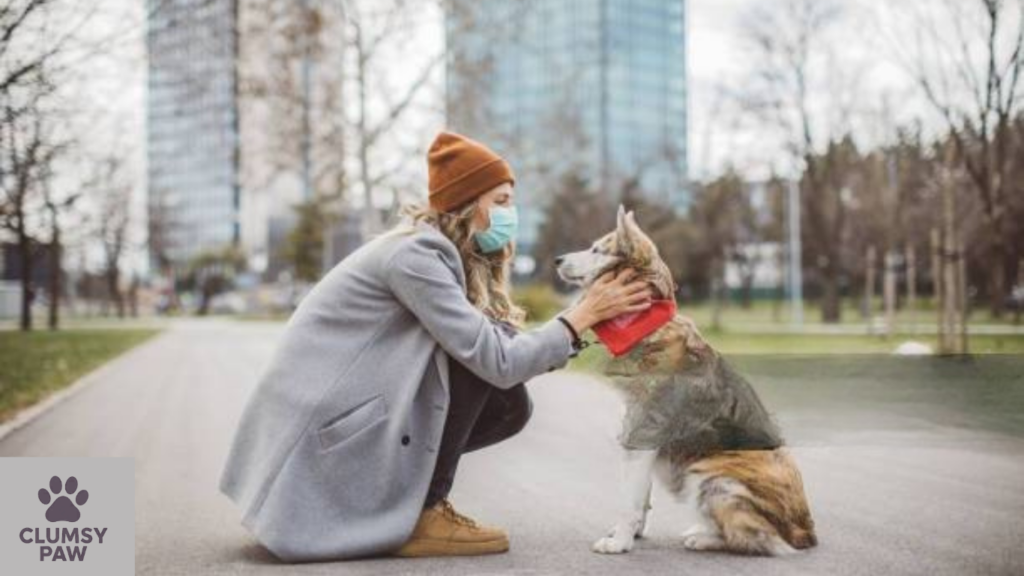
Dogs encouraged daily walks, which provided physical activity and safe outdoor time during lockdowns. Cats and smaller pets offered calming presence inside homes. Many families reported stronger emotional bonds with their pets because they were spending significantly more time together.
The emotional importance of pets during COVID-19 permanently elevated their status within households. In many American homes, pets transitioned from “animals we own” to “family members we prioritize.” This shift influenced spending habits, healthcare decisions, and lifestyle choices long after lockdowns ended.
The Rise of Telehealth and Virtual Veterinary Services
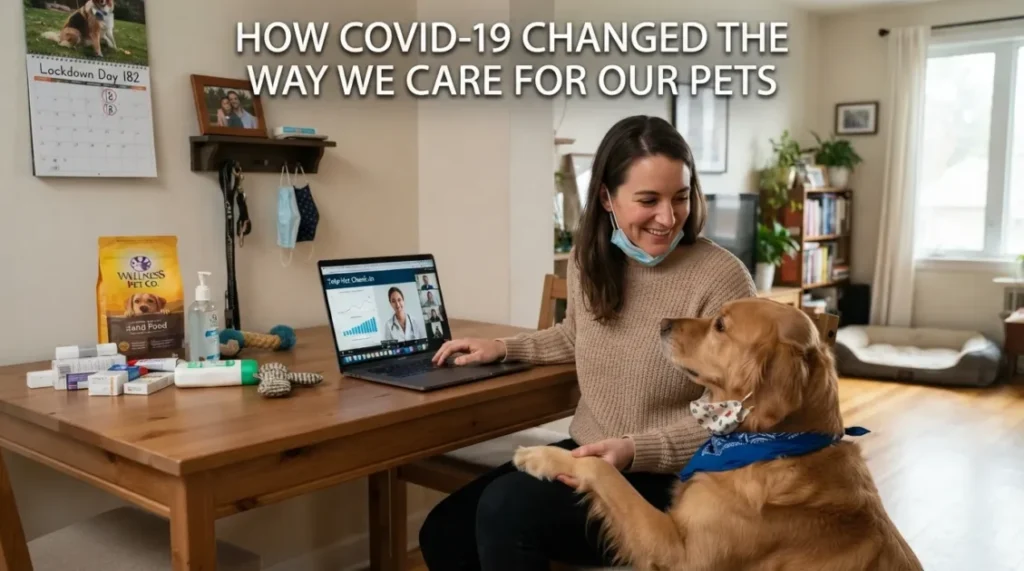
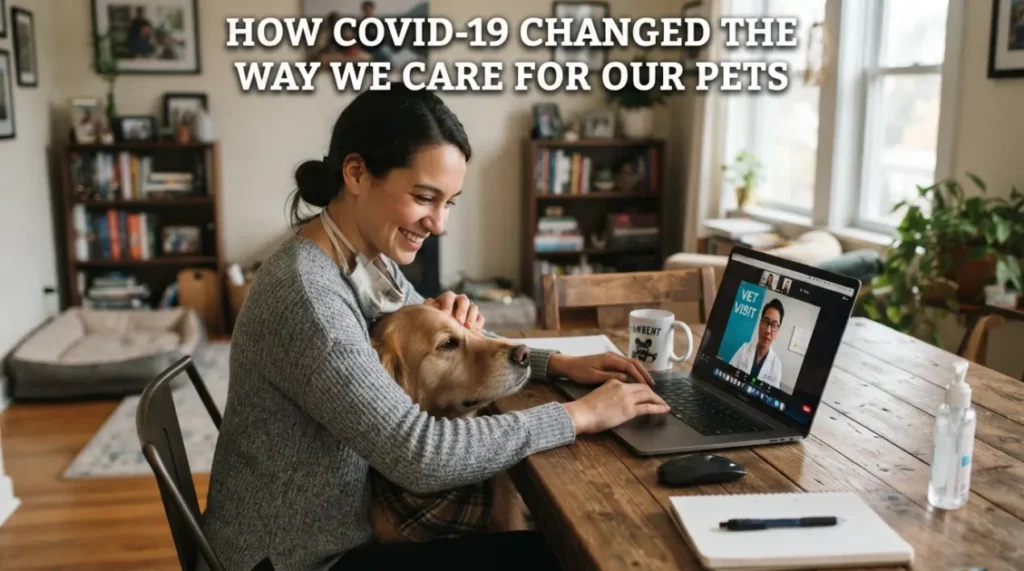
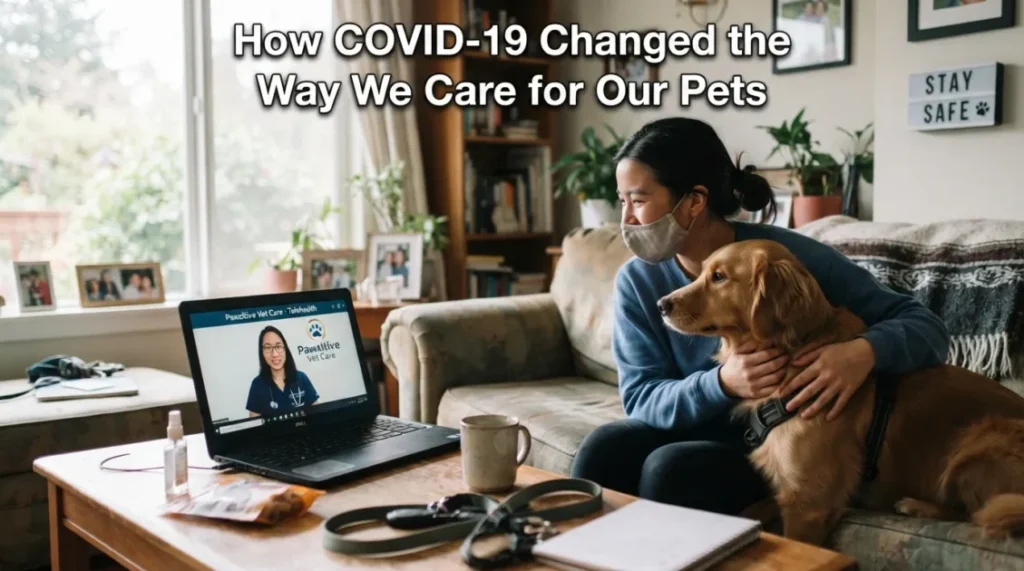
One of the most significant transformations in pet care was the rapid adoption of telehealth for veterinary services. During the height of the pandemic, many veterinary clinics limited in-person visits to emergencies. Routine checkups were postponed, and curbside appointments became the norm.
Pet owners turned to virtual consultations for guidance on minor health concerns. Tele-veterinary platforms expanded rapidly, allowing licensed veterinarians to assess symptoms, provide advice, and recommend treatments through video calls. While telehealth cannot replace physical exams for serious conditions, it proved valuable for follow-up appointments and general consultations.
Changes in Pet Spending and the Booming Pet Industry
The U.S. pet industry experienced substantial growth during the pandemic. With travel and entertainment expenses reduced, many households redirected discretionary income toward pet products and services. Spending increased on premium pet foods, supplements, grooming tools, and enrichment toys.
The American Pet Products Association (APPA) reported record-breaking pet industry expenditures during and after the pandemic. Pet owners sought high-quality nutrition options, including organic and grain-free foods. Subscription-based delivery services for pet food and supplies became increasingly popular.
E-commerce also saw dramatic growth. With physical stores closed or operating under restrictions, Americans turned to online retailers for pet essentials. Contactless delivery options reduced exposure risks while ensuring pets had consistent access to food and medication.
The shift toward online shopping has remained strong, with many pet owners continuing to rely on auto-ship subscriptions for convenience.
Increased Focus on Pet Health and Hygiene
COVID-19 heightened awareness of hygiene and disease transmission, including concerns—though largely unfounded—about pets spreading the virus. While research showed that transmission risk from pets to humans was extremely low, pet owners became more cautious about sanitation practices.
Handwashing after handling pets became more common. Grooming routines improved, and owners paid closer attention to vaccinations and parasite prevention. Preventive healthcare gained new importance, as pet owners sought to minimize any additional stress or emergency situations during an already challenging time.
Veterinary clinics also adopted stricter cleaning protocols, appointment spacing, and curbside drop-offs to maintain safety. These enhanced hygiene standards have largely continued, raising overall healthcare quality within veterinary practices.
The Impact of Remote Work on Pet Routines
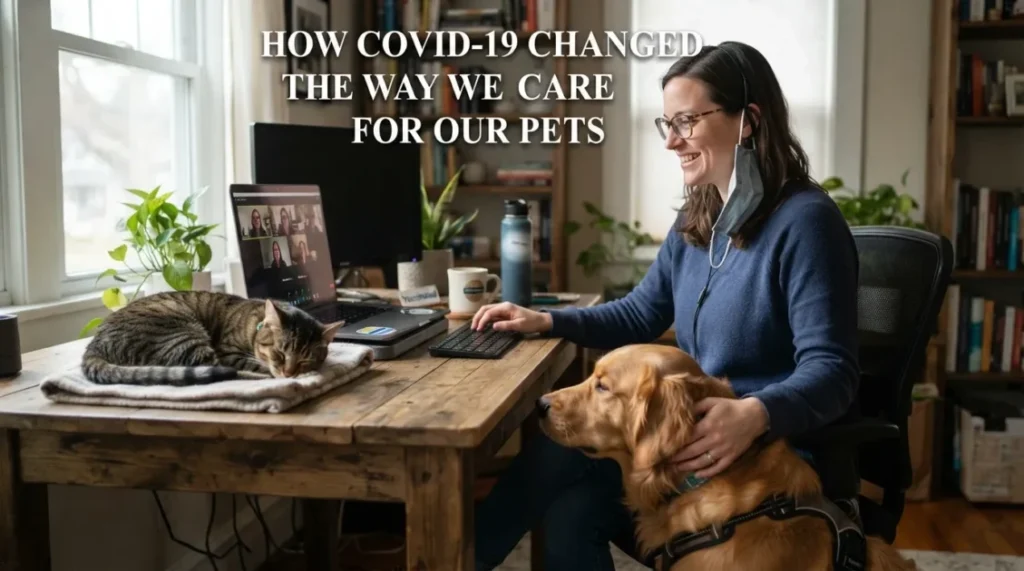
Remote work significantly changed pets’ daily routines. Dogs that once spent hours alone suddenly had constant companionship. Cats became accustomed to full-day interaction. This shift created both positive and unintended consequences.
On the positive side, increased bonding time strengthened training and socialization. Puppies adopted during lockdown received consistent supervision, leading to improved house-training success in many cases. Pets generally experienced reduced separation time, which improved their emotional well-being during that period.
However, as offices reopened and hybrid work models emerged, separation anxiety became a widespread concern. Dogs accustomed to constant human presence struggled when owners returned to workplaces. Trainers across the United States reported a rise in behavioral issues, including destructive chewing, excessive barking, and anxiety-driven behaviors.
Pet owners had to gradually reintroduce alone time, invest in enrichment toys, and sometimes seek professional behavioral training to help pets adjust to post-pandemic routines.
Growth in Pet Insurance Enrollment
Another noticeable trend was the increased interest in pet insurance. The uncertainty of the pandemic encouraged Americans to prepare for unexpected expenses. Veterinary care can be costly, especially for emergency treatments or chronic illnesses.
Many first-time pet owners explored insurance options to protect against high medical bills. As pets became central family members, financial planning for their healthcare followed naturally. The pet insurance market in the United States expanded significantly during and after the pandemic.
This shift reflects a broader mindset change: pets are long-term commitments, and proactive healthcare planning is part of responsible ownership.
Socialization Challenges for “Pandemic Puppies”
Pets adopted during lockdown often had limited exposure to other animals and people. Social distancing measures reduced opportunities for dog park visits, puppy classes, and public interactions. As a result, some “pandemic puppies” faced socialization challenges once restrictions lifted.
Professional trainers emphasized the importance of gradual exposure to new environments, sounds, and social situations. Early socialization is crucial for long-term behavioral stability, and the unusual conditions of 2020 disrupted that process for many young pets.
Fortunately, awareness campaigns and increased access to training resources have helped owners address these gaps. Online training videos, virtual group classes, and professional guidance became more accessible than ever before.
Increased Awareness of Zoonotic Diseases
COVID-19 also heightened awareness of zoonotic diseases—illnesses that can pass between animals and humans. Although pets were not major contributors to COVID-19 transmission, public discussion around animal-related diseases increased.
This awareness encouraged better preventive practices, including regular veterinary checkups, vaccination adherence, and parasite control. Pet owners became more informed about the importance of responsible pet hygiene and safe interaction with wildlife.
Educational resources from public health authorities helped clarify misconceptions and reduce unnecessary fear regarding pets and disease transmission.
Long-Term Cultural Shifts in Pet Ownership
Perhaps the most lasting impact of COVID-19 on pet care in the United States is the cultural shift in how pets are perceived. The pandemic reinforced the emotional and psychological value of animals in daily life. Pets are now more commonly included in travel planning, home design considerations, and financial decisions.
Homebuyers increasingly prioritize pet-friendly housing features such as fenced yards and nearby walking trails. Employers offering pet-friendly office policies have gained attention. Restaurants and public spaces have expanded pet-friendly accommodations in many cities.
The human-animal bond strengthened during a global crisis, and that bond continues to influence lifestyle choices across American society.
The Future of Pet Care in Post-Pandemic America
As the United States continues to adapt to post-pandemic realities, many COVID-era pet care practices remain embedded in daily life. Tele-veterinary services provide convenience. Subscription deliveries simplify pet supply management. Greater emphasis on preventive care reduces long-term health risks.
In the years ahead, pet ownership will likely continue evolving, influenced by remote work trends, digital healthcare, and a stronger focus on mental well-being. What remains constant is the profound connection between Americans and their pets—a bond that proved especially powerful during one of the most challenging periods in modern history.
Final Thoughts
COVID-19 changed the way Americans care for their pets by strengthening emotional bonds, accelerating digital healthcare, increasing industry spending, and elevating pets to central family roles. While the crisis brought challenges, it also highlighted the resilience and comfort pets provide. As a result, pet care in the United States is now more intentional, informed, and deeply integrated into everyday life than ever before.