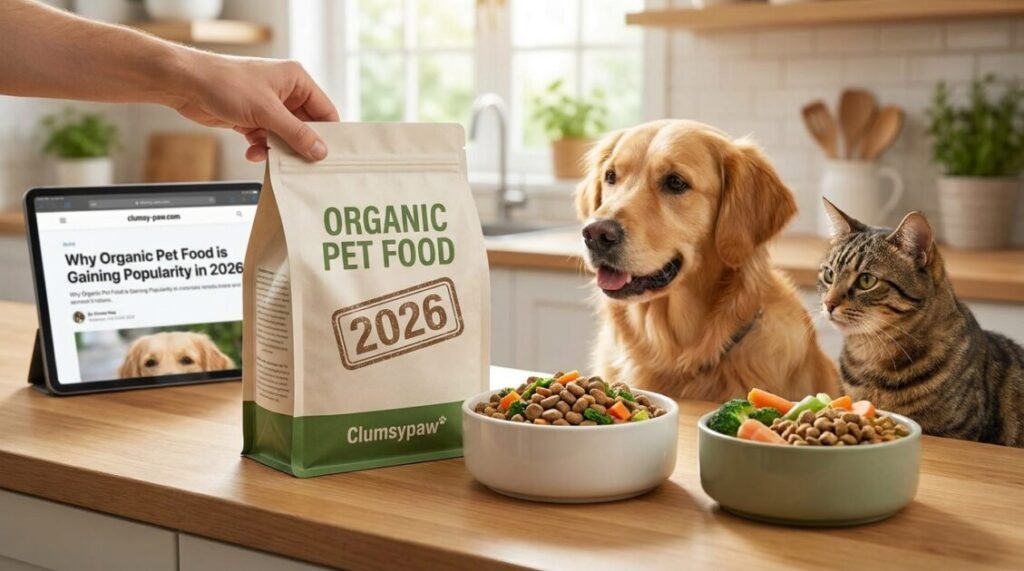

As pet owners, we want the best for our furry friends, and one of the most important aspects of their well-being is their diet. Just like humans, pets need a balanced and nutritious diet to stay healthy and thrive. In recent years, organic pet food has become a significant trend in the pet care industry, and this trend is expected to continue growing in 2026. More pet owners are choosing organic food for their pets as they become more conscious about the ingredients, sourcing, and quality of the food their pets consume.
In this blog post, we will explore why organic pet food is gaining popularity, what makes it different from conventional pet food, and how it can benefit your pet’s health. Whether you’re considering switching your pet to an organic diet or are curious about the benefits of organic pet food, this post will provide valuable insights into the reasons behind this growing trend.
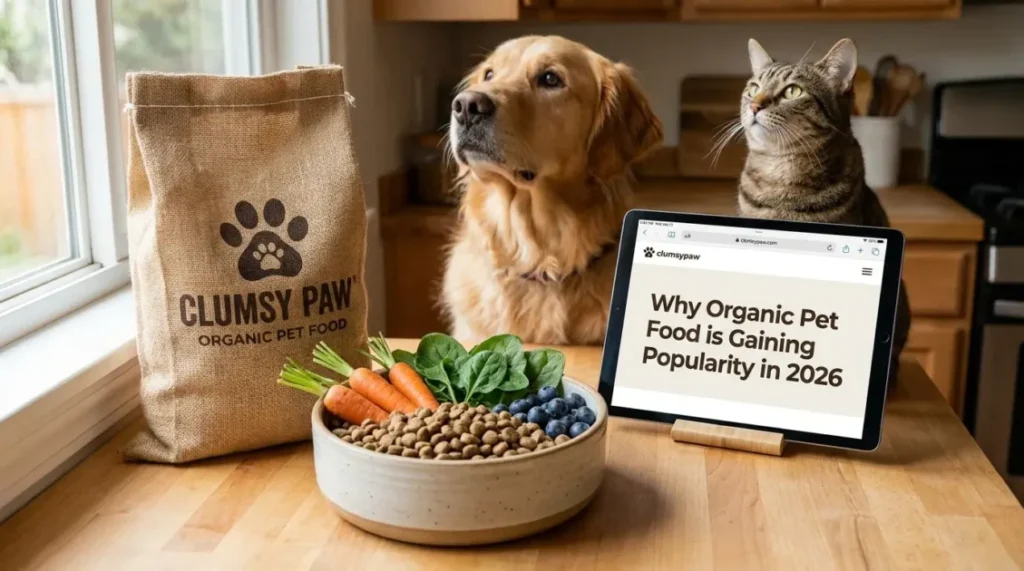
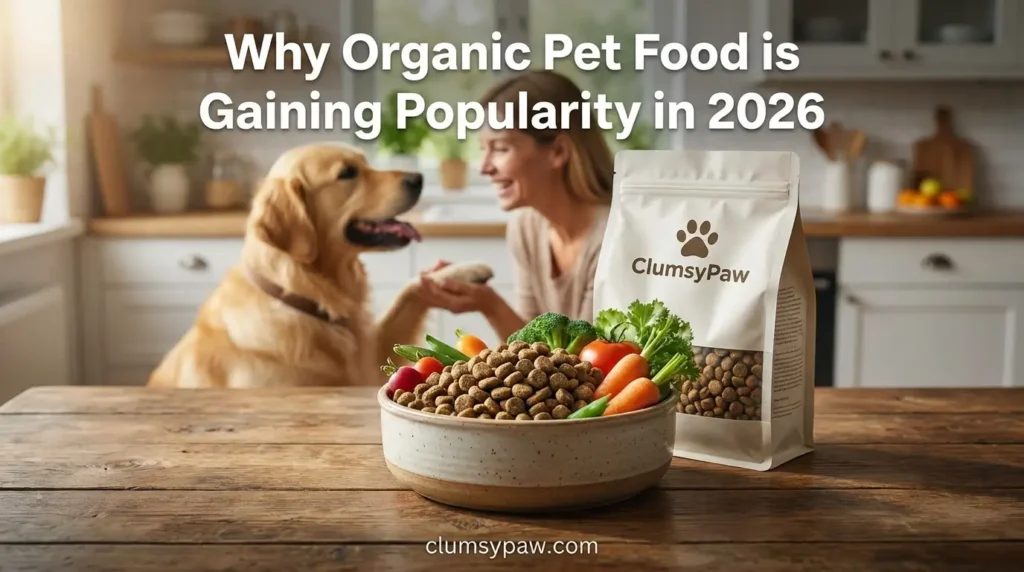
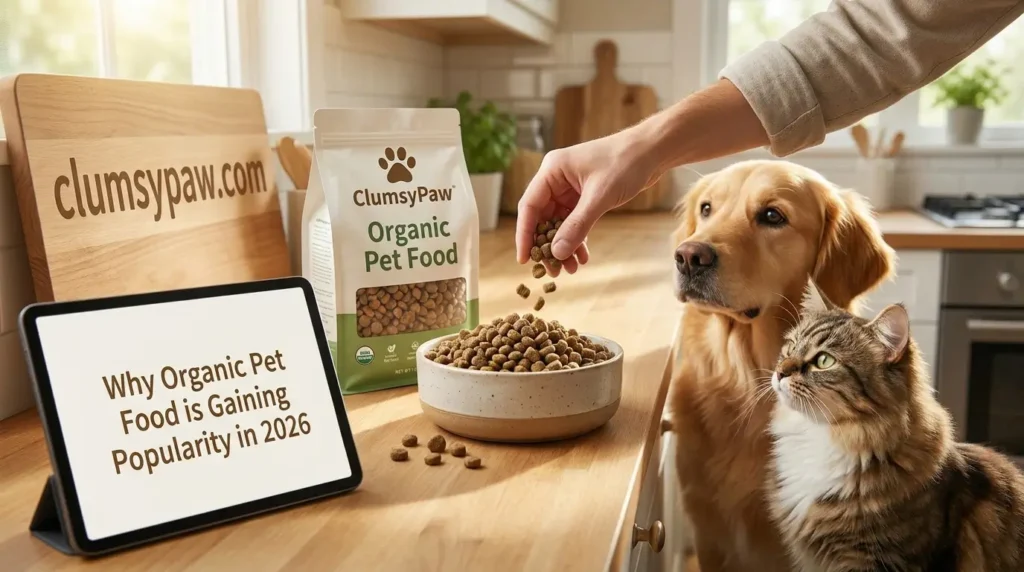
Why Organic Pet Food is Gaining Popularity in 2026
Read the blog below why organic pet food is gaining popularity in 2026.
1. The Growing Health Consciousness of Pet Owners
In recent years, there has been a significant shift in how pet owners view their pets’ health and nutrition. People are becoming more aware of the impact of diet on overall health, and as a result, many are opting for organic foods for both themselves and their pets.
A. A Shift Toward Natural, Whole Foods
The growing awareness of the importance of natural, whole foods for human health is driving a similar shift in the pet food industry. Pet owners are increasingly looking for pet food options that are free from artificial additives, preservatives, and fillers. Organic pet food, which is made from high-quality, natural ingredients, offers a healthier alternative to conventional pet food.
- Whole Ingredients: Organic pet food often contains whole grains, vegetables, and meats, which provide essential nutrients in their most natural form.
- No Artificial Additives: Organic food is free from artificial colors, flavors, and preservatives, which are commonly found in conventional pet food.
B. Concerns About Synthetic Chemicals
With the rise of awareness about the harmful effects of synthetic chemicals in food, many pet owners are choosing organic food to minimize their pets’ exposure to these substances. Pesticides, herbicides, and antibiotics found in non-organic pet food can have long-term health consequences for pets. Organic food, on the other hand, is grown without the use of synthetic chemicals, offering a safer option for pets.
2. Health Benefits of Organic Pet Food
The health benefits of organic pet food are one of the primary reasons for its increasing popularity. Many pet owners are realizing that feeding their pets organic food can lead to better overall health, fewer allergies, and a longer lifespan.
A. Better Digestive Health
Organic pet food is often easier for pets to digest due to its high-quality ingredients. Many conventional pet foods contain fillers like corn, soy, and wheat, which can be difficult for pets to digest and may contribute to gastrointestinal issues. Organic pet food, which focuses on whole ingredients, is typically gentler on the digestive system and can help reduce issues like bloating, diarrhea, and vomiting.
- High-Quality Ingredients: Organic pet food is made from carefully selected ingredients, which means that your pet is receiving more bioavailable nutrients.
- Gut Health: Foods made with natural, organic ingredients are less likely to upset your pet’s stomach, leading to better digestion and fewer health problems.
B. Reduced Risk of Food Allergies
Food allergies and sensitivities are common in pets, especially in dogs. Ingredients like grains, dairy, and artificial additives can cause allergic reactions, leading to itching, ear infections, and gastrointestinal issues. Organic pet food is typically free from common allergens and is often formulated with more easily digestible, hypoallergenic ingredients.
- Limited Ingredients: Many organic pet food brands use a limited number of ingredients, making it easier to identify and avoid allergens.
- Healthier Skin and Coat: With fewer chemicals and additives, pets on organic diets often experience healthier skin and a shinier, softer coat.
also check importance of pet emntal health.
C. Longer Lifespan and Better Overall Health
Organic pet food is believed to promote a longer, healthier life for pets. The natural, high-quality ingredients found in organic food can boost the immune system, improve energy levels, and help prevent chronic conditions such as obesity, arthritis, and heart disease.
- Stronger Immune System: Organic pet food is rich in antioxidants and vitamins that support your pet’s immune system, helping them fight off illnesses.
- Healthy Weight: The balanced, nutrient-rich nature of organic pet food can also help pets maintain a healthy weight, preventing obesity and associated health issues.
3. Environmental Benefits of Organic Pet Food
One of the most significant reasons organic pet food is gaining popularity in 2026 is its positive environmental impact. More pet owners are becoming aware of the importance of sustainability in food production and are choosing organic options that align with their eco-conscious values.
A. Sustainability in Food Production
Organic farming practices are inherently more sustainable than conventional farming. Organic crops are grown without synthetic pesticides or fertilizers, which reduces the overall environmental impact. By choosing organic pet food, pet owners can support farming practices that are better for the planet.
- Soil Health: Organic farming focuses on soil health, ensuring that the land remains fertile and productive without the harmful effects of chemicals.
- Biodiversity: Organic farms tend to have greater biodiversity, with healthier ecosystems that benefit both wildlife and farm animals.
B. Reducing Carbon Footprint
The production and transportation of non-organic pet food often contribute to higher carbon emissions due to the use of synthetic chemicals, factory farming, and long-distance shipping. Organic farming, on the other hand, is generally more energy-efficient and requires less transportation, helping to reduce the carbon footprint associated with pet food production.
- Locally Sourced Ingredients: Many organic pet food brands source their ingredients locally, which reduces the carbon footprint caused by long-distance transportation.
4. Increased Demand for Sustainable Packaging
As sustainability becomes a priority in all aspects of life, the pet food industry is responding by offering packaging that is more eco-friendly. The demand for organic pet food is directly linked to a growing desire for sustainable packaging.
A. Biodegradable and Recyclable Packaging
Many organic pet food brands are opting for biodegradable or recyclable packaging materials, reducing the amount of waste that ends up in landfills. This is an important step in reducing the environmental impact of the pet care industry.
- Compostable Bags: Some organic pet food brands have switched to compostable bags that break down naturally, reducing plastic waste.
- Recyclable Materials: Brands are also investing in recyclable materials for their food packaging, encouraging pet owners to recycle and reduce waste.
B. Less Plastic Use
Plastic packaging is a significant environmental issue, and the pet food industry is beginning to reduce its reliance on plastic by switching to more sustainable alternatives. Organic pet food brands are leading the charge in using materials that are better for the planet.
- Eco-Friendly Manufacturing: Companies are adopting eco-friendly manufacturing processes, including reducing plastic production and increasing the use of renewable resources.
5. Transparency and Ethical Practices in Pet Food Production
Consumers today are more interested in the ethics behind the products they purchase, and pet food is no exception. Pet owners are increasingly seeking pet food brands that prioritize transparency, ethical sourcing, and responsible production practices.
A. Ethical Sourcing of Ingredients
Many organic pet food brands are committed to ethical sourcing, ensuring that their ingredients are sourced from suppliers who adhere to humane, environmentally conscious practices. This includes sourcing free-range meat, cage-free eggs, and sustainably grown vegetables.
- Animal Welfare: Organic pet food brands often prioritize animal welfare, ensuring that the animals used in food production are treated humanely and ethically.
- Fair Trade Practices: Some brands ensure that their ingredients are sourced from fair trade-certified farms that support ethical labor practices.
B. Full Transparency in Ingredients and Sourcing
Organic pet food brands are more transparent about where their ingredients come from and how they are produced. Pet owners can easily trace the source of their pet’s food and ensure that it meets their ethical standards.
- Clear Ingredient Lists: Organic pet food labels often have clear and detailed ingredient lists, so pet owners can see exactly what’s in their pet’s food.
- Sourcing Information: Many brands provide information about their sourcing practices, allowing pet owners to feel confident about the food they are feeding their pets.
6. Improved Pet Food Quality and Taste
Pet food brands are expected to focus even more on improving the overall quality and taste of organic pet food. As more pet owners make the switch to organic, the demand for high-quality, flavorful food will increase.
A. Better Ingredient Quality
Organic pet food is made with high-quality ingredients that are often fresher and more nutrient-dense than those found in conventional pet food. These ingredients come from organic farms that avoid synthetic chemicals and pesticides, providing your pet with the best nutrition possible.
- Higher Nutrient Density: Organic foods are often packed with more vitamins, minerals, and antioxidants, which contribute to your pet’s overall health and well-being.
- Better Taste: With fresher ingredients and higher quality meats, organic pet food tends to have a better taste, making it more appealing to picky eaters.
B. Flavor Variety
As the organic pet food market grows, brands are offering a wider variety of flavors and formulations to cater to different pets’ tastes and dietary needs. Whether your pet prefers chicken, lamb, or fish, you’ll find organic food options to suit their preferences.
7. Future Trends:
The organic pet food market is poised for significant growth in the coming years. As pet owners become more aware of the benefits of organic food and demand for sustainable products increases, the market for organic pet food will continue to expand.
A. Diversification of Organic Pet Food Products
In 2025, we can expect to see even more diversification in organic pet food offerings. New formulas will cater to a broader range of dietary needs, including:
- Grain-Free and Limited Ingredient Diets: For pets with sensitivities or allergies, grain-free and limited ingredient diets will become more widely available in organic options.
- Functional Foods: Organic pet foods with added benefits, such as joint health support, digestive enzymes, or immunity boosters, will gain popularity.
B. Wider Availability and Accessibility
As demand for organic pet food increases, it will become more accessible to pet owners around the world. We can expect to see organic pet food available at more retail locations, online stores, and even at local veterinary clinics.
Conclusion:
Organic pet food is no longer a niche market; it’s becoming the future of pet care. As more pet owners prioritize their pets’ health, well-being, and the environment, the demand for organic food will continue to grow. From improved health benefits and better taste to ethical sourcing and sustainable practices, organic pet food offers a wide range of advantages that conventional food simply cannot match.