
Introduction
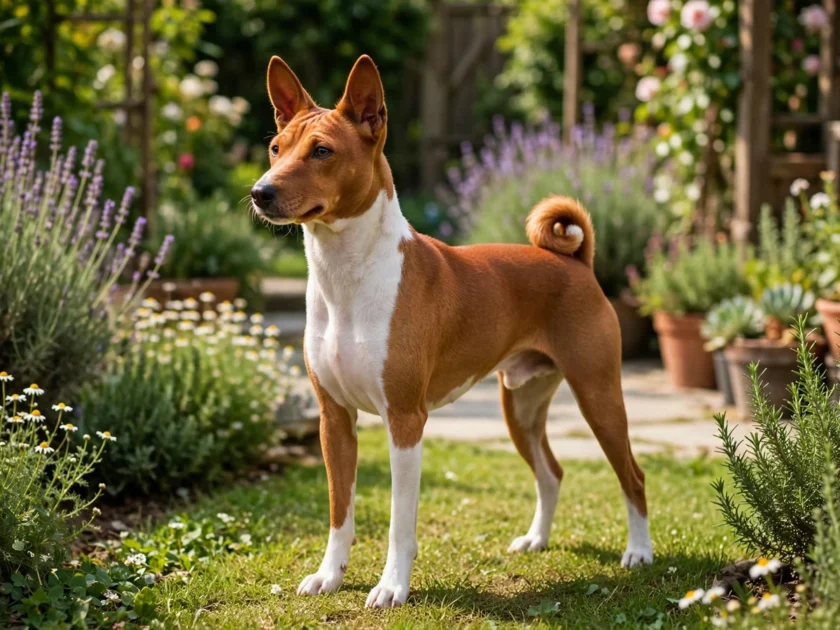
Meet the Basenji, the famous barkless dog of Africa and one of the oldest dog breeds in the world. The breed as we know it comes from the Congo region of central Africa, where it worked as a hunting companion, flushing small game into the nets of its hunters, and dogs much like it appear in ancient Egyptian tomb paintings. Basenjis did not reach Western dog shows until near the end of the nineteenth century, and the American Kennel Club recognised the breed in 1943. You can read more about its long history on the Basenji Wikipedia page. What makes the Basenji truly famous is its voice, or rather the lack of one, because this dog does not bark. Instead it makes a remarkable yodelling sound, along with chortles and whines.
Characteristics
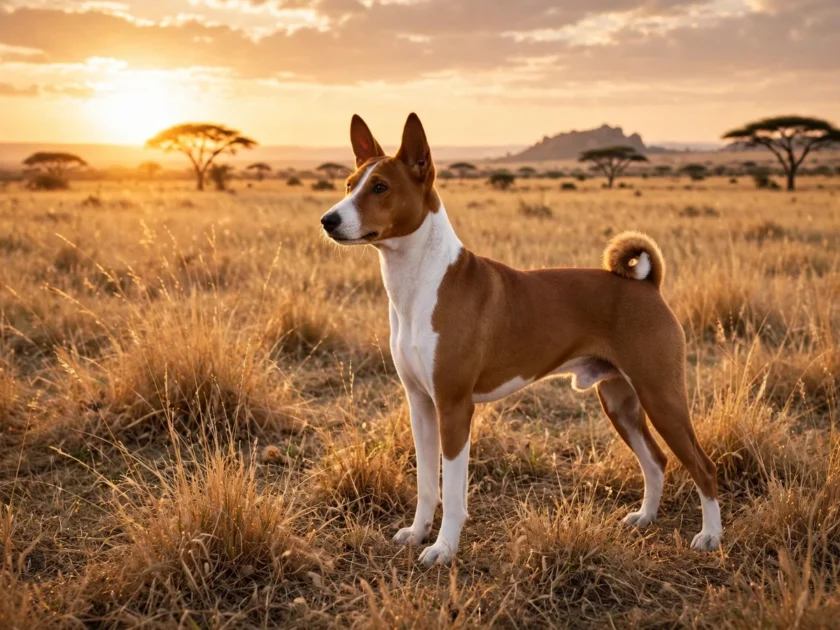
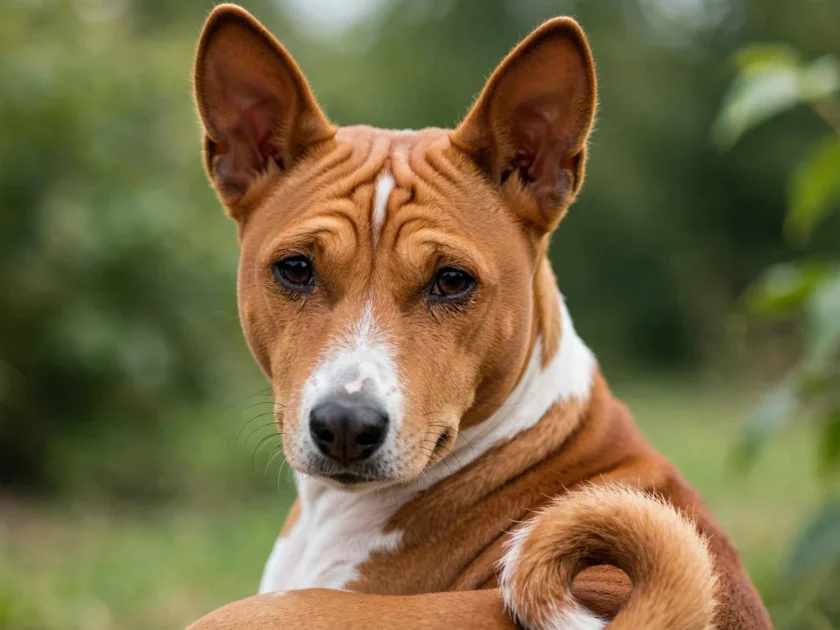
The Basenji is a small, elegant hound with a finely balanced and athletic build. Most adults stand between sixteen and seventeen inches tall at the shoulder and weigh between twenty two and twenty four pounds. Its most recognisable features are a wrinkled forehead that gives it a thoughtful expression, large erect pointed ears and a short smooth coat that lies close to the body. The tail curls tightly over the back in a neat spiral, and the coat comes in chestnut red, black, tricolour or brindle, with white markings. The Basenji is quick and graceful, and it typically lives for thirteen to fourteen years. Its temperament is intelligent, alert, curious and independent, with a quiet dignity that sets it apart from many other hound breeds. It shares some of its ancient spirit with the Akita.
Habits and Behaviour
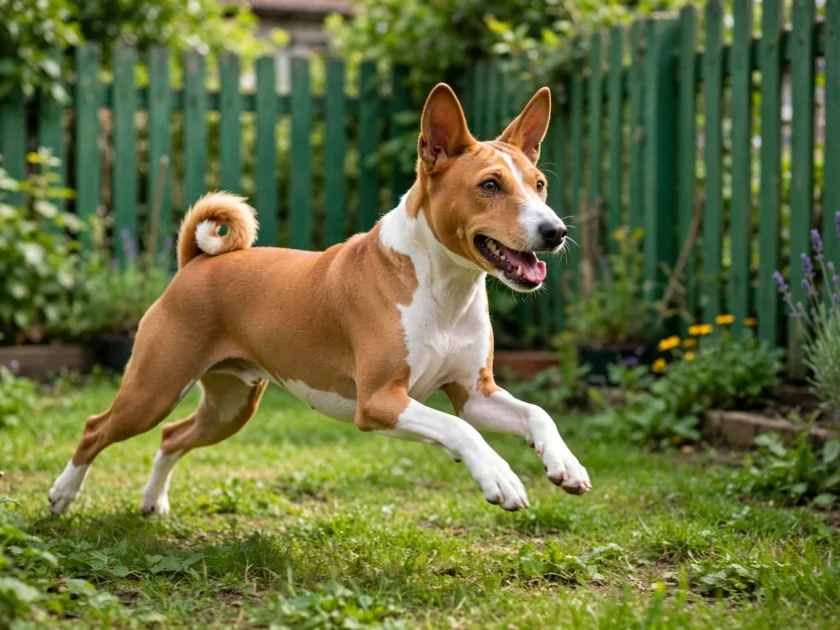
A Basenji behaves more like a cat than a dog, and anyone who brings one home should expect that independence. It is clever, curious and full of energy, and it loves to explore, climb and investigate everything in its path. Without enough exercise and mental stimulation it quickly becomes bored, and a bored Basenji is a mischievous one, capable of chewing furniture and escaping from gardens. Its hunting instinct is strong, so it must always be walked on a lead or inside a securely fenced area, because a scent can send it running. With its own family the Basenji is affectionate and playful, and it is usually good with older children who have learned to respect it, though it can be wary of strangers. Training works best with patience, humour and short positive sessions, because this breed thinks for itself and will not obey simply to please.
Common Diseases and Health Problems
The Basenji is generally a healthy and long lived breed, but it carries a few inherited conditions that every owner should know about. The most important is Fanconi syndrome, a kidney disorder in which the kidney tubules leak sugar, protein and other nutrients into the urine instead of reabsorbing them, which can lead to kidney failure if left untreated. Progressive retinal atrophy is an inherited eye condition in which the light sensitive cells at the back of the eye slowly deteriorate, gradually leading to blindness. Hypothyroidism is also seen in the breed, in which the thyroid gland produces too little hormone, causing weight gain, low energy and coat changes, though it can be controlled with daily medication. Hip dysplasia can affect the breed as well, with the hip joint not fitting neatly into its socket, causing pain and stiffness over time. Malabsorption syndrome and pyruvate kinase deficiency, an inherited blood disorder that causes anaemia, are also reported in Basenjis.
Solutions and Prevention
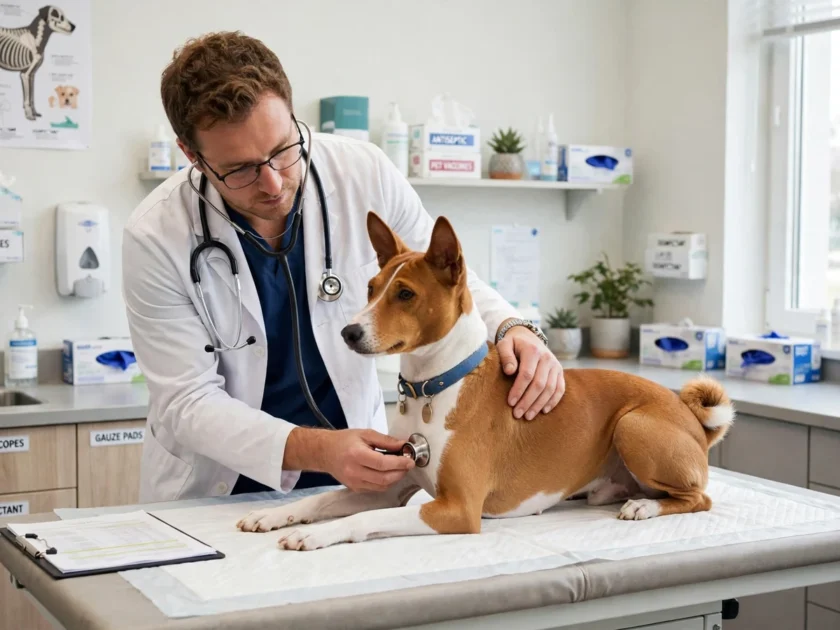
The best protection for a Basenji starts before the puppy comes home, with the choice of breeder. A responsible breeder will DNA test the parents for Fanconi syndrome and for pyruvate kinase deficiency, arrange regular eye examinations by a veterinary ophthalmologist, and check the parents for hip dysplasia. Once the puppy is home, simple habits make a real difference. Many vets recommend regular urine glucose testing for Basenjis, because sugar in the urine is an early warning sign of Fanconi syndrome, and catching it early allows careful management with diet, supplements and monitoring. Keep the dog lean with a measured high quality diet, because extra weight strains the joints. Regular check ups with blood tests can catch thyroid problems early. At home, watch for drinking and urinating far more than usual, unexplained weight loss or uncertainty in dim light, and seek a prompt vet visit if any of these appear.
Grooming and Cleaning
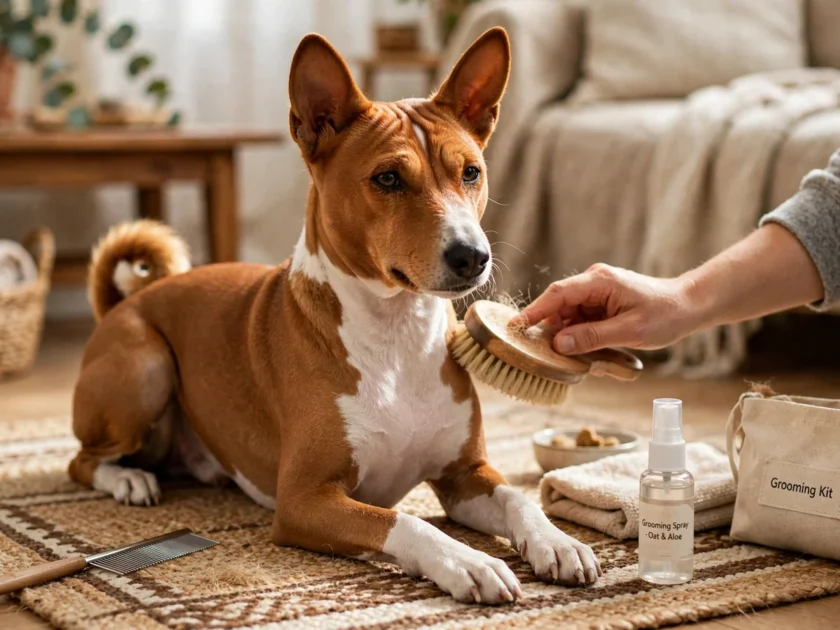
The Basenji is one of the easiest dogs in the world to groom, and it does much of the work itself. It grooms itself like a cat, licking its coat clean, and it sheds very little and carries almost no doggy odour. A quick brush once a week with a soft bristle brush or a grooming mitt is enough to remove loose hair and keep the short coat gleaming, and baths are rarely needed, which suits the Basenji well, because most of them dislike water. The ears should be checked and cleaned regularly, the nails trimmed every few weeks, and the teeth brushed often with toothpaste made for dogs. Because the coat is so short, any lumps, scratches or skin changes are easy to spot during the weekly brush, which is a useful chance to catch problems early.
Living With a Basenji: Care Tips for Owners
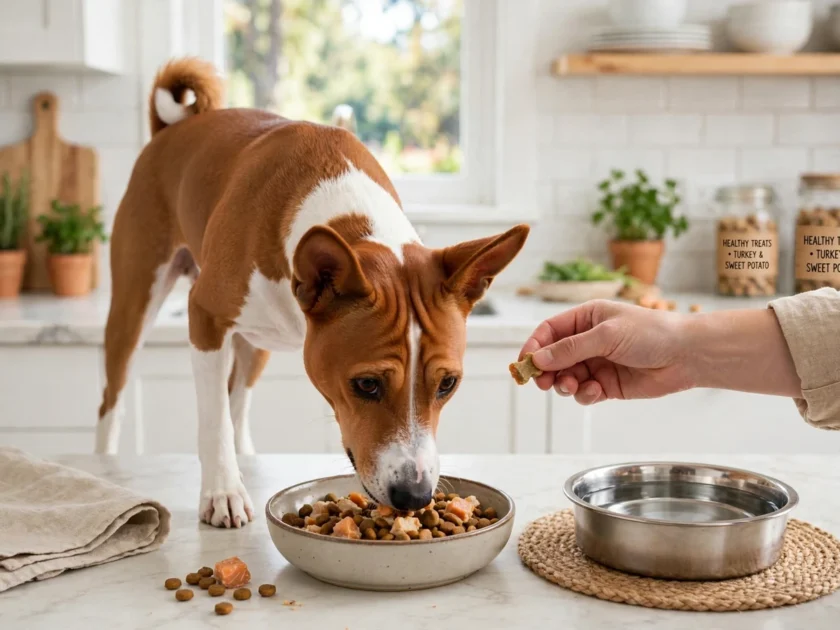
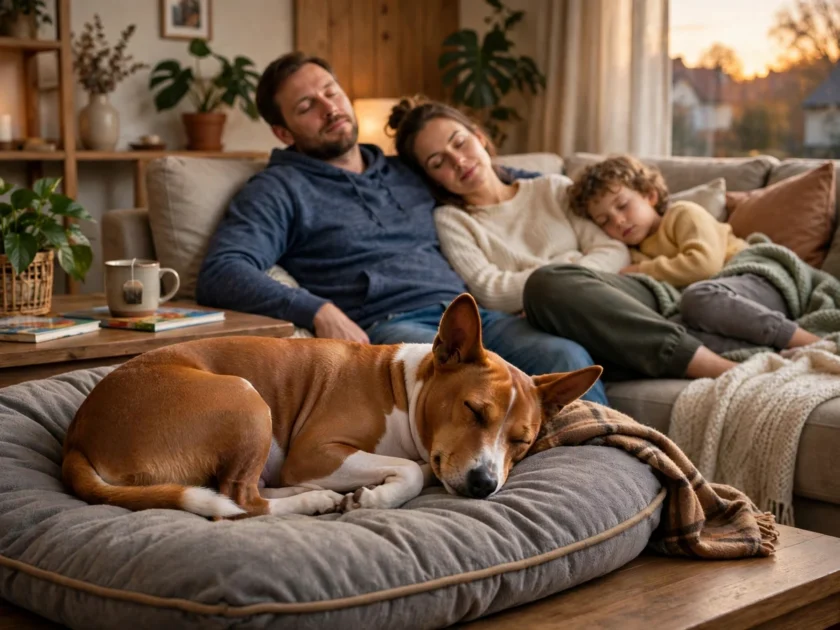
Living with a Basenji is a joyful adventure, and the dogs that do best are those treated as true members of the household. Plan for at least an hour of exercise every day, mixing brisk walks with running, play and training, and add puzzle feeders and scent games to keep that clever brain busy. A secure garden with a high fence is essential, because Basenjis are skilled climbers and escape artists, and they should never be let off the lead in an open area. Feed adults twice a day with a food suited to a small active dog, keep treats modest and measure meals so the waistline stays trim. Start training and socialisation early, using positive reinforcement in short fun lessons. Crate training helps with house training, and the breed is usually easy to house train thanks to its fastidious nature. Avoid leaving one alone for a whole working day, give it a comfortable bed near the family, and it will repay that care with loyalty and laughter for years.
FAQ
Is a Basenji really barkless?
Yes, the Basenji is known as the barkless dog because it does not produce a normal bark. Its voice box is shaped differently from other dogs, so instead of barking it makes yodelling sounds, chortles, whines and growls. It is not silent, but it will not bark at the doorbell.
Are Basenjis good family dogs?
Basenjis can be wonderful family dogs in the right home, especially with older children who understand how to treat a dog with respect. They are affectionate and playful with their own family, but they are independent, need plenty of exercise and can be wary of strangers, so they suit experienced owners better than first time dog owners.
How much exercise does a Basenji need?
A Basenji needs at least an hour of exercise every day, and ideally more when young and energetic. Brisk walks alone are rarely enough, so add running, play, training and puzzle games. A well exercised Basenji is calm and content indoors.
Do Basenjis shed a lot?
No, Basenjis shed very little, and they groom themselves like cats, so they stay clean and carry almost no doggy odour. A quick weekly brush is enough to remove loose hair. That does not mean no grooming at all, as nails, ears and teeth still need regular care.
What health problems do Basenjis have?
Basenjis are generally healthy, but they can be prone to Fanconi syndrome, progressive retinal atrophy, hypothyroidism, hip dysplasia, malabsorption syndrome and pyruvate kinase deficiency. Responsible breeders DNA test for Fanconi syndrome and screen eyes and hips, while owners can help with regular urine testing and a lean diet.