
Introduction
Meet the Basset Hound, a low-slung scent hound with ears so long they nearly brush the ground, a mournful expression that has charmed the world, and a nose that is second only to the Bloodhound. The name comes from the French word bas, meaning low, and this dog was built to follow a scent slowly and steadily while hunters walked behind on foot. Bassets descend from the old St Hubert hounds of France and Belgium, and the modern breed was refined in Britain before gaining recognition from the American Kennel Club in 1885. You can read more about its long history on the Basset Hound Wikipedia page. Behind the droopy eyes is a gentle clown of a dog, patient with children and devoted to its family.
Characteristics
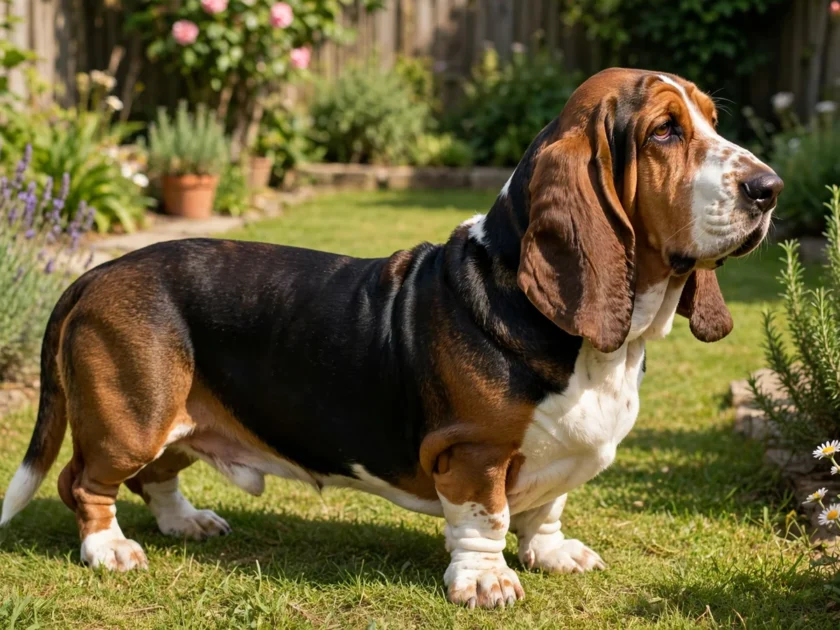
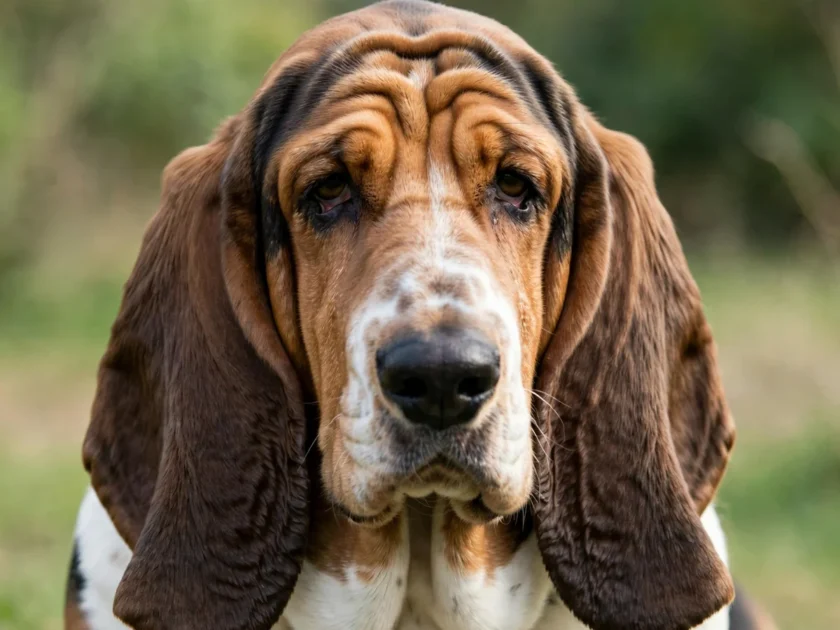
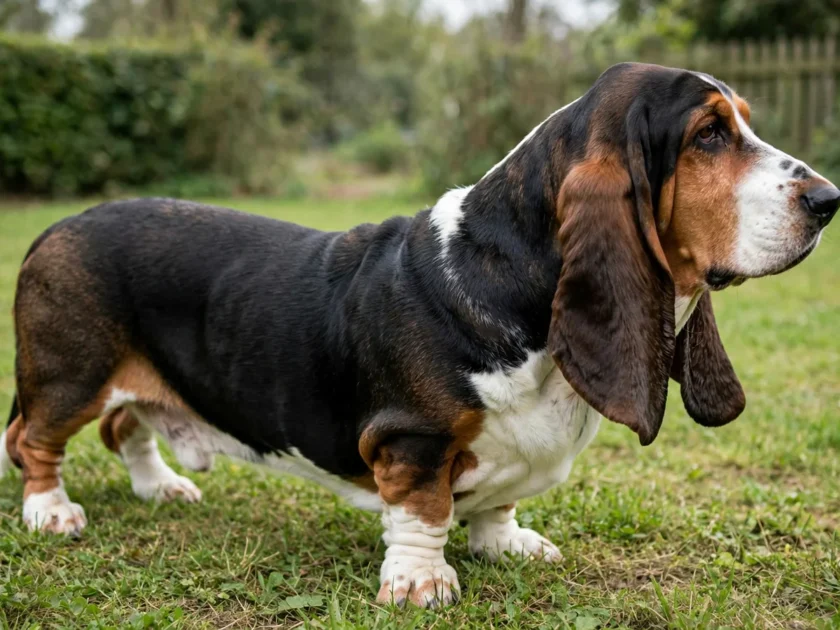
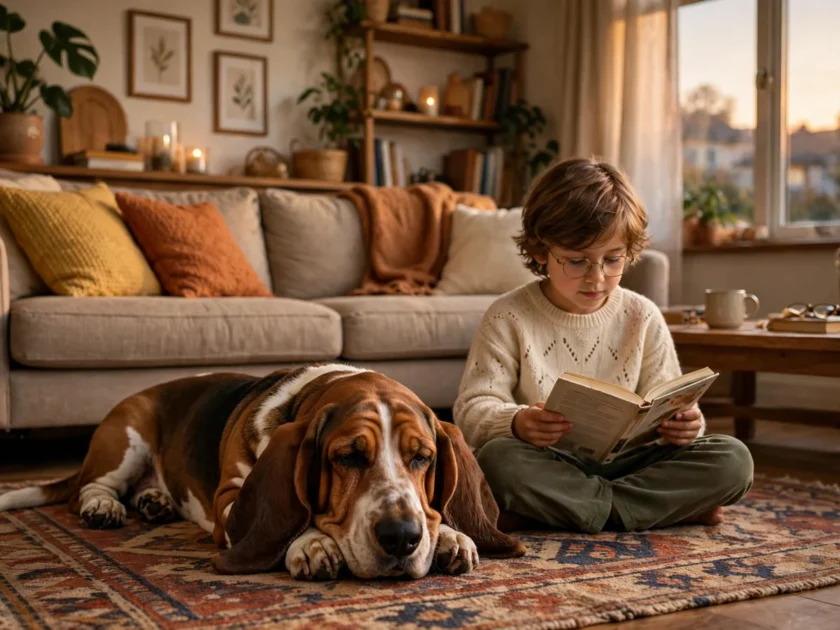
The Basset Hound is a large dog on very short legs, and that contrast is what makes the breed so instantly recognisable. Most adults stand only thirteen to fifteen inches tall at the shoulder yet weigh between forty and sixty five pounds, thanks to heavy bone, a deep chest and a long body carried on short sturdy legs. The ears are the breed’s trademark, long, soft and velvety, hanging so low that they sweep scent from the ground up toward the nose. The coat is short, dense and smooth, usually tricolour in black, white and tan, though red and white, lemon and white and mahogany and white also occur. A Basset typically lives ten to thirteen years, and its temperament is calm, friendly and stubborn in equal measure. It shares some of its gentle hound nature with the Beagle, though the Basset moves at a far slower pace.
Habits and Behaviour
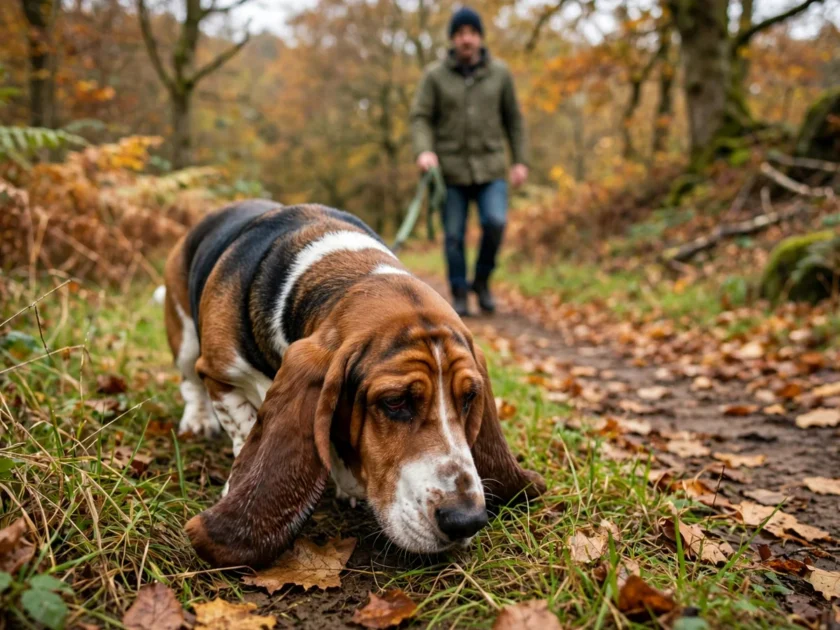
A Basset Hound lives life through its nose, and once it catches an interesting scent the rest of the world simply stops mattering. On walks it moves slowly, head down, weaving from one smell to the next. That scent drive also makes the breed famously stubborn, and owners soon learn the meaning of selective deafness, when a Basset that heard perfectly well a moment ago suddenly cannot hear its name at all. At home the Basset is a relaxed and affectionate companion, wonderfully patient with children and almost always friendly with other dogs and cats. It is also a vocal breed, with a deep musical bay that can carry for miles, and it may howl when left alone. Food is its great weakness, and a determined Basset will counter surf, raid bins and beg with those pleading eyes until somebody gives in. Training works best with patience and short cheerful sessions with plenty of treats, because harsh words only make a Basset dig its heels in harder.
Common Diseases and Health Problems
Much of what troubles the Basset Hound is connected to its unusual shape, so owners should know the main risks before they bring one home. Obesity is the most common problem of all, because the breed loves food and gains weight easily, and extra weight strains the long back, the short legs and the elbows. Bloat, or gastric dilatation-volvulus, is a life threatening emergency in which the deep-chested stomach fills with gas and can twist, and it is often linked to eating or drinking too quickly. Ear infections are very frequent, because the long heavy ears trap moisture and air cannot circulate, and yeast infections, skin fold infections and allergies often follow. Hip and elbow dysplasia cause painful joint wear, while intervertebral disc disease threatens the long spine. The eyes are vulnerable too, with primary glaucoma, entropion, ectropion and cherry eye all reported, and the breed can also suffer from Lafora disease, a hereditary form of epilepsy, along with platelet problems that affect blood clotting.

Solutions and Prevention
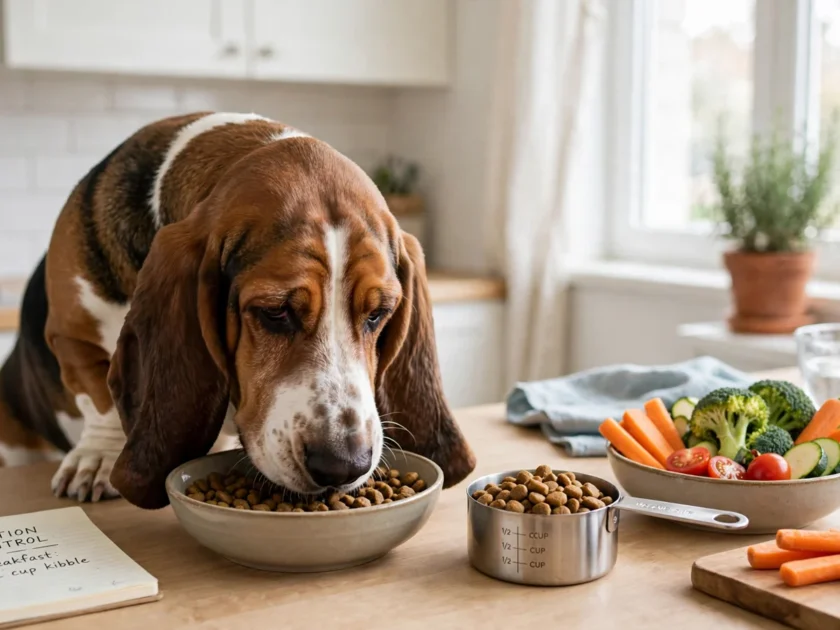
The best protection for a Basset Hound starts with choosing a breeder who screens the parents, because many of the breed’s worst problems are inherited. A responsible breeder will have tested hips and elbows, arranged eye examinations, and carried out DNA testing for Lafora disease and platelet disorders, and they should share those results openly before a puppy goes home. Once the puppy arrives, keeping it lean is the single most powerful form of prevention, so feed measured meals twice a day, use a slow feeder bowl, and count treats as part of the daily ration. Clean and dry the ears every week, wipe the wrinkles and folds, and watch for head shaking or a sour smell that signals infection. Learn the warning signs of bloat and treat it as an emergency. Regular veterinary check ups, with attention to weight, eyes, ears and movement, will catch most problems while they are still easy to manage.
Grooming and Cleaning
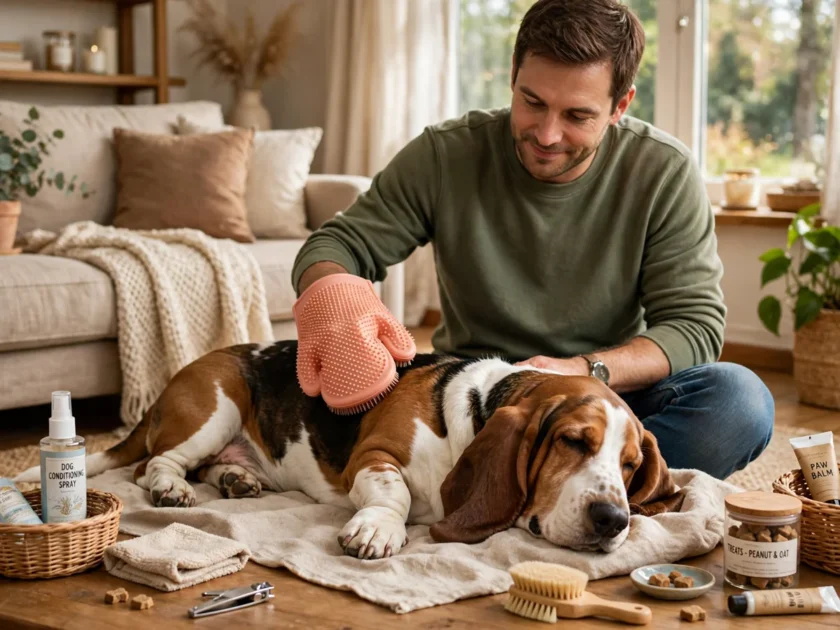
The Basset Hound’s short coat looks low maintenance, but the breed still needs a steady grooming routine to stay healthy and comfortable. Brush the coat once or twice a week with a rubber mitt or hound glove to remove loose hair and spread the natural oils, because Bassets shed steadily all year and more heavily in spring. A bath every month or so with a gentle dog shampoo keeps the coat clean. The ears demand the most attention, and they should be checked and cleaned weekly with a vet approved ear cleaner, then dried carefully, because damp ears invite infection. Wipe the wrinkles on the face and the folds around the lips, and keep a towel handy for drool, because the loose jowls mean many Bassets dribble after drinking. Trim the nails regularly and brush the teeth with toothpaste made for dogs.
Living With a Basset Hound: Care Tips for Owners
Living with a Basset Hound is a slow and happy business, and the dogs that do best are those treated as true members of the household. Plan for forty five to sixty minutes of gentle exercise every day, made up of leisurely walks with plenty of time to sniff, because a Basset that never gets to use its nose grows bored and restless, yet long runs and rough play can damage its back. Always walk on a leash or in a securely fenced garden, since a Basset on a scent will happily wander under a fence or out of an open gate and will not hear you calling. Feed adults twice a day and keep food and bins out of reach. Start training early with food rewards and socialise the puppy widely. Because Bassets hate being left alone for long hours and may howl or chew when lonely, arrange a dog walker or day care if work keeps you out. Give it a comfortable bed near the family and ramps to its favourite spots, and it will repay that care with years of gentle, funny and devoted companionship.
FAQ
Are Basset Hounds good family dogs?
Yes, Basset Hounds make wonderful family dogs for a calm household. They are patient and gentle with children, sociable with other dogs and cats, and happiest when they are part of everyday family life rather than left outside alone.
Do Basset Hounds shed a lot?
Yes, Basset Hounds shed moderately all year round, with heavier shedding in spring. Weekly brushing with a rubber mitt keeps loose hair under control, though it will never stop the shedding entirely.
How much exercise does a Basset Hound need?
A Basset Hound needs about forty five to sixty minutes of gentle exercise a day, ideally split into two leisurely walks with plenty of sniffing time. Avoid long runs and jumping, which strain the long back and short legs.
Are Basset Hounds easy to train?
Basset Hounds can be challenging to train because they are stubborn and easily distracted by scents, but they are very food motivated. Short, cheerful sessions with treats and praise work best.
What health problems do Basset Hounds have?
Basset Hounds are prone to obesity, bloat, ear infections, hip and elbow dysplasia, intervertebral disc disease, glaucoma and other eye problems, skin allergies, Lafora disease and blood clotting disorders. Responsible breeders screen for these conditions, and owners can help by keeping the dog lean.