
Introduction
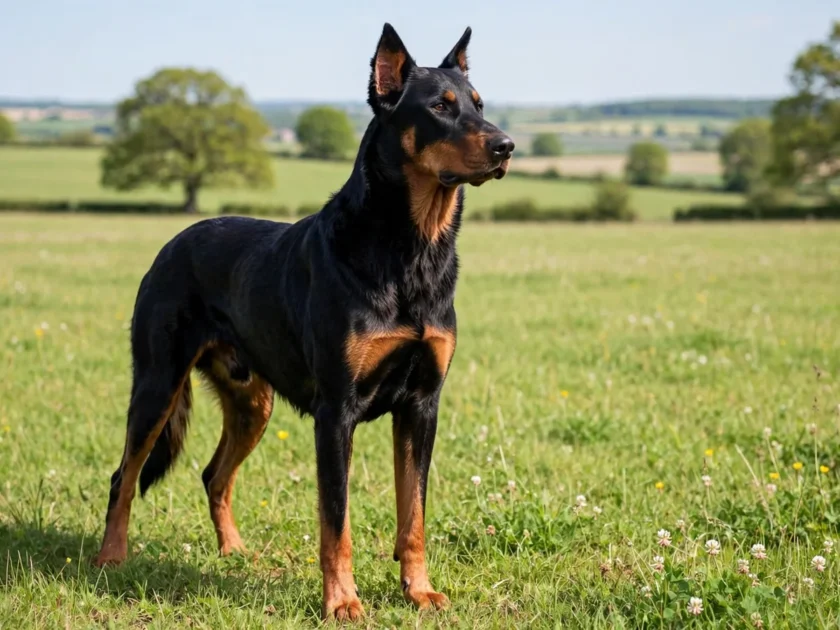
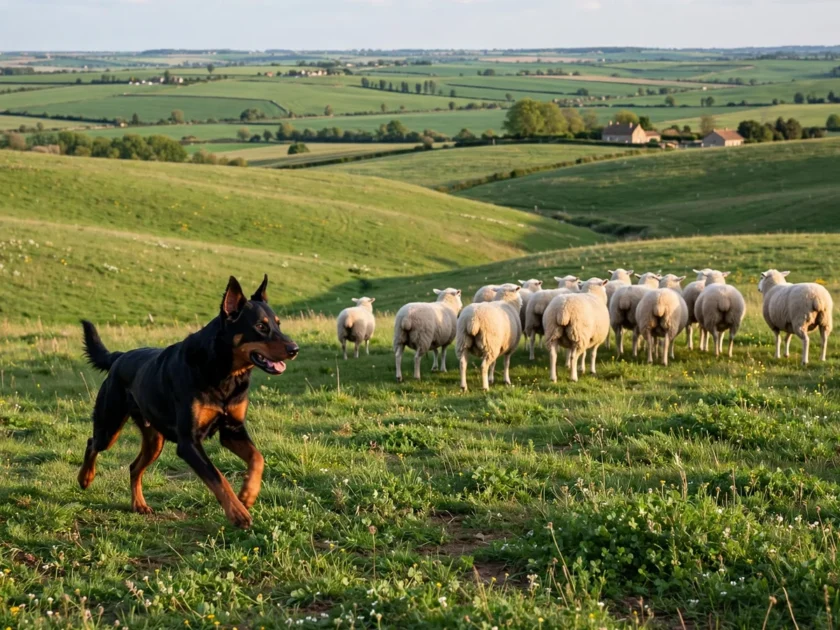
Meet the Beauceron, a large and powerful French herding dog with a calm, watchful presence and a heart devoted to its family. Known at home as the Berger de Beauce, after the La Beauce plains near Paris, it is also called the Bas Rouge, or red stockings, for the rusty red markings on its lower legs. Beaucerons spent centuries herding and guarding flocks, and later served the French army as messenger and mine detection dogs in the First World War. Colette called it a country gentleman, and beneath the imposing frame sits a faithful, gentle and obedient dog. You can read more about its long history on the Beauceron Wikipedia page. The American Kennel Club recognised the breed in 2007, and it has since won devoted fans among experienced owners who want a thinking, working companion.
Characteristics
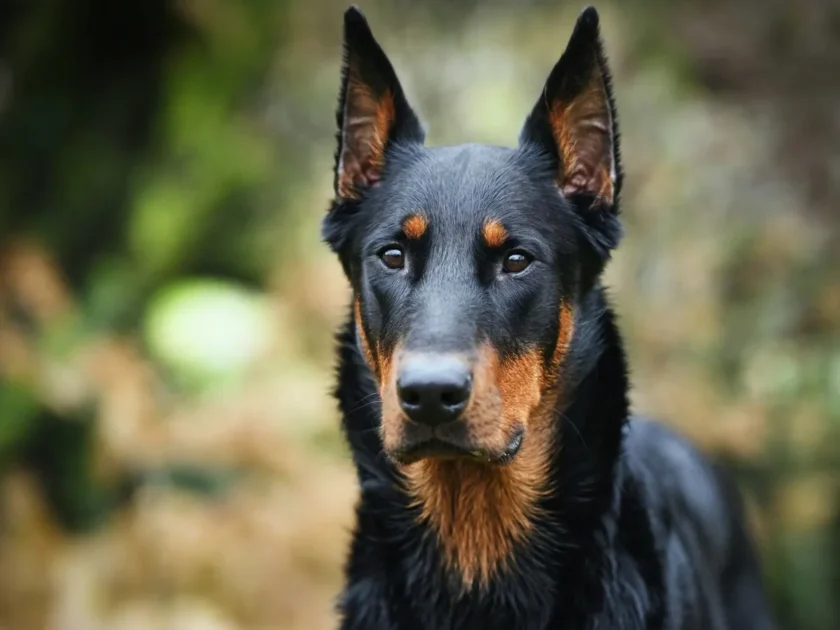
The Beauceron is large, muscular and athletic, yet graceful rather than heavy. Males usually stand twenty five and a half to twenty seven and a half inches at the shoulder, females twenty four to twenty six and a half inches, and adults generally weigh seventy to one hundred and ten pounds. It has a long head, dark brown eyes and a long tail ending in a slight hook. The coat is short and dense, a harsh outer layer over a soft undercoat, in black and tan or mottled harlequin. Its most distinctive feature is the double dewclaw on each hind leg, extra toes the breed standard requires. The Beauceron typically lives ten to twelve years, and its temperament is calm, courageous and deeply loyal. Like the German Shepherd, it shares a herding instinct and steady intelligence, and thrives with a clear purpose and a confident owner.
Habits and Behaviour
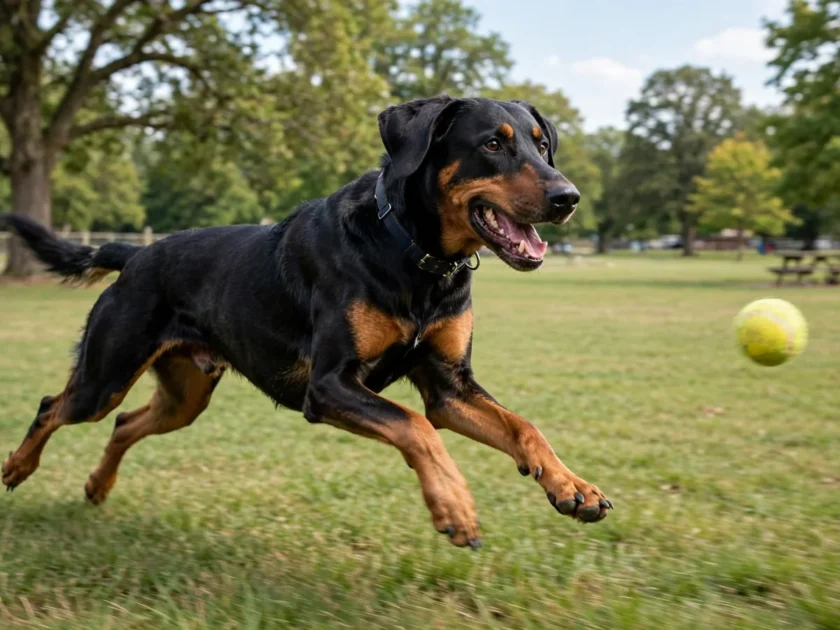
A Beauceron is happiest with a job to do and a person to do it with. Bred to work all day, it needs both physical exercise and mental challenge every day, usually an hour and a half to two hours daily. Without that outlet, boredom quickly turns into chewing, pacing, digging or barking, because this clever dog will find its own entertainment if none is offered. With its family it is gentle, affectionate and remarkably patient, and a well trained and well socialised dog makes a levelheaded watchdog, especially good with the young, the small and the defenceless. With strangers it is naturally reserved, and with unfamiliar dogs it can be assertive, so early socialisation is essential. It learns quickly, but it is strong willed and tests boundaries, so it responds best to a firm, fair and consistent owner using praise, play and food rewards.
Common Diseases and Health Problems
The Beauceron is generally healthy for its size, but owners should know the main conditions to watch for. Bloat, also called gastric dilatation and volvulus, is the most urgent concern, because the deep chested Beauceron can suffer a sudden twisting of the stomach that becomes life threatening within hours. Hip dysplasia is the best known inherited problem: the hip joint does not develop neatly, so the bones rub and wear, leading to pain, stiffness and arthritis. Dilated cardiomyopathy, in which the heart becomes enlarged and weak, has been reported and may show no symptoms until advanced, with coughing, tiredness or fainting. Eye problems, including progressive retinal atrophy, in which the cells at the back of the eye slowly deteriorate, also occur, and breeders screen for them. Other reported problems include allergies, elbow dysplasia, hypothyroidism and, more rarely, dermatomyositis. Two harlequin parents can produce deaf puppies or ones with eye defects, so responsible breeders never mate two harlequins together.
Solutions and Prevention
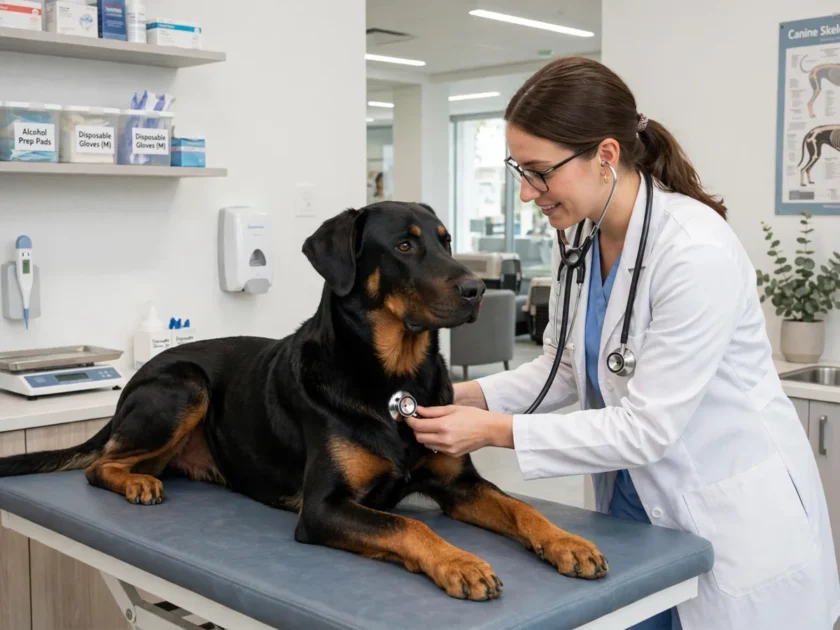
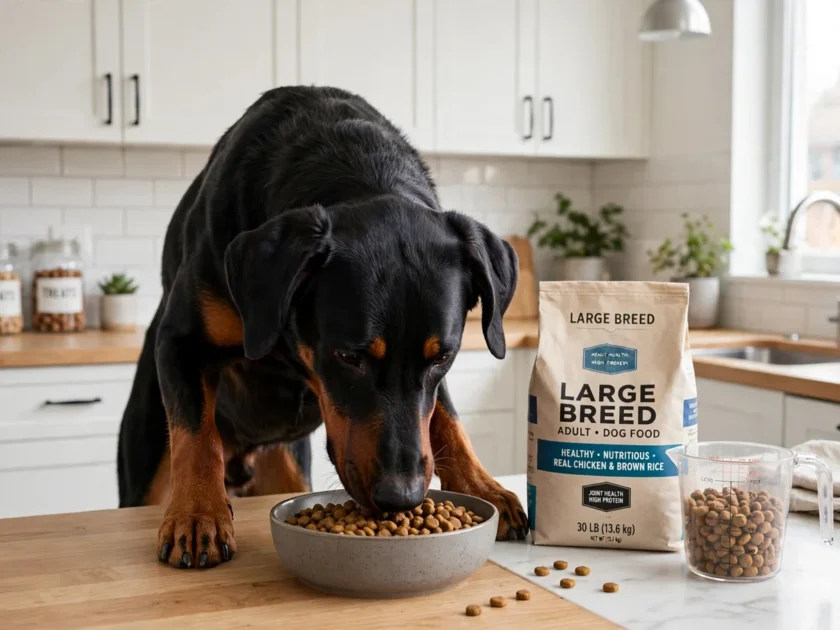
Protection starts before the puppy comes home, with the choice of breeder. A responsible breeder screens the parents for hip dysplasia, arranges cardiac and eye examinations, and shares the results openly, as the national breed club recommends. Bloat is the condition owners can do most about: feed two or three smaller meals a day, use a slow feeder bowl if the dog gulps its food, and keep hard exercise away from mealtimes, waiting at least an hour after eating. Many owners also ask their vet about a preventive gastropexy, a stomach tacking procedure done at spaying or neutering. Keeping the dog lean is powerful prevention, because excess weight strains the joints, so feed a high quality large breed diet, measure meals and keep treats small. Regular vet check ups let the vet listen to the heart and spot early changes in movement or vision. Watch for a swollen belly, restlessness, retching without vomiting, limping or reluctance to climb stairs, and see a vet promptly if any appear.
Grooming and Cleaning
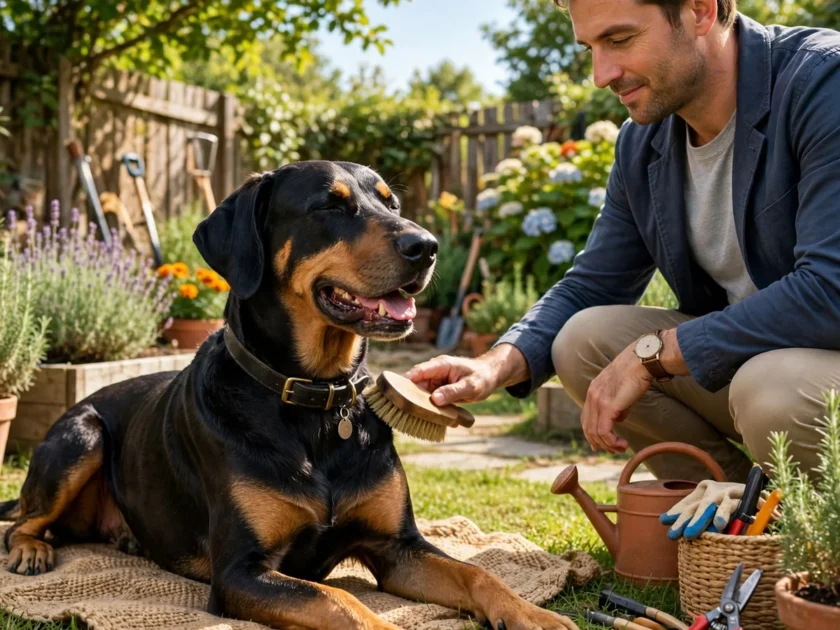
Grooming a Beauceron is straightforward. The short double coat needs brushing once or twice a week with a medium bristle brush or grooming mitt to remove dead hair and spread the skin’s natural oils, and during the heavy seasonal sheds in spring and autumn, daily brushing keeps the loose undercoat under control. Bathing is only needed occasionally, when the dog is dirty or smelly, with a gentle dog shampoo. The double rear dewclaws need special attention, as their nails do not wear down naturally, so trim them regularly to stop them catching or splitting. Check the ears weekly for debris, redness or odour, and brush the teeth several times a week with toothpaste made for dogs. A quick weekly check takes only minutes and catches small problems early.
Living With a Beauceron: Care Tips for Owners
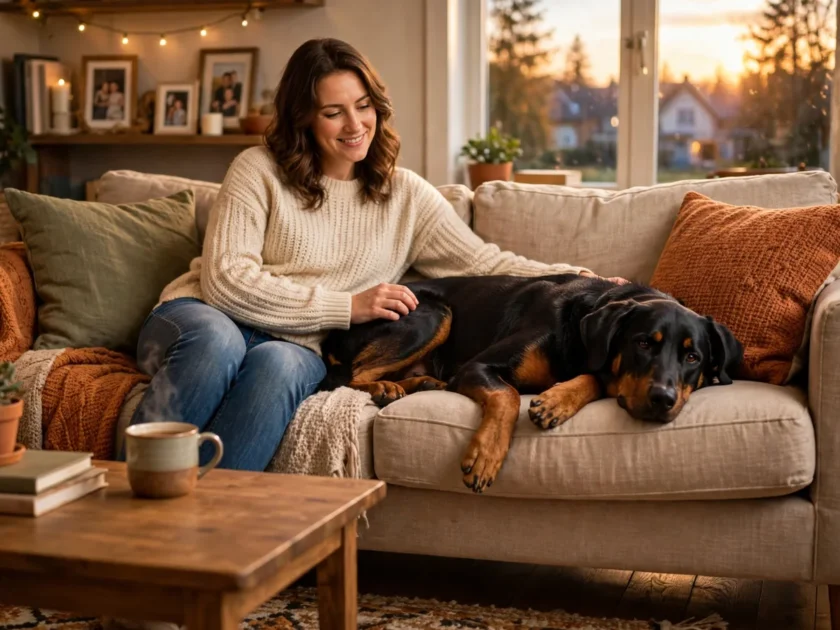
Living with a Beauceron is rewarding, but it is not a breed for everyone, and it does best with an experienced owner who enjoys an active outdoor life. Plan for an hour and a half to two hours of exercise every day, mixing long walks, running, hiking or cycling with training and dog sports such as agility, obedience or herding. Start training and socialisation early, keep lessons short, fun and varied, and be ready for the dog to test you, because Beaucerons mature slowly and stay puppylike until about three. A securely fenced yard is important, yet the Beauceron is not a kennel dog and should live indoors with its family. Feed a high quality large breed food, twice a day for adults, and keep the weight lean. Avoid leaving one alone all day, and use a dog walker or day care visit if work keeps you out. Give it a job, a bed near the family, consistent rules and regular vet visits, and it will repay you with loyalty, courage and quiet devotion for years.
FAQ
Is a Beauceron a good family dog?
A Beauceron can be a wonderful family dog for the right household, especially with older children and an experienced owner. It is gentle and protective with the children it is raised with, but it is large, strong and herding minded, so it may chase or nip small running children and needs supervision around them.
How much exercise does a Beauceron need?
An adult Beauceron needs an hour and a half to two hours of exercise every day, plus mental work such as training. Walks alone are rarely enough, and an under exercised Beauceron quickly becomes bored and destructive, so it suits active owners.
Do Beaucerons shed a lot?
Yes, Beaucerons shed a fair amount all year round, and heavily during the seasonal coat blows in spring and autumn. Weekly brushing, and daily during shedding season, keeps loose hair under control, but expect hair on clothes and furniture.
Are Beaucerons easy to train?
Beaucerons are intelligent and quick to learn, but they are strong willed and test boundaries, so they are not easy for first time owners. They learn best with positive reinforcement, using praise, play and food rewards, and with a firm, fair and consistent handler.
What health problems do Beaucerons have?
Beaucerons are generally healthy but can be prone to bloat, hip dysplasia, dilated cardiomyopathy and eye problems such as progressive retinal atrophy, plus allergies and, less commonly, elbow problems and hypothyroidism. Breeders screen for hip, heart and eye problems, while owners can help with smaller meals, no exercise after eating and keeping the dog lean.