

Introduction
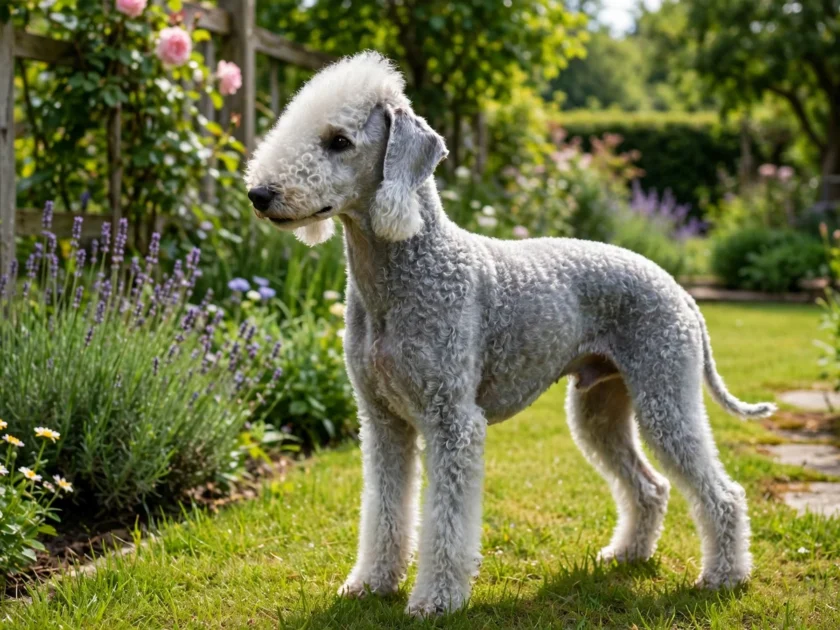
Meet the Bedlington Terrier, a dog that looks like a little lamb but behaves very much like a terrier. With its soft curly coat, narrow pear shaped head, pale topknot and gently arched back, the Bedlington is one of the most unusual and charming sights in the dog world. The breed comes from the mining district around the town of Bedlington in Northumberland, where it was first known as the Rothbury Terrier in the early eighteen hundreds. Miners kept these dogs to hunt rats and other vermin in the mines and around their homes, and the breed is thought to carry Whippet blood, which explains its surprising speed. You can read more about its long history on the Bedlington Terrier Wikipedia page. At home it is quiet, affectionate and devoted, yet beneath that soft woolly coat there is still a brave little hunter.
Characteristics
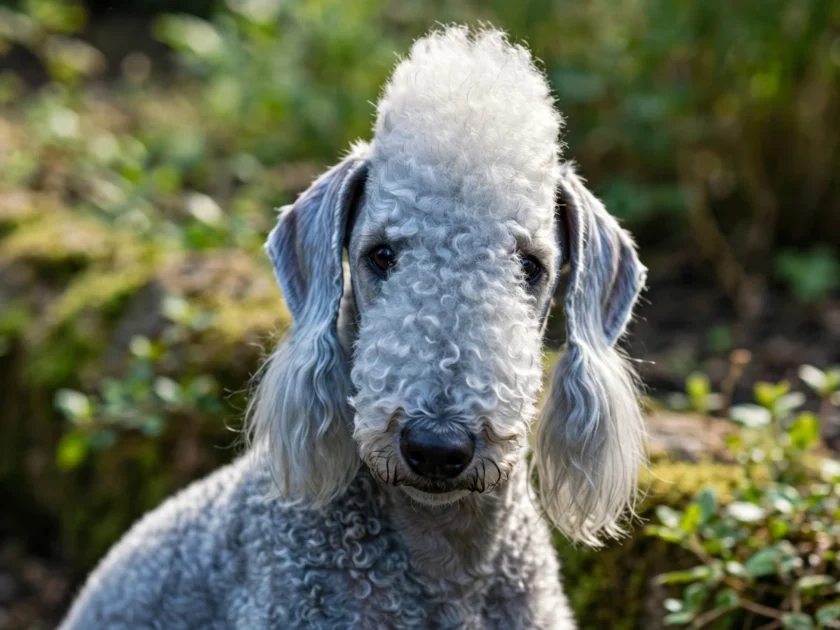
The Bedlington Terrier is a small, graceful and lightly built dog with a look all of its own. Most adults stand between fifteen and seventeen and a half inches tall at the shoulder and weigh between seventeen and twenty three pounds. Its head is narrow and pear shaped, a rounded topknot of lighter hair, and low set ears that end in a silky tassel. The body is muscular and flexible, with a natural arch over the loin and a tucked up underline. The coat is a mix of hard and soft hair with a crisp, linty texture and a tendency to curl. Bedlington puppies are born dark and their coats lighten as they grow into the adult colours of blue, liver or sandy. The breed sheds very little and typically lives for eleven to sixteen years. It shares the true terrier spirit of the Airedale Terrier.
Habits and Behaviour
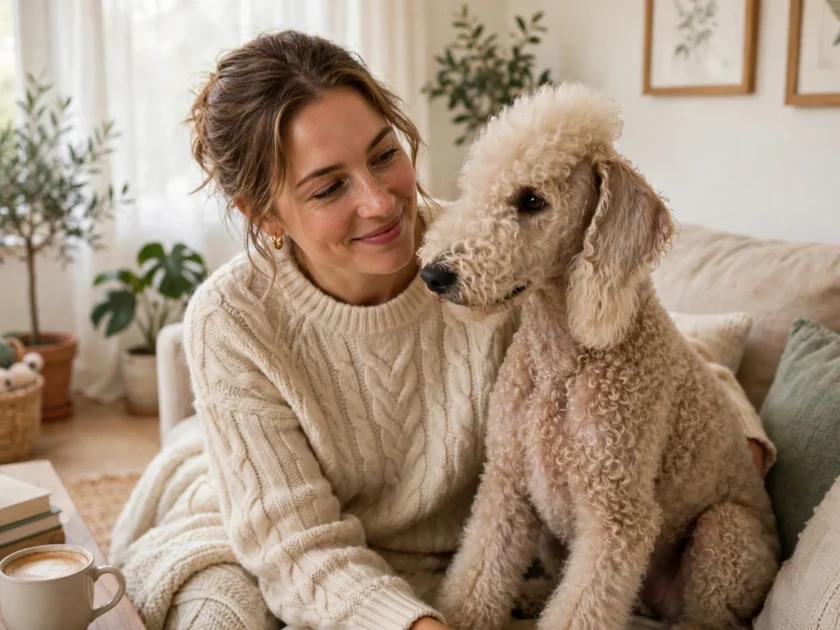
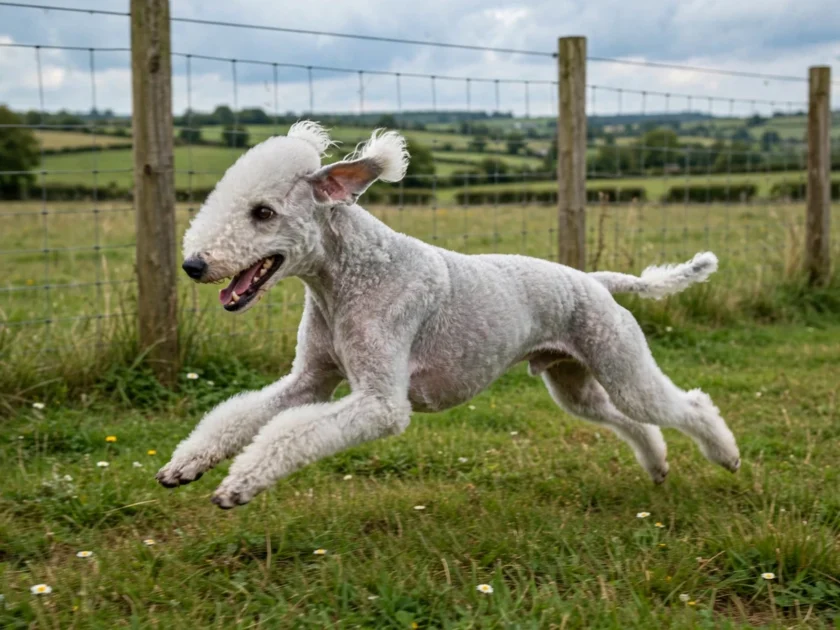
A Bedlington Terrier is gentle and tender at home and full of spark once it steps outside. Indoors it is usually calm and quiet, happy to curl up beside its people. The breed is loyal and alert, making a good watchdog that announces visitors. With considerate older children it is patient and loving, and it generally gets along with dogs it has been raised with. The terrier in the breed shows most clearly outdoors, where it loves to run at full speed and will chase cats, rabbits and squirrels with real intent, so a safely fenced garden and a lead on walks are essential. Bedlingtons are clever and eager to please, yet they have a stubborn streak and a sensitive nature, so they learn best with gentle, reward based training and plenty of praise.
Common Diseases and Health Problems
The Bedlington Terrier is generally a hardy breed with a long lifespan, but one inherited liver condition sets it apart from almost every other terrier. Copper toxicosis, also called copper storage disease, is caused by a change in the COMMD1 gene, passed on in an autosomal recessive way. In affected dogs the liver cannot clear copper normally, so the mineral slowly builds up in the liver tissue over years, causing chronic inflammation and scarring. When symptoms do show, usually in middle age, they can include low appetite, vomiting, weight loss, yellowing of the gums or eyes, dark urine, unusual tiredness and a swollen belly. The breed can also be prone to eye problems, including retinal dysplasia, cataracts and distichiasis, in which extra eyelashes grow and rub against the eye, as well as patellar luxation, kidney disease and ear infections.

Solutions and Prevention
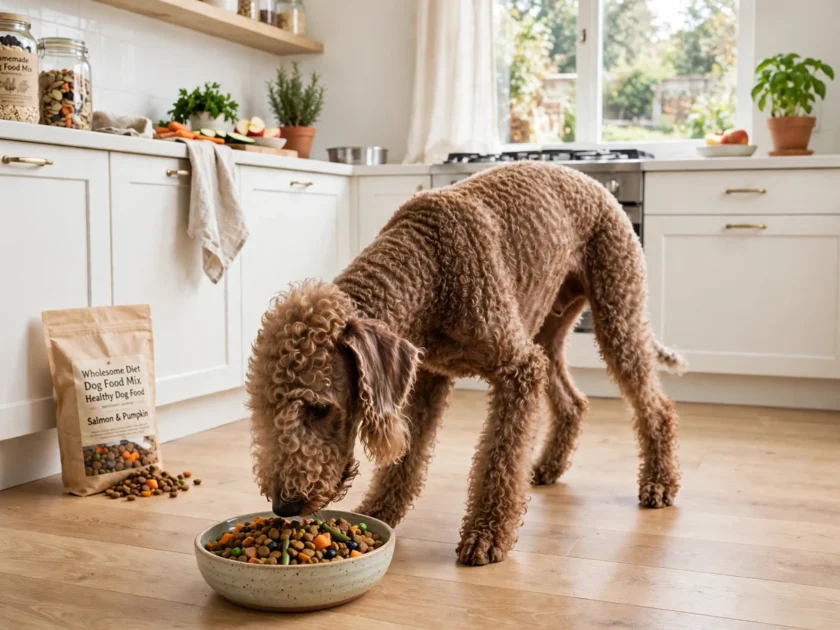
The best protection for a Bedlington Terrier starts before the puppy ever comes home, with the choice of breeder. A responsible breeder will DNA test the parents for the copper toxicosis gene and will share the results openly, along with records of eye screening. Once the puppy is home, routine veterinary care becomes the most powerful form of prevention, because regular bloodwork that checks liver enzymes can reveal trouble years before a dog looks sick. Ask your vet to include liver values in every annual check up, and check with your vet before giving any supplement containing copper. If a dog is affected, the vet may recommend a copper restricted diet and, in some dogs, a medicine that helps the body remove copper. Keep the dog lean, brush its teeth regularly, and watch for vomiting, yellowing of the eyes or gums, squinting or a skipping gait.
Grooming and Cleaning
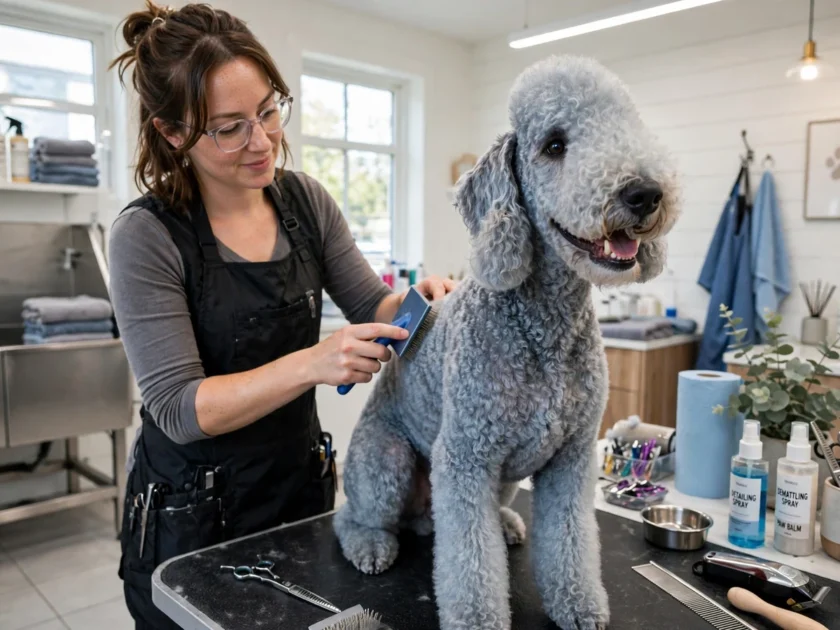
The Bedlington Terrier’s beautiful lamb like coat is also its biggest commitment. The coat sheds very little, but the hair grows constantly and will mat quickly without care, especially behind the ears, around the legs and under the collar. Brush and comb right through to the skin two or three times a week, working gently through the curls and paying attention to the ear tassels, where tangles form easily. Plan a professional scissor trim every six to eight weeks to keep the signature lamb clip, with the neat topknot, the shaped body and the tasselled ears that make the breed so recognisable. Bathe the dog only when it is dirty, using a mild shampoo made for dogs, and let the coat dry naturally so the curls keep their shape. Check the ears regularly for signs of infection, trim the nails when they grow too long, and brush the teeth daily.
Living With a Bedlington Terrier: Care Tips for Owners
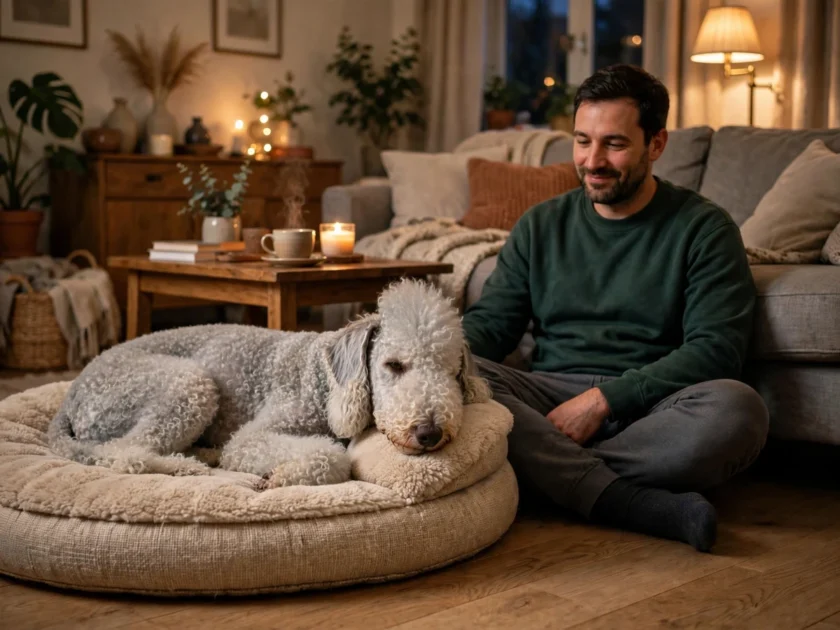
Living with a Bedlington Terrier is a delight, and the dogs that do best are those treated as true members of the household. Plan for at least forty five to sixty minutes of exercise every day, mixing brisk walks with training games and sprinting in a safely fenced area. Feed adults twice a day with a good quality food suited to a small active dog, measure meals carefully, and keep treats modest so the waistline stays trim and the knees stay happy. Start training and socialisation early, introducing the puppy to many different people, dogs and places, and keep lessons short, positive and fun. Because Bedlingtons bond so closely to their people, avoid leaving one alone for a whole working day. Give it a comfortable bed near the family and keep up with annual vet visits and liver bloodwork.
FAQ
Is a Bedlington Terrier a good family dog?
Yes, the Bedlington Terrier makes a lovely family dog for a household with older, considerate children. It is gentle, affectionate and loyal at home, quiet indoors, and happiest as part of everyday family life, though very young children should be supervised.
Do Bedlington Terriers shed a lot?
No, Bedlington Terriers shed very little, because loose hair stays trapped inside the curly coat instead of falling onto furniture and floors. That is why they are often chosen by allergy conscious owners, and the coat still needs brushing two or three times a week to stop it matting.
How much exercise does a Bedlington Terrier need?
A Bedlington Terrier needs about forty five to sixty minutes of exercise every day, ideally including a chance to run at full speed in a safely fenced area. Brisk walks, fetch, agility and lure coursing all suit this athletic little sprinter.
Are Bedlington Terriers easy to train?
Bedlington Terriers are clever and eager to please, which makes training rewarding, but they are sensitive and can have a stubborn streak. They learn best with gentle, reward based training using praise, treats and play, while harsh handling can make them sulk or shut down.
What health problems do Bedlington Terriers have?
The most important health concern is copper toxicosis, an inherited liver disease caused by a change in the COMMD1 gene. The breed can also be prone to eye problems, patellar luxation, kidney disease and ear infections, so regular vet check ups with liver bloodwork are essential.