
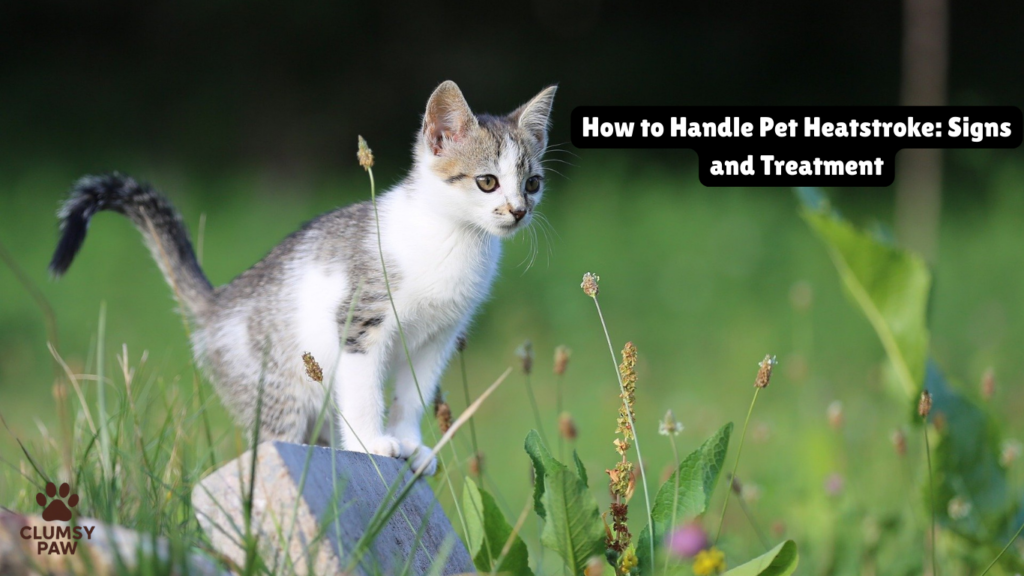

How to Handle Pet Heatstroke Signs and Treatment is one of the most dangerous and preventable emergencies pets face, especially in the United States where summer temperatures can soar across many regions. From scorching heat waves in the Southwest to humid summers in the Southeast, pets are often exposed to conditions that put their health at serious risk. Unlike humans, pets cannot regulate their body temperature efficiently, making them far more vulnerable to overheating.
Every year, thousands of dogs and cats suffer from heat-related illnesses, many of which turn fatal due to delayed recognition or improper treatment. The good news is that pet heatstroke is largely preventable, and early action can save lives. Understanding the warning signs, knowing what to do in an emergency, and taking preventive steps are essential responsibilities for every pet owner.
This comprehensive guide will help you recognize pet heatstroke, understand why it happens, learn immediate treatment steps, and discover practical ways to protect your pet from dangerous heat conditions.
What Is Pet Heatstroke?
Pet heatstroke, also known as hyperthermia, occurs when an animal’s body temperature rises to dangerous levels and the body can no longer cool itself. For dogs and cats, a normal body temperature typically ranges between 101°F and 102.5°F. When it rises above 104°F, heat exhaustion begins, and temperatures above 106°F can quickly become life-threatening.
Pets primarily cool themselves by panting and releasing heat through their paw pads. This system is far less efficient than human sweating, especially in hot or humid environments. When external temperatures rise or airflow is limited, a pet’s internal temperature can increase rapidly.
Pet Heatstroke can develop within minutes and progresses quickly, making awareness and fast response absolutely critical. Read About How to Perform Pet CPR: Life-Saving Techniques Every Owner Should Know.

Why Heatstroke Is So Common in the United States
How to Handle Pet Heatstroke is particularly common in the U.S. due to a combination of climate, lifestyle, and environmental factors. Many areas experience prolonged summer heat waves, while urban environments often trap heat due to concrete and asphalt.
Common scenarios that lead to heatstroke include pets left in parked cars, even for short periods, outdoor activities during peak heat hours, lack of shade or water, and inadequate ventilation indoors. High humidity makes the situation even worse by reducing the effectiveness of panting.
Pets that live in apartments, travel frequently, or accompany owners on outdoor adventures may face additional risks if precautions are not taken.
Pets Most at Risk of Heatstroke
While all pets can suffer from heatstroke, some are more vulnerable than others. Dogs with short noses, such as Bulldogs, Pugs, and Boxers, are at especially high risk because their airways restrict efficient cooling. Older pets, overweight animals, and those with heart or respiratory conditions are also more susceptible.
Puppies and kittens can overheat quickly due to immature temperature regulation, while senior pets may struggle due to reduced organ function. Pets with thick coats or dark fur absorb more heat, increasing their risk during hot weather.
Understanding your pet’s individual risk factors helps you take more targeted preventive measures.
Common Causes of Pet Heatstroke
Pet Heatstroke can occur in many everyday situations that may not seem dangerous at first. Leaving a pet in a parked car is one of the most well-known causes, as temperatures inside vehicles can rise dramatically within minutes, even on mild days.
Outdoor exercise during the hottest parts of the day is another major contributor. Dogs that are walked or played with during midday heat can overheat rapidly, especially if they are enthusiastic and do not stop on their own.
Indoor heatstroke can also occur in poorly ventilated homes, garages, or enclosed spaces without air conditioning. Power outages during heat waves can further increase the risk for indoor pets.
Early Signs of Heatstroke in Pets
Recognizing early signs of heatstroke can make the difference between life and death. Initial symptoms are often subtle and may be mistaken for normal tiredness or excitement.
Excessive panting is usually the first sign, especially if it is louder or faster than usual. Pets may also drool excessively or produce thick saliva. As overheating progresses, you may notice restlessness, weakness, or difficulty standing.
Red or pale gums, rapid heartbeat, and glassy eyes are warning signs that should never be ignored. Some pets may vomit or experience diarrhea, which can be an early indicator of heat-related stress.
Advanced and Emergency Symptoms
As heatstroke worsens, symptoms become more severe and alarming. Pets may collapse, become unresponsive, or suffer seizures. Their breathing may become labored or irregular, and their body temperature may rise dangerously high.
In extreme cases, heatstroke can cause organ failure, internal bleeding, and death. These advanced symptoms indicate a medical emergency that requires immediate veterinary intervention.
Waiting for symptoms to worsen before acting significantly reduces the chances of recovery.
How to Handle Pet Heatstroke Signs and Treatment
If you believe your pet is suffering from heatstroke, immediate action is essential. The first step is to remove your pet from the hot environment and move them to a cooler, shaded, or air-conditioned area.
Begin cooling your pet gradually. Use cool—not cold—water to wet their body, especially the paws, belly, and neck. You can use a hose, wet towels, or pour water gently over them. Avoid using ice or ice-cold water, as this can cause blood vessels to constrict and worsen the condition.
Offer small amounts of cool water to drink if your pet is conscious and able to swallow, but do not force it. Excessive water intake can lead to choking or vomiting.
Once initial cooling has begun, seek veterinary care immediately, even if your pet appears to be improving.
Why Veterinary Care Is Still Necessary
Many pet owners assume that once their pet cools down, the danger has passed. Unfortunately, heatstroke can cause internal damage that is not immediately visible. Organs such as the kidneys, liver, and brain may suffer delayed injury hours or even days later.
Veterinarians can assess internal damage, monitor vital signs, provide intravenous fluids, and address complications such as electrolyte imbalances or organ dysfunction. Early veterinary intervention greatly improves survival rates and long-term outcomes.
In the United States, emergency veterinary clinics are widely available, and knowing the location of the nearest one before an emergency occurs can save precious time.

Heatstroke Treatment at the Veterinary Clinic
At the clinic, treatment focuses on stabilizing the pet and preventing further damage. Cooling measures continue under controlled conditions, and body temperature is closely monitored to avoid overcorrection.
Intravenous fluids help rehydrate the pet and support circulation. Blood tests may be performed to evaluate organ function and detect clotting issues. Oxygen therapy, medications to control seizures or inflammation, and supportive care may also be required.
Recovery time varies depending on the severity of the heatstroke and how quickly treatment was initiated.
Recovery and Aftercare at Home
After surviving heatstroke, pets often require a period of rest and careful monitoring at home. Activity should be limited, and exposure to heat should be minimized during recovery.
Your veterinarian may recommend follow-up visits, dietary adjustments, or medications to support organ function. It is important to watch for signs such as lethargy, loss of appetite, vomiting, or changes in urination, which may indicate lingering complications.
With proper care, many pets recover fully, but prevention becomes even more critical after an episode of heatstroke.
Preventing Pet Heatstroke
Prevention is the most effective way to protect your pet from heatstroke. Simple changes in routine and environment can significantly reduce risk.
Avoid exercising pets during peak heat hours, typically late morning through early evening. Walk dogs early in the morning or later at night when temperatures are cooler. Always provide access to fresh, cool water and shaded areas.
Never leave pets unattended in parked cars, even with windows cracked. Indoors, ensure proper ventilation and cooling, especially during heat waves or power outages.
In the U.S., many communities experience extreme heat advisories. During these times, keeping pets indoors and limiting activity is essential.
Special Considerations for Cats
While dogs are more commonly affected by heatstroke, cats are not immune. Indoor cats can overheat in poorly ventilated spaces, while outdoor cats may struggle to find shade and water.
Cats often hide when they are unwell, making heatstroke harder to detect. Signs may include panting, drooling, restlessness, or sudden lethargy. Ensuring access to cool areas and fresh water is crucial for feline safety.
Heatstroke and Outdoor Activities
Many American families enjoy outdoor activities with their pets, such as hiking, camping, and beach trips. While these activities can be enriching, they also increase pet heatstroke risk.
Plan outdoor adventures during cooler parts of the day, take frequent breaks, and watch for early signs of overheating. Portable water bowls, cooling mats, and shaded rest areas can make a significant difference.
Remember that enthusiasm can override a dog’s natural limits. It is up to the owner to recognize when it’s time to stop.
Emotional Impact on Pet Owners
Experiencing a pet heatstroke emergency can be emotionally overwhelming. Feelings of guilt, fear, and anxiety are common, even when owners act quickly.
Educating yourself and taking preventive steps not only protects your pet but also provides peace of mind. Knowing how to respond in an emergency empowers you to act confidently and decisively.
Final Thoughts
Pet heatstroke is a serious, life-threatening condition, but it is also one of the most preventable. By understanding the causes, recognizing early warning signs, and knowing how to respond, pet owners across the United States can dramatically reduce the risk to their beloved companions.
Pet Heatstroke does not always come with obvious warnings, and it can escalate rapidly. Staying vigilant, planning ahead, and prioritizing your pet’s comfort during hot weather are essential acts of responsible pet ownership.
Your pet depends on you for protection and care. By staying informed and prepared, you can ensure that warmer days remain safe, enjoyable, and full of happy memories rather than emergencies.