
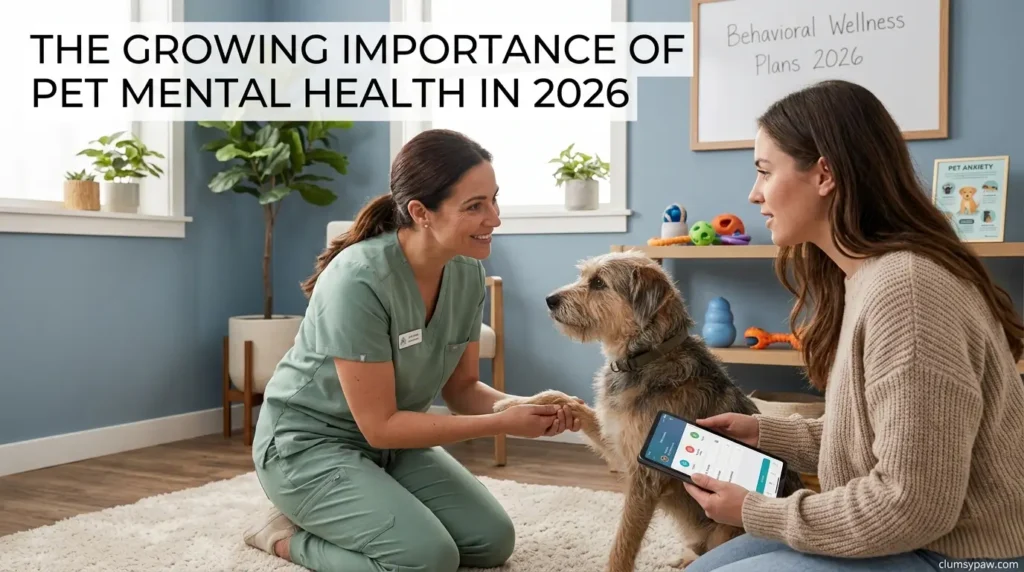

In recent years, pet care has evolved to focus not only on physical well-being but also on the mental and emotional health of pets. As we learn more about animal behavior, it’s becoming increasingly clear that pets, like humans, can experience stress, anxiety, depression, and other mental health challenges. In 2025, the importance of pet mental health is gaining recognition, and pet owners are becoming more proactive in addressing their pets’ emotional and psychological needs.
This shift reflects broader changes in society’s attitudes toward mental health and wellness, which have extended to pets. From recognizing anxiety triggers to providing mental stimulation and therapeutic interventions, the pet industry is adapting to meet these new needs.
In this blog post, we will explore the growing importance of pet mental health, why it matters, and how pet owners can take steps to support their pets’ mental and emotional well-being. We’ll also look at emerging trends and technologies that will shape the future of pet care in 2026 and beyond.

The Growing Importance of Pet Mental Health
check out the the growing importance of pet mental health below:
1. Understanding Pet Mental Health
Pet mental health refers to the emotional and psychological well-being of animals. Just like humans, pets can experience a wide range of emotions, including happiness, fear, stress, and even depression. These emotions can affect their behavior, physical health, and overall quality of life.
A. Signs of Mental Health Issues in Pets
Recognizing mental health issues in pets is the first step in addressing them. While physical health problems are often easier to spot, behavioral and emotional issues can be more subtle. Some common signs of mental health problems in pets include:
- Changes in Behavior: A pet that suddenly becomes more withdrawn, aggressive, or lethargic may be dealing with emotional distress.
- Excessive Licking or Grooming: Pets may engage in repetitive behaviors, such as licking or grooming excessively, as a way to cope with anxiety or stress.
- Destructive Behavior: Chewing furniture, scratching excessively, or knocking things over can indicate that a pet is trying to manage anxiety or frustration.
- Loss of Appetite or Overeating: Changes in eating habits can be a sign of depression or emotional distress in pets.
- Urine Marking or Accidents: Unexplained accidents in the house, especially in pets that are usually well-trained, may indicate stress or anxiety.
B. Factors Affecting Pet Mental Health
Several factors can influence pet mental health, including:
- Changes in Environment: Moving to a new home, the arrival of a new family member, or changes in routine can create stress for pets.
- Lack of Socialization: Pets that are not properly socialized with other animals or people may develop anxiety or fear-based behaviors.
- Separation Anxiety: Pets that are left alone for long periods may experience separation anxiety, leading to destructive behavior and emotional distress.
- Trauma or Abuse: Pets that have experienced neglect or abuse in the past may have lingering emotional issues, including trust and fear-related problems.
2. Why Pet Mental Health Matters
The growing focus on pet mental health in 2025 reflects a broader recognition that pets are not just physical companions but emotional ones as well. Here are several reasons why pet mental health is critical:
A. Improved Quality of Life
Pets are members of our families, and their emotional well-being directly impacts their quality of life. A happy, mentally healthy pet is more likely to enjoy a fulfilling, comfortable life, while a pet with untreated mental health issues may experience prolonged suffering. By addressing mental health, pet owners can ensure their pets live their best lives.
- Happiness and Comfort: Mentally healthy pets are more active, engaged, and joyful, contributing to a positive atmosphere in the home.
- Behavioral Improvements: Addressing mental health issues can lead to better behavior, reducing stress for both pets and their owners.
alos read about pet breeding
B. Stronger Bond Between Pet and Owner
When pet owners focus on their pets’ mental health, it deepens the bond between them. Pets that feel emotionally secure are more likely to engage positively with their owners, forming stronger connections.
- Emotional Well-Being: When pets feel loved, supported, and cared for, they are more likely to form secure attachments with their owners.
- Positive Interactions: Pets that are mentally healthy are more likely to exhibit positive behaviors, which leads to more enjoyable interactions with their owners.
C. Physical Health Benefits
Mental health and physical health are closely intertwined. Just like humans, pets with mental health issues are more likely to develop physical health problems. Anxiety and stress can contribute to conditions such as gastrointestinal issues, skin problems, and heart disease.
- Reduced Stress: Reducing stress and anxiety can lead to improved immune function and a lower risk of stress-related health problems.
- Overall Wellness: Pets with good mental health are more likely to stay active and healthy, which contributes to their physical well-being.
3. Trends in Pet Mental Health Care
As awareness of pet mental health grows, new trends are emerging in pet care to support the emotional and psychological well-being of pets. Let’s explore some of the most important trends in pet mental health care for 2026.
A. Pet Therapy and Emotional Support Animals
Emotional support animals (ESAs) are becoming more widely recognized as a valuable resource for individuals with mental health challenges. These pets offer companionship and support, helping to reduce symptoms of anxiety, depression, and PTSD. In 2026, we expect an even greater demand for emotional support animals, both for individuals and in family settings.
- Increased Accessibility: More organizations are recognizing the benefits of ESAs, which is leading to an increase in training and certification programs for pets that serve as emotional support animals.
- Therapeutic Practices: Pet therapy programs, where pets are trained to provide comfort and companionship, will continue to expand, offering more opportunities for pets to help humans in need.
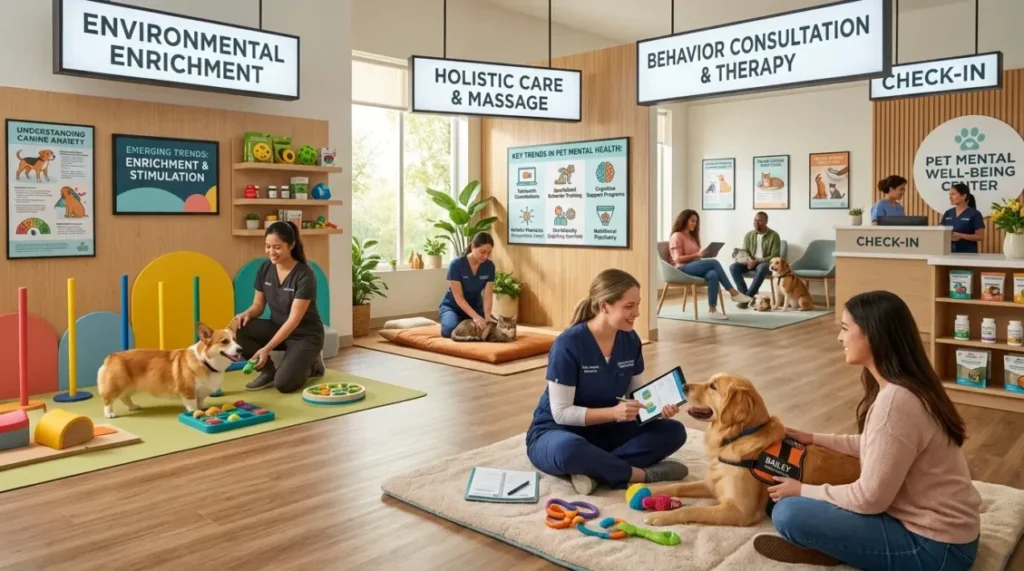
B. Technological Solutions for Pet Anxiety
Technology is playing a growing role in addressing pet anxiety. Smart devices, apps, and other innovations are helping pet owners monitor and manage their pets’ mental health.
- Pet Anxiety Monitors: Wearable devices that track pet anxiety levels and provide real-time feedback to owners are becoming more common. These devices can measure heart rate, body temperature, and other indicators of stress.
- Calming Devices and Apps: Products like calming pheromone diffusers, white noise machines, and smartphone apps that play soothing sounds for pets are helping pets relax in stressful environments.
C. Mental Health-Focused Pet Foods
Just as diet plays a crucial role in physical health, it’s now recognized that certain foods can help support pets’ mental well-being. In 2025, we expect to see a rise in pet foods formulated with ingredients that promote mental health.
- Supplements for Anxiety: Foods and treats infused with calming ingredients like valerian root, chamomile, and CBD (Cannabidiol) are becoming more popular for pets with anxiety or stress issues.
- Functional Foods: Pet foods designed to support cognitive function, such as those containing Omega-3 fatty acids and antioxidants, will continue to grow in popularity, especially for aging pets.
D. Pet Behaviorists and Professional Support
In 2025, pet behaviorists and mental health professionals will become an even more integral part of the pet care system. These professionals specialize in diagnosing and treating behavioral issues that stem from mental health problems.
- Behavioral Therapy: Behaviorists will offer therapy sessions to address issues like separation anxiety, aggression, and fear-based behavior. This trend reflects the growing recognition of pets’ emotional needs.
- Veterinary Mental Health: Some veterinary clinics will expand their services to include mental health screenings and therapy for pets, helping owners address mental health issues alongside physical care.
E. Holistic Pet Care and Wellness Programs
The rise of holistic health practices for humans is mirrored in the pet care industry, with more pet owners turning to natural, holistic methods to support their pets’ mental and emotional health.
- Massage and Acupuncture: Practices like pet massage, acupuncture, and other alternative therapies are gaining popularity as ways to reduce stress and promote relaxation for pets.
- Mindfulness and Stress Relief: Pet yoga and mindfulness training are emerging as ways to help pets cope with stress. These activities help pets calm down, relax, and bond with their owners.
4. Common Mental Health Issues in Pets and How to Address Them
Understanding common mental health issues in pets is essential to providing effective care. Let’s explore some of the most common mental health issues in pets and how they can be addressed.
A. Separation Anxiety
Separation anxiety is one of the most common behavioral issues in pets. Pets with separation anxiety may exhibit destructive behavior, excessive barking, or house soiling when left alone.
- Addressing Separation Anxiety: Gradually desensitizing pets to being alone, using calming products, and seeking professional behavioral therapy can help alleviate symptoms of separation anxiety.
B. Fear and Phobias
Pets may develop fears of specific sounds, objects, or situations. Common phobias in pets include fear of thunderstorms, fireworks, or visits to the vet.
- Desensitization: Gradually exposing pets to the feared stimulus in a controlled and positive way can help reduce their fear over time. Professional training and behavior modification may also be needed for severe phobias.
C. Depression and Lethargy
Just like humans, pets can experience depression, often as a result of major life changes, illness, or the loss of a companion. Symptoms of depression in pets include lethargy, loss of appetite, and withdrawal from social interactions.
- Socialization and Enrichment: Engaging pets in play, providing interactive toys, and encouraging social interactions can help improve their mood. In some cases, medications or supplements may be needed to manage depression in pets.
D. Aggression and Behavioral Issues
Aggressive behavior in pets can be a sign of underlying emotional or psychological issues. Pets may exhibit aggression due to fear, territoriality, or frustration.
- Training and Behavioral Therapy: Addressing aggressive behavior requires professional training to identify the root cause and provide appropriate interventions, such as positive reinforcement and behavior modification techniques.
5. Supporting Pet Mental Health in 2026
As the importance of pet mental health continues to gain recognition, pet owners are taking proactive steps to ensure their pets’ emotional well-being. Here are some ways to support your pet’s mental health in 2026:
A. Creating a Stimulating Environment
Pets need mental stimulation to stay happy and engaged. Providing a variety of toys, puzzles, and interactive activities can help keep your pet’s mind sharp and prevent boredom.
- Puzzle Toys: Toys that challenge your pet to solve problems or work for treats can provide both mental stimulation and entertainment.
- Interactive Play: Regular playtime with your pet, whether it’s fetching, hide-and-seek, or puzzle games, can help alleviate stress and anxiety.
B. Consistent Routine and Structure
Pets thrive on routine and structure. Having a consistent daily routine for feeding, exercise, and rest can help your pet feel secure and reduce anxiety.
- Predictability: Pets feel more comfortable when they know what to expect, whether it’s regular walks, feeding times, or quiet moments for relaxation.
C. Engagement with Other Pets and People
Socialization with other pets and people is important for your pet’s mental health. Proper socialization can prevent anxiety, aggression, and behavioral issues later in life.
- Dog Parks and Playdates: Regularly visiting dog parks or scheduling playdates with other pets can help your pet build confidence and reduce fear-based behavior.
D. Providing Comfort and Security
Creating a calm, secure environment is key to supporting your pet’s mental health. This includes providing a safe space for your pet to retreat when they need rest or alone time.
- Comfort Items: Items like soft bedding, favorite toys, and calming scents can help create a sense of comfort and security for your pet.

Conclusion
The growing importance of pet mental health in 2026 reflects a broader understanding that pets, like humans, require attention to their emotional well-being. As awareness increases, pet owners are becoming more proactive in ensuring their pets’ mental health is addressed alongside their physical health.
By recognizing the signs of mental health issues, utilizing emerging technologies and resources, and taking a proactive approach to their emotional well-being, we can ensure our pets lead happy, fulfilling lives. As the pet care industry continues to evolve, the future of pet mental health looks promising, with more resources and support available for both pets and pet owners.