
Introduction
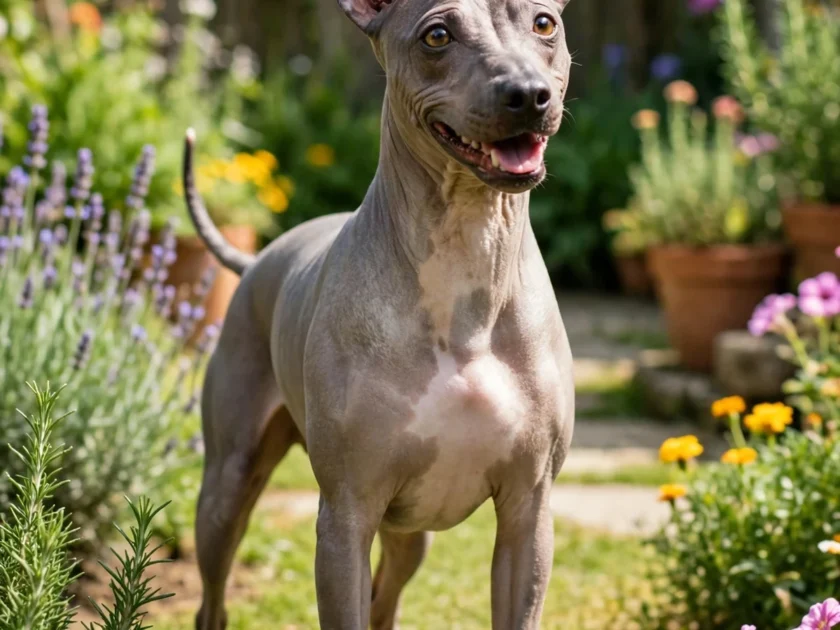
Imagine a dog with no fur at all, warm to the touch like a hot water bottle, with big upright ears and a grin that could melt a bad day. That is the American Hairless Terrier, the only hairless breed native to the United States, and one of the most surprising little dogs you will ever meet. Beneath that bare skin beats the heart of a true terrier: brave, busy, funny and completely devoted to its people.
The American Hairless Terrier began with a happy accident in Louisiana in 1972, when a hairless puppy was born into a litter of Rat Terriers. Breeders recognised something special, and the hairless line was developed from that one puppy, Josephine. The breed comes in two varieties, one completely hairless and one with a short, smooth coat, and both share the same lively terrier spirit. The American Kennel Club recognised the breed in 2016, and it has been winning over allergy-prone families and apartment dwellers ever since.
Characteristics
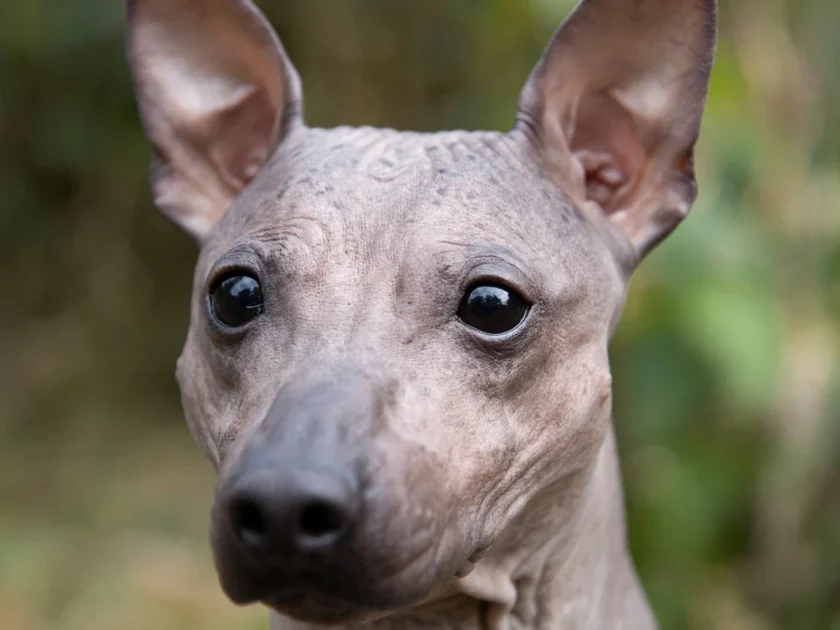
An American Hairless Terrier stands twelve to sixteen inches tall and weighs twelve to twenty-eight pounds, a small dog with a lot of personality packed into it. The hairless variety has smooth, warm skin that can be any colour or pattern, sometimes with a few whiskers or a soft beard, while the coated variety wears a short, dense, glossy coat. Both have open faces with round, dark eyes, upright ears, and a lean, athletic build made for running and jumping. Most live fourteen to sixteen years, which is a generous lifespan for such a characterful companion.
Temperament is pure terrier, bright, alert, playful and endlessly inquisitive. These dogs are intelligent and quick to learn, protective of their families, and wonderfully affectionate with the people they love. They are often called a good choice for people with allergies, since the hairless variety sheds almost nothing, though no dog is truly hypoallergenic. Like the Poodle, another clever breed that suits allergy-sensitive homes, the American Hairless Terrier thrives on attention and hates being ignored.
Habits and Behaviour
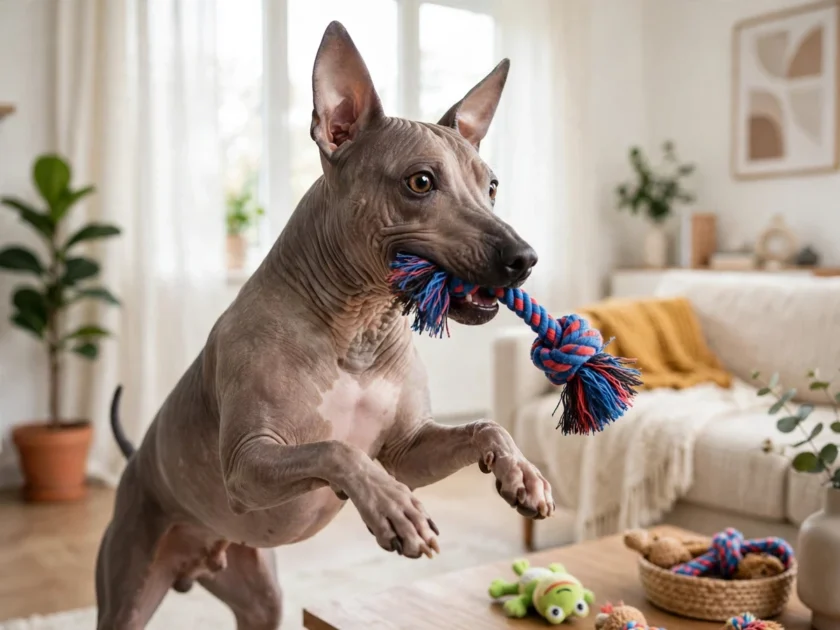
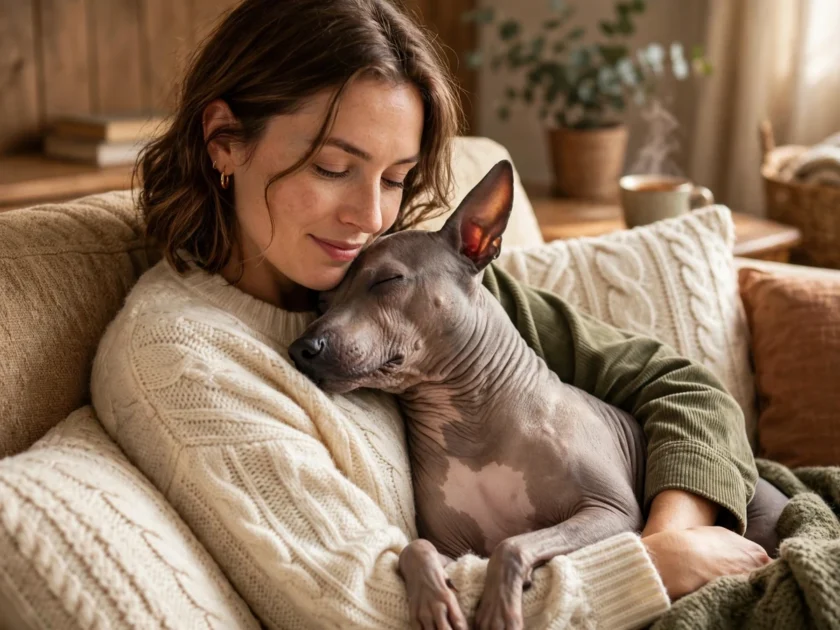
Live with an American Hairless Terrier and you will quickly learn that this is a dog that wants to be in the middle of everything. It follows its people from room to room, curls up on laps for warmth, and greets every visitor with a flurry of excitement and barking. It is a keen watchdog, always alert, and it has a terrier’s love of digging, chasing and investigating anything that moves. Squirrels, cats and squeaky toys are all fair game in its mind, so early training and a secure garden matter.
These dogs are energetic but they do not need marathon exercise. A daily walk, a few play sessions and some puzzle games or trick training will keep them happy and out of trouble. Without enough to do, their clever minds turn to mischief, and digging or chewing can follow. They are highly trainable and love learning tricks, and they respond beautifully to reward-based training in short, cheerful sessions. They are usually great playmates for children, and their small size makes them a natural fit for apartment life, as long as someone is usually home.
Common Diseases and Health Problems
The American Hairless Terrier is generally a healthy breed, and many enjoy long lives with few serious problems. Even so, owners should know the conditions to watch for. Patellar luxation, where the kneecap slips out of place, is common in small breeds and can cause limping or a skipping gait. Heart disease can develop as these dogs grow older, and primary lens luxation, in which the lens of the eye falls out of position, usually appears between the ages of three and eight.
Other concerns include hip dysplasia and Legg-Calve-Perthes disease, a degenerative hip condition, allergies that make the bare skin itch, and skin problems such as sunburn, contact dermatitis and skin infections, which the hairless variety is especially prone to. Diabetes, Cushing’s disease and thyroid problems can also occur. Dental disease is a real worry too, so a good dental care plan is essential. None of these problems is guaranteed, and a well-bred dog from health-tested parents has every chance of a long, healthy life.
Solutions and Prevention
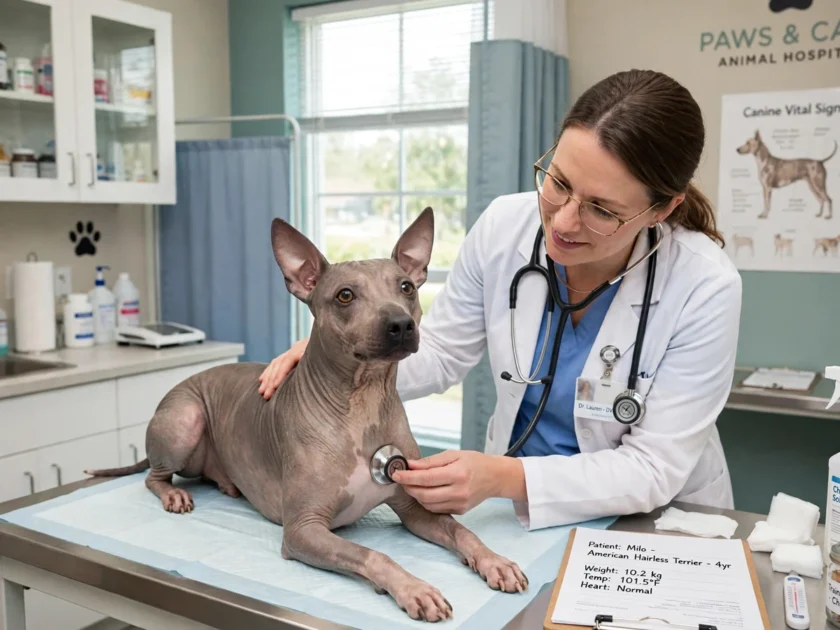
Prevention starts with choosing a reputable breeder who health tests for patellar luxation, heart problems and primary lens luxation, and asking to see the results. Once your puppy is home, keep up with regular vet checks at least once a year, keep vaccinations and parasite protection current, and watch for early warning signs such as limping, cloudy eyes, excessive thirst, or skin that is red, flaky or sore.
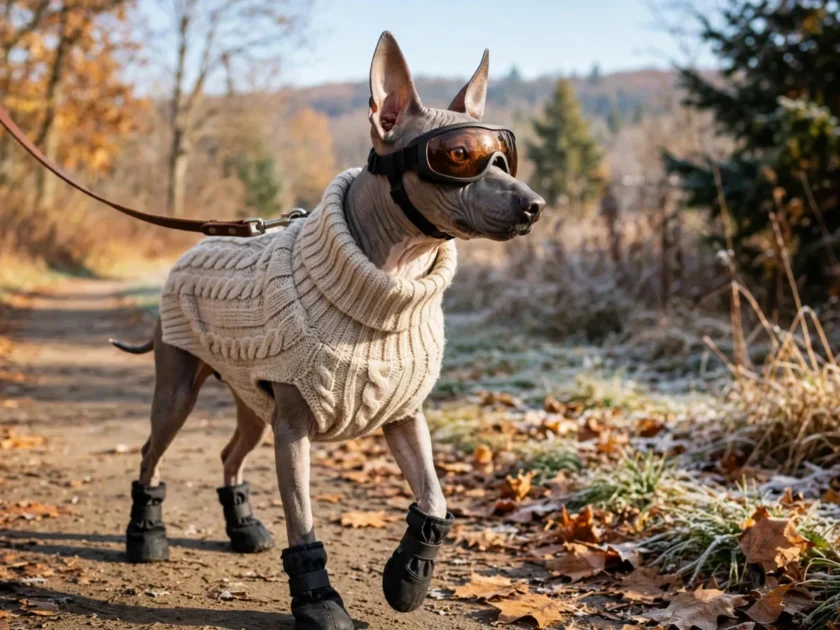
Daily care does most of the preventive work for this breed, and much of it is about the skin. Protect bare skin from the sun with a dog-safe sunscreen or a light shirt on bright days, and dress your dog in a soft sweater in cold weather, because a hairless dog loses body heat fast. Keep the skin clean and moisturised, and check it often for cuts, rashes or sunburn. Feed a high-quality small-breed diet in measured portions, brush the teeth daily, and give your dog daily play and puzzle games, because a busy terrier is far less likely to dig up the garden or bark the house down.
Grooming and Cleaning
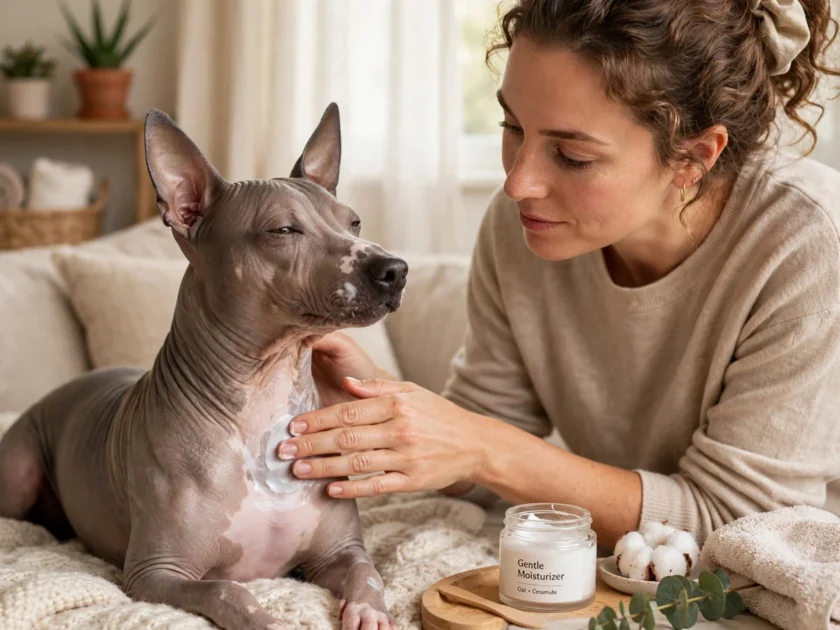
Grooming an American Hairless Terrier is easy, but it is not the same as grooming a coated dog, because the skin itself needs the care. The hairless variety needs regular baths to keep its skin clean, followed by a gentle moisturiser to stop it drying out. The coated variety needs only a weekly brush to distribute oils and remove dead hairs, plus a bath whenever it gets dirty. Both varieties need their ears checked and cleaned regularly, their nails trimmed often, and their teeth brushed daily.
The skin is the part that needs real attention. Check it every day for redness, bumps, dry patches or signs of sunburn, and protect it from rough surfaces that can scratch it. Hairless dogs can sunburn easily, so shade, sunscreen and clothing are part of the grooming routine in summer, and a warm sweater is essential in winter. With a little daily skin care, this low-shedding breed stays comfortable, clean and looking its best.
Living With a American Hairless Terrier: Care Tips for Owners
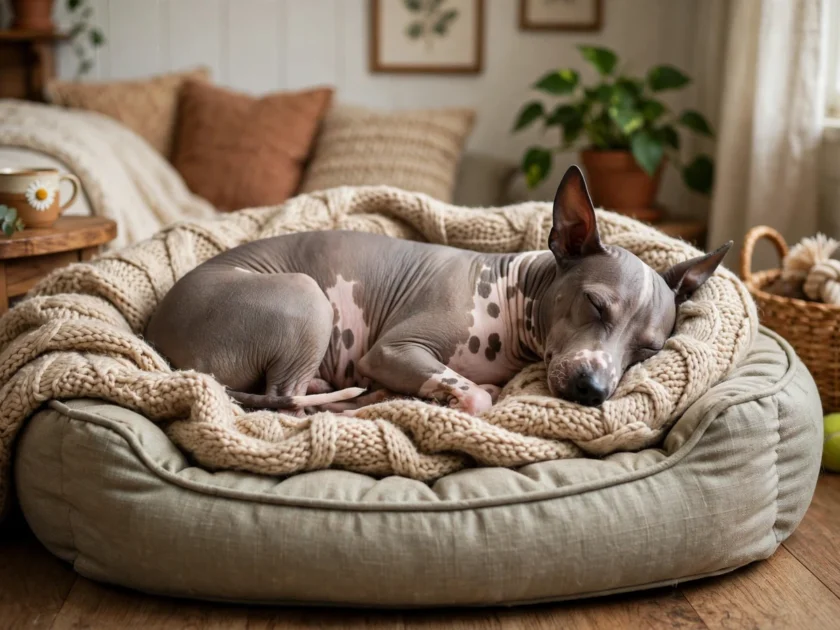
The secret to a happy American Hairless Terrier is simple: keep its body warm, its mind busy, and its person close. Build your day around a good walk, a play session and a few minutes of trick training, and include your dog in family life as much as you can, because this breed hates being left out. Teach a quiet command early, since terriers love the sound of their own voices, and give it puzzle toys to solve when you are busy. A warm blanket on the sofa and a sunny spot by the window will make it feel like royalty.
Protect the skin in every season, sunscreen and shade in summer, a sweater and a warm bed in winter, and check it daily for any soreness. Socialise your puppy early with people, dogs and new places, so its natural alertness never turns into nervous barking. With daily play, gentle training, regular skin care and a family that loves a good cuddle, an American Hairless Terrier will repay you with years of funny, affectionate and wonderfully warm companionship.
Frequently Asked Questions
Are American Hairless Terriers good for people with allergies?
They are often a good fit for allergy-sensitive homes, since the hairless variety sheds almost no fur. No dog is completely hypoallergenic, though, so spend time with the breed before committing if allergies are severe.
Do American Hairless Terriers need sunscreen?
Yes, the hairless variety can sunburn easily. Use a dog-safe sunscreen, provide shade, and dress your dog in a light shirt on bright sunny days to protect its bare skin.
How much exercise does an American Hairless Terrier need?
They have moderate exercise needs. A daily walk, play sessions and puzzle games are enough to keep them happy. They are energetic and clever, so mental stimulation matters just as much as physical exercise.
Are American Hairless Terriers good with children?
Yes, they are lively, playful and affectionate, and they make great playmates for children. As with any dog, supervise play with very young children and teach gentle handling.
Do American Hairless Terriers bark a lot?
They can be quite vocal, like many terriers. They bark to announce visitors and when excited or bored. Early training, a quiet command and plenty of exercise help keep the barking under control.